Torriden Dive In Soothing Sun Stick SPF 50+ Versus Round Lab Birch Juice Moisturizing UVLock Sun Stick SPF 50+
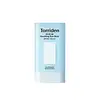
This chemical sunscreen covers the full UV range and blocks ~98% of UVB at SPF 50.
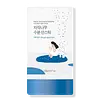
This chemical sunscreen covers most of the UV range, lighter on the deep UVA that drives aging.

What's inside
What's inside
 Key Ingredients
Benefits
Concerns
Ingredients Side-by-side
Water
Skin ConditioningCoco-Caprylate/Caprate
Emollient
Dibutyl Adipate
EmollientSynthetic Wax
Abrasive

Butyloctyl Salicylate
Skin Conditioning

Ethylhexyl Palmitate
Emollient



Diethylamino Hydroxybenzoyl Hexyl Benzoate
UV Filter
Vinyl Dimethicone/Methicone Silsesquioxane Crosspolymer


Butylene Glycol
Humectant

Ethylhexyl Triazone
UV Absorber
Ozokerite
Emulsion StabilisingNiacinamide
Smoothing









Vinyldimethicone
Polysilicone-15
UV Filter
Bis-Ethylhexyloxyphenol Methoxyphenyl Triazine
UV Absorber
Polyglyceryl-4 Diisostearate/Polyhydroxystearate/Sebacate
Emulsifying
Sodium Hyaluronate
Humectant
Hyaluronic Acid
Humectant
Hydrolyzed Sodium Hyaluronate
Skin Conditioning
Hydrolyzed Hyaluronic Acid
Humectant
Sodium Acetylated Hyaluronate
Humectant
Sodium Hyaluronate Crosspolymer
Humectant
Potassium Hyaluronate
Skin ConditioningDimethylsilanol Hyaluronate
Humectant
Hydroxypropyltrimonium Hyaluronate
Sodium Hyaluronate Dimethylsilanol
HumectantPanthenol
Skin Conditioning
Allantoin
Skin Conditioning
Methyl Diisopropyl Propionamide
MaskingGlycerin
Humectant
Adenosine
Skin Conditioning
Ethylhexylglycerin
Skin ConditioningGlyceryl Caprylate
EmollientCaprylyl Glycol
Emollient
Glycine
Buffering
1,2-Hexanediol
Skin Conditioning
Trisodium Ethylenediamine Disuccinate
ChelatingSodium Chloride
MaskingTetrahydroxypropyl Ethylenediamine
ChelatingArginine
Masking
Tromethamine
BufferingHydrogenated Castor Oil/Sebacic Acid Copolymer
Emollient
Lauryl Polyglyceryl-3 Polydimethylsiloxyethyl Dimethicone
Skin Conditioning
Tocopherol
Antioxidant

Erythritol
Humectant
Laminaria Japonica Extract
Skin Protecting
Ulmus Davidiana Root Extract
Skin Conditioning
Aloe Barbadensis Leaf Extract
Emollient
Viola Mandshurica Flower Extract
Antioxidant
Dioscorea Japonica Root Extract
Skin Conditioning
Malachite Extract
Antioxidant
Water, Coco-Caprylate/Caprate, Dibutyl Adipate, Synthetic Wax, Butyloctyl Salicylate, Ethylhexyl Palmitate, Diethylamino Hydroxybenzoyl Hexyl Benzoate, Vinyl Dimethicone/Methicone Silsesquioxane Crosspolymer, Butylene Glycol, Ethylhexyl Triazone, Ozokerite, Niacinamide, Vinyldimethicone, Polysilicone-15, Bis-Ethylhexyloxyphenol Methoxyphenyl Triazine, Polyglyceryl-4 Diisostearate/Polyhydroxystearate/Sebacate, Sodium Hyaluronate, Hyaluronic Acid, Hydrolyzed Sodium Hyaluronate, Hydrolyzed Hyaluronic Acid, Sodium Acetylated Hyaluronate, Sodium Hyaluronate Crosspolymer, Potassium Hyaluronate, Dimethylsilanol Hyaluronate, Hydroxypropyltrimonium Hyaluronate, Sodium Hyaluronate Dimethylsilanol, Panthenol, Allantoin, Methyl Diisopropyl Propionamide, Glycerin, Adenosine, Ethylhexylglycerin, Glyceryl Caprylate, Caprylyl Glycol, Glycine, 1,2-Hexanediol, Trisodium Ethylenediamine Disuccinate, Sodium Chloride, Tetrahydroxypropyl Ethylenediamine, Arginine, Tromethamine, Hydrogenated Castor Oil/Sebacic Acid Copolymer, Lauryl Polyglyceryl-3 Polydimethylsiloxyethyl Dimethicone, Tocopherol, Erythritol, Laminaria Japonica Extract, Ulmus Davidiana Root Extract, Aloe Barbadensis Leaf Extract, Viola Mandshurica Flower Extract, Dioscorea Japonica Root Extract, Malachite Extract
Homosalate
Skin Conditioning
Octocrylene
UV Absorber
Ethylhexyl Salicylate
UV Absorber
Butyl Methoxydibenzoylmethane
UV Absorber
Diethylhexyl Carbonate
EmollientDimethicone
Emollient
Methyl Methacrylate Crosspolymer
Synthetic Wax
Abrasive
Diphenylsiloxy Phenyl Trimethicone
Skin Conditioning
Butyloctyl Salicylate
Skin Conditioning
Isopropyl Palmitate
Emollient
Phenethyl Benzoate
Emollient

Diisostearyl Malate
EmollientEthylhexyl Isononanoate
EmollientCaprylyl Trimethicone
Skin Conditioning
Synthetic Fluorphlogopite
Bis-Behenyl/Isostearyl/Phytosteryl Dimer Dilinoleyl Dimer Dilinoleate
EmollientPolymethylsilsesquioxane
Polyethylene
Abrasive
Dimethicone/Vinyl Dimethicone Crosspolymer
Skin Conditioning
Camellia Japonica Seed Oil
Emollient
Ethylene/Propylene Copolymer
Abrasive
Silica Dimethyl Silylate
EmollientDimethicone Crosspolymer
Emulsion Stabilising
Candelilla Wax Esters
Artemisia Annua Extract
Masking
Copernicia Cerifera Wax
Pinus Sylvestris Leaf Oil
Masking
Anthemis Nobilis Flower Oil
Masking
Water
Skin ConditioningDipotassium Glycyrrhizate
Humectant
Allantoin
Skin Conditioning
Glyceryl Glucoside
Humectant
Butylene Glycol
Humectant
Glycerin
Humectant
1,2-Hexanediol
Skin Conditioning
Betula Platyphylla Japonica Juice
Skin Conditioning
Ulmus Davidiana Root Extract
Skin Conditioning
Aloe Barbadensis Leaf Extract
Emollient
Dioscorea Japonica Root Extract
Skin Conditioning
Viola Mandshurica Flower Extract
Antioxidant
Laminaria Japonica Extract
Skin Protecting
Glyceryl Caprylate
EmollientSodium Hyaluronate
Humectant
Hyaluronic Acid
Humectant
Ascorbic Acid
Antioxidant
Homosalate, Octocrylene, Ethylhexyl Salicylate, Butyl Methoxydibenzoylmethane, Diethylhexyl Carbonate, Dimethicone, Methyl Methacrylate Crosspolymer, Synthetic Wax, Diphenylsiloxy Phenyl Trimethicone, Butyloctyl Salicylate, Isopropyl Palmitate, Phenethyl Benzoate, Diisostearyl Malate, Ethylhexyl Isononanoate, Caprylyl Trimethicone, Synthetic Fluorphlogopite, Bis-Behenyl/Isostearyl/Phytosteryl Dimer Dilinoleyl Dimer Dilinoleate, Polymethylsilsesquioxane, Polyethylene, Dimethicone/Vinyl Dimethicone Crosspolymer, Camellia Japonica Seed Oil, Ethylene/Propylene Copolymer, Silica Dimethyl Silylate, Dimethicone Crosspolymer, Candelilla Wax Esters, Artemisia Annua Extract, Copernicia Cerifera Wax, Pinus Sylvestris Leaf Oil, Anthemis Nobilis Flower Oil, Water, Dipotassium Glycyrrhizate, Allantoin, Glyceryl Glucoside, Butylene Glycol, Glycerin, 1,2-Hexanediol, Betula Platyphylla Japonica Juice, Ulmus Davidiana Root Extract, Aloe Barbadensis Leaf Extract, Dioscorea Japonica Root Extract, Viola Mandshurica Flower Extract, Laminaria Japonica Extract, Glyceryl Caprylate, Sodium Hyaluronate, Hyaluronic Acid, Ascorbic Acid
Reviews
Ingredients Explained
These ingredients are found in both products.
Ingredients higher up in an ingredient list are typically present in a larger amount.
1,2-Hexanediol is a synthetic liquid and another multi-functional powerhouse.
It is a:
- Humectant, drawing moisture into the skin
- Emollient, helping to soften skin
- Solvent, dispersing and stabilizing formulas
- Preservative booster, enhancing the antimicrobial activity of other preservatives
Allantoin is a soothing ingredient known for its protective and moisturizing properties; it's basically a quiet workhorse ingredient you can find in a huge range of cosmetics.
Though it can be derived from the comfrey plant, allantoin is produced synthetically for cosmetic products to ensure purity.
Research shows it can encourage your skin cells to turn over and renew by stimulating keratinocyte and fibroblast proliferation.
It also has mild keratolytic properties to help loosen and shed dead skin cells without being harsh.
Studies also suggest allantoin can help calm inflammation by dialing down some of the chemical signals your skin sends out when it is irritated.
This ingredient is typically used in the 0.1-0.5% range, and the FDA recognizes it as a skin protectant in OTC products up to 2%.
Overall, allantoin is a wonderful addition to most routines; it is stable across a wide pH range (~4-8), works well with other ingredients, and is considered non-sensitizing/non-irritating.
Fun fact: Allantoin is naturally occurring in comfrey root, beets, chamomile, and wheat sprouts. Our bodies even produce it as a byproduct of uric acid metabolism.
Learn more about AllantoinAloe Barbadensis Leaf Extract is a botanical extract pulled from the leaves of aloe vera and one of the most studied plant ingredients in cosmetics.
The inner leaf gel it comes from is mostly water (~99-99.5%) and the remaining fraction is made up of pretty good stuff: polysaccharides, vitamins, phenolics, and enzymes.
Its headline job is hydration.
The star polysaccharide in aloe, acemannan, is a humectant that retains moisture and helps reduce trans-epidermal water loss.
Aloe also has real soothing credentials; it contains anti-inflammatory compounds like bradykinase and C-glucosyl chromone that help calm irritation and redness.
On the repair side, lab work shows that acemannan wakes up your skin's repair cells (fibroblasts), prompting them to multiply and speed up healing.
There's some human data for cosmetic benefit too: a cream containing 10% Aloe Barbadensis leaf extract improved skin hydration and elasticity in a real-use study.
Safety-wise, this ingredient is well-regarded with just one rare downside; there have been some case reports of acute eczema, contact urticaria, and dermatitis in people who applied aloe-derived ingredients topically. Those with a known aloe or Liliaceae sensitivity should patch test.
Typical use levels range widely, from under 1% up to 90%+ depending on the format and the effect you are after.
Learn more about Aloe Barbadensis Leaf ExtractButylene Glycol (or BG) is used within cosmetic products for a few different reasons:
Overall, Butylene Glycol is a safe and well-rounded ingredient that works well with other ingredients.
Though this ingredient works well with most skin types, some people with sensitive skin may experience a reaction such as allergic rashes, closed comedones, or itchiness.
Learn more about Butylene GlycolButyloctyl Salicylate is a chemical UV filter structurally similar to octisalate. It is a photostabilizer, SPF booster, emollient and solvent. This ingredient helps evenly spread out ingredients.
According to a manufacturer, it is suitable for pairing with micro Titanium Dioxide, Zinc Oxide, and pigments.
Photostabilizers help stabilize UV-filters and prevents them from degrading quickly.
Learn more about Butyloctyl SalicylateThis ingredient comes from the Asian mountain yam and has skin conditioning properties. Clinical studies have confirmed this ingredient to work as an effective moisturizer.
The extract is rich in compounds like diosgenin, polysaccharides, and polyphenols, gallic acid, and vanillic acid. Research on these extracts has demonstrated antioxidant effects in-vitro and anti-inflammatory activity in animal models.
The bioactives in the root extract have also been shown in lab tests to have anti-wrinkle, antioxidant, and anti-allergy properties.
A big 2022 review looked at the whole Dioscorea family and found these plants consistently showed antioxidant activity across the board.
This ingredient is gentle and well-tolerated by all skin types.
Learn more about Dioscorea Japonica Root ExtractGlycerin (or glycerol) is a compound naturally found in your skin. It's a powerhouse humectant that pulls water into the stratum corneum.
Topically, glycerin does several things at once:
Your skin makes glycerin on its own (mostly from sebaceous oil breakdown) and shuttles it to your outermost layer of skin, or your epidermis, via aquaporin-3.
Aquaporin-3 is a transporter that is essential for normal skin hydration, elasticity, and repair. Interestingly, mice lacking in AQP3 have dry and less elastic skin that can be fully corrected with glycerin.
This ingredient is non-irritating, plays well with almost every ingredient, and works across all skin types. Typical use is anywhere between 3-10% but can go up to 79% in some leave-on products.
Just know very high concentrations (>40%) can feel tacky in low humidity.
Glycerin is the name for this ingredient in American English. British English uses Glycerol/Glycerine.
Learn more about GlycerinGlyceryl Caprylate comes from glycerin and caprylic acid. It is an emollient, co-emulsifier, and preservative booster.
Its short C8 fatty acid chain makes it behave differently from its longer-chain emollient cousins like Glyceryl Stearate. It feels more lightweight, fast-absorbing, and silky instead of rich and waxy.
As a co-emulsifier, its "head" and "tail" sit at the oil-water interface. But overall, the short C8 tail and not being water soluble means it doesn't really have the muscle to emulsify a formula on its own. That's why you'll often see it paired with a primary emulsifier like Cetearyl Glucoside.
Interestingly, Glyceryl Caprylate acts as a preservative booster. This is because its fatty-acid backbone disrupts microbial lipid membranes. It shows excellent activity against bacteria and yeast but is weaker against mold.
Typical concentrations range from 0.5-1% and this ingredient is generally non-irritating.
Because this ingredient has a C8 fatty acid chain, it is outside the range that the Malassezia yeast metabolizes (making it fungal acne safe).
Learn more about Glyceryl CaprylateHyaluronic acid (HA) is a glycosaminoglycan (basically a long sugar chain) that your skin already makes on its own. In your skin, HA lives in the extracellular matrix and acts as the body's moisture reservoir.
Topically, HA is a humectant that binds water and helps skin look more plump, smooth, and hydrated.
The only catch is that HA isn't a single thing; it actually comes in a wide range of molecular weights (~50 - 2,000+ kDA) and size matters.
Some clinical evidence links low molecular weight versions to improved wrinkle depth, elasticity, anti-inflammatory effects, and barrier repair.
This is why the best HA serums blend the two sizes together so you get the best of both worlds.
The majority of cosmetic HA is produced by bacterial fermentation, typically using Streptococcus or Bacillus strains. Typical use levels in skincare sit around 0.1-2%.
A clinical study using a 0.2% low-molecular weight HA gel showed improvement in facial seborrheic dermatitis with excellent tolerance.
These are some other common types of Hyaluronic Acid:
Learn more about Hyaluronic AcidLaminaria Japonica Extract is an extract of Japanese kelp, the same brown seaweed sold as kombu.
This ingredient is usually extracted from dried, ground kelp with water or a water/glycol mix. Most of what ends up in your bottle is mostly big sugar molecules, minerals, and amino acids rather than oils.
Those sugars help hold water and form a light film on the skin's surface, giving it humectant and mild-barrier supporting properties.
The best human data is a small Korean study where a cream with 10% extract upped skin hydration about 14% over placebo and cut water loss through the skin for up to eight hours.
Beyond this study, most of the anti-aging and anti-inflammatory claims come from mouse and cell studies; these studies found that topical kelp sugars preserved collagen in aging mice and the extract calmed UVB-triggered inflammation markers in cultured skin cells.
Though this sounds promising, it isn't the same as proof on human faces.
Industry data shows this ingredient is usually used anywhere from 0.0005% - 5%. Most leave-on products sit well under 1% and the 5% end mostly shows up in bath products.
Allergy-risk for this ingredient looks low as well. A cream with 10% extract patch-tested on 25 people caused no irritation and there have been no sensitization reports either.
There is one real allergy report on "laminaria" that involves medical cervical dilators made from whole dried kelp stems inserted internally; though this is a very different exposure from a few tenths of a percent in a serum.
Learn more about Laminaria Japonica ExtractSodium Hyaluronate is the salt form of hyaluronic acid. It is a long sugar chain that is naturally found in your skin, joints, and connective tissue that maintains hydration and elasticity.
In skincare, it works as a humectant. It pulls water from the environment and deeper layers of skin and binds it to the surface.
Interestingly, the size of the molecule affects its behavior:
Some clinical evidence links low molecular weight versions to improved wrinkle depth, elasticity, anti-inflammatory effects, and barrier repair.
Many serums use a blend of both weights so you can get surface hydration plus longer-lasting and deeper effects.
You'll typically see concentrations between 0.1-2% for this ingredient.
Learn more about Sodium HyaluronateSynthetic Wax is a manufactured hydrocarbon wax. In formulas, it works as an occlusive emollient that helps reduce water loss and improves the spreadability of products.
Research comparing synthetic wax to traditional mineral-derived products found that formulas containing it perform as well for skin hydration.
It is considered non-comedogenic and vegan-friendly.
This ingredient has a well-established safety record by the CIR Expert Panel for Cosmetic Ingredient Safety.
Synthetic Waxes are straight/branched-chain hydrocarbons with no ester bond or fatty acids. That means there is nothing for the Malassezia yeast to feed on.
Learn more about Synthetic WaxThis tree is also known as the David Elm. It contains the ingredient bakuchiol.
Other great compounds found in this ingredient include galactose, glucose, and phenolics. The sugar content gives it great skin hydrating properties. Phenolics are potent antioxidants commonly found in fruits and veggies.
A 2020 study found the phenolics of this root to have an anti-inflammatory effect.
Fun fact: This ingredient is used in traditional Asian medicine.
Learn more about Ulmus Davidiana Root ExtractThis extract comes from the petals of the manchurian violet, a plant native to East Asia. It has astringent and antioxidant properties.
Water. It's the most common cosmetic ingredient of all. You'll usually see it at the top of ingredient lists, meaning that it makes up the largest part of the product.
So why is it so popular? Water most often acts as a solvent - this means that it helps dissolve other ingredients into the formulation.
You'll also recognize water as that liquid we all need to stay alive. If you see this, drink a glass of water. Remember to stay hydrated!
Learn more about Water

