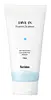
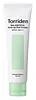
Torriden Dive-In Sea Salt Creamy Sub Acidity Foam Cleanser Versus Torriden Balanceful Cica Tone-up Sun Cream SPF50 PA++++
This mild cream cleanser is made to cleanse without leaving your skin tight or dry.
This hybrid sunscreen covers the full UV range and blocks ~98% of UVB at SPF 50.

What's inside
What's inside
 Key Ingredients
Benefits
Concerns
Ingredients Side-by-side
Sea Salt Extract 25%
Skin Conditioning
Glycerin
Humectant


Water
Skin ConditioningSodium Cocoyl Isethionate
Cleansing
Malachite Extract
Antioxidant
Hydrogenated Coconut Acid
Emollient
Coco-Betaine
Cleansing
Sodium Methyl Cocoyl Taurate
Cleansing
Sodium Isethionate
CleansingPotassium Cocoyl Glycinate
Surfactant
Allantoin
Skin Conditioning

Panthenol
Skin Conditioning
Ceramide NP
Skin Conditioning

Hamamelis Virginiana Leaf Extract
Skin Conditioning

Chamomilla Recutita Flower Extract
Masking
Sodium Hyaluronate
Humectant
Hydrolyzed Hyaluronic Acid
Humectant
Sodium Hyaluronate Crosspolymer
Humectant
Sodium Acetylated Hyaluronate
Humectant
Hydrolyzed Sodium Hyaluronate
Skin Conditioning
Pentylene Glycol
Skin Conditioning
Polyquaternium-67
Dipropylene Glycol
HumectantCaprylyl Glycol
Emollient
Glyceryl Caprylate
EmollientSodium Chloride
MaskingCitric Acid
Buffering

Disodium EDTA
Chelating1,2-Hexanediol
Skin Conditioning
Ethylhexylglycerin
Skin ConditioningScutellaria Baicalensis Root Extract
Astringent
Paeonia Suffruticosa Root Extract
Skin ProtectingSea Salt Extract 25%, Glycerin, Water, Sodium Cocoyl Isethionate, Malachite Extract, Hydrogenated Coconut Acid, Coco-Betaine, Sodium Methyl Cocoyl Taurate, Sodium Isethionate, Potassium Cocoyl Glycinate, Allantoin, Panthenol, Ceramide NP, Hamamelis Virginiana Leaf Extract, Chamomilla Recutita Flower Extract, Sodium Hyaluronate, Hydrolyzed Hyaluronic Acid, Sodium Hyaluronate Crosspolymer, Sodium Acetylated Hyaluronate, Hydrolyzed Sodium Hyaluronate, Pentylene Glycol, Polyquaternium-67, Dipropylene Glycol, Caprylyl Glycol, Glyceryl Caprylate, Sodium Chloride, Citric Acid, Disodium EDTA, 1,2-Hexanediol, Ethylhexylglycerin, Scutellaria Baicalensis Root Extract, Paeonia Suffruticosa Root Extract
Water
Skin ConditioningZinc Oxide
Cosmetic Colorant


Propanediol
Solvent
Butyloctyl Salicylate
Skin Conditioning
Methyl Trimethicone
Skin Conditioning
Cyclohexasiloxane
Emollient
Coco-Caprylate/Caprate
Emollient
Isododecane
EmollientTriethylhexanoin
MaskingNiacinamide
Smoothing




Dicaprylyl Carbonate
EmollientPropylheptyl Caprylate
EmollientMethyl Methacrylate Crosspolymer
Centella Asiatica Extract
Cleansing
Madecassic Acid
Skin Conditioning
Asiaticoside
Antioxidant
Asiatic Acid
Skin Conditioning
Madecassoside
Antioxidant
Panthenol
Skin Conditioning
Allantoin
Skin Conditioning
Lactobacillus Ferment
Skin Conditioning
Althaea Rosea Flower Extract
Skin ConditioningAdenosine
Skin Conditioning
Tocopherol
Antioxidant
Caprylyl Methicone
Skin Conditioning
Lauryl Polyglyceryl-3 Polydimethylsiloxyethyl Dimethicone
Skin Conditioning
1,2-Hexanediol
Skin Conditioning
Caprylyl Glycol
Emollient
Glyceryl Caprylate
EmollientPolyglyceryl-3 Polydimethylsiloxyethyl Dimethicone
Skin Conditioning
Magnesium Sulfate
Dipropylene Glycol
HumectantTriethoxycaprylylsilane
Mica
Cosmetic ColorantPolyglyceryl-2 Dipolyhydroxystearate
Skin Conditioning
Disteardimonium Hectorite
StabilisingLauryl Dimethicone/Polyglycerin-3 Crosspolymer
Cleansing
Aluminum Hydroxide
EmollientCI 77891
Cosmetic ColorantCI 77288
Cosmetic ColorantSodium Citrate
BufferingSwertia Japonica Extract
Skin ConditioningNymphaea Caerulea Flower Extract
Skin ConditioningWater, Zinc Oxide, Propanediol, Butyloctyl Salicylate, Methyl Trimethicone, Cyclohexasiloxane, Coco-Caprylate/Caprate, Isododecane, Triethylhexanoin, Niacinamide, Dicaprylyl Carbonate, Propylheptyl Caprylate, Methyl Methacrylate Crosspolymer, Centella Asiatica Extract, Madecassic Acid, Asiaticoside, Asiatic Acid, Madecassoside, Panthenol, Allantoin, Lactobacillus Ferment, Althaea Rosea Flower Extract, Adenosine, Tocopherol, Caprylyl Methicone, Lauryl Polyglyceryl-3 Polydimethylsiloxyethyl Dimethicone, 1,2-Hexanediol, Caprylyl Glycol, Glyceryl Caprylate, Polyglyceryl-3 Polydimethylsiloxyethyl Dimethicone, Magnesium Sulfate, Dipropylene Glycol, Triethoxycaprylylsilane, Mica, Polyglyceryl-2 Dipolyhydroxystearate, Disteardimonium Hectorite, Lauryl Dimethicone/Polyglycerin-3 Crosspolymer, Aluminum Hydroxide, CI 77891, CI 77288, Sodium Citrate, Swertia Japonica Extract, Nymphaea Caerulea Flower Extract
Reviews
Ingredients Explained
These ingredients are found in both products.
Ingredients higher up in an ingredient list are typically present in a larger amount.
1,2-Hexanediol is a synthetic liquid and another multi-functional powerhouse.
It is a:
- Humectant, drawing moisture into the skin
- Emollient, helping to soften skin
- Solvent, dispersing and stabilizing formulas
- Preservative booster, enhancing the antimicrobial activity of other preservatives
Allantoin is a soothing ingredient known for its protective and moisturizing properties; it's basically a quiet workhorse ingredient you can find in a huge range of cosmetics.
Though it can be derived from the comfrey plant, allantoin is produced synthetically for cosmetic products to ensure purity.
Research shows it can encourage your skin cells to turn over and renew by stimulating keratinocyte and fibroblast proliferation.
It also has mild keratolytic properties to help loosen and shed dead skin cells without being harsh.
Studies also suggest allantoin can help calm inflammation by dialing down some of the chemical signals your skin sends out when it is irritated.
This ingredient is typically used in the 0.1-0.5% range, and the FDA recognizes it as a skin protectant in OTC products up to 2%.
Overall, allantoin is a wonderful addition to most routines; it is stable across a wide pH range (~4-8), works well with other ingredients, and is considered non-sensitizing/non-irritating.
Fun fact: Allantoin is naturally occurring in comfrey root, beets, chamomile, and wheat sprouts. Our bodies even produce it as a byproduct of uric acid metabolism.
Learn more about AllantoinCaprylyl Glycol is a humectant, skin conditioner, emollient, and preservative booster derived from either caprylic acid or synthetically created.
Typical use levels vary from 0.3-1% as a preservative booster and go up to 2% to condition skin.
Because it is not a free-fatty acid, this ingredient is fungal acne safe (there's nothing for Malassezia to feed on).
Learn more about Caprylyl GlycolDipropylene Glycol is a synthetically created humectant, stabilizer, and solvent.
This ingredient helps:
Dipropylene glycol is technically an alcohol, but it belongs to the glycol family (often considered part of the ‘good’ alcohols). This means it is hydrating and gentle on skin unlike drying solvent alcohols like denatured alcohol.
As a masking agent, Dipropylene Glycol can be used to cover the smell of other ingredients. However, it does not have a scent.
Studies show Dipropylene Glycol is considered safe to use in skincare.
Learn more about Dipropylene GlycolGlyceryl Caprylate comes from glycerin and caprylic acid. It is an emollient, co-emulsifier, and preservative booster.
Its short C8 fatty acid chain makes it behave differently from its longer-chain emollient cousins like Glyceryl Stearate. It feels more lightweight, fast-absorbing, and silky instead of rich and waxy.
As a co-emulsifier, its "head" and "tail" sit at the oil-water interface. But overall, the short C8 tail and not being water soluble means it doesn't really have the muscle to emulsify a formula on its own. That's why you'll often see it paired with a primary emulsifier like Cetearyl Glucoside.
Interestingly, Glyceryl Caprylate acts as a preservative booster. This is because its fatty-acid backbone disrupts microbial lipid membranes. It shows excellent activity against bacteria and yeast but is weaker against mold.
Typical concentrations range from 0.5-1% and this ingredient is generally non-irritating.
Because this ingredient has a C8 fatty acid chain, it is outside the range that the Malassezia yeast metabolizes (making it fungal acne safe).
Learn more about Glyceryl CaprylatePanthenol is a common ingredient that helps hydrate and soothe the skin. It is found naturally in our skin and hair.
There are two forms of panthenol: D and L.
D-panthenol is also known as dexpanthenol. Most cosmetics use dexpanthenol or a mixture of D and L-panthenol.
Panthenol is famous due to its ability to go deeper into the skin's layers. Using this ingredient has numerous pros (and no cons):
Like hyaluronic acid, panthenol is a humectant. Humectants are able to bind and hold large amounts of water to keep skin hydrated.
This ingredient works well for wound healing. It works by increasing tissue in the wound and helps close open wounds.
Once oxidized, panthenol converts to pantothenic acid. Panthothenic acid is found in all living cells.
This ingredient is also referred to as pro-vitamin B5.
Learn more about PanthenolWater. It's the most common cosmetic ingredient of all. You'll usually see it at the top of ingredient lists, meaning that it makes up the largest part of the product.
So why is it so popular? Water most often acts as a solvent - this means that it helps dissolve other ingredients into the formulation.
You'll also recognize water as that liquid we all need to stay alive. If you see this, drink a glass of water. Remember to stay hydrated!
Learn more about Water

