Torriden Dive In 5D Hyaluronic Acid Intensive Cream Versus Haruharu Wonder Black Rice 5 Ceramide Barrier Moisturizing Cream
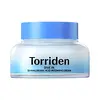
This barrier-repair moisturizer is formulated around Panthenol and Sodium Hyaluronate to strengthen the skin barrier and hydrate skin.
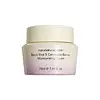
This barrier-repair moisturizer is formulated around Ceramide NP and Oryza Sativa Extract to strengthen the skin barrier and hydrate skin.

What's inside
What's inside
 Key Ingredients
Benefits
Concerns
Ingredients Side-by-side
Water
Skin ConditioningGlycerin
Humectant


Panthenol
Skin Conditioning

Butylene Glycol
Humectant
Propylheptyl Caprylate
Emollient1,2-Hexanediol
Skin Conditioning
Cetearyl Alcohol
Emollient






Pentylene Glycol
Skin Conditioning
Cetyl Palmitate
Emollient
Behenyl Alcohol
Emollient
Sodium Hyaluronate
Humectant

Sodium Hyaluronate Crosspolymer
Humectant
Sodium Acetylated Hyaluronate
Humectant
Hydrolyzed Sodium Hyaluronate
Skin Conditioning
Hydrolyzed Hyaluronic Acid
Humectant
Sh-Oligopeptide-1
Skin Conditioning
Carnosine
Skin Conditioning
Arginine/Lysine Polypeptide
Skin Conditioning
Ceramide NP
Skin Conditioning
Palmitoyl Dipeptide-7
Skin Conditioning
Methyl Glucose Sesquistearate
Emollient
Hydrogenated Polydecene
EmollientPhytosterols
Skin Conditioning
Allantoin
Skin Conditioning
Cetearyl Glucoside
Emulsifying
Glycereth-26
Humectant
Glyceryl Glucoside
Humectant
Hydrogenated Poly(C6-14 Olefin)
EmollientJojoba Esters
Emollient
Glyceryl Stearates
Emollient
Polyglycerin-3
Humectant
Polyglyceryl-3 Methylglucose Distearate
Emulsifying
Sorbitan Oleate
Emulsifying
Madecassoside
Antioxidant

Dipotassium Glycyrrhizate
Humectant
Heptyl Undecylenate
EmollientSorbitan Palmitate
Emulsifying
Sodium Acetate
BufferingSodium Stearoyl Glutamate
CleansingHydroxyethyl Acrylate/Sodium Acryloyldimethyl Taurate Copolymer
Emulsion StabilisingGlyceryl Acrylate/Acrylic Acid Copolymer
HumectantSodium Phosphate
BufferingIsoamyl Laurate
Emollient
Stearyl Alcohol
Emollient
Cetyl Alcohol
Emollient
Stearic Acid
Cleansing
Caprylyl Glycol
Emollient
Acacia Decurrens Flower Wax
Emollient
Vinyldimethicone

Helianthus Annuus Seed Wax
Skin Conditioning
Hydrogenated Lecithin
Emulsifying
Sorbitan Isostearate
Emulsifying
Trisodium Ethylenediamine Disuccinate
Carbomer
Emulsion StabilisingArachidyl Alcohol
Emollient
Arachidyl Glucoside
EmulsifyingEthylhexylglycerin
Skin ConditioningMalachite Extract
Antioxidant
Arginine
Masking
Tocopherol
Antioxidant


Water, Glycerin, Panthenol, Butylene Glycol, Propylheptyl Caprylate, 1,2-Hexanediol, Cetearyl Alcohol, Pentylene Glycol, Cetyl Palmitate, Behenyl Alcohol, Sodium Hyaluronate, Sodium Hyaluronate Crosspolymer, Sodium Acetylated Hyaluronate, Hydrolyzed Sodium Hyaluronate, Hydrolyzed Hyaluronic Acid, Sh-Oligopeptide-1, Carnosine, Arginine/Lysine Polypeptide, Ceramide NP, Palmitoyl Dipeptide-7, Methyl Glucose Sesquistearate, Hydrogenated Polydecene, Phytosterols, Allantoin, Cetearyl Glucoside, Glycereth-26, Glyceryl Glucoside, Hydrogenated Poly(C6-14 Olefin), Jojoba Esters, Glyceryl Stearates, Polyglycerin-3, Polyglyceryl-3 Methylglucose Distearate, Sorbitan Oleate, Madecassoside, Dipotassium Glycyrrhizate, Heptyl Undecylenate, Sorbitan Palmitate, Sodium Acetate, Sodium Stearoyl Glutamate, Hydroxyethyl Acrylate/Sodium Acryloyldimethyl Taurate Copolymer, Glyceryl Acrylate/Acrylic Acid Copolymer, Sodium Phosphate, Isoamyl Laurate, Stearyl Alcohol, Cetyl Alcohol, Stearic Acid, Caprylyl Glycol, Acacia Decurrens Flower Wax, Vinyldimethicone, Helianthus Annuus Seed Wax, Hydrogenated Lecithin, Sorbitan Isostearate, Trisodium Ethylenediamine Disuccinate, Carbomer, Arachidyl Alcohol, Arachidyl Glucoside, Ethylhexylglycerin, Malachite Extract, Arginine, Tocopherol
Water
Skin ConditioningGlycerin
Humectant
Butylene Glycol
Humectant
Caprylic/Capric Triglyceride
Masking
Dicaprylyl Carbonate
Emollient1,2-Hexanediol
Skin Conditioning
Ceramide NP
Skin Conditioning
Sodium Acrylate/Sodium Acryloyldimethyl Taurate Copolymer
Emulsion StabilisingCetearyl Olivate
Polyisobutene
Hydrogenated Lecithin
Emulsifying
Polyglyceryl-3 Distearate
Emulsifying
Sorbitan Olivate
Emulsifying
Cetearyl Alcohol
Emollient
Carbomer
Emulsion StabilisingArginine
Masking
Mannitol
Humectant
Stearic Acid
Cleansing
Arachidyl Alcohol
Emollient
Allantoin
Skin Conditioning
Xanthan Gum
EmulsifyingBehenyl Alcohol
Emollient
Ethylhexylglycerin
Skin ConditioningSorbitan Oleate
Emulsifying
Caprylyl/Capryl Glucoside
CleansingArachidyl Glucoside
EmulsifyingGlyceryl Stearate Citrate
Emollient
Hydrogenated Olive Oil Decyl Esters
Emulsion Stabilising
Oryza Sativa Extract
Absorbent
Phyllostachys Pubescens Shoot Bark Extract
Skin ConditioningDisodium EDTA
Aspergillus Ferment
Skin ConditioningHydrogenated Olive Oil Stearyl Esters
Emulsion Stabilising
Ceramide Ns
Skin Conditioning
Phytosphingosine
Skin Conditioning
Cholesterol
Emollient
Oryza Sativa Lees Extract
Skin ConditioningPanax Ginseng Root Extract
Emollient
Tocopherol
Antioxidant
Ceramide As
Skin Conditioning
Ceramide AP
Skin Conditioning
Cyclodextrin
AbsorbentCeramide EOP
Skin Conditioning
Water, Glycerin, Butylene Glycol, Caprylic/Capric Triglyceride, Dicaprylyl Carbonate, 1,2-Hexanediol, Ceramide NP, Sodium Acrylate/Sodium Acryloyldimethyl Taurate Copolymer, Cetearyl Olivate, Polyisobutene, Hydrogenated Lecithin, Polyglyceryl-3 Distearate, Sorbitan Olivate, Cetearyl Alcohol, Carbomer, Arginine, Mannitol, Stearic Acid, Arachidyl Alcohol, Allantoin, Xanthan Gum, Behenyl Alcohol, Ethylhexylglycerin, Sorbitan Oleate, Caprylyl/Capryl Glucoside, Arachidyl Glucoside, Glyceryl Stearate Citrate, Hydrogenated Olive Oil Decyl Esters, Oryza Sativa Extract, Phyllostachys Pubescens Shoot Bark Extract, Disodium EDTA, Aspergillus Ferment, Hydrogenated Olive Oil Stearyl Esters, Ceramide Ns, Phytosphingosine, Cholesterol, Oryza Sativa Lees Extract, Panax Ginseng Root Extract, Tocopherol, Ceramide As, Ceramide AP, Cyclodextrin, Ceramide EOP
Reviews
Ingredients Explained
These ingredients are found in both products.
Ingredients higher up in an ingredient list are typically present in a larger amount.
1,2-Hexanediol is a synthetic liquid and another multi-functional powerhouse.
It is a:
- Humectant, drawing moisture into the skin
- Emollient, helping to soften skin
- Solvent, dispersing and stabilizing formulas
- Preservative booster, enhancing the antimicrobial activity of other preservatives
Allantoin is a soothing ingredient known for its protective and moisturizing properties; it's basically a quiet workhorse ingredient you can find in a huge range of cosmetics.
Though it can be derived from the comfrey plant, allantoin is produced synthetically for cosmetic products to ensure purity.
Research shows it can encourage your skin cells to turn over and renew by stimulating keratinocyte and fibroblast proliferation.
It also has mild keratolytic properties to help loosen and shed dead skin cells without being harsh.
Studies also suggest allantoin can help calm inflammation by dialing down some of the chemical signals your skin sends out when it is irritated.
This ingredient is typically used in the 0.1-0.5% range, and the FDA recognizes it as a skin protectant in OTC products up to 2%.
Overall, allantoin is a wonderful addition to most routines; it is stable across a wide pH range (~4-8), works well with other ingredients, and is considered non-sensitizing/non-irritating.
Fun fact: Allantoin is naturally occurring in comfrey root, beets, chamomile, and wheat sprouts. Our bodies even produce it as a byproduct of uric acid metabolism.
Learn more about AllantoinArachidyl Alcohol is a fatty alcohol made from the the arachidic acid found in peanut oil.
Despite having "alcohol" in the name, it is not related to denatured alcohol or ethanol.
This ingredient is a multitasker:
Just be sure to patch this ingredient if you have a peanut allergy (though this ingredient is highly processed and the allergenic proteins are typically removed).
Learn more about Arachidyl AlcoholThis ingredient is a plant-based surfactant and emulsifier. It helps oil and water based ingredients mix evenly to improve formula stability without adding a "greasy" feel.
Arginine is a semi-essential amino acid. This just means our bodies can product a bit on its own, but sometimes needs a little boost from food sources.
It is a part of your skin's natural moisturizing factor (NMF), or the water-loving molecules in your outermost layer of skin (stratum corneum) that keeps everything hydrated and happy.
Here's an interesting thing about Arginine: your skin converts it into urea through the Krebs-Henseleit urea cycle. Urea is one of the most effective humectants your skin naturally produces.
A clinical study showed applying 2.5% arginine hydrochloride to atopic dermatitis skin showed significant urea levels in the stratum corneum and improved moisture in just four weeks.
Arginine is also a precursor to nitric oxide; nitric oxide improves microcirculation and supports wound healing and collagen synthesis.
One study found that an amino acid complex containing Arginine reduced skin irritation, improved hydration, and accelerated skin repair in clinical / in-vivo studies.
Arginine itself is an amino acid and not a fatty acid, oil, or ester. On its own, it's not a direct food source for Malassezia, or the yeast that causes fungal acne.
Learn more about ArginineBehenyl Alcohol is a type of fatty alcohol (these are different from the drying, solvent alcohols).
Fatty Alcohols have hydrating properties and are most often used as an emollient or to thicken a product. They are usually derived from natural fats and oils; behenyl alcohol is derived from the fats of vegetable oils.
Emollients help keep your skin soft and hydrated by creating a film that traps moisture in.
In 2000, Behenyl Alcohol was approved by the US as medicine to reduce the duration of cold sores.
Learn more about Behenyl AlcoholButylene Glycol (or BG) is used within cosmetic products for a few different reasons:
Overall, Butylene Glycol is a safe and well-rounded ingredient that works well with other ingredients.
Though this ingredient works well with most skin types, some people with sensitive skin may experience a reaction such as allergic rashes, closed comedones, or itchiness.
Learn more about Butylene GlycolCarbomer is a synthetic thickening and gelling agent. It's basically the ingredient that gives a lot of serums, gels, creams, and sunscreens their smooth, non-sticky texture.
Although legally permitted at very high levels, carbomers are normally used at concentrations below 1%.
It also needs to be neutralized to actually thicken, and because it is a large molecule, it doesn't really penetrate the skin barrier.
Allergy-wise, the risk is very low. Clinical studies show carbomers have low potential for skin irritation/sensitization even at concentrations up to 100%.
A 2024 UK study patch-tested 1,302 patients and found true allergy to the parent group of carbomer to be rare with no confirmed relevant reactions.
Learn more about CarbomerCeramide NP (formerly known as Ceramide 3) is one of the skin's naturally occurring lipids.
Since ceramides are the major lipid components of the skin, they are crucial for maintaining skin barrier and hydration. Ceramide NP most closely mirrors the dominant kind in human skin amongst ceramide subtypes.
This ceramide works by slotting into gaps within the stratum corneum's lipid matrix to limit trans-epidermal water loss (TEWL) and shield the skin against external irritants.
A study with 312 patients found that using a ceramide-containing routine for 4 weeks reduced the severity of atopic dermatitis by over 61%.
Another clinical study in subjects aged 60 and older found that a ceramide body wash and moisturizer improved skin dryness and itchy skin in 15 days.
Overall, ceramides are considered non-irritating and safety tests have found little to no observable adverse effects from using this ingredient.
Ceramide NP is usually sourced from plants (like soybean or rice bran), or produced synthetically.
Learn more about Ceramide NPCetearyl alcohol is a waxy mixture of two fatty alcohols: cetyl alcohol and stearyl alcohol. It is an emollient and emulsifier.
Despite having "alcohol" in its name, it has nothing to do with drying solvent alcohols; the FDA also allows "alcohol-free" products to contain fatty alcohols like this ingredient.
It plays several roles in a formula:
Typical use levels for this ingredient sit around 1-10% and the Cosmetic Ingredient Review Expert Panel has affirmed safety at concentrations up to 25% in leave-on products.
Multiple assessments have found it to be non-irritating and non-sensitizing to most people.
However, there have been some cases of allergic contact dermatitis in patients with chronically compromised skin barriers.
Cetearyl alcohol has a comedogenic rating of 2 and irritancy rating of 1. Both of these numbers come from the 1989 study that used rabbit ears; a "2" means mildly comedogenic and a "1" means low irritancy.
Here's the catch: rabbit skin is more sensitive than human skin and throws a lot of false positives. A 1996 reappraisal found that ingredients rated 1-2 in the rabbit ear tests are generally safe for humans.
Remember comedogenic ratings are unable to assess the entire formula of a product or how it will react on your skin. Just be sure to patch test if you are unsure about certain ingredients.
This ingredient is not fungal acne safe. Cetearyl alcohol is a fatty alcohol with chain lengths that fall within the range that Malassezia can metabolize.
A 2019 study has also observed Malassezia growth in the presence of this ingredient, confirming it to be not-fungal acne safe.
Learn more about Cetearyl AlcoholEthylhexylglycerin is created from glycerin. It is a multitasker ingredient that:
The CIR Expert Panel found minimal skin absorption or sensitization of any kind in a safety assessment. Though this ingredient is considered well-tolerated, a small number of cases of allergic dermatitis have been published since 2002. Just be sure to patch test if you are unsure.
Industry-reported use ranges from 8% in rinse-off products and 2% in leave-on formulations.
Learn more about EthylhexylglycerinGlycerin (or glycerol) is a compound naturally found in your skin. It's a powerhouse humectant that pulls water into the stratum corneum.
Topically, glycerin does several things at once:
Your skin makes glycerin on its own (mostly from sebaceous oil breakdown) and shuttles it to your outermost layer of skin, or your epidermis, via aquaporin-3.
Aquaporin-3 is a transporter that is essential for normal skin hydration, elasticity, and repair. Interestingly, mice lacking in AQP3 have dry and less elastic skin that can be fully corrected with glycerin.
This ingredient is non-irritating, plays well with almost every ingredient, and works across all skin types. Typical use is anywhere between 3-10% but can go up to 79% in some leave-on products.
Just know very high concentrations (>40%) can feel tacky in low humidity.
Glycerin is the name for this ingredient in American English. British English uses Glycerol/Glycerine.
Learn more about GlycerinHydrogenated Lecithin is a more stable version of lecithin.
It's made by taking lecithin (a phospholipid commonly found in soybeans and egg yolks) and hydrogenating it. This just means the unsaturated fatty acids are turned into saturated ones so they don't go bad as easily.
This ingredient is an emollient, emulsifier, and penetration enhancer. As an emollient, it helps soften and hydrate skin by trapping moisture within. As an emulsifier, it prevents oil and water ingredients from separating.
Hydrogenated Lecithin can form tiny spherical structures made of phospholipid bilayers called liposomes. These liposomes are able to capture compounds inside their structure and deliver them through the skin barrier.
Because phospholipids are a natural component of our cell membranes, this ingredient is inherently compatible with skin.
A 2021 study found lecithin-based surfactants were less harsh and more tolerable comared to Sodium Lauryl Sulfate (SLS).
Learn more about Hydrogenated LecithinSorbitan Oleate is a PEG-free emulsifier made by esterifying sorbitol with oleic acid.
You'll likely see it paired with Polysorbate 80 to create the right emulsification balance.
Typical use levels in formulas range from 2-10%.
The CIR Expert Panel has concluded this ingredient to be safe as a cosmetic ingredient.
Since this ingredient is an ester of oleic acid, it may not be fungal acne safe. Oleic acid is a fatty acid that falls into the C11-24 range that Malassezia can metabolize.
Learn more about Sorbitan OleateStearic Acid is a fatty acid that is already found in your skin. It's one of the free fatty acids that works alongside ceramides and cholesterols to maintain your barrier.
In cosmetics, it is a multitasker:
Safety-wise, the CIR Expert Panel has concluded it to be safe in cosmetics when formulated to be non-irritating and non-sensitizing.
Free stearic acid is a C18 fatty acid that the Malassezia yeast can substrate, so this ingredient may not be fungal acne safe.
Learn more about Stearic AcidTocopherol is a fat-soluble antioxidant known as Vitamin E.
You'll find this ingredient in the vast majority of skincare (for good reason). It works to neutralize free radicals, or unstable molecules generated by UV exposure, pollution, and other environmental stressors, before they can cause oxidative damage to your skin cells.
Topically applied tocopherol has been shown to protect against UV damage by ramping up the skin's own natural defense enzymes.
It also acts as a skin conditioning agent; some studies show that regular topical use can improve the skin's water-binding capacity over 2-4 weeks.
This ingredient is especially loved for being a team player. When combined with Vitamin C, the photoprotective effect of both ingredients roughly doubles and the combo also helps reduce UV-induced DNA damage.
This ingredient has some brightening potential but it's more of a prevention ingredient than spot-fader. Cell studies show it can slow down melanin production but it's worth noting that it's not the most powerful brightener out there.
In formulations, it also serves as a stabilizer that helps protect other oxidation-prone ingredients from degrading.
Concentrations usually range from 0.1-1% in most leave-on products.
Learn more about TocopherolWater. It's the most common cosmetic ingredient of all. You'll usually see it at the top of ingredient lists, meaning that it makes up the largest part of the product.
So why is it so popular? Water most often acts as a solvent - this means that it helps dissolve other ingredients into the formulation.
You'll also recognize water as that liquid we all need to stay alive. If you see this, drink a glass of water. Remember to stay hydrated!
Learn more about Water


