
What's inside
What's inside
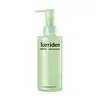 Key Ingredients
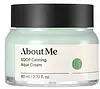
Benefits
Concerns
Ingredients Side-by-side
Water
Skin ConditioningGlycerin
Humectant



Sodium Cocoyl Alaninate
Lauryl Glucoside
CleansingLauryl Hydroxysultaine
CleansingCoco-Betaine
CleansingDisodium Cocoamphodiacetate
CleansingCentella Asiatica Extract
Cleansing


Madecassoside
Antioxidant
Asiaticoside
Antioxidant
Asiatic Acid
Skin ConditioningMadecassic Acid
Skin Conditioning
Panthenol
Skin Conditioning
Capryloyl Salicylic Acid
Exfoliating




Ceramide NP
Skin Conditioning
Allantoin
Skin Conditioning
Hamamelis Virginiana Extract
Antiseborrhoeic


Althaea Rosea Flower Extract
Skin ConditioningNymphaea Caerulea Flower Extract
Skin ConditioningSwertia Japonica Extract
Skin ConditioningLactobacillus Ferment
Skin Conditioning
Glycine Soja Seed Extract
Skin Conditioning
Quillaja Saponaria Bark Extract
CleansingAloe Ferox Leaf Extract
Skin ConditioningButylene Glycol
Humectant
Pentylene Glycol
Skin ConditioningHexylene Glycol
EmulsifyingCoco-Glucoside
CleansingSodium Chloride
Masking
Sodium Cocoyl Isethionate
CleansingCaprylyl Glycol
Emollient
Caprylic/Capric Triglyceride
Masking
Octanediol
Acrylates/C10-30 Alkyl Acrylate Crosspolymer
Emulsion StabilisingHydrogenated Lecithin
Emulsifying
Melia Azadirachta Leaf Extract
Skin ConditioningMelia Azadirachta Flower Extract
Skin ConditioningDipotassium Glycyrrhizate
Humectant
Citric Acid
Buffering

1,2-Hexanediol
Skin Conditioning
Rosmarinus Officinalis Leaf Oil
Masking
Ethylhexylglycerin
Skin ConditioningWater, Glycerin, Sodium Cocoyl Alaninate, Lauryl Glucoside, Lauryl Hydroxysultaine, Coco-Betaine, Disodium Cocoamphodiacetate, Centella Asiatica Extract, Madecassoside, Asiaticoside, Asiatic Acid, Madecassic Acid, Panthenol, Capryloyl Salicylic Acid, Ceramide NP, Allantoin, Hamamelis Virginiana Extract, Althaea Rosea Flower Extract, Nymphaea Caerulea Flower Extract, Swertia Japonica Extract, Lactobacillus Ferment, Glycine Soja Seed Extract, Quillaja Saponaria Bark Extract, Aloe Ferox Leaf Extract, Butylene Glycol, Pentylene Glycol, Hexylene Glycol, Coco-Glucoside, Sodium Chloride, Sodium Cocoyl Isethionate, Caprylyl Glycol, Caprylic/Capric Triglyceride, Octanediol, Acrylates/C10-30 Alkyl Acrylate Crosspolymer, Hydrogenated Lecithin, Melia Azadirachta Leaf Extract, Melia Azadirachta Flower Extract, Dipotassium Glycyrrhizate, Citric Acid, 1,2-Hexanediol, Rosmarinus Officinalis Leaf Oil, Ethylhexylglycerin
Chamaecyparis Obtusa Water
MaskingGlycerin
Humectant
Butylene Glycol
Humectant
Vinyldimethicone

1,2-Hexanediol
Skin Conditioning
Caprylyl Methicone
Skin Conditioning
Niacinamide
Smoothing
Pentylene Glycol
Skin ConditioningWater
Skin ConditioningChlorella Vulgaris Extract
Skin Conditioning
Salvia Officinalis Oil
Masking
Melia Azadirachta Leaf Extract
Skin ConditioningArtemisia Vulgaris Oil
Perfuming
Ocimum Basilicum Oil
Masking
Melia Azadirachta Flower Extract
Skin ConditioningSodium Hyaluronate
Humectant
Theobroma Cacao Seed Extract
Antioxidant
Borago Officinalis Extract
Emollient
Centaurea Cyanus Flower Extract
AstringentCentella Asiatica Leaf Extract
Skin Conditioning
Chamomilla Recutita Flower/Leaf Extract
AntimicrobialHyacinthus Orientalis Extract
Skin ConditioningLavandula Angustifolia Flower Water
Skin Conditioning
Salvia Sclarea Extract
AntiseborrhoeicHydrolyzed Vegetable Protein
Skin ConditioningMelaleuca Alternifolia Leaf Extract
Perfuming
Hydrogenated Polydecene
EmollientGlucose
Humectant
Ammonium Acryloyldimethyltaurate/Vp Copolymer
Hydroxyacetophenone
Antioxidant
Acrylates/C10-30 Alkyl Acrylate Crosspolymer
Emulsion StabilisingFructooligosaccharides
Humectant
Fructose
Humectant
Cetearyl Olivate

Dimethiconol
Emollient
Tromethamine
BufferingHydroxyethyl Acrylate/Sodium Acryloyldimethyl Taurate Copolymer
Emulsion StabilisingSorbitan Olivate
Emulsifying
Dipotassium Glycyrrhizate
Humectant
Ethylhexylglycerin
Skin ConditioningCitric Acid
Buffering
Sodium Phytate
Adenosine
Skin Conditioning
Sorbitan Isostearate
Emulsifying
Dextrin
AbsorbentAllantoin
Skin Conditioning
Maltodextrin
Absorbent
Carbomer
Emulsion StabilisingChamaecyparis Obtusa Water, Glycerin, Butylene Glycol, Vinyldimethicone, 1,2-Hexanediol, Caprylyl Methicone, Niacinamide, Pentylene Glycol, Water, Chlorella Vulgaris Extract, Salvia Officinalis Oil, Melia Azadirachta Leaf Extract, Artemisia Vulgaris Oil, Ocimum Basilicum Oil, Melia Azadirachta Flower Extract, Sodium Hyaluronate, Theobroma Cacao Seed Extract, Borago Officinalis Extract, Centaurea Cyanus Flower Extract, Centella Asiatica Leaf Extract, Chamomilla Recutita Flower/Leaf Extract, Hyacinthus Orientalis Extract, Lavandula Angustifolia Flower Water, Salvia Sclarea Extract, Hydrolyzed Vegetable Protein, Melaleuca Alternifolia Leaf Extract, Hydrogenated Polydecene, Glucose, Ammonium Acryloyldimethyltaurate/Vp Copolymer, Hydroxyacetophenone, Acrylates/C10-30 Alkyl Acrylate Crosspolymer, Fructooligosaccharides, Fructose, Cetearyl Olivate, Dimethiconol, Tromethamine, Hydroxyethyl Acrylate/Sodium Acryloyldimethyl Taurate Copolymer, Sorbitan Olivate, Dipotassium Glycyrrhizate, Ethylhexylglycerin, Citric Acid, Sodium Phytate, Adenosine, Sorbitan Isostearate, Dextrin, Allantoin, Maltodextrin, Carbomer
Reviews
Ingredients Explained
These ingredients are found in both products.
Ingredients higher up in an ingredient list are typically present in a larger amount.
1,2-Hexanediol is a synthetic liquid and another multi-functional powerhouse.
It is a:
- Humectant, drawing moisture into the skin
- Emollient, helping to soften skin
- Solvent, dispersing and stabilizing formulas
- Preservative booster, enhancing the antimicrobial activity of other preservatives
Acrylates/C10-30 Alkyl Acrylate Crosspolymer is a synthetic polymer. It is used to thicken and improve the texture of products. Due to its properties, it can prevent water and oil ingredients from separating.
Allantoin is a soothing ingredient known for its protective and moisturizingg properties. Because of this, it is often added to products with strong active ingredients.
Studies show higher concentrations of this ingredient can promote wound healing.
Though it can be derived from the comfrey plant, allantoin is produced synthetically for cosmetic products to ensure purity.
Learn more about AllantoinButylene Glycol (or BG) is used within cosmetic products for a few different reasons:
Overall, Butylene Glycol is a safe and well-rounded ingredient that works well with other ingredients.
Though this ingredient works well with most skin types, some people with sensitive skin may experience a reaction such as allergic rashes, closed comedones, or itchiness.
Learn more about Butylene GlycolCitric Acid is an alpha hydroxy acid (AHA) naturally found in citrus fruits like oranges, lemons, and limes.
Like other AHAs, citric acid can exfoliate skin by breaking down the bonds that hold dead skin cells together. This helps reveal smoother and brighter skin underneath.
However, this exfoliating effect only happens at high concentrations (20%) which can be hard to find in cosmetic products.
Due to this, citric acid is usually included in small amounts as a pH adjuster. This helps keep products slightly more acidic and compatible with skin's natural pH.
In skincare formulas, citric acid can:
While it can provide some skin benefits, research shows lactic acid and glycolic acid are generally more effective and less irritating exfoliants.
Most citric acid used in skincare today is made by fermenting sugars (usually from molasses). This synthetic version is identical to the natural citrus form but easier to stabilize and use in formulations.
Read more about some other popular AHA's here:
Learn more about Citric AcidDipotassium Glycyrrhizate comes from licorice root.
Extracts of licorice have demonstrated to have antibacterial, anti‐inflammatory, antiviral, antioxidant properties.
One component, glabridin, has extra potent antioxidant and soothing properties. It has also been found to block pigmentation from UVB rays in guinea pigs.
Licorice Root also contains a flavonoid. Flavonoids are a natural substance from in plants. Flavonoids also have antioxidant properties.
Another component, glycyrrhizin, has been found to have anti-inflammatory and antimicrobial benefits. This may make licorice root extract effective at treating acne. However, more research is needed to support this.
Liquiritin is one of the flavone compounds found in licorice. It has been found to help lighten skin by preventing tyrosinase from reacting with tyrosine. When the two react, protein is converted to melanin. Melanin is the substance in your body that gives your features pigmentation.
Licorice root is native to Southern Europe and Asia. It has been used in traditional Chinese medicine to help with respiratory issues.
Learn more about Dipotassium GlycyrrhizateEthylhexylglycerin (we can't pronounce this either) is commonly used as a preservative and skin softener. It is derived from glyceryl.
You might see Ethylhexylglycerin often paired with other preservatives such as phenoxyethanol. Ethylhexylglycerin has been found to increase the effectiveness of these other preservatives.
Glycerin is already naturally found in your skin. It helps moisturize and protect your skin.
A study from 2016 found glycerin to be more effective as a humectant than AHAs and hyaluronic acid.
As a humectant, it helps the skin stay hydrated by pulling moisture to your skin. The low molecular weight of glycerin allows it to pull moisture into the deeper layers of your skin.
Hydrated skin improves your skin barrier; Your skin barrier helps protect against irritants and bacteria.
Glycerin has also been found to have antimicrobial and antiviral properties. Due to these properties, glycerin is often used in wound and burn treatments.
In cosmetics, glycerin is usually derived from plants such as soybean or palm. However, it can also be sourced from animals, such as tallow or animal fat.
This ingredient is organic, colorless, odorless, and non-toxic.
Glycerin is the name for this ingredient in American English. British English uses Glycerol/Glycerine.
Learn more about GlycerinMelia Azadirachta Flower Extract is from the Neem tree. Neem trees originate from India.
Melia Azadirachta Flower Extract contains antioxidants. Antioxidants help fight free-radicals. Free-radicals are molecules that may damage your skin cells, such as pollution.
The flowers of this tree are lilac colored.
Learn more about Melia Azadirachta Flower ExtractMelia Azadirachta Leaf Extract is extract from the neem plant.
The leaves of this tree contain flavonoids and polyphenols. These two compounds are antioxidants, anti-inflammatory, and antibacterial. Further research is needed as to their effects when applied on skin.
Pentylene glycol is typically used within a product to thicken it. It also adds a smooth, soft, and moisturizing feel to the product. It is naturally found in plants such as sugar beets.
The hydrophilic trait of Pentylene Glycol makes it a humectant. As a humectant, Pentylene Glycol helps draw moisture from the air to your skin. This can help keep your skin hydrated.
This property also makes Pentylene Glycol a great texture enhancer. It can also help thicken or stabilize a product.
Pentylene Glycol also acts as a mild preservative and helps to keep a product microbe-free.
Some people may experience mild eye and skin irritation from Pentylene Glycol. We always recommend speaking with a professional about using this ingredient in your routine.
Pentylene Glycol has a low molecular weight and is part of the 1,2-glycol family.
Learn more about Pentylene GlycolWater. It's the most common cosmetic ingredient of all. You'll usually see it at the top of ingredient lists, meaning that it makes up the largest part of the product.
So why is it so popular? Water most often acts as a solvent - this means that it helps dissolve other ingredients into the formulation.
You'll also recognize water as that liquid we all need to stay alive. If you see this, drink a glass of water. Stay hydrated!
Learn more about Water
