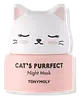
This barrier-repair overnight mask is formulated around Niacinamide and Adenosine to strengthen the skin barrier.
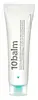
This barrier-repair moisturizer is formulated around Glycine Soja Oil and Simmondsia Chinensis Seed Oil to strengthen the skin barrier and hydrate skin.


What's inside
What's inside
 Key Ingredients
Benefits
Concerns
Ingredients Side-by-side
Water
Skin ConditioningButylene Glycol
Humectant

Glycerin
Humectant
Dimethicone
Emollient
Niacinamide
Smoothing









Hydrogenated Poly(C6-14 Olefin)
EmollientErythritol
Humectant
Cetyl Ethylhexanoate
EmollientPrunus Armeniaca Kernel Oil
Masking




Sorbitan Stearate
Emulsifying
Dimethicone/Vinyl Dimethicone Crosspolymer
Skin Conditioning
Polysorbate 60
Emulsifying
Glyceryl Stearate
Emollient
PEG-100 Stearate
Surfactant
Hydroxyacetophenone
Antioxidant
Acrylates/C10-30 Alkyl Acrylate Crosspolymer
Emulsion StabilisingSodium Polyacrylate Starch
AbsorbentCetearyl Stearate
Skin Conditioning
Ethylhexylglycerin
Skin ConditioningOlea Europaea Fruit Oil
Masking
Polyglyceryl-10 Myristate
Skin Conditioning
Allantoin
Skin Conditioning
Adenosine
Skin Conditioning
Disodium EDTA
ChelatingCymbopogon Martini Oil
Masking
Citrus Aurantium Bergamia Fruit Oil
Masking

Centella Asiatica Extract
Cleansing
1,2-Hexanediol
Skin Conditioning
Pelargonium Graveolens Flower Oil
Masking
Portulaca Oleracea Extract
Skin Conditioning
Eucalyptus Globulus Leaf Oil
Perfuming
Chamomilla Recutita Flower Extract
Masking
Vitex Agnus Castus Extract
AstringentCitrus Aurantium Dulcis Peel Oil
Masking
Arctium Lappa Root Extract
Skin Conditioning
Phellinus Linteus Extract
Skin ConditioningMichelia Alba Flower Oil
Masking
Arginine
Masking
Carbomer
Emulsion StabilisingLonicera Japonica Flower Extract
Skin ConditioningPropolis Extract
Skin Conditioning
Royal Jelly Extract
Skin Conditioning
Scutellaria Baicalensis Root Extract
Astringent
Silk Amino Acids
HumectantSodium Hyaluronate
Humectant
Glyceryl Glucoside
Humectant
Caprylic/Capric Triglyceride
Masking
Hydrogenated Lecithin
Emulsifying
Ceramide NP
Skin Conditioning
Water, Butylene Glycol, Glycerin, Dimethicone, Niacinamide, Hydrogenated Poly(C6-14 Olefin), Erythritol, Cetyl Ethylhexanoate, Prunus Armeniaca Kernel Oil, Sorbitan Stearate, Dimethicone/Vinyl Dimethicone Crosspolymer, Polysorbate 60, Glyceryl Stearate, PEG-100 Stearate, Hydroxyacetophenone, Acrylates/C10-30 Alkyl Acrylate Crosspolymer, Sodium Polyacrylate Starch, Cetearyl Stearate, Ethylhexylglycerin, Olea Europaea Fruit Oil, Polyglyceryl-10 Myristate, Allantoin, Adenosine, Disodium EDTA, Cymbopogon Martini Oil, Citrus Aurantium Bergamia Fruit Oil, Centella Asiatica Extract, 1,2-Hexanediol, Pelargonium Graveolens Flower Oil, Portulaca Oleracea Extract, Eucalyptus Globulus Leaf Oil, Chamomilla Recutita Flower Extract, Vitex Agnus Castus Extract, Citrus Aurantium Dulcis Peel Oil, Arctium Lappa Root Extract, Phellinus Linteus Extract, Michelia Alba Flower Oil, Arginine, Carbomer, Lonicera Japonica Flower Extract, Propolis Extract, Royal Jelly Extract, Scutellaria Baicalensis Root Extract, Silk Amino Acids, Sodium Hyaluronate, Glyceryl Glucoside, Caprylic/Capric Triglyceride, Hydrogenated Lecithin, Ceramide NP
Water
Skin ConditioningGlycerin
Humectant
Glycine Soja Oil
Emollient
Simmondsia Chinensis Seed Oil
Emollient
Caprylic/Capric Triglyceride
Masking
Cetearyl Olivate
Sorbitan Olivate
Emulsifying
Adansonia Digitata Seed Oil
Emollient
Cetyl Alcohol
Emollient
Dimethicone
Emollient
Myristyl Alcohol
Emollient
Cetyl Palmitate
Emollient
Honey Extract
Humectant
Mauritia Flexuosa Fruit Oil
Skin Conditioning
Sorbitan Palmitate
Emulsifying
Pollen Extract
EmollientPropolis Extract
Skin Conditioning
Royal Jelly Extract
Skin Conditioning
Myristyl Glucoside
CleansingXanthan Gum
EmulsifyingAllantoin
Skin Conditioning
Bisabolol
Antioxidant
Arnica Montana Flower Extract
Masking
PEG-40 Hydrogenated Castor Oil
Emulsifying
Disodium EDTA
ChelatingTocopherol
Antioxidant
Glucose
Humectant
Caprylyl Glycol
Emollient
Phenoxyethanol
Preservative
Water, Glycerin, Glycine Soja Oil, Simmondsia Chinensis Seed Oil, Caprylic/Capric Triglyceride, Cetearyl Olivate, Sorbitan Olivate, Adansonia Digitata Seed Oil, Cetyl Alcohol, Dimethicone, Myristyl Alcohol, Cetyl Palmitate, Honey Extract, Mauritia Flexuosa Fruit Oil, Sorbitan Palmitate, Pollen Extract, Propolis Extract, Royal Jelly Extract, Myristyl Glucoside, Xanthan Gum, Allantoin, Bisabolol, Arnica Montana Flower Extract, PEG-40 Hydrogenated Castor Oil, Disodium EDTA, Tocopherol, Glucose, Caprylyl Glycol, Phenoxyethanol
Reviews
Ingredients Explained
These ingredients are found in both products.
Ingredients higher up in an ingredient list are typically present in a larger amount.
Allantoin is a soothing ingredient known for its protective and moisturizing properties; it's basically a quiet workhorse ingredient you can find in a huge range of cosmetics.
Though it can be derived from the comfrey plant, allantoin is produced synthetically for cosmetic products to ensure purity.
Research shows it can encourage your skin cells to turn over and renew by stimulating keratinocyte and fibroblast proliferation.
It also has mild keratolytic properties to help loosen and shed dead skin cells without being harsh.
Studies also suggest allantoin can help calm inflammation by dialing down some of the chemical signals your skin sends out when it is irritated.
This ingredient is typically used in the 0.1-0.5% range, and the FDA recognizes it as a skin protectant in OTC products up to 2%.
Overall, allantoin is a wonderful addition to most routines; it is stable across a wide pH range (~4-8), works well with other ingredients, and is considered non-sensitizing/non-irritating.
Fun fact: Allantoin is naturally occurring in comfrey root, beets, chamomile, and wheat sprouts. Our bodies even produce it as a byproduct of uric acid metabolism.
Learn more about AllantoinCaprylic/Capric Triglyceride (aka MCT Oil) is a lightweight emollient, solvent, and texture enhancer. It is considered a skin-softener by helping to prevent moisture loss.
Though it behaves like an oil, it is not technically one due to its chemical composition. One perk of this ingredient is that it is very stable, resistant to oxidation, and unlikely to go rancid.
In practice, that translates to a long shelf life and a consistently elegant skin feel.
While there is an assumption Caprylic Triglyceride can clog pores due to it being derived from coconut oil, there is no research supporting this. Just patch test if you have concerns.
Fractionated coconut oil and MCT Oil are both listed as Caprylic/Capric Triglyceride according to INCI. This is because INCI names are based on the ingredient’s final chemical composition and not its marketing name or source.
This ingredient is treated as the gold standard fungal acne safe oil. Even though it is coconut derived, the problematic lauric acid is stripped out.
This leaves just caprylic (C8) and capric (C10) acid. These chain lengths actually trend antifungal; a 2020 study found caprylic acid was enough to disrupt Malassezia furfur cell membrane, with a caprylic acid derivative damaging membrane structures at concentrations as low as 0.2%.
Learn more about Caprylic/Capric TriglycerideDimethicone is a type of synthetic silicone created from natural materials such as quartz. It is also known as polydimethylsiloxane.
What it does:
Dimethicone comes in different viscosities:
Depending on the viscosity, dimethicone has different properties.
Ingredients lists don't always show which type is used, so we recommend reaching out to the brand if you have questions about the viscosity.
This ingredient is unlikely to cause irritation because it does not get absorbed into skin. However, people with silicone allergies should be careful about using this ingredient.
Note: Dimethicone may contribute to pilling. This is because it is not oil or water soluble, so pilling may occur when layered with products. When mixed with heavy oils in a formula, the outcome is also quite greasy.
Learn more about DimethiconeDisodium EDTA is a chelating agent. It grabs onto and deactivates metal ions that sneak into your products from water, packaging, or air.
This ingredient mainly works behind the scenes and helps with:
On top of that, this ingredient can counteract the effects of hard water by binding to the minerals in it.
One thing worth knowing is that Disodium EDTA has been shown to be a mild penetration enhancer. It can help other ingredients absorb into skin more effectively which can be a double-edged sword (great for actives, but can also make the active too strong if you have sensitive skin).
Clinical patch testing showed no significant skin irritation at typical use concentrations and minimal dermal absorption.
You'll most likely see this ingredient near the end of an ingredient list. It's typically found in concentrations less than 1%.
Learn more about Disodium EDTAGlycerin (or glycerol) is a compound naturally found in your skin. It's a powerhouse humectant that pulls water into the stratum corneum.
Topically, glycerin does several things at once:
Your skin makes glycerin on its own (mostly from sebaceous oil breakdown) and shuttles it to your outermost layer of skin, or your epidermis, via aquaporin-3.
Aquaporin-3 is a transporter that is essential for normal skin hydration, elasticity, and repair. Interestingly, mice lacking in AQP3 have dry and less elastic skin that can be fully corrected with glycerin.
This ingredient is non-irritating, plays well with almost every ingredient, and works across all skin types. Typical use is anywhere between 3-10% but can go up to 79% in some leave-on products.
Just know very high concentrations (>40%) can feel tacky in low humidity.
Glycerin is the name for this ingredient in American English. British English uses Glycerol/Glycerine.
Learn more about GlycerinPropolis Extract is a natural ingredient derived from propolis (also known as bee glue). Bees make propolis by mixing their saliva and beeswax with resins collected from tree buds and plants.
This ingredient is packed with bioactive compounds like flavonoids, phenolic acids, and amino acids that give it antioxidant and anti-inflammatory properties.
Research shows it can help:
It also pairs nicely with hydrating ingredients like niacinamide and ceramides.
Just so you know, Propolis Extract is recognized as a contact allergen. In patch tests done in the EU, roughly 1-6% of patients react to it. Be sure to steer clear of this ingredient if you have a known allergy to bee products.
Since it is an animal-derived product, this ingredient is not considered vegan. For vegan alternatives, check out Galactomyces Ferment Filtrate or Centella Asiatica Extract.
Learn more about Propolis ExtractRoyal Jelly Extract comes from a secretion made by worker honeybees. This secretion is white and described as creamy.
This compound has antibacterial, anti-aging, and anti-inflammatory properties.
Studies show Royal Jelly to contain amino acids, fatty acids, and a variety of vitamins, including Vitamin Bs. Many of these components are antioxidants, which help with anti-aging. The fatty acids in Royal Jelly make it a hydrating ingredient.
Several animal studies show Royal Jelly to boost collagen production and reduce inflammation.
The Vitamin Bs found in Royal Jelly include:
Royal Jelly is derived from honeybees. This means it is not vegan.
Learn more about Royal Jelly ExtractWater. It's the most common cosmetic ingredient of all. You'll usually see it at the top of ingredient lists, meaning that it makes up the largest part of the product.
So why is it so popular? Water most often acts as a solvent - this means that it helps dissolve other ingredients into the formulation.
You'll also recognize water as that liquid we all need to stay alive. If you see this, drink a glass of water. Remember to stay hydrated!
Learn more about Water

