

What's inside
What's inside
 Key Ingredients
No key ingredients
Benefits
Concerns
Ingredients Side-by-side
Water
Skin ConditioningCetearyl Alcohol
Emollient






Cetyl Alcohol
Emollient
Behentrimonium Chloride
Preservative
Glycerin
Humectant


Dimethicone
Emollient
Stearamidopropyl Dimethylamine
EmulsifyingPropanediol
Solvent
Polysorbate 60
Emulsifying
Butyrospermum Parkii Butter
Skin Conditioning
Stearyl Alcohol
Emollient
Cetyl Esters
Emollient
Isopropyl Alcohol
Solvent


Amodimethicone
Trideceth-12
EmulsifyingCetrimonium Chloride
Antimicrobial
Hydrogenated Ethylhexyl Olivate
EmollientHydrogenated Olive Oil Unsaponifiables
Emollient
Argania Spinosa Kernel Oil
Emollient


Calophyllum Inophyllum Seed Oil
Antimicrobial

Prunus Amygdalus Dulcis Oil
Skin Conditioning
Mentha Piperita Oil
Masking


Rosa Canina Fruit Oil
Emollient
Guar Hydroxypropyltrimonium Chloride
Skin ConditioningHydrolyzed Rice Protein
Skin ConditioningHydrolyzed Collagen
Emollient
Quaternium-95
UV AbsorberKeratin
Skin ConditioningHydrolyzed Keratin
Humectant
Hydrolyzed Vegetable Protein Pg-Propyl Silanetriol
Skin ConditioningPropylene Glycol
Humectant
Gleditsia Australis Seed Extract
Lamium Album Flower Extract
AstringentPanax Ginseng Root Extract
Emollient
Pogostemon Cablin Leaf Oil
Masking
Rosmarinus Officinalis Leaf Oil
Masking
Citrus Limon Peel Oil
Masking
Cupressus Sempervirens Oil
Masking
Phenoxyethanol
Preservative
Ethylhexylglycerin
Skin ConditioningCaprylyl Glycol
Emollient
Panthenol
Skin Conditioning
Disodium EDTA
ChelatingCitric Acid
Buffering

Parfum 100%
Masking
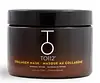
Water, Cetearyl Alcohol, Cetyl Alcohol, Behentrimonium Chloride, Glycerin, Dimethicone, Stearamidopropyl Dimethylamine, Propanediol, Polysorbate 60, Butyrospermum Parkii Butter, Stearyl Alcohol, Cetyl Esters, Isopropyl Alcohol, Amodimethicone, Trideceth-12, Cetrimonium Chloride, Hydrogenated Ethylhexyl Olivate, Hydrogenated Olive Oil Unsaponifiables, Argania Spinosa Kernel Oil, Calophyllum Inophyllum Seed Oil, Prunus Amygdalus Dulcis Oil, Mentha Piperita Oil, Rosa Canina Fruit Oil, Guar Hydroxypropyltrimonium Chloride, Hydrolyzed Rice Protein, Hydrolyzed Collagen, Quaternium-95, Keratin, Hydrolyzed Keratin, Hydrolyzed Vegetable Protein Pg-Propyl Silanetriol, Propylene Glycol, Gleditsia Australis Seed Extract, Lamium Album Flower Extract, Panax Ginseng Root Extract, Pogostemon Cablin Leaf Oil, Rosmarinus Officinalis Leaf Oil, Citrus Limon Peel Oil, Cupressus Sempervirens Oil, Phenoxyethanol, Ethylhexylglycerin, Caprylyl Glycol, Panthenol, Disodium EDTA, Citric Acid, Parfum 100%
Water
Skin ConditioningCetyl Alcohol
Emollient
Brassica Alcohol
Emollient
Propanediol
Solvent
Stearyl Alcohol
Emollient
Cetearyl Alcohol
Emollient
Persea Gratissima Oil
Skin Conditioning
Prunus Amygdalus Dulcis Oil
Skin Conditioning
Rosa Canina Fruit Oil
Emollient
Argania Spinosa Kernel Oil
Emollient
Aloe Barbadensis Leaf Juice
Skin Conditioning
Panthenol
Skin Conditioning
Leuconostoc/Radish Root Ferment Filtrate
Antimicrobial
Biotin
AntiseborrhoeicHydrolyzed Corn Protein
Skin ConditioningHydrolyzed Wheat Protein
Skin ConditioningHydrolyzed Soy Protein
Humectant
Panax Ginseng Root Extract
Emollient
Calendula Officinalis Flower Extract
Masking
Laurus Nobilis Leaf Extract
MaskingPalmaria Palmata Extract
Skin Protecting
Santalum Album Oil
Masking
Amyris Balsamifera Bark Oil
Masking
Pogostemon Cablin Leaf Oil
Masking
Elettaria Cardamomum Seed Oil
Masking
Ferula Galbaniflua Resin Oil
Antimicrobial
Guar Hydroxypropyltrimonium Chloride
Skin ConditioningCetyl Esters
Emollient
Isododecane
EmollientCetrimonium Chloride
Antimicrobial
Behentrimonium Methosulfate
SurfactantBrassicyl Isoleucinate Esylate
Emulsion StabilisingCitric Acid
Buffering
Isopropyl Myristate
Emollient
Butylene Glycol
Humectant
Glycerin
Humectant
Parfum
Masking
Sodium Hydroxide
BufferingDehydroacetic Acid
Preservative
Benzyl Alcohol
Perfuming
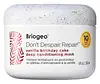
Water, Cetyl Alcohol, Brassica Alcohol, Propanediol, Stearyl Alcohol, Cetearyl Alcohol, Persea Gratissima Oil, Prunus Amygdalus Dulcis Oil, Rosa Canina Fruit Oil, Argania Spinosa Kernel Oil, Aloe Barbadensis Leaf Juice, Panthenol, Leuconostoc/Radish Root Ferment Filtrate, Biotin, Hydrolyzed Corn Protein, Hydrolyzed Wheat Protein, Hydrolyzed Soy Protein, Panax Ginseng Root Extract, Calendula Officinalis Flower Extract, Laurus Nobilis Leaf Extract, Palmaria Palmata Extract, Santalum Album Oil, Amyris Balsamifera Bark Oil, Pogostemon Cablin Leaf Oil, Elettaria Cardamomum Seed Oil, Ferula Galbaniflua Resin Oil, Guar Hydroxypropyltrimonium Chloride, Cetyl Esters, Isododecane, Cetrimonium Chloride, Behentrimonium Methosulfate, Brassicyl Isoleucinate Esylate, Citric Acid, Isopropyl Myristate, Butylene Glycol, Glycerin, Parfum, Sodium Hydroxide, Dehydroacetic Acid, Benzyl Alcohol
Ingredients Explained
These ingredients are found in both products.
Ingredients higher up in an ingredient list are typically present in a larger amount.
You may know this ingredient as argan oil. It has emollient and skin conditioning properties that help soften skin and reinforce the lipid barrier.
The fatty acid profile of argan oil is roughly 45-55% oleic acid, 28-36% linoleic acid, 10-15% palmitic acid, and 5-7% stearic acid. It also contains vitamin E, sterols, squalene, and polyphenols like ferulic acid.
Two clinical studies in postmenopausal women found that applying argan oil for 60 days significantly improved skin elasticity and moisturization (reduced transepidermal water loss and increased epidermal water content).
Since it is high in oleic and linoleic acid, this ingredient may not be fungal acne safe. Both of these fall in the C11-C24 range that Malassezia yeast can metabolize.
Learn more about Argania Spinosa Kernel OilCetearyl alcohol is a waxy mixture of two fatty alcohols: cetyl alcohol and stearyl alcohol. It is an emollient and emulsifier.
Despite having "alcohol" in its name, it has nothing to do with drying solvent alcohols; the FDA also allows "alcohol-free" products to contain fatty alcohols like this ingredient.
It plays several roles in a formula:
Typical use levels for this ingredient sit around 1-10% and the Cosmetic Ingredient Review Expert Panel has affirmed safety at concentrations up to 25% in leave-on products.
Multiple assessments have found it to be non-irritating and non-sensitizing to most people.
However, there have been some cases of allergic contact dermatitis in patients with chronically compromised skin barriers.
Cetearyl alcohol has a comedogenic rating of 2 and irritancy rating of 1. Both of these numbers come from the 1989 study that used rabbit ears; a "2" means mildly comedogenic and a "1" means low irritancy.
Here's the catch: rabbit skin is more sensitive than human skin and throws a lot of false positives. A 1996 reappraisal found that ingredients rated 1-2 in the rabbit ear tests are generally safe for humans.
Remember comedogenic ratings are unable to assess the entire formula of a product or how it will react on your skin. Just be sure to patch test if you are unsure about certain ingredients.
This ingredient is not fungal acne safe. Cetearyl alcohol is a fatty alcohol with chain lengths that fall within the range that Malassezia can metabolize.
A 2019 study has also observed Malassezia growth in the presence of this ingredient, confirming it to be not-fungal acne safe.
Learn more about Cetearyl AlcoholThis ingredient is a preservative, antimicrobial, and emulsifier. It is often used in cosmetics for its ability to cleanse, condition, and reduce static.
Cetrimonium chloride is a quaternary ammonium salt, meaning it has a water-soluble structure.
Cetyl Alcohol is a fatty alcohol. Fatty Alcohols are most often used as an emollient or to thicken a product.
Its main roles are:
Though it has "alcohol" in the name, it is not related to denatured alcohol or ethyl alcohol.
The FDA allows products labeled "alcohol-free" to have fatty alcohols.
This ingredient may not be fungal acne safe. It is a primary fatty alcohol with a chain length above 12 carbons. A study from 2019 show Malassezia can feed on fatty alcohols in this range, so it may trigger fungal acne in those prone to it.
Learn more about Cetyl AlcoholCetyl Esters is an emollient with an interesting backstory: it's a synthetic wax originally designed to be a copy of spermaceti, a waxy material that used to be harvested from whales.
This ingredient delivers the same "velvety" feel without anything animal-derived (usually made from coconut or palm-sourced fatty alcohols/acids).
Chemically, it's a blend of esters from 14-18 fatty acids and alcohols that is a solid at room temperature but melts on contact with skin. It helps soften and smooth the skin while improving the feel and spread of products.
Typical use concentrations range from 1-10% (most commonly 2-5%).
The CIR Expert Panel has concluded it's safe as used and has shown no skin irritation in available studies.
Because it's a blend of fatty acid esters in the chain-length range that Malassezia can feed on, it may not be fungal acne safe.
Learn more about Cetyl EstersCitric Acid is an alpha hydroxy acid (AHA) naturally found in citrus fruits like oranges, lemons, and limes.
Like other AHAs, citric acid can exfoliate skin by breaking down the bonds that hold dead skin cells together. This helps reveal smoother and brighter skin underneath.
However, this exfoliating effect only happens at high concentrations (20%) which can be hard to find in cosmetic products.
Due to this, citric acid is usually included in small amounts as a pH adjuster. This helps keep products slightly more acidic and compatible with skin's natural pH.
In skincare formulas, citric acid can:
While it can provide some skin benefits, research shows lactic acid and glycolic acid are generally more effective and less irritating exfoliants.
Most citric acid used in skincare today is made by fermenting sugars (usually from molasses). This synthetic version is identical to the natural citrus form but easier to stabilize and use in formulations.
Rosacea skin has a lower threshold for acids generally, with 62.5% of rosacea subjects in one study reacting to lactic acid in a sting test. This is why we mark citric acid as a potential rosacea trigger.
However, this ingredient shows up as a pH adjuster or chelator at roughly 0.1-1% in many products. These low levels are unlikely to be an issue for rosacea skin and becomes a potential trigger at exfoliating concentrations (20%). Because everybody's skin is unique, we recommend a patch test if you are unsure.
Learn more about Citric AcidGlycerin (or glycerol) is a compound naturally found in your skin. It's a powerhouse humectant that pulls water into the stratum corneum.
Topically, glycerin does several things at once:
Your skin makes glycerin on its own (mostly from sebaceous oil breakdown) and shuttles it to your outermost layer of skin, or your epidermis, via aquaporin-3.
Aquaporin-3 is a transporter that is essential for normal skin hydration, elasticity, and repair. Interestingly, mice lacking in AQP3 have dry and less elastic skin that can be fully corrected with glycerin.
This ingredient is non-irritating, plays well with almost every ingredient, and works across all skin types. Typical use is anywhere between 3-10% but can go up to 79% in some leave-on products.
Just know very high concentrations (>40%) can feel tacky in low humidity.
Glycerin is the name for this ingredient in American English. British English uses Glycerol/Glycerine.
Learn more about GlycerinThis ingredient is derived from guar gum. It is a skin conditioning agent that creates a thin, breathable film to reduce water loss during cleansing.
This leaves the skin feeling soft rather than stripped and also contributes to a creamier lather.
Due to the large molecule size, this ingredient is unlikely to penetrate skin.
Learn more about Guar Hydroxypropyltrimonium ChlorideGinseng root is a well-loved ingredient in Asian skincare for good reason. It hydrates the skin, soothes irritation, and helps even out skin tone.
In traditional East Asian medicine, ginseng has been used for centuries both as food and as a healing remedy, and modern research continues to confirm its skin benefits.
One of the standout features of ginseng is its ability to improve blood circulation and oxygen delivery to the skin, bringing a fresh supply of nutrients to support overall skin health. It also has antioxidant and anti-inflammatory properties. This helps to protect your skin against damage from UV exposure, pollution, and daily stress.
Additionally, studies suggest that ginseng may help reduce hyperpigmentation by inhibiting tyrosinase, the enzyme involved in melanin production.
There are different types of ginseng used in skincare, and while they all share core benefits, their potency can vary.
Most products use fresh or white ginseng because it’s more affordable. However, red ginseng, produced by steaming the root, contains higher levels of ginsenosides, which are compounds with proven anti-aging effects. These ginsenosides help reduce the appearance of wrinkles and improve skin elasticity.
Note: All forms of ginseng are listed simply as “Panax ginseng” in ingredient lists. We recommend reaching out to the brand if you have questions about which type of ginseng is used in their ingredients.
For general antioxidant benefits, any ginseng extract will do, but for wrinkle care or firmer skin, red or fermented ginseng is often more effective.
In short, ginseng is a powerhouse ingredient that supports hydration, radiance, and resilience.
Learn more about Panax Ginseng Root ExtractPanthenol is a common ingredient that helps hydrate and soothe the skin. It is found naturally in our skin and hair.
There are two forms of panthenol: D and L.
D-panthenol is also known as dexpanthenol. Most cosmetics use dexpanthenol or a mixture of D and L-panthenol.
Panthenol is famous due to its ability to go deeper into the skin's layers. Using this ingredient has numerous pros (and no cons):
Like hyaluronic acid, panthenol is a humectant. Humectants are able to bind and hold large amounts of water to keep skin hydrated.
This ingredient works well for wound healing. It works by increasing tissue in the wound and helps close open wounds.
Once oxidized, panthenol converts to pantothenic acid. Panthothenic acid is found in all living cells.
This ingredient is also referred to as pro-vitamin B5.
Learn more about PanthenolParfum is a catch-all term for an ingredient or more that is used to give a scent to products.
Also called "fragrance", this ingredient can be a blend of hundreds of chemicals or plant oils. This means every product with "fragrance" or "parfum" in the ingredients list is a different mixture.
For instance, Habanolide is a proprietary trade name for a specific aroma chemical. When used as a fragrance ingredient in cosmetics, most aroma chemicals fall under the broad labeling category of “FRAGRANCE” or “PARFUM” according to EU and US regulations.
The term 'parfum' or 'fragrance' is not regulated in many countries. In many cases, it is up to the brand to define this term.
For instance, many brands choose to label themselves as "fragrance-free" because they are not using synthetic fragrances. However, their products may still contain ingredients such as essential oils that are considered a fragrance by INCI standards.
One example is Calendula flower extract. Calendula is an essential oil that still imparts a scent or 'fragrance'.
Depending on the blend, the ingredients in the mixture can cause allergies and sensitivities on the skin. Some ingredients that are known EU allergens include linalool and citronellol.
Parfum can also be used to mask or cover an unpleasant scent.
The bottom line is: not all fragrances/parfum/ingredients are created equally. If you are worried about fragrances, we recommend taking a closer look at an ingredient. And of course, we always recommend speaking with a professional.
Learn more about ParfumThis ingredient is also known as Patchouli oil. Its main role is to add a warm, earthy, and musky scent to products.
Patchouli exhibits slight antioxidant, antibacterial and antifungal activity from its patchoulol, beta-caryophyllene, pogostone content.
Like all essential oils, this ingredient is a known sensitizer at higher concentrations. This is because this oil also contains known skin-irritating fragrances, limonene and camphor. Limonene and camphor are both known EU allergens.
While patchouli oil holds FDA GRAS ("generally recognized as safe") status, it is typically used at low levels and subject to usage guidelines.
Those with sensitive skin should patch test before using.
Learn more about Pogostemon Cablin Leaf OilPropanediol is an all-star ingredient. It softens, hydrates, and smooths the skin.
It’s often used to:
Propanediol is not likely to cause sensitivity and considered safe to use. It is derived from corn or petroleum with a clear color and no scent.
Learn more about PropanediolThis ingredient is also known as sweet almond oil. It is a lightweight, cold-pressed oil from the ripe seeds of the sweet almond tree.
Sweet almond oil is rich in skin-nourishing fatty acids such as oleic acid (55-86%) and linolenic acid (7-35%).
As an emollient, it softens and hydrates skin by forming a thin barrier that locks in moisture.
Clinical studies have found it to be non-irritating and non-sensitizing. The CIR Expert Panel has evaluated the available safety data and concluded it is safe for topical use.
Because of the oleic acid content, this ingredient may not be fungal acne safe.
This ingredient does have a comedogenic rating of 3, but this doesn't mean a formula with this ingredient will clog pores.
Human testing has proved that any finished product with a comedogenic ingredient won't automatically make you break out; it really comes down to concentration, formula, and your skin.
Learn more about Prunus Amygdalus Dulcis OilRosa Canina Fruit Oil is a non-fragrant plant oil that has earned its skincare reputation through chemistry.
It's dominated by fatty acids like linoleic acid (~35-55%), alpha-linolenic acid (~17-27%), and oleic acid (~14-22%). This is the exact profile that supports skin barrier, locks in hydration, and calms inflammation.
A 2024 review found evidence for the Rosa canina species supports its use for scarring, hyperpigmentation, wrinkles, and atopic dermatitis; this was mostly credited to its vitamin C content and fatty acid composition as the primary active mechanisms.
You might see this ingredient marketed as a "natural retinol". Some rosehip seed oils contains traces of all-trans-retinoic acid but these trace amounts are far below biologically active levels.
The Cosmetic Ingredient Review Panel has deemed this ingredient safe and it's well-tolerated.
Fungal acne: The fatty acids of this oil fall into the C11-24 range that Malassezia yeast can metabolize, so this ingredient may not be fungal acne safe.
Learn more about Rosa Canina Fruit OilStearyl Alcohol is a type of fatty alcohol from stearic acid. It is a white, waxy compound used to emulsify ingredients used as an emollient or to thicken a product.
Emollients help soothe and hydrate the skin by trapping moisture.
Fatty alcohols are usually derived from natural fats and oils and therefore do not have the same drying or irritating effect as solvent (ethanol) alcohols.
The FDA allows products labeled "alcohol-free" to have fatty alcohols.
This ingredient may not be fungal acne safe. It is a primary fatty alcohol with a chain length above 12 carbons. A study from 2019 show Malassezia can feed on fatty alcohols in this range, so it may trigger fungal acne in those prone to it.
Learn more about Stearyl AlcoholWater. It's the most common cosmetic ingredient of all. You'll usually see it at the top of ingredient lists, meaning that it makes up the largest part of the product.
So why is it so popular? Water most often acts as a solvent - this means that it helps dissolve other ingredients into the formulation.
You'll also recognize water as that liquid we all need to stay alive. If you see this, drink a glass of water. Remember to stay hydrated!
Learn more about Water

