
What's inside
What's inside
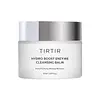 Key Ingredients
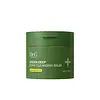
Benefits
Concerns
Ingredients Side-by-side
Ethylhexyl Palmitate
Emollient


PEG-20 Glyceryl Triisostearate
Emollient
Cetyl Ethylhexanoate
EmollientPEG-10 Isostearate
Emulsifying
Synthetic Wax
Abrasive
Oryza Sativa Bran Oil
Emollient



Caprylyl Glycol
Emollient
Tocopheryl Acetate
Antioxidant

Camellia Sinensis Seed Oil
Humectant
Camellia Japonica Seed Oil
Emollient
Squalane
Emollient
Simmondsia Chinensis Seed Oil
Emollient
Ethylhexylglycerin
Skin ConditioningWater
Skin ConditioningNiacinamide
Smoothing






Allantoin
Skin Conditioning
Panthenol
Skin Conditioning
Camellia Sinensis Leaf Extract
Antimicrobial
Butylene Glycol
Humectant
Tocopherol
Antioxidant
1,2-Hexanediol
Skin Conditioning
Hamamelis Virginiana Extract
Antiseborrhoeic


Bifida Ferment Filtrate
Skin Conditioning
Bifida Ferment Lysate
Skin Conditioning
Saccharomyces Ferment Filtrate
Humectant
Lactobacillus Ferment Lysate
Skin Conditioning
Lactococcus Ferment Lysate
Skin ConditioningGlycyrrhiza Glabra Root Extract
Bleaching
Centella Asiatica Extract
Cleansing
Oryza Sativa Extract
Absorbent
Lavandula Angustifolia Extract
Skin Conditioning

Rosmarinus Officinalis Extract
AntimicrobialMonarda Didyma Leaf Extract
Skin ConditioningAnthemis Nobilis Flower Extract
Masking
Jasminum Officinale Extract
Masking
Protease
Exfoliating
Ethylhexyl Palmitate, PEG-20 Glyceryl Triisostearate, Cetyl Ethylhexanoate, PEG-10 Isostearate, Synthetic Wax, Oryza Sativa Bran Oil, Caprylyl Glycol, Tocopheryl Acetate, Camellia Sinensis Seed Oil, Camellia Japonica Seed Oil, Squalane, Simmondsia Chinensis Seed Oil, Ethylhexylglycerin, Water, Niacinamide, Allantoin, Panthenol, Camellia Sinensis Leaf Extract, Butylene Glycol, Tocopherol, 1,2-Hexanediol, Hamamelis Virginiana Extract, Bifida Ferment Filtrate, Bifida Ferment Lysate, Saccharomyces Ferment Filtrate, Lactobacillus Ferment Lysate, Lactococcus Ferment Lysate, Glycyrrhiza Glabra Root Extract, Centella Asiatica Extract, Oryza Sativa Extract, Lavandula Angustifolia Extract, Rosmarinus Officinalis Extract, Monarda Didyma Leaf Extract, Anthemis Nobilis Flower Extract, Jasminum Officinale Extract, Protease
Cetyl Ethylhexanoate
EmollientEthylhexyl Palmitate
Emollient
PEG-20 Glyceryl Triisostearate
Emollient
Synthetic Wax
Abrasive
Caprylic/Capric Triglyceride
Masking
Helianthus Annuus Seed Oil
Emollient
Sorbitan Sesquioleate
Emulsifying
Candida Bombicola/Glucose/Methyl Rapeseedate Ferment
AntimicrobialVitis Vinifera Seed Oil
Emollient
Parfum
Masking
Hydrogenated Poly(C6-20 Olefin)
Abrasive
Triethylhexanoin
MaskingEthylhexylglycerin
Skin ConditioningHdi/Trimethylol Hexyllactone Crosspolymer
Melia Azadirachta Leaf Extract
Skin ConditioningGlycine Soja Oil
Emollient
Melia Azadirachta Flower Extract
Skin ConditioningCamellia Sinensis Seed Oil
Humectant
Macadamia Ternifolia Seed Oil
Emollient
Coccinia Indica Fruit Extract
Skin ConditioningWater
Skin ConditioningSolanum Melongena Fruit Extract
Skin ConditioningAmber Powder
Bixa Orellana Seed Oil
Emollient
Butylene Glycol
Humectant
Glycine Soja Sterols
Emollient
Curcuma Longa Root Extract
Masking
Ocimum Sanctum Leaf Extract
Skin Conditioning
Hexyl Laurate
Emollient
Moringa Oleifera Seed Oil
Emollient
Corallina Officinalis Extract
Skin Conditioning
Tocopherol
Antioxidant
Butyl Avocadate
Skin Conditioning
Persea Gratissima Oil
Skin Conditioning
Saponaria Officinalis Leaf Extract
AntimicrobialQuillaja Saponaria Bark Extract
CleansingCetearyl Alcohol
Emollient
Salix Alba Bark Extract
Astringent
Ascorbyl Palmitate
Antioxidant

Hydrogenated Palm Glycerides Citrate
Emollient
Cetyl Ethylhexanoate, Ethylhexyl Palmitate, PEG-20 Glyceryl Triisostearate, Synthetic Wax, Caprylic/Capric Triglyceride, Helianthus Annuus Seed Oil, Sorbitan Sesquioleate, Candida Bombicola/Glucose/Methyl Rapeseedate Ferment, Vitis Vinifera Seed Oil, Parfum, Hydrogenated Poly(C6-20 Olefin), Triethylhexanoin, Ethylhexylglycerin, Hdi/Trimethylol Hexyllactone Crosspolymer, Melia Azadirachta Leaf Extract, Glycine Soja Oil, Melia Azadirachta Flower Extract, Camellia Sinensis Seed Oil, Macadamia Ternifolia Seed Oil, Coccinia Indica Fruit Extract, Water, Solanum Melongena Fruit Extract, Amber Powder, Bixa Orellana Seed Oil, Butylene Glycol, Glycine Soja Sterols, Curcuma Longa Root Extract, Ocimum Sanctum Leaf Extract, Hexyl Laurate, Moringa Oleifera Seed Oil, Corallina Officinalis Extract, Tocopherol, Butyl Avocadate, Persea Gratissima Oil, Saponaria Officinalis Leaf Extract, Quillaja Saponaria Bark Extract, Cetearyl Alcohol, Salix Alba Bark Extract, Ascorbyl Palmitate, Hydrogenated Palm Glycerides Citrate
Reviews
Ingredients Explained
These ingredients are found in both products.
Ingredients higher up in an ingredient list are typically present in a larger amount.
Butylene Glycol (or BG) is used within cosmetic products for a few different reasons:
Overall, Butylene Glycol is a safe and well-rounded ingredient that works well with other ingredients.
Though this ingredient works well with most skin types, some people with sensitive skin may experience a reaction such as allergic rashes, closed comedones, or itchiness.
Learn more about Butylene GlycolCamellia Sinensis Seed Oil is the oil expressed from the seeds from the tea plant. This is the same plant we get green, black, and oolong tea from.
Camellia Sinensis Seed Oil is rich in oleic acid. This makes it an effective moisturizer. By drawing moisture to the skin, Camellia Oleifera Seed Oil helps keep your skin hydrated.
Other components of Camellia Sinensis Seed Oil includes Vitamin E and polyphenols. These are antioxidants that may help slow down the signs of aging. Antioxidants help fight free-radicals, or unstable molecules that can damage our skin cells.
Camellia Sinensis Seed Oil also has anti-inflammatory properties.
The seed oil comes from the dried kernels of the plant.
Learn more about Camellia Sinensis Seed OilCetyl Ethylhexanoate is an emollient ester. It comes from cetearyl alcohol and 2-ethylhexanoic acid.
Cetyl Ethylhexanoate is an emollient that adds a velvety feel to skin without being greasy or oily. Emollients help trap moisture into your skin, keeping your skin soft and hydrated.
Ethylhexyl Palmitate, also known as octyl palmitate, is created from 2-ethylhexyl alcohol and palmitic acid. It is a fatty acid ester.
The fatty acid content of Ethylhexyl Palmitate makes it an emollient. Emollients help soften and hydrate your skin by trapping moisture within.
Ethylhexyl Palmitate is also used to help improve the texture of cosmetics. It helps other ingredient dissolve in products and help disperse ingredients more evenly.
You'll likely find this ingredient in sunscreen, as it is often used to mix UV-blocking ingredients such as avobenzone and ethylhexyl triazone.
It can also help stabilize the fragrances in a product as a fragrance fixative.
Ethylhexyl Palmitate can be used to substitute mineral oil.
Due to its high fatty acid content, it may not be fungal-acne safe.
Learn more about Ethylhexyl PalmitateEthylhexylglycerin (we can't pronounce this either) is commonly used as a preservative and skin softener. It is derived from glyceryl.
You might see Ethylhexylglycerin often paired with other preservatives such as phenoxyethanol. Ethylhexylglycerin has been found to increase the effectiveness of these other preservatives.
Peg-20 Glyceryl Triisostearate comes from Isostearic Acid and glycerin.
It is an emollient, emulsifier, and gentle cleanser. As an emollient, it helps trap moisture to keep skin soft and hydrated. Emulsifiers help prevent ingredients from separating.
This ingredient is common in oil-based products. This is because it helps oil-ingredients be easily washed away without leaving a residue.
Peg-20 Glyceryl Triisostearate may not be fungal-acne safe.
Learn more about PEG-20 Glyceryl TriisostearateSynthetic Wax is created from fossil fuels such as natural gas. It is used to enhance texture, adjust pH, and as an occlusive.
It may also be used as an abrasive ingredient to exfoliate the skin.
Synthetic Wax may not be fungal acne safe.
Learn more about Synthetic WaxTocopherol (also known as Vitamin E) is a common antioxidant used to help protect the skin from free-radicals and strengthen the skin barrier. It's also fat soluble - this means our skin is great at absorbing it.
Vitamin E also helps keep your natural skin lipids healthy. Your lipid skin barrier naturally consists of lipids, ceramides, and fatty acids. Vitamin E offers extra protection for your skin’s lipid barrier, keeping your skin healthy and nourished.
Another benefit is a bit of UV protection. Vitamin E helps reduce the damage caused by UVB rays. (It should not replace your sunscreen). Combining it with Vitamin C can decrease sunburned cells and hyperpigmentation after UV exposure.
You might have noticed Vitamin E + C often paired together. This is because it is great at stabilizing Vitamin C. Using the two together helps increase the effectiveness of both ingredients.
There are often claims that Vitamin E can reduce/prevent scarring, but these claims haven't been confirmed by scientific research.
Learn more about TocopherolWater. It's the most common cosmetic ingredient of all. You'll usually see it at the top of ingredient lists, meaning that it makes up the largest part of the product.
So why is it so popular? Water most often acts as a solvent - this means that it helps dissolve other ingredients into the formulation.
You'll also recognize water as that liquid we all need to stay alive. If you see this, drink a glass of water. Stay hydrated!
Learn more about Water
