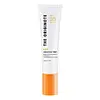
This hybrid sunscreen covers the full UV range and blocks ~97% of UVB at SPF 35.
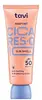
This hybrid sunscreen covers the full UV range and blocks ~98% of UVB at SPF 50.


What's inside
What's inside
 Key Ingredients
Benefits
Concerns
Ingredients Side-by-side
Water
Skin ConditioningGlycerin
Humectant


Ethylhexyl Methoxycinnamate
UV Absorber


C12-15 Alkyl Benzoate
AntimicrobialCyclopentasiloxane
Emollient
Lauryl Polyglyceryl-3 Polydimethylsiloxyethyl Dimethicone
Skin Conditioning
Zinc Oxide
Cosmetic Colorant
CI 77891
Cosmetic ColorantCetyl PEG/PPG-10/1 Dimethicone
Emulsifying
Dicaprylyl Carbonate
EmollientBis-Ethylhexyloxyphenol Methoxyphenyl Triazine
UV Absorber
Bis-PEG-18 Methyl Ether Dimethyl Silane
EmollientSodium Hydroxide
BufferingAluminum Starch Octenylsuccinate
Absorbent
Phenyl Trimethicone
Skin Conditioning
Dimethicone
Emollient
Cetyl Dimethicone
Emollient
Diethylamino Hydroxybenzoyl Hexyl Benzoate
UV Filter
Trehalose
Humectant
Vinyl Dimethicone/Methicone Silsesquioxane Crosspolymer
CI 77492
Cosmetic ColorantTriethoxycaprylylsilane
Phenoxyethanol
Preservative
Dimethicone/Vinyl Dimethicone Crosspolymer
Skin Conditioning
Disteardimonium Hectorite
StabilisingHydrogenated Polydecene
EmollientCI 77491
Cosmetic ColorantCI 77499
Cosmetic ColorantAluminum Hydroxide
EmollientEthylhexylglycerin
Skin ConditioningBHT
Antioxidant
Sodium Hyaluronate
Humectant

Tocopherol
Antioxidant


Butylene Glycol
Humectant
Punica Granatum Extract
AstringentWater, Glycerin, Ethylhexyl Methoxycinnamate, C12-15 Alkyl Benzoate, Cyclopentasiloxane, Lauryl Polyglyceryl-3 Polydimethylsiloxyethyl Dimethicone, Zinc Oxide, CI 77891, Cetyl PEG/PPG-10/1 Dimethicone, Dicaprylyl Carbonate, Bis-Ethylhexyloxyphenol Methoxyphenyl Triazine, Bis-PEG-18 Methyl Ether Dimethyl Silane, Sodium Hydroxide, Aluminum Starch Octenylsuccinate, Phenyl Trimethicone, Dimethicone, Cetyl Dimethicone, Diethylamino Hydroxybenzoyl Hexyl Benzoate, Trehalose, Vinyl Dimethicone/Methicone Silsesquioxane Crosspolymer, CI 77492, Triethoxycaprylylsilane, Phenoxyethanol, Dimethicone/Vinyl Dimethicone Crosspolymer, Disteardimonium Hectorite, Hydrogenated Polydecene, CI 77491, CI 77499, Aluminum Hydroxide, Ethylhexylglycerin, BHT, Sodium Hyaluronate, Tocopherol, Butylene Glycol, Punica Granatum Extract
Water
Skin ConditioningDimethicone
Emollient
Dicaprylyl Carbonate
EmollientTitanium Dioxide
Cosmetic Colorant
Diethylamino Hydroxybenzoyl Hexyl Benzoate
UV Filter
Ethylhexyl Triazone
UV Absorber
C12-15 Alkyl Benzoate
AntimicrobialDipropylene Glycol
HumectantPropanediol
Solvent
Butylene Glycol
Humectant
Silica
Abrasive

Camellia Sinensis Leaf Extract
Antimicrobial
Bis-Ethylhexyloxyphenol Methoxyphenyl Triazine
UV Absorber
Acrylates/Beheneth-25 Methacrylate Copolymer
1,2-Hexanediol
Skin Conditioning
Chlorphenesin
Antimicrobial
Glycerin
Humectant
Propylene Glycol
Humectant

Caprylic/Capric Triglyceride
Masking
Cetyl Palmitate
Emollient
Laureth-23
Cleansing
Methylene Bis-Benzotriazolyl Tetramethylbutylphenol
UV Filter
Steareth-100
Gel FormingAllantoin
Skin Conditioning
Sodium Acrylates Copolymer
Dimethicone Crosspolymer
Emulsion Stabilising
Glycyrrhiza Glabra Root Extract
Bleaching
Mica
Cosmetic ColorantDisodium EDTA
Phenoxyethanol
Preservative
Caprylhydroxamic Acid
Sodium Hydroxide
BufferingLecithin
Emollient
Styrene/Acrylates Copolymer
Centella Asiatica Extract
Cleansing
Cellulose Gum
Emulsion StabilisingSucrose
Humectant
Madecassoside
Antioxidant
Pentylene Glycol
Skin Conditioning
Artemisia Capillaris Flower Extract
Skin ConditioningCarnosine
Skin Conditioning
Niacinamide
Smoothing

Alpha-Arbutin
Antioxidant
Sodium Metabisulfite
Antioxidant
Tranexamic Acid
Astringent
Sodium Citrate
BufferingPotassium Sorbate
Preservative
Sodium Benzoate
Masking
Ubiquinone
Antioxidant
Citric Acid
Buffering
Hydrogenated Lecithin
Emulsifying
Cholesterol
Emollient
Aminopropyl Ascorbyl Phosphate
Antioxidant
Geranium Robertianum Extract
AstringentPaeonia Suffruticosa Root Extract
Skin ProtectingScutellaria Baicalensis Root Extract
Astringent
Thymus Serpyllum Extract
Skin ConditioningAlpinia Katsumadai Seed Extract
Skin ConditioningGlutathione
CI 77492
Cosmetic ColorantCI 77491
Cosmetic ColorantCI 77499
Cosmetic ColorantWater, Dimethicone, Dicaprylyl Carbonate, Titanium Dioxide, Diethylamino Hydroxybenzoyl Hexyl Benzoate, Ethylhexyl Triazone, C12-15 Alkyl Benzoate, Dipropylene Glycol, Propanediol, Butylene Glycol, Silica, Camellia Sinensis Leaf Extract, Bis-Ethylhexyloxyphenol Methoxyphenyl Triazine, Acrylates/Beheneth-25 Methacrylate Copolymer, 1,2-Hexanediol, Chlorphenesin, Glycerin, Propylene Glycol, Caprylic/Capric Triglyceride, Cetyl Palmitate, Laureth-23, Methylene Bis-Benzotriazolyl Tetramethylbutylphenol, Steareth-100, Allantoin, Sodium Acrylates Copolymer, Dimethicone Crosspolymer, Glycyrrhiza Glabra Root Extract, Mica, Disodium EDTA, Phenoxyethanol, Caprylhydroxamic Acid, Sodium Hydroxide, Lecithin, Styrene/Acrylates Copolymer, Centella Asiatica Extract, Cellulose Gum, Sucrose, Madecassoside, Pentylene Glycol, Artemisia Capillaris Flower Extract, Carnosine, Niacinamide, Alpha-Arbutin, Sodium Metabisulfite, Tranexamic Acid, Sodium Citrate, Potassium Sorbate, Sodium Benzoate, Ubiquinone, Citric Acid, Hydrogenated Lecithin, Cholesterol, Aminopropyl Ascorbyl Phosphate, Geranium Robertianum Extract, Paeonia Suffruticosa Root Extract, Scutellaria Baicalensis Root Extract, Thymus Serpyllum Extract, Alpinia Katsumadai Seed Extract, Glutathione, CI 77492, CI 77491, CI 77499
Reviews
Ingredients Explained
These ingredients are found in both products.
Ingredients higher up in an ingredient list are typically present in a larger amount.
This ingredient is better known as bemotrizinol or Tinosorb S and is one of the best broad-spectrum UV filters in modern sunscreen.
It works by absorbing UV light across a whole range (280-400 nm) with peaks around 310 nm (UVB) and 340-345 nm (UVA). This means it covers UVB plus the deeper UVA wavelengths that drive photoaging and pigmentation.
Another pro?
It's exceptionally photostable, barely degrades in sunlight, and acts as a "bodyguard" for less stable filters.
That's why you'll see it paired with avobenzone or octinoxate; this team up ensures they keep working through sun exposure.
Safety reviews have been reassuring across the board. This ingredient shows low absorption through the skin, rarely irritates, and lab studies found it doesn't act like a hormone in the body (a concern that's been raised about some older sunscreen filters).
On maximum concentrations:
In 2026, the US F.D.A finally added it as an OTC sunscreen ingredient at concentrations up to 6% for adults / children 6 months and older
Learn more about Bis-Ethylhexyloxyphenol Methoxyphenyl TriazineButylene Glycol (or BG) is used within cosmetic products for a few different reasons:
Overall, Butylene Glycol is a safe and well-rounded ingredient that works well with other ingredients.
Though this ingredient works well with most skin types, some people with sensitive skin may experience a reaction such as allergic rashes, closed comedones, or itchiness.
Learn more about Butylene GlycolC12-15 Alkyl Benzoate is a lightweight emollient made by combinig benzoic acid with fatty alcohols that are 12-15 carbons long.
In cosmetics, it plays several roles:
The Cosmetic Review Expert Panel has concluded the alkyl benzoate group to be safe as used in cosmetics; it wasn't found to be a skin irritant and unlikely to be absorbed due to its low water solubility.
This report recorded almost 1000 reported uses with concentrations up to 59% in leave-on products but your cosmetics will typically use 0.5-15% depending on the product.
It's often called a "SPF booster": this is because it keeps UV filters properly dissolved and evenly distributed to support a sunscreen's performance. It doesn't actually raise SPF on its own.
Overall, this ingredient is well tolerated.
This ingredient is fungal acne safe because it is an ester of benzoic acid.
Think of this ingredient as two parts stuck together: an oily part and an acid part. Malassezia only gets a meal when it can snip off a fatty acid to eat. With C12-15 Alkyl Benzoate, the acid part is benzoic acid, which isn't a fatty acid and which the yeast can't use as food.
Benzoic acid is actually used as a preservative to stop yeast from growing.
The oily part is a blend of C12-15 fatty alcohols but fatty alcohols in this size range can support only a little Malassezia growth (mostly for one species of Malassezia as well).
In the ingredient, those alcohols stay locked inside the molecule. The yeast can only reach them by snipping the benzoate bond, and that type of bond is harder for it to cut than a normal fatty bond.
So not much gets released. And whatever does get snipped comes packaged with benzoic acid, which discourages yeast growth.
Learn more about C12-15 Alkyl BenzoateCi 77491 is also hydrated iron III oxide. It's sole purpose is to give a red/pink hue to products.
Iron III oxides are classified as inorganic chemicals for coloring.
Synthetically created Ci 77491 is considered safer than those naturally found. This is because the synthetically created version may contain less impurities. Iron oxides are generally non-toxic and non-allergenic.
Learn more about CI 77491CI 77492 is also hydrated iron III oxide. It's sole purpose is to give a yellow hue to products.
Iron III oxides are classified as inorganic chemicals for coloring.
Synthetically created CI 77492 is considered safer than those naturally found. This is because the synthetically created version may contain less impurities. Iron oxides are generally non-toxic and non-allergenic.
Learn more about CI 77492Ci 77499 is also hydrated iron III oxide. It is created from mixing red and black iron oxides. This helps give shades of darkness to a product.
Iron III oxides are classified as inorganic chemicals for coloring.
Dicaprylyl Carbonate comes from carbonic acid and caprylyl alcohol, a fatty alcohol. It is an emollient and gives skin a velvet feel. The sources of Dicaprylyl Carbonate may be synthetic or from animals.
As an emollient, Dicaprylyl Carbonate creates a film on the skin. This film traps moisture in, keeping your skin soft and hydrated.
Diethylamino Hydroxybenzoyl Hexyl Benzoate (DHHB) is a chemical UV-A absorber. It is formulated for high UVA protection (320-400 nm).
DHHB is well-liked for:
DHHB has been approved by the EU, Japan, Taiwan, and South America for use up to 10%. Unfortunately, it has not been approved for use in the US or Canada due to slow regulatory processes.
This ingredient is soluble in oils, fats, and lipids.
Learn more about Diethylamino Hydroxybenzoyl Hexyl BenzoateDimethicone is a type of synthetic silicone created from natural materials such as quartz. It is also known as polydimethylsiloxane.
What it does:
Dimethicone comes in different viscosities:
Depending on the viscosity, dimethicone has different properties.
Ingredients lists don't always show which type is used, so we recommend reaching out to the brand if you have questions about the viscosity.
This ingredient is unlikely to cause irritation because it does not get absorbed into skin. However, people with silicone allergies should be careful about using this ingredient.
Note: Dimethicone may contribute to pilling. This is because it is not oil or water soluble, so pilling may occur when layered with products. When mixed with heavy oils in a formula, the outcome is also quite greasy.
Learn more about DimethiconeGlycerin (or glycerol) is a compound naturally found in your skin. It's a powerhouse humectant that pulls water into the stratum corneum.
Topically, glycerin does several things at once:
Your skin makes glycerin on its own (mostly from sebaceous oil breakdown) and shuttles it to your outermost layer of skin, or your epidermis, via aquaporin-3.
Aquaporin-3 is a transporter that is essential for normal skin hydration, elasticity, and repair. Interestingly, mice lacking in AQP3 have dry and less elastic skin that can be fully corrected with glycerin.
This ingredient is non-irritating, plays well with almost every ingredient, and works across all skin types. Typical use is anywhere between 3-10% but can go up to 79% in some leave-on products.
Just know very high concentrations (>40%) can feel tacky in low humidity.
Glycerin is the name for this ingredient in American English. British English uses Glycerol/Glycerine.
Learn more about GlycerinPhenoxyethanol is one of the most widely used preservatives in skincare (and for good reason!).
It has a large spectrum of antimicrobial activity and especially effective bacteria, yeast, and mold while only having a weak effect on your skin's natural microbiome.
On a cellular level, it disrupts the cell membranes of microbes by poking holes that make the cell leak. This shuts down the chemical reactions the microbe needs to make energy so it can no longer survive.
Another perk of this ingredient is that it stays functional across a wide pH range (3-10).
You'll often see it paired with boosters like Ethylhexylglycerin; one study showed that a 1:9 ratio of Ethylhexylglycerin to Phenoxyethanol damages bacterial membranes as effectively as doubling the Phenoxyethanol concentration on its own.
Typical use concentrations range from 0.3-1% depending on the formula, and this ingredient is capped at 1% int the EU.
Safety-wise, the fear mongering does not hold up to the evidence. The EU's Scientific Committee on Consumer Safety and FDA consider it safe as a preservative at up to 1%, including for children of all ages.
Adverse systemic effects only showed up in animal studies at exposures roughly 200x higher than what people get from cosmetics. And despite its very widespread use, this ingredient is a rare sensitizer and allergic reactions are uncommon.
Learn more about PhenoxyethanolSodium Hydroxide is also known as lye or caustic soda. It is used to adjust the pH of products; many ingredients require a specific pH to be effective.
In small amounts, sodium hydroxide is considered safe to use. However, large amounts may cause chemical burns due to its high alkaline.
Your skin has a natural pH and acid mantle. This acid mantle helps prevent harmful bacteria from breaking through. The acid mantle also helps keep your skin hydrated.
"Alkaline" refers to a high pH level. A low pH level would be considered acidic.
Learn more about Sodium HydroxideWater. It's the most common cosmetic ingredient of all. You'll usually see it at the top of ingredient lists, meaning that it makes up the largest part of the product.
So why is it so popular? Water most often acts as a solvent - this means that it helps dissolve other ingredients into the formulation.
You'll also recognize water as that liquid we all need to stay alive. If you see this, drink a glass of water. Remember to stay hydrated!
Learn more about Water

