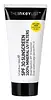
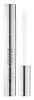
The INKEY List SPF30 Sunscreen 100% Mineral UV Filters Versus Dr. Lara Devgan Platinum Lip Plump SPF 30
This mineral sunscreen covers the full UV range and blocks ~97% of UVB at SPF 30.
This anti-aging lip moisturizer is formulated around Hyaluronic Acid and Palmitoyl Tripeptide-38 to soften the look of wrinkles and hydrate lips.

What's inside
What's inside
 Key Ingredients
Benefits
Concerns
Ingredients Side-by-side
Water
Skin ConditioningZinc Oxide
Cosmetic Colorant


Caprylic/Capric Triglyceride
Masking


Dicaprylyl Carbonate
EmollientCoconut Alkanes
Emollient

Glyceryl Stearate
Emollient

Caramel
Cosmetic ColorantGlycerin
Humectant
Silica
Abrasive

PEG-100 Stearate
Surfactant
Polyhydroxystearic Acid
Emulsifying
Dimethicone
Emollient
Glyceryl Stearate Citrate
Emollient
Polymethylsilsesquioxane/Silica Crosspolymer
Potassium Cetyl Phosphate
EmulsifyingStearic Acid
Cleansing
Phenoxyethanol
Preservative
Polyglyceryl-3 Stearate
Emulsifying
Coco-Caprylate/Caprate
Emollient
Sodium Stearoyl Glutamate
CleansingHydrogenated Lecithin
Emulsifying
Hydroxyethyl Acrylate/Sodium Acryloyldimethyl Taurate Copolymer
Emulsion StabilisingPolysilicone-11
Squalane
Emollient
Bisabolol
Antioxidant


Butyrospermum Parkii Butter
Skin Conditioning
Tocopheryl Acetate
Antioxidant

Xanthan Gum
EmulsifyingCitric Acid
Buffering
Aloe Barbadensis Leaf Juice Powder
Skin Conditioning
Ethylhexylglycerin
Skin ConditioningPanthenol
Skin Conditioning
Lecithin
Emollient
Polysorbate 60
Emulsifying
Trisodium Ethylenediamine Disuccinate
Chelating1,2-Hexanediol
Skin Conditioning
Tocopherol
Antioxidant
Ascorbyl Palmitate
Antioxidant
Sorbitan Isostearate
Emulsifying
Biosaccharide Gum-4
Skin Conditioning
Helianthus Annuus Seed Oil
Emollient
Water, Zinc Oxide, Caprylic/Capric Triglyceride, Dicaprylyl Carbonate, Coconut Alkanes, Glyceryl Stearate, Caramel, Glycerin, Silica, PEG-100 Stearate, Polyhydroxystearic Acid, Dimethicone, Glyceryl Stearate Citrate, Polymethylsilsesquioxane/Silica Crosspolymer, Potassium Cetyl Phosphate, Stearic Acid, Phenoxyethanol, Polyglyceryl-3 Stearate, Coco-Caprylate/Caprate, Sodium Stearoyl Glutamate, Hydrogenated Lecithin, Hydroxyethyl Acrylate/Sodium Acryloyldimethyl Taurate Copolymer, Polysilicone-11, Squalane, Bisabolol, Butyrospermum Parkii Butter, Tocopheryl Acetate, Xanthan Gum, Citric Acid, Aloe Barbadensis Leaf Juice Powder, Ethylhexylglycerin, Panthenol, Lecithin, Polysorbate 60, Trisodium Ethylenediamine Disuccinate, 1,2-Hexanediol, Tocopherol, Ascorbyl Palmitate, Sorbitan Isostearate, Biosaccharide Gum-4, Helianthus Annuus Seed Oil
Homosalate 15%
Skin Conditioning
Ethylhexyl Methoxycinnamate 7.5%
UV Absorber
Ethylhexyl Salicylate 5%
UV Absorber
Butyl Methoxydibenzoylmethane 3%
UV Absorber
Hyaluronic Acid
Humectant
Niacin
SmoothingPantothenic Acid
Skin ConditioningCeramide AP
Skin Conditioning
Hydrogenated Polyisobutene
EmollientEthylene/Propylene/Styrene Copolymer
Butylene/Ethylene/Styrene Copolymer
Octocrylene
UV Absorber
Benzyl Nicotinate
Skin ConditioningGlycerin
Humectant
Cetearyl Ethylhexanoate
Emollient
Sorbitan Isostearate
Emulsifying
Portulaca Pilosa Extract
Skin ConditioningSucrose Cocoate
Emulsifying
Palmitoyl Tripeptide-38
Skin Conditioning

Sodium Hyaluronate
Humectant
Menthone Glycerin Acetal
Refreshing
Stevia Rebaudiana Leaf/Stem Powder
Skin ConditioningNiacinamide
Smoothing

Tocopheryl Acetate
Antioxidant
Hydrolyzed Sodium Hyaluronate
Skin Conditioning
Glutathione
Ergothioneine
Antioxidant
Ceramide NP
Skin Conditioning
Ceramide EOP
Skin Conditioning
Phytosphingosine
Skin Conditioning
Cholesterol
Emollient
Sodium Lauroyl Lactylate
EmulsifyingCarbomer
Emulsion StabilisingXanthan Gum
EmulsifyingYucca Schidigera Root Extract
Skin ConditioningSalix Alba Bark Extract
Astringent
Panthenol
Skin Conditioning
Mentha Spicata Flower/Leaf/Stem Oil
Masking
Mentha Piperita Oil
Masking


Aroma

Homosalate 15%, Ethylhexyl Methoxycinnamate 7.5%, Ethylhexyl Salicylate 5%, Butyl Methoxydibenzoylmethane 3%, Hyaluronic Acid, Niacin, Pantothenic Acid, Ceramide AP, Hydrogenated Polyisobutene, Ethylene/Propylene/Styrene Copolymer, Butylene/Ethylene/Styrene Copolymer, Octocrylene, Benzyl Nicotinate, Glycerin, Cetearyl Ethylhexanoate, Sorbitan Isostearate, Portulaca Pilosa Extract, Sucrose Cocoate, Palmitoyl Tripeptide-38, Sodium Hyaluronate, Menthone Glycerin Acetal, Stevia Rebaudiana Leaf/Stem Powder, Niacinamide, Tocopheryl Acetate, Hydrolyzed Sodium Hyaluronate, Glutathione, Ergothioneine, Ceramide NP, Ceramide EOP, Phytosphingosine, Cholesterol, Sodium Lauroyl Lactylate, Carbomer, Xanthan Gum, Yucca Schidigera Root Extract, Salix Alba Bark Extract, Panthenol, Mentha Spicata Flower/Leaf/Stem Oil, Mentha Piperita Oil, Aroma
Ingredients Explained
These ingredients are found in both products.
Ingredients higher up in an ingredient list are typically present in a larger amount.
Glycerin (or glycerol) is a compound naturally found in your skin. It's a powerhouse humectant that pulls water into the stratum corneum.
Topically, glycerin does several things at once:
Your skin makes glycerin on its own (mostly from sebaceous oil breakdown) and shuttles it to your outermost layer of skin, or your epidermis, via aquaporin-3.
Aquaporin-3 is a transporter that is essential for normal skin hydration, elasticity, and repair. Interestingly, mice lacking in AQP3 have dry and less elastic skin that can be fully corrected with glycerin.
This ingredient is non-irritating, plays well with almost every ingredient, and works across all skin types. Typical use is anywhere between 3-10% but can go up to 79% in some leave-on products.
Just know very high concentrations (>40%) can feel tacky in low humidity.
Glycerin is the name for this ingredient in American English. British English uses Glycerol/Glycerine.
Learn more about GlycerinPanthenol is a common ingredient that helps hydrate and soothe the skin. It is found naturally in our skin and hair.
There are two forms of panthenol: D and L.
D-panthenol is also known as dexpanthenol. Most cosmetics use dexpanthenol or a mixture of D and L-panthenol.
Panthenol is famous due to its ability to go deeper into the skin's layers. Using this ingredient has numerous pros (and no cons):
Like hyaluronic acid, panthenol is a humectant. Humectants are able to bind and hold large amounts of water to keep skin hydrated.
This ingredient works well for wound healing. It works by increasing tissue in the wound and helps close open wounds.
Once oxidized, panthenol converts to pantothenic acid. Panthothenic acid is found in all living cells.
This ingredient is also referred to as pro-vitamin B5.
Learn more about PanthenolSorbitan Isostearate is an emulsifer. It is created from isostearic acid and sorbitol.
As an emulsifier, it keeps the water and oil ingredients from separating. This keeps formulas stable and smooth.
In a 24 hour occlusive patch test on 56 subjects, 10% sorbitan isostearate was completely non-irritating. Most formulas use less than 10%.
Because it's a fatty acid ester, it may not be fungal acne safe since the Malassezia yeast can utilize it as a nutrient source.
Learn more about Sorbitan IsostearateTocopheryl Acetate is a stable, shelf-friendly form of vitamin E.
Formulators love it because plain vitamin E oxidizes quickly once it hits air. This acetate version stays stable and resists going off, helping to extend a product's shelf life.
It's actually inactive on its own and works like a slow-release "storage" form; the enzymes in your skin called esterases gradually convert it into active vitamin E over time.
One in vivo study showed 5% of the acetate in the living layer of the epidermis converted to vitamin E after 5 days of application. This study also found the skin gained protection against UV damage even though the conversion was slow and small.
Once converted, vitamin E acts as a skin's main fat-soluble antioxidant that fights free radicals to protect skin from damage.
Topical vitamin E generally boosts the skin's photoprotection, and it reduced UV-damage in animal models.
This ingredient has some brightening potential but it's more of a prevention ingredient than spot-fader. Cell studies show it can slow down melanin production but it's worth noting that it's not the most powerful brightener out there.
Overall, it has a pretty solid safety profile and has been found to be non-irritating and non-comedogenic. Allergic reactions may happen but stay rare due to how widely the ingredient gets used.
The concentration will vary depending on the formula; industry data shows 0.1% in baby lotions, 3% in lipsticks, and 5% in foot powders. You can also find this ingredient at 100% in a pure vitamin E oil.
Most leave-on skincare keeps it at the lower end, often between 0.5-1%.
Learn more about Tocopheryl AcetateXanthan gum is used as a stabilizer and thickener within cosmetic products. It helps give products a sticky, thick feeling - preventing them from being too runny.
On the technical side of things, xanthan gum is a polysaccharide - a combination consisting of multiple sugar molecules bonded together.
Xanthan gum is a pretty common and great ingredient. It is a natural, non-toxic, non-irritating ingredient that is also commonly used in food products.
Learn more about Xanthan Gum

