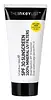
This mineral sunscreen covers the full UV range and blocks ~97% of UVB at SPF 30.
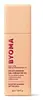
This chemical sunscreen covers most of the UV range, lighter on the deep UVA that drives aging.

What's inside
What's inside
 Key Ingredients
Benefits
Concerns
Ingredients Side-by-side
Water
Skin ConditioningZinc Oxide
Cosmetic Colorant


Caprylic/Capric Triglyceride
Masking


Dicaprylyl Carbonate
EmollientCoconut Alkanes
Emollient

Glyceryl Stearate
Emollient

Caramel
Cosmetic ColorantGlycerin
Humectant
Silica
Abrasive

PEG-100 Stearate
Surfactant
Polyhydroxystearic Acid
Emulsifying
Dimethicone
Emollient
Glyceryl Stearate Citrate
Emollient
Polymethylsilsesquioxane/Silica Crosspolymer
Potassium Cetyl Phosphate
EmulsifyingStearic Acid
Cleansing
Phenoxyethanol
Preservative
Polyglyceryl-3 Stearate
Emulsifying
Coco-Caprylate/Caprate
Emollient
Sodium Stearoyl Glutamate
CleansingHydrogenated Lecithin
Emulsifying
Hydroxyethyl Acrylate/Sodium Acryloyldimethyl Taurate Copolymer
Emulsion StabilisingPolysilicone-11
Squalane
Emollient
Bisabolol
Antioxidant


Butyrospermum Parkii Butter
Skin Conditioning
Tocopheryl Acetate
Antioxidant

Xanthan Gum
EmulsifyingCitric Acid
Buffering
Aloe Barbadensis Leaf Juice Powder
Skin Conditioning
Ethylhexylglycerin
Skin ConditioningPanthenol
Skin Conditioning
Lecithin
Emollient
Polysorbate 60
Emulsifying
Trisodium Ethylenediamine Disuccinate
Chelating1,2-Hexanediol
Skin Conditioning
Tocopherol
Antioxidant
Ascorbyl Palmitate
Antioxidant
Sorbitan Isostearate
Emulsifying
Biosaccharide Gum-4
Skin Conditioning
Helianthus Annuus Seed Oil
Emollient
Water, Zinc Oxide, Caprylic/Capric Triglyceride, Dicaprylyl Carbonate, Coconut Alkanes, Glyceryl Stearate, Caramel, Glycerin, Silica, PEG-100 Stearate, Polyhydroxystearic Acid, Dimethicone, Glyceryl Stearate Citrate, Polymethylsilsesquioxane/Silica Crosspolymer, Potassium Cetyl Phosphate, Stearic Acid, Phenoxyethanol, Polyglyceryl-3 Stearate, Coco-Caprylate/Caprate, Sodium Stearoyl Glutamate, Hydrogenated Lecithin, Hydroxyethyl Acrylate/Sodium Acryloyldimethyl Taurate Copolymer, Polysilicone-11, Squalane, Bisabolol, Butyrospermum Parkii Butter, Tocopheryl Acetate, Xanthan Gum, Citric Acid, Aloe Barbadensis Leaf Juice Powder, Ethylhexylglycerin, Panthenol, Lecithin, Polysorbate 60, Trisodium Ethylenediamine Disuccinate, 1,2-Hexanediol, Tocopherol, Ascorbyl Palmitate, Sorbitan Isostearate, Biosaccharide Gum-4, Helianthus Annuus Seed Oil
Butyl Methoxydibenzoylmethane 3%
UV Absorber
Homosalate 10%
Skin Conditioning
Ethylhexyl Salicylate 5%
UV Absorber
Water
Skin ConditioningGlycerin
Humectant
Butyloctyl Salicylate
Skin Conditioning
Propanediol
Solvent
Dimethicone
Emollient
Beta-Glucan
Skin Conditioning
Sodium Hyaluronate
Humectant
Caprylhydroxamic Acid
ChelatingCaprylic/Capric Triglyceride
Masking
Ceramide NP
Skin Conditioning
Cholesterol
Emollient
Phytosphingosine
Skin Conditioning
Caprylyl Glycol
Emollient
Dextrin Palmitate
Emulsifying
Dibutyl Ethylhexanoyl Glutamide
Skin ConditioningStearic Acid
Cleansing
Oleic Acid
Emollient
Dibutyl Lauroyl Glutamide
Skin ConditioningDimethicone/Vinyl Dimethicone Crosspolymer
Skin Conditioning
Hydrogenated Lecithin
Emulsifying
Eugenia Caryophyllus Bud Extract
Perfuming
Hydroxyacetophenone
Antioxidant
Lactic Acid
Buffering

Lecithin
Emollient
Octyldodecanol
Emollient
1,2-Hexanediol
Skin Conditioning
Panthenol
Skin Conditioning
Poly C10-30 Alkyl Acrylate
Emulsion StabilisingPullulan
Sclerotium Gum
Emulsion StabilisingSodium Polyacryloyldimethyl Taurate
Emulsion StabilisingSolidago Virgaurea Extract
Skin ConditioningTocopherol
Antioxidant
Xanthan Gum
EmulsifyingButyl Methoxydibenzoylmethane 3%, Homosalate 10%, Ethylhexyl Salicylate 5%, Water, Glycerin, Butyloctyl Salicylate, Propanediol, Dimethicone, Beta-Glucan, Sodium Hyaluronate, Caprylhydroxamic Acid, Caprylic/Capric Triglyceride, Ceramide NP, Cholesterol, Phytosphingosine, Caprylyl Glycol, Dextrin Palmitate, Dibutyl Ethylhexanoyl Glutamide, Stearic Acid, Oleic Acid, Dibutyl Lauroyl Glutamide, Dimethicone/Vinyl Dimethicone Crosspolymer, Hydrogenated Lecithin, Eugenia Caryophyllus Bud Extract, Hydroxyacetophenone, Lactic Acid, Lecithin, Octyldodecanol, 1,2-Hexanediol, Panthenol, Poly C10-30 Alkyl Acrylate, Pullulan, Sclerotium Gum, Sodium Polyacryloyldimethyl Taurate, Solidago Virgaurea Extract, Tocopherol, Xanthan Gum
Reviews
Ingredients Explained
These ingredients are found in both products.
Ingredients higher up in an ingredient list are typically present in a larger amount.
1,2-Hexanediol is a synthetic liquid and another multi-functional powerhouse.
It is a:
- Humectant, drawing moisture into the skin
- Emollient, helping to soften skin
- Solvent, dispersing and stabilizing formulas
- Preservative booster, enhancing the antimicrobial activity of other preservatives
Caprylic/Capric Triglyceride (aka MCT Oil) is a lightweight emollient, solvent, and texture enhancer. It is considered a skin-softener by helping to prevent moisture loss.
Though it behaves like an oil, it is not technically one due to its chemical composition. One perk of this ingredient is that it is very stable, resistant to oxidation, and unlikely to go rancid.
In practice, that translates to a long shelf life and a consistently elegant skin feel.
While there is an assumption Caprylic Triglyceride can clog pores due to it being derived from coconut oil, there is no research supporting this. Just patch test if you have concerns.
Fractionated coconut oil and MCT Oil are both listed as Caprylic/Capric Triglyceride according to INCI. This is because INCI names are based on the ingredient’s final chemical composition and not its marketing name or source.
This ingredient is treated as the gold standard fungal acne safe oil. Even though it is coconut derived, the problematic lauric acid is stripped out.
This leaves just caprylic (C8) and capric (C10) acid. These chain lengths actually trend antifungal; a 2020 study found caprylic acid was enough to disrupt Malassezia furfur cell membrane, with a caprylic acid derivative damaging membrane structures at concentrations as low as 0.2%.
Learn more about Caprylic/Capric TriglycerideDimethicone is a type of synthetic silicone created from natural materials such as quartz. It is also known as polydimethylsiloxane.
What it does:
Dimethicone comes in different viscosities:
Depending on the viscosity, dimethicone has different properties.
Ingredients lists don't always show which type is used, so we recommend reaching out to the brand if you have questions about the viscosity.
This ingredient is unlikely to cause irritation because it does not get absorbed into skin. However, people with silicone allergies should be careful about using this ingredient.
Note: Dimethicone may contribute to pilling. This is because it is not oil or water soluble, so pilling may occur when layered with products. When mixed with heavy oils in a formula, the outcome is also quite greasy.
Learn more about DimethiconeGlycerin (or glycerol) is a compound naturally found in your skin. It's a powerhouse humectant that pulls water into the stratum corneum.
Topically, glycerin does several things at once:
Your skin makes glycerin on its own (mostly from sebaceous oil breakdown) and shuttles it to your outermost layer of skin, or your epidermis, via aquaporin-3.
Aquaporin-3 is a transporter that is essential for normal skin hydration, elasticity, and repair. Interestingly, mice lacking in AQP3 have dry and less elastic skin that can be fully corrected with glycerin.
This ingredient is non-irritating, plays well with almost every ingredient, and works across all skin types. Typical use is anywhere between 3-10% but can go up to 79% in some leave-on products.
Just know very high concentrations (>40%) can feel tacky in low humidity.
Glycerin is the name for this ingredient in American English. British English uses Glycerol/Glycerine.
Learn more about GlycerinHydrogenated Lecithin is a more stable version of lecithin.
It's made by taking lecithin (a phospholipid commonly found in soybeans and egg yolks) and hydrogenating it. This just means the unsaturated fatty acids are turned into saturated ones so they don't go bad as easily.
This ingredient is an emollient, emulsifier, and penetration enhancer. As an emollient, it helps soften and hydrate skin by trapping moisture within. As an emulsifier, it prevents oil and water ingredients from separating.
Hydrogenated Lecithin can form tiny spherical structures made of phospholipid bilayers called liposomes. These liposomes are able to capture compounds inside their structure and deliver them through the skin barrier.
Because phospholipids are a natural component of our cell membranes, this ingredient is inherently compatible with skin.
A 2021 study found lecithin-based surfactants were less harsh and more tolerable comared to Sodium Lauryl Sulfate (SLS).
Learn more about Hydrogenated LecithinLecithin is a term for a group of substances found in the cell membranes of plants, animals, and humans. They are made up of phospholipids.
Thanks to its amphiphilic structure (water-loving head and oil-loving tail), it is a true multitasker:
It plays well with most ingredients and is typically used at 0.1-1%. However, concentrations up to 50% have been reported in moisturizers.
Learn more about LecithinPanthenol is a common ingredient that helps hydrate and soothe the skin. It is found naturally in our skin and hair.
There are two forms of panthenol: D and L.
D-panthenol is also known as dexpanthenol. Most cosmetics use dexpanthenol or a mixture of D and L-panthenol.
Panthenol is famous due to its ability to go deeper into the skin's layers. Using this ingredient has numerous pros (and no cons):
Like hyaluronic acid, panthenol is a humectant. Humectants are able to bind and hold large amounts of water to keep skin hydrated.
This ingredient works well for wound healing. It works by increasing tissue in the wound and helps close open wounds.
Once oxidized, panthenol converts to pantothenic acid. Panthothenic acid is found in all living cells.
This ingredient is also referred to as pro-vitamin B5.
Learn more about PanthenolStearic Acid is a fatty acid that is already found in your skin. It's one of the free fatty acids that works alongside ceramides and cholesterols to maintain your barrier.
In cosmetics, it is a multitasker:
Safety-wise, the CIR Expert Panel has concluded it to be safe in cosmetics when formulated to be non-irritating and non-sensitizing.
Free stearic acid is a C18 fatty acid that the Malassezia yeast can substrate, so this ingredient may not be fungal acne safe.
Learn more about Stearic AcidTocopherol is a fat-soluble antioxidant known as Vitamin E.
You'll find this ingredient in the vast majority of skincare (for good reason). It works to neutralize free radicals, or unstable molecules generated by UV exposure, pollution, and other environmental stressors, before they can cause oxidative damage to your skin cells.
Topically applied tocopherol has been shown to protect against UV damage by ramping up the skin's own natural defense enzymes.
It also acts as a skin conditioning agent; some studies show that regular topical use can improve the skin's water-binding capacity over 2-4 weeks.
This ingredient is especially loved for being a team player. When combined with Vitamin C, the photoprotective effect of both ingredients roughly doubles and the combo also helps reduce UV-induced DNA damage.
This ingredient has some brightening potential but it's more of a prevention ingredient than spot-fader. Cell studies show it can slow down melanin production but it's worth noting that it's not the most powerful brightener out there.
In formulations, it also serves as a stabilizer that helps protect other oxidation-prone ingredients from degrading.
Concentrations usually range from 0.1-1% in most leave-on products.
Learn more about TocopherolWater. It's the most common cosmetic ingredient of all. You'll usually see it at the top of ingredient lists, meaning that it makes up the largest part of the product.
So why is it so popular? Water most often acts as a solvent - this means that it helps dissolve other ingredients into the formulation.
You'll also recognize water as that liquid we all need to stay alive. If you see this, drink a glass of water. Remember to stay hydrated!
Learn more about WaterXanthan gum is used as a stabilizer and thickener within cosmetic products. It helps give products a sticky, thick feeling - preventing them from being too runny.
On the technical side of things, xanthan gum is a polysaccharide - a combination consisting of multiple sugar molecules bonded together.
Xanthan gum is a pretty common and great ingredient. It is a natural, non-toxic, non-irritating ingredient that is also commonly used in food products.
Learn more about Xanthan Gum

