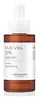
This brightening serum is formulated around Ascorbic Acid and Panthenol to brighten dull-looking skin and fade the look of dark spots.
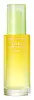
This brightening serum is formulated around Niacinamide and Arbutin to fade the look of dark spots and brighten dull-looking skin.

What's inside
What's inside
 Key Ingredients
Benefits
Concerns
Ingredients Side-by-side
Water
Skin ConditioningDipropylene Glycol
HumectantPropanediol
Solvent

Ascorbic Acid 5.5%
Antioxidant






2,3-Butanediol
HumectantGlycerin
Humectant
Panthenol 2.7%
Skin Conditioning

Alcohol Denat.
Antimicrobial




3-O-Ethyl Ascorbic Acid 1.8%
Skin Conditioning
Glycosyl Trehalose
Emulsion StabilisingBetaine
Humectant
Hydrogenated Starch Hydrolysate
HumectantFerulic Acid
Antimicrobial
Sorbitol
Humectant
Polyglyceryl-10 Stearate
Skin Conditioning
Tromethamine
BufferingPolyglyceryl-10 Oleate
Skin Conditioning
Allantoin
Skin Conditioning
Phloretin
Antioxidant
Sodium Hyaluronate
Humectant
Citrus Aurantifolia Oil
Cleansing


Citrus Aurantium Bergamia Fruit Oil
Masking
Lavandula Angustifolia Oil
Masking
Dextrin
AbsorbentDisodium EDTA
ChelatingSerine
Masking
Arginine
Masking
Carthamus Tinctorius Flower Extract
Skin ConditioningTheobroma Cacao Seed Extract
Antioxidant
Citric Acid
Buffering
Anthemis Nobilis Flower Oil
Masking
1,2-Hexanediol
Skin Conditioning
Limonene
Perfuming
Linalool
Perfuming
Citral
Perfuming
Water, Dipropylene Glycol, Propanediol, Ascorbic Acid 5.5%, 2,3-Butanediol, Glycerin, Panthenol 2.7%, Alcohol Denat., 3-O-Ethyl Ascorbic Acid 1.8%, Glycosyl Trehalose, Betaine, Hydrogenated Starch Hydrolysate, Ferulic Acid, Sorbitol, Polyglyceryl-10 Stearate, Tromethamine, Polyglyceryl-10 Oleate, Allantoin, Phloretin, Sodium Hyaluronate, Citrus Aurantifolia Oil, Citrus Aurantium Bergamia Fruit Oil, Lavandula Angustifolia Oil, Dextrin, Disodium EDTA, Serine, Arginine, Carthamus Tinctorius Flower Extract, Theobroma Cacao Seed Extract, Citric Acid, Anthemis Nobilis Flower Oil, 1,2-Hexanediol, Limonene, Linalool, Citral
Citrus Tangerina Extract
TonicButylene Glycol
Humectant
Niacinamide
Smoothing


Dipropylene Glycol
HumectantMethyl Gluceth-20
Humectant
Water
Skin Conditioning1,2-Hexanediol
Skin Conditioning
Glycereth-26
Humectant
Arbutin
Antioxidant
Chondrus Crispus Extract
Skin Conditioning
Saccharum Officinarum Extract
MoisturisingHydrolyzed Jojoba Esters
Skin Conditioning
Sodium Hyaluronate
Humectant
Citrus Aurantium Bergamia Fruit Oil
Masking
Melia Azadirachta Flower Extract
Skin ConditioningOcimum Sanctum Leaf Extract
Skin ConditioningMelia Azadirachta Leaf Extract
Skin ConditioningCurcuma Longa Root Extract
Antioxidant
Corallina Officinalis Extract
Skin Conditioning
Lavandula Angustifolia Oil
Masking
Citrus Limon Peel Oil
Masking
Cananga Odorata Flower Oil
Masking
Citrus Aurantium Dulcis Peel Oil
Masking
Eucalyptus Globulus Leaf Extract
Perfuming
Glycyrrhiza Uralensis Root Extract
Skin Conditioning
Anthemis Nobilis Flower Extract
Masking
Camellia Sinensis Leaf Extract
Antimicrobial
Centella Asiatica Extract
Cleansing
Rosmarinus Officinalis Leaf Extract
AntimicrobialPolygonum Cuspidatum Root Extract
Antioxidant
Centella Asiatica Leaf Extract
Skin Conditioning
Ammonium Acryloyldimethyltaurate/Vp Copolymer
Panthenol
Skin Conditioning
Choleth-24
EmulsifyingTromethamine
BufferingEthylhexylglycerin
Skin ConditioningAllantoin
Skin Conditioning
Tocopheryl Acetate
Antioxidant
Adenosine
Skin Conditioning
Sodium Phytate
ChelatingAscorbyl Glucoside
Antioxidant
Dipotassium Glycyrrhizate
Humectant
Glycerin
Humectant
Madecassoside
Antioxidant
Maltodextrin
Absorbent
Saccharide Hydrolysate
HumectantTocopherol
Antioxidant
Asiaticoside
Antioxidant
Carbomer
Emulsion StabilisingXanthan Gum
EmulsifyingLimonene
Perfuming
Linalool
Perfuming
Citrus Tangerina Extract, Butylene Glycol, Niacinamide, Dipropylene Glycol, Methyl Gluceth-20, Water, 1,2-Hexanediol, Glycereth-26, Arbutin, Chondrus Crispus Extract, Saccharum Officinarum Extract, Hydrolyzed Jojoba Esters, Sodium Hyaluronate, Citrus Aurantium Bergamia Fruit Oil, Melia Azadirachta Flower Extract, Ocimum Sanctum Leaf Extract, Melia Azadirachta Leaf Extract, Curcuma Longa Root Extract, Corallina Officinalis Extract, Lavandula Angustifolia Oil, Citrus Limon Peel Oil, Cananga Odorata Flower Oil, Citrus Aurantium Dulcis Peel Oil, Eucalyptus Globulus Leaf Extract, Glycyrrhiza Uralensis Root Extract, Anthemis Nobilis Flower Extract, Camellia Sinensis Leaf Extract, Centella Asiatica Extract, Rosmarinus Officinalis Leaf Extract, Polygonum Cuspidatum Root Extract, Centella Asiatica Leaf Extract, Ammonium Acryloyldimethyltaurate/Vp Copolymer, Panthenol, Choleth-24, Tromethamine, Ethylhexylglycerin, Allantoin, Tocopheryl Acetate, Adenosine, Sodium Phytate, Ascorbyl Glucoside, Dipotassium Glycyrrhizate, Glycerin, Madecassoside, Maltodextrin, Saccharide Hydrolysate, Tocopherol, Asiaticoside, Carbomer, Xanthan Gum, Limonene, Linalool
Reviews
Ingredients Explained
These ingredients are found in both products.
Ingredients higher up in an ingredient list are typically present in a larger amount.
1,2-Hexanediol is a synthetic liquid and another multi-functional powerhouse.
It is a:
- Humectant, drawing moisture into the skin
- Emollient, helping to soften skin
- Solvent, dispersing and stabilizing formulas
- Preservative booster, enhancing the antimicrobial activity of other preservatives
Allantoin is a soothing ingredient known for its protective and moisturizing properties; it's basically a quiet workhorse ingredient you can find in a huge range of cosmetics.
Though it can be derived from the comfrey plant, allantoin is produced synthetically for cosmetic products to ensure purity.
Research shows it can encourage your skin cells to turn over and renew by stimulating keratinocyte and fibroblast proliferation.
It also has mild keratolytic properties to help loosen and shed dead skin cells without being harsh.
Studies also suggest allantoin can help calm inflammation by dialing down some of the chemical signals your skin sends out when it is irritated.
This ingredient is typically used in the 0.1-0.5% range, and the FDA recognizes it as a skin protectant in OTC products up to 2%.
Overall, allantoin is a wonderful addition to most routines; it is stable across a wide pH range (~4-8), works well with other ingredients, and is considered non-sensitizing/non-irritating.
Fun fact: Allantoin is naturally occurring in comfrey root, beets, chamomile, and wheat sprouts. Our bodies even produce it as a byproduct of uric acid metabolism.
Learn more about AllantoinCitrus Aurantium Bergamia Fruit Oil is the oil from the bergamot orange and is primarily used as a fragrance. It has a "fresh" and "bright orange" scent.
The main aroma compounds found in this ingredient are limonene (~27-52%), linalool (~2-22%), and linalyl acetate (~27-40%). These are known EU fragrance allergens.
The term 'fragrance' is not regulated in many countries. In many cases, it is up to the brand to define this term. For instance, many brands choose to label themselves as "fragrance-free" because they are not using synthetic fragrances. However, their products may still contain ingredients such as essential oils that are considered a fragrance.
When used topically, Citrus Aurantium Bergamia Fruit Oil is a photosensitizer due to the furanocoumarin content. Furanocoumarins absorb UV-A and cause phytophotodermatitis; this can look like redness, blistering, and lasting brown pigmentation on sun-exposed skin.
Due to this, this ingredient is capped at 0.4% in leave-on products applied to sun exposed skin.
Many modern formulas used a "furanocoumarin-free" version that sidesteps the phototoxicity issue, but still contains the fragrance allergens.
Learn more about Citrus Aurantium Bergamia Fruit OilDipropylene Glycol is a synthetically created humectant, stabilizer, and solvent.
This ingredient helps:
Dipropylene glycol is technically an alcohol, but it belongs to the glycol family (often considered part of the ‘good’ alcohols). This means it is hydrating and gentle on skin unlike drying solvent alcohols like denatured alcohol.
As a masking agent, Dipropylene Glycol can be used to cover the smell of other ingredients. However, it does not have a scent.
Studies show Dipropylene Glycol is considered safe to use in skincare.
Learn more about Dipropylene GlycolGlycerin (or glycerol) is a compound naturally found in your skin. It's a powerhouse humectant that pulls water into the stratum corneum.
Topically, glycerin does several things at once:
Your skin makes glycerin on its own (mostly from sebaceous oil breakdown) and shuttles it to your outermost layer of skin, or your epidermis, via aquaporin-3.
Aquaporin-3 is a transporter that is essential for normal skin hydration, elasticity, and repair. Interestingly, mice lacking in AQP3 have dry and less elastic skin that can be fully corrected with glycerin.
This ingredient is non-irritating, plays well with almost every ingredient, and works across all skin types. Typical use is anywhere between 3-10% but can go up to 79% in some leave-on products.
Just know very high concentrations (>40%) can feel tacky in low humidity.
Glycerin is the name for this ingredient in American English. British English uses Glycerol/Glycerine.
Learn more about GlycerinLavandula Angustifolia Oil is more commonly known as lavender essential oil. It is considered a fragrancing ingredient.
Lavender imparts a famous scent. While the smell is lovely, this ingredient and may sensitize skin in topical products. This is because about 85% of the oil is made up of linalool and linalyl acetate.
When exposed to air, these two compounds become strong allergens. This ingredient exhibits cytotoxicity at low concentrations; amounts of 0.25% have been shown to damage skin cells.
A study from Japan found this ingredient caused lavender sensitivity after widespread exposure.
Lavender essential oil has some antimicrobial, antibacterial, and anti-inflammatory properties. However, the cons of this ingredient may outweight the pros.
More research is needed to confirm lavender essential oil's effects when used in aromatherapy.
Lavandula Angustifolia is known as the English Lavender and famous for creating purple fields in Provence, France.
Learn more about Lavandula Angustifolia OilLimonene is the compound that gives citrus peel its smell.
In skincare, it shows up as a standalone fragrance ingredient or as a natural compound of citrus and other essential oils.
You'll typically see this ingredient used in very small amounts; anything above 0.001% in a leave-on product or 0.01% in a rinse-off has to be named on the label in the EU. The citrus oils that carry it sit around 0.5-1% in a finished formula.
Fresh limonene is a weak allergen; the real issue is that it slowly reacts with air and then breaks down from oxidation to create hydroperoxides (which are strong sensitizers). This is why suppliers are required to keep the peroxide value below 20 mmol.
Positive reactions in people being investigated for eczema vary:
It's worth skipping if you have a known fragrance allergy or a compromised barrier, but the risk is low for most people.
Older or long-opened products are also more likely to bother you than fresh ones due to oxidation.
Learn more about LimoneneLinalool is a small, naturally occurring scent molecule found in plants like lavender, coriander, bergamot, and more.
It is one of the two most-used fragrance ingredients in cosmetics and added purely for smell. Since it's not used for a skin benefit, there's no "effective dose". Concentration depends on the fragrance load of the product.
The EU requires it to be named on the label above 0.001% in leave-on and 0.01% in rinse-off products.
Fresh linalool is a weak sensitizer but air exposure turns some of it into hydroperoxides, which are strong sensitizers. Those oxidation products are the actual allergy concern.
Patch-test clinics see positive reactions to linalool hydroperoxides in about 4% to 12% of dermatitis patients depending on country and test concentration.
Resassuringly, one analytical study found hydroperoxide levels in real fragranced products to be orders of magnitude below what induced sensitization in animal studies with no evidence of oxidation building up during normal storage.
The practical takeaway is that linalool is fine for most people but worth avoiding if you have a confirmed fragrance contact allergy or a badly compromised barrier.
Products stored a long time after opening are also the high-risk scenario since that is when oxidation happens.
The scent of linalool is described as floral, spicy tropical, and citrus-like.
Learn more about LinaloolPanthenol is a common ingredient that helps hydrate and soothe the skin. It is found naturally in our skin and hair.
There are two forms of panthenol: D and L.
D-panthenol is also known as dexpanthenol. Most cosmetics use dexpanthenol or a mixture of D and L-panthenol.
Panthenol is famous due to its ability to go deeper into the skin's layers. Using this ingredient has numerous pros (and no cons):
Like hyaluronic acid, panthenol is a humectant. Humectants are able to bind and hold large amounts of water to keep skin hydrated.
This ingredient works well for wound healing. It works by increasing tissue in the wound and helps close open wounds.
Once oxidized, panthenol converts to pantothenic acid. Panthothenic acid is found in all living cells.
This ingredient is also referred to as pro-vitamin B5.
Learn more about PanthenolSodium Hyaluronate is the salt form of hyaluronic acid. It is a long sugar chain that is naturally found in your skin, joints, and connective tissue that maintains hydration and elasticity.
In skincare, it works as a humectant. It pulls water from the environment and deeper layers of skin and binds it to the surface.
Interestingly, the size of the molecule affects its behavior:
Some clinical evidence links low molecular weight versions to improved wrinkle depth, elasticity, anti-inflammatory effects, and barrier repair.
Many serums use a blend of both weights so you can get surface hydration plus longer-lasting and deeper effects.
You'll typically see concentrations between 0.1-2% for this ingredient.
Learn more about Sodium HyaluronateTromethamine (aka THAM) is a synthetic amino acid that shows up in skincare as a helper ingredient.
It functions as a pH adjuster to help neutralize acidic ingredients and set a formula's pH to the right spot.
This matters a lot because a lot of actives (like vitamin C) needs a specific pH to work well and feel comfortable on skin.
Concentration use ranges from 0.1-1.0% depending on the formula.
Learn more about TromethamineWater. It's the most common cosmetic ingredient of all. You'll usually see it at the top of ingredient lists, meaning that it makes up the largest part of the product.
So why is it so popular? Water most often acts as a solvent - this means that it helps dissolve other ingredients into the formulation.
You'll also recognize water as that liquid we all need to stay alive. If you see this, drink a glass of water. Remember to stay hydrated!
Learn more about Water

