

What's inside
What's inside
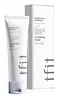 Key Ingredients
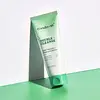
Benefits
Concerns
Ingredients Side-by-side
Water
Skin ConditioningMyristic Acid
Cleansing




Glycerin
Humectant

Methylpropanediol
SolventPotassium Hydroxide
BufferingLauric Acid
Cleansing
Palmitic Acid
Emollient
Stearic Acid
Cleansing
Glyceryl Stearate
Emollient
Potassium Cocoyl Glycinate
Surfactant
Lauryl Betaine
CleansingBeta-Glucan
Skin Conditioning

Ceramide NP
Skin Conditioning

Hydrolyzed Hyaluronic Acid
Humectant
Tocopherol
Antioxidant



Macrocystis Pyrifera Extract
Skin Conditioning
Tropaeolum Majus Flower/Leaf/Stem Extract
Skin ConditioningUlmus Davidiana Root Extract
Skin Conditioning
Zulmandrami Seed Extract
Centella Asiatica Extract
Cleansing
Ficus Carica Fruit Extract
Humectant
Glycine
Buffering
Serine
Masking
Alanine
Masking
Aspartic Acid
Masking
Lysine
Skin ConditioningGlutamic Acid
Humectant
Arginine
Masking
Leucine
Skin ConditioningProline
Skin Conditioning
Tyrosine
MaskingPhenylalanine
Masking
Valine
MaskingIsoleucine
Skin ConditioningThreonine
Histidine
Humectant
Cysteine
Antioxidant
Methionine
Skin ConditioningFructooligosaccharides
Humectant
Betaine
Humectant
Sodium PCA
Humectant
Sorbitol
Humectant
Butylene Glycol
Humectant
Polyquaternium-7
1,2-Hexanediol
Skin Conditioning
Dipropylene Glycol
HumectantHydrogenated Lecithin
Emulsifying
Acrylates Copolymer
Potassium Cocoate
Emulsifying
Sorbitan Olivate
Emulsifying
Ethylhexylglycerin
Skin ConditioningPolyglyceryl-10 Laurate
Skin Conditioning
Sodium Chloride
MaskingDisodium EDTA
ChelatingSodium Benzoate
Masking
Parfum
Masking


Water, Myristic Acid, Glycerin, Methylpropanediol, Potassium Hydroxide, Lauric Acid, Palmitic Acid, Stearic Acid, Glyceryl Stearate, Potassium Cocoyl Glycinate, Lauryl Betaine, Beta-Glucan, Ceramide NP, Hydrolyzed Hyaluronic Acid, Tocopherol, Macrocystis Pyrifera Extract, Tropaeolum Majus Flower/Leaf/Stem Extract, Ulmus Davidiana Root Extract, Zulmandrami Seed Extract, Centella Asiatica Extract, Ficus Carica Fruit Extract, Glycine, Serine, Alanine, Aspartic Acid, Lysine, Glutamic Acid, Arginine, Leucine, Proline, Tyrosine, Phenylalanine, Valine, Isoleucine, Threonine, Histidine, Cysteine, Methionine, Fructooligosaccharides, Betaine, Sodium PCA, Sorbitol, Butylene Glycol, Polyquaternium-7, 1,2-Hexanediol, Dipropylene Glycol, Hydrogenated Lecithin, Acrylates Copolymer, Potassium Cocoate, Sorbitan Olivate, Ethylhexylglycerin, Polyglyceryl-10 Laurate, Sodium Chloride, Disodium EDTA, Sodium Benzoate, Parfum
Water
Skin ConditioningGlycerin
Humectant
Palmitic Acid
Emollient
Lauric Acid
Cleansing
Stearic Acid
Cleansing
Myristic Acid
Cleansing
Potassium Hydroxide
BufferingCocamidopropyl Betaine
Cleansing
PEG-100 Stearate
Surfactant
Glyceryl Stearate
Emollient
Beeswax
Emulsion Stabilising
Glycol
HumectantEthylhexylglycerin
Skin ConditioningPolyquaternium-10
Capric Acid
Cleansing
Disodium EDTA
ChelatingAloe Barbadensis Leaf Extract
Emollient
Oryza Sativa Extract
Absorbent
Camellia Sinensis Leaf Extract
Antimicrobial

1,2-Hexanediol
Skin Conditioning
Hydrogenated Lecithin
Emulsifying
Polyglyceryl-10 Stearate
Skin Conditioning
Lilium Tigrinum Root Extract
HumectantPanthenol
Skin Conditioning
Sodium Hyaluronate
Humectant
Sodium Ascorbyl Phosphate
Antioxidant
Hydroxypropyltrimonium Hyaluronate
Niacinamide
Smoothing

Hydrolyzed Hyaluronic Acid
Humectant
Pyridoxine
Skin ConditioningFolic Acid
Skin ConditioningSodium Acetylated Hyaluronate
Humectant
Biotin
AntiseborrhoeicHyaluronic Acid
Humectant
Hydrolyzed Sodium Hyaluronate
Skin Conditioning
Tocopherol
Antioxidant
Sodium Hyaluronate Crosspolymer
Humectant
Cyanocobalamin
Skin ConditioningPotassium Hyaluronate
Skin ConditioningThiamine Hcl
MaskingBeta-Carotene
Skin ConditioningRiboflavin
Cosmetic ColorantLinoleic Acid
Cleansing
Parfum
Masking
Water, Glycerin, Palmitic Acid, Lauric Acid, Stearic Acid, Myristic Acid, Potassium Hydroxide, Cocamidopropyl Betaine, PEG-100 Stearate, Glyceryl Stearate, Beeswax, Glycol, Ethylhexylglycerin, Polyquaternium-10, Capric Acid, Disodium EDTA, Aloe Barbadensis Leaf Extract, Oryza Sativa Extract, Camellia Sinensis Leaf Extract, 1,2-Hexanediol, Hydrogenated Lecithin, Polyglyceryl-10 Stearate, Lilium Tigrinum Root Extract, Panthenol, Sodium Hyaluronate, Sodium Ascorbyl Phosphate, Hydroxypropyltrimonium Hyaluronate, Niacinamide, Hydrolyzed Hyaluronic Acid, Pyridoxine, Folic Acid, Sodium Acetylated Hyaluronate, Biotin, Hyaluronic Acid, Hydrolyzed Sodium Hyaluronate, Tocopherol, Sodium Hyaluronate Crosspolymer, Cyanocobalamin, Potassium Hyaluronate, Thiamine Hcl, Beta-Carotene, Riboflavin, Linoleic Acid, Parfum
Reviews
Ingredients Explained
These ingredients are found in both products.
Ingredients higher up in an ingredient list are typically present in a larger amount.
1,2-Hexanediol is a synthetic liquid and another multi-functional powerhouse.
It is a:
- Humectant, drawing moisture into the skin
- Emollient, helping to soften skin
- Solvent, dispersing and stabilizing formulas
- Preservative booster, enhancing the antimicrobial activity of other preservatives
Disodium EDTA is a chelating agent. It grabs onto and deactivates metal ions that sneak into your products from water, packaging, or air.
This ingredient mainly works behind the scenes and helps with:
On top of that, this ingredient can counteract the effects of hard water by binding to the minerals in it.
One thing worth knowing is that Disodium EDTA has been shown to be a mild penetration enhancer. It can help other ingredients absorb into skin more effectively which can be a double-edged sword (great for actives, but can also make the active too strong if you have sensitive skin).
Clinical patch testing showed no significant skin irritation at typical use concentrations and minimal dermal absorption.
You'll most likely see this ingredient near the end of an ingredient list. It's typically found in concentrations less than 1%.
Learn more about Disodium EDTAEthylhexylglycerin is created from glycerin. It is a multitasker ingredient that:
The CIR Expert Panel found minimal skin absorption or sensitization of any kind in a safety assessment. Though this ingredient is considered well-tolerated, a small number of cases of allergic dermatitis have been published since 2002. Just be sure to patch test if you are unsure.
Industry-reported use ranges from 8% in rinse-off products and 2% in leave-on formulations.
Learn more about EthylhexylglycerinGlycerin (or glycerol) is a compound naturally found in your skin. It's a powerhouse humectant that pulls water into the stratum corneum.
Topically, glycerin does several things at once:
Your skin makes glycerin on its own (mostly from sebaceous oil breakdown) and shuttles it to your outermost layer of skin, or your epidermis, via aquaporin-3.
Aquaporin-3 is a transporter that is essential for normal skin hydration, elasticity, and repair. Interestingly, mice lacking in AQP3 have dry and less elastic skin that can be fully corrected with glycerin.
This ingredient is non-irritating, plays well with almost every ingredient, and works across all skin types. Typical use is anywhere between 3-10% but can go up to 79% in some leave-on products.
Just know very high concentrations (>40%) can feel tacky in low humidity.
Glycerin is the name for this ingredient in American English. British English uses Glycerol/Glycerine.
Learn more about GlycerinGlyceryl Stearate is made by reacting glycerin with stearic acid (typically sourced from plant oils like palm or coconut). It's an emulsifier, emollient, and mild occlusive.
Emulsifiers help ingredients like oil and water stay mixed so your formula stays nicely blended and uniform in texture.
This ingredient is typically used in concentrations between 1-10%. Studies have found it to be non-sensitizing, non-phototoxic, and non-photoallergenic.
A close cousin of this ingredient is Glyceryl Stearate SE ("self-emulsifying"). This just has a small amount of sodium or potassium stearate added so it can emulsify without a co-emulsifier.
Since this ingredient is an ester of a C18 fatty acid, it may not be fungal acne safe. The Malassezia yeast can potentially metabolize within the C11-C24 range.
Fun fact: The human body also creates Glyceryl Stearate naturally.
Learn more about Glyceryl StearateHydrogenated Lecithin is a more stable version of lecithin.
It's made by taking lecithin (a phospholipid commonly found in soybeans and egg yolks) and hydrogenating it. This just means the unsaturated fatty acids are turned into saturated ones so they don't go bad as easily.
This ingredient is an emollient, emulsifier, and penetration enhancer. As an emollient, it helps soften and hydrate skin by trapping moisture within. As an emulsifier, it prevents oil and water ingredients from separating.
Hydrogenated Lecithin can form tiny spherical structures made of phospholipid bilayers called liposomes. These liposomes are able to capture compounds inside their structure and deliver them through the skin barrier.
Because phospholipids are a natural component of our cell membranes, this ingredient is inherently compatible with skin.
A 2021 study found lecithin-based surfactants were less harsh and more tolerable comared to Sodium Lauryl Sulfate (SLS).
Learn more about Hydrogenated LecithinHydrolyzed Hyaluronic Acid is hyaluronic acid (HA) that is broken down into lower molecular weight fragments.
It's a humectant that pulls and holds water in the skin to help with hydration, plumpness, and reduce transepidermal water loss.
Because hydrolyzed hyaluronic acid is smaller in size, it can slip past your outermost layer of skin more easily than full-sized HA.
Most formulations will combine all sizes to get the best of both worlds.
Typical usage levels range from 0.01-1%. Any percentage higher than 2% might become goopy and tacky.
Learn more about Hydrolyzed Hyaluronic AcidLauric Acid is a saturated fatty acid naturally found in coconut oil, palm kernel oil, and even breast milk.
In cosmetics, it is an:
Lab studies have found that lauric acid is surprisingly good at killing acne-causing bacteria. However, these tests were done on bacteria in a petri dish and not on real skin, so we can't say for certain it works the same in a formulation on a real face.
The comedogenic rating of 4 comes from the 1972 rabbit ear model using undiluted ingredients. Comedogenicity is highly individual and one comedogenic ingredient cannot predict how a formula will behave on skin.
This ingredient is not fungal acne safe and research has confirmed Malassezia can use it as a food source. Even though "fungal acne" has the word "acne" in it, they are completely different. Regular acne is driven by a bacteria called Cutibacterium acnes, clogged pores, and excess oil. Fungal acne isn't really acne; it's caused by an overgrowth of a yeast called Malassezia that already lives on everyone's skin. Because one is bacterial and the other is fungal, they respond to different ingredients.
Learn more about Lauric AcidMyristic Acid, aka tetradecanoic acid, is a naturally occurring fatty acid found in coconut oil, milk fat, and palm oil.
In skincare, it is an:
Research indicates that this ingredient posts a low risk of irritation and sensitization.
Industry survey data collected for this ingredient puts real-world usage concentrations anywhere from 0.00002% to 20% (most of the high end sits in rinse-off products).
Myristic Acid is not a recognized contact allergen and there are no published case reports of allergic contact dermatitis to it. Human testing found it to be non-irritating at 100% and at 40-50% in mineral oil. There are complaints about high-Myristic-acid cleansers leaving a tight feeling behind, but that has more to do with soap chemistry and pH than an allergy.
This ingredient does have a comedogenic rating of 3, but this doesn't mean a formula with this ingredient will clog pores.
Human testing has proved that any finished product with this ingredient won't automatically make you break out; it really comes down to concentration, formula, and your skin. Some people still find it breaks them out. So if that's you, definitely trust your skin.
Since myristic acid is a C14 fatty acid, it falls within the range that Malassezia can metabolize (C11-24), and therefore may not be fungal acne safe.
Learn more about Myristic AcidPalmitic Acid is a fatty acid naturally found in our skin and in many plant and animal sources.
In cosmetics, it is usually derived from palm oil. It serves many purposes in skincare, acting as a cleanser, emollient, and emulsifier.
Interestingly, topically applied Palmitic Acid can be elongated into longer chain fatty acids and ceramides. A 2019 study found low levels of Palmitic Acid lead to slower development of cells, suggesting it plays a role in keeping your skin's renewal process on track.
The CIR (Cosmetic Ingredient Review) panel determined it safe as used in cosmetics at concentrations up to 13%. It is non-irritating and non-sensitizing in clinical studies.
The culprit behind fungal acne, the Malassezia yeast, feeds on fatty acids with carbon chain lengths between C11-C24. Palmitic Acid, at C16, falls right into that sweet spot.
In vitro studies have shown that Palmitic Acid is one of the fatty acids that induce rapid Malassezia growth in lab settings.
It's worth noting that what feeds yeast in a lab doesn't necessarily feed it on your face since formulation and your skin's chemistry play a bigger role.
This ingredient does have a comedogenic rating of 2, but this doesn't mean a formula with this ingredient will clog pores.
Human testing has proved that any finished product with a comedogenic ingredient won't automatically make you break out; it really comes down to concentration, formula, and your skin.
Learn more about Palmitic AcidParfum is a catch-all term for an ingredient or more that is used to give a scent to products.
Also called "fragrance", this ingredient can be a blend of hundreds of chemicals or plant oils. This means every product with "fragrance" or "parfum" in the ingredients list is a different mixture.
For instance, Habanolide is a proprietary trade name for a specific aroma chemical. When used as a fragrance ingredient in cosmetics, most aroma chemicals fall under the broad labeling category of “FRAGRANCE” or “PARFUM” according to EU and US regulations.
The term 'parfum' or 'fragrance' is not regulated in many countries. In many cases, it is up to the brand to define this term.
For instance, many brands choose to label themselves as "fragrance-free" because they are not using synthetic fragrances. However, their products may still contain ingredients such as essential oils that are considered a fragrance by INCI standards.
One example is Calendula flower extract. Calendula is an essential oil that still imparts a scent or 'fragrance'.
Depending on the blend, the ingredients in the mixture can cause allergies and sensitivities on the skin. Some ingredients that are known EU allergens include linalool and citronellol.
Parfum can also be used to mask or cover an unpleasant scent.
The bottom line is: not all fragrances/parfum/ingredients are created equally. If you are worried about fragrances, we recommend taking a closer look at an ingredient. And of course, we always recommend speaking with a professional.
Learn more about ParfumPotassium Hydroxide (also known as potash) is a strong alkaline ingredient that does one job: it nudges a product's pH up so the whole formula lands in a skin-friendly range.
It's also the base that turns oils into liquid soap during the soap making process.
An expert safety panel reviewed it and found it safe when formulations are made to be non-irritating.
As a pH adjuster, it's typically used well under 1% though regulatory caps go much higher: 5% in nail cuticle removers and 2-4.5% in hair straighteners.
Though there is some concern for irritation from raw or high pH material, a well-balanced formula will be a non-issue for the vast majority of people.
Learn more about Potassium HydroxideStearic Acid is a fatty acid that is already found in your skin. It's one of the free fatty acids that works alongside ceramides and cholesterols to maintain your barrier.
In cosmetics, it is a multitasker:
Safety-wise, the CIR Expert Panel has concluded it to be safe in cosmetics when formulated to be non-irritating and non-sensitizing.
Free stearic acid is a C18 fatty acid that the Malassezia yeast can substrate, so this ingredient may not be fungal acne safe.
This ingredient does have a comedogenic rating of 2-3, but this doesn't mean a formula with this ingredient will clog pores.
Human testing has proved that any finished product with this ingredient won't automatically make you break out; it really comes down to concentration, formula, and your skin.
Learn more about Stearic AcidTocopherol is a fat-soluble antioxidant known as Vitamin E.
You'll find this ingredient in the vast majority of skincare (for good reason). It works to neutralize free radicals, or unstable molecules generated by UV exposure, pollution, and other environmental stressors, before they can cause oxidative damage to your skin cells.
Topically applied tocopherol has been shown to protect against UV damage by ramping up the skin's own natural defense enzymes.
It also acts as a skin conditioning agent; some studies show that regular topical use can improve the skin's water-binding capacity over 2-4 weeks.
This ingredient is especially loved for being a team player. When combined with Vitamin C, the photoprotective effect of both ingredients roughly doubles and the combo also helps reduce UV-induced DNA damage.
This ingredient has some brightening potential but it's more of a prevention ingredient than spot-fader. Cell studies show it can slow down melanin production but it's worth noting that it's not the most powerful brightener out there.
In formulations, it also serves as a stabilizer that helps protect other oxidation-prone ingredients from degrading.
Concentrations usually range from 0.1-1% in most leave-on products.
Learn more about TocopherolWater. It's the most common cosmetic ingredient of all. You'll usually see it at the top of ingredient lists, meaning that it makes up the largest part of the product.
So why is it so popular? Water most often acts as a solvent - this means that it helps dissolve other ingredients into the formulation.
You'll also recognize water as that liquid we all need to stay alive. If you see this, drink a glass of water. Remember to stay hydrated!
Learn more about Water


