

What's inside
What's inside
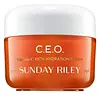 Key Ingredients
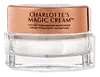
Benefits
Concerns
Ingredients Side-by-side
Water
Skin ConditioningSqualane
Emollient


Dicaprylyl Carbonate
EmollientTetrahexyldecyl Ascorbate
Antioxidant






C10-18 Triglycerides
Emollient
PEG-8 Beeswax
Emulsifying
Polyglyceryl-6 Distearate
Emulsifying
Tapioca Starch
Hydrogenated Vegetable Oil
Emollient

Prunus Amygdalus Dulcis Oil
Skin Conditioning
Citric Acid
Buffering

PPG-12/Smdi Copolymer
EmollientGlycerin
Humectant
Citrus Tangerina Peel Oil
Masking
Sodium Acrylates Copolymer
Bisabolol
Antioxidant
Jojoba Esters
Emollient
Tocopherol
Antioxidant

Caprylic/Capric Triglyceride
Masking
Limonene
Perfuming


Phenoxyethanol
Preservative
Lecithin
Emollient
Nylon-12


Rosa Centifolia Flower Wax
Skin ConditioningRosa Damascena Flower Wax
MaskingSodium Phytate
Cetyl Alcohol
Emollient
Polyglyceryl-3 Beeswax
Emulsifying
Butylene Glycol
Humectant
Caprylyl Glycol
Emollient
Alcohol Denat.
Antimicrobial

Chlorphenesin
Antimicrobial
Citrus Australasica Fruit Extract
Antioxidant
Polymethylsilsesquioxane

Terminalia Ferdinandiana Fruit Extract
Antioxidant
Butyrospermum Parkii Butter Extract
Skin Conditioning
Camellia Sinensis Leaf Extract
Antimicrobial
Citrus Junos Fruit Extract
Skin ConditioningCurcuma Longa Root Extract
Masking
Euterpe Oleracea Fruit Extract
Lippia Citriodora Flower Extract
Perfuming
Oenothera Biennis Seed Extract
Skin ConditioningRosa Canina Fruit Extract
Astringent
Alteromonas Ferment Extract
Skin Conditioning
Benzyl Alcohol
Perfuming
Sodium Hyaluronate
Humectant
Linalool
Perfuming
Dehydroacetic Acid
Preservative
Water, Squalane, Dicaprylyl Carbonate, Tetrahexyldecyl Ascorbate, C10-18 Triglycerides, PEG-8 Beeswax, Polyglyceryl-6 Distearate, Tapioca Starch, Hydrogenated Vegetable Oil, Prunus Amygdalus Dulcis Oil, Citric Acid, PPG-12/Smdi Copolymer, Glycerin, Citrus Tangerina Peel Oil, Sodium Acrylates Copolymer, Bisabolol, Jojoba Esters, Tocopherol, Caprylic/Capric Triglyceride, Limonene, Phenoxyethanol, Lecithin, Nylon-12, Rosa Centifolia Flower Wax, Rosa Damascena Flower Wax, Sodium Phytate, Cetyl Alcohol, Polyglyceryl-3 Beeswax, Butylene Glycol, Caprylyl Glycol, Alcohol Denat., Chlorphenesin, Citrus Australasica Fruit Extract, Polymethylsilsesquioxane, Terminalia Ferdinandiana Fruit Extract, Butyrospermum Parkii Butter Extract, Camellia Sinensis Leaf Extract, Citrus Junos Fruit Extract, Curcuma Longa Root Extract, Euterpe Oleracea Fruit Extract, Lippia Citriodora Flower Extract, Oenothera Biennis Seed Extract, Rosa Canina Fruit Extract, Alteromonas Ferment Extract, Benzyl Alcohol, Sodium Hyaluronate, Linalool, Dehydroacetic Acid
Water
Skin ConditioningC12-15 Alkyl Benzoate
AntimicrobialGlyceryl Stearate Se
Emulsifying
Butylene Glycol
Humectant
Glycerin
Humectant
Isononyl Isononanoate
EmollientCaprylic/Capric Triglyceride
Masking
Cetyl Alcohol
Emollient
Ethylhexyl Palmitate
Emollient
Cyclopentasiloxane
Emollient
Dimethicone
Emollient
Polyester-7
Skin ConditioningPhenoxyethanol
Preservative
Neopentyl Glycol Diheptanoate
EmollientHydrogenated Rapeseed Oil
Emollient
Butyrospermum Parkii Butter
Skin Conditioning
Steareth-21
CleansingAvena Sativa Kernel Extract
Abrasive
Carbomer
Emulsion StabilisingDimethiconol
Emollient
Potassium Cetyl Phosphate
EmulsifyingChlorphenesin
Antimicrobial
Caprylyl Glycol
Emollient
Xanthan Gum
EmulsifyingHydrolyzed Viola Tricolor Extract
Skin ProtectingAllantoin
Skin Conditioning
Aloe Barbadensis Leaf Juice Powder
Skin Conditioning
Disodium EDTA
Tocopheryl Acetate
Antioxidant
Camellia Oleifera Seed Oil
Skin Conditioning
Rosa Canina Fruit Oil
Emollient
Rosa Damascena Extract
MaskingSodium Hydroxide
BufferingHelianthus Annuus Seed Oil
Emollient
Michelia Alba Leaf Oil
Masking
Sodium Lactate
Buffering
PEG-8
HumectantEthylhexylglycerin
Skin ConditioningCoco-Glucoside
Cleansing
Sodium Hyaluronate
Humectant
Tocopherol
Antioxidant
Ascorbyl Palmitate
Antioxidant
Plumeria Rubra Flower Extract
Skin ConditioningAscorbic Acid
Antioxidant
Citric Acid
Buffering
Palmitoyl Tripeptide-1
Skin Conditioning
Palmitoyl Tetrapeptide-7
Skin Conditioning
Hydrolyzed Vegetable Protein
Skin ConditioningCitronellol
Perfuming
Geraniol
Perfuming
Linalool
Perfuming
Water, C12-15 Alkyl Benzoate, Glyceryl Stearate Se, Butylene Glycol, Glycerin, Isononyl Isononanoate, Caprylic/Capric Triglyceride, Cetyl Alcohol, Ethylhexyl Palmitate, Cyclopentasiloxane, Dimethicone, Polyester-7, Phenoxyethanol, Neopentyl Glycol Diheptanoate, Hydrogenated Rapeseed Oil, Butyrospermum Parkii Butter, Steareth-21, Avena Sativa Kernel Extract, Carbomer, Dimethiconol, Potassium Cetyl Phosphate, Chlorphenesin, Caprylyl Glycol, Xanthan Gum, Hydrolyzed Viola Tricolor Extract, Allantoin, Aloe Barbadensis Leaf Juice Powder, Disodium EDTA, Tocopheryl Acetate, Camellia Oleifera Seed Oil, Rosa Canina Fruit Oil, Rosa Damascena Extract, Sodium Hydroxide, Helianthus Annuus Seed Oil, Michelia Alba Leaf Oil, Sodium Lactate, PEG-8, Ethylhexylglycerin, Coco-Glucoside, Sodium Hyaluronate, Tocopherol, Ascorbyl Palmitate, Plumeria Rubra Flower Extract, Ascorbic Acid, Citric Acid, Palmitoyl Tripeptide-1, Palmitoyl Tetrapeptide-7, Hydrolyzed Vegetable Protein, Citronellol, Geraniol, Linalool
Reviews
Ingredients Explained
These ingredients are found in both products.
Ingredients higher up in an ingredient list are typically present in a larger amount.
Butylene Glycol (or BG) is used within cosmetic products for a few different reasons:
Overall, Butylene Glycol is a safe and well-rounded ingredient that works well with other ingredients.
Though this ingredient works well with most skin types, some people with sensitive skin may experience a reaction such as allergic rashes, closed comedones, or itchiness.
Learn more about Butylene GlycolCaprylic/Capric Triglyceride (aka MCT Oil) is a lightweight emollient, solvent, and texture enhancer. It is considered a skin-softener by helping to prevent moisture loss.
Though it behaves like an oil, it is not technically one due to its chemical composition. One perk of this ingredient is that it is very stable, resistant to oxidation, and unlikely to go rancid.
In practice, that translates to a long shelf life and a consistently elegant skin feel.
While there is an assumption Caprylic Triglyceride can clog pores due to it being derived from coconut oil, there is no research supporting this. Just patch test if you have concerns.
Fractionated coconut oil and MCT Oil are both listed as Caprylic/Capric Triglyceride according to INCI. This is because INCI names are based on the ingredient’s final chemical composition and not its marketing name or source.
This ingredient is treated as the gold standard fungal acne safe oil. Even though it is coconut derived, the problematic lauric acid is stripped out.
This leaves just caprylic (C8) and capric (C10) acid. These chain lengths actually trend antifungal; a 2020 study found caprylic acid was enough to disrupt Malassezia furfur cell membrane, with a caprylic acid derivative damaging membrane structures at concentrations as low as 0.2%.
Learn more about Caprylic/Capric TriglycerideCaprylyl Glycol is a humectant, skin conditioner, emollient, and preservative booster derived from either caprylic acid or synthetically created.
Typical use levels vary from 0.3-1% as a preservative booster and go up to 2% to condition skin.
Because it is not a free-fatty acid, this ingredient is fungal acne safe (there's nothing for Malassezia to feed on).
Learn more about Caprylyl GlycolCetyl Alcohol is a fatty alcohol. Fatty Alcohols are most often used as an emollient or to thicken a product.
Its main roles are:
Though it has "alcohol" in the name, it is not related to denatured alcohol or ethyl alcohol.
The FDA allows products labeled "alcohol-free" to have fatty alcohols.
This ingredient may not be fungal acne safe. It is a primary fatty alcohol with a chain length above 12 carbons. A study from 2019 show Malassezia can feed on fatty alcohols in this range, so it may trigger fungal acne in those prone to it.
Learn more about Cetyl AlcoholChlorphenesin is a synthetic preservative. It helps protect a product against bacteria in order to extend shelf life. In most cases, Chlorphenesin is paired with other preservatives such as phenoxyethanol and caprylyl glycol.
Chlorphenesin is a biocide. This means it is able to help fight the microorganisms on our skin. It is also able to fight odor-releasing bacteria.
Chlorphenesin is soluble in both water and glycerin.
Studies show Chlorphenesin is easily absorbed by our skin. You should speak with a skincare professional if you have concerns about using Chlorphenesin.
Learn more about ChlorphenesinCitric Acid is an alpha hydroxy acid (AHA) naturally found in citrus fruits like oranges, lemons, and limes.
Like other AHAs, citric acid can exfoliate skin by breaking down the bonds that hold dead skin cells together. This helps reveal smoother and brighter skin underneath.
However, this exfoliating effect only happens at high concentrations (20%) which can be hard to find in cosmetic products.
Due to this, citric acid is usually included in small amounts as a pH adjuster. This helps keep products slightly more acidic and compatible with skin's natural pH.
In skincare formulas, citric acid can:
While it can provide some skin benefits, research shows lactic acid and glycolic acid are generally more effective and less irritating exfoliants.
Most citric acid used in skincare today is made by fermenting sugars (usually from molasses). This synthetic version is identical to the natural citrus form but easier to stabilize and use in formulations.
Read more about some other popular AHA's here:
Learn more about Citric AcidGlycerin (or glycerol) is a compound naturally found in your skin. It's a powerhouse humectant that pulls water into the stratum corneum.
Topically, glycerin does several things at once:
Your skin makes glycerin on its own (mostly from sebaceous oil breakdown) and shuttles it to your outermost layer of skin, or your epidermis, via aquaporin-3.
Aquaporin-3 is a transporter that is essential for normal skin hydration, elasticity, and repair. Interestingly, mice lacking in AQP3 have dry and less elastic skin that can be fully corrected with glycerin.
This ingredient is non-irritating, plays well with almost every ingredient, and works across all skin types. Typical use is anywhere between 3-10% but can go up to 79% in some leave-on products.
Just know very high concentrations (>40%) can feel tacky in low humidity.
Glycerin is the name for this ingredient in American English. British English uses Glycerol/Glycerine.
Learn more about GlycerinLinalool is a fragrance and helps add scent to products. It's derived from common plants such as cinnamon, mint, citrus, and lavender.
Like Limonene, this ingredient oxidizes when exposed to air. Oxidized linalool can cause allergies and skin sensitivity.
This ingredient has a scent that is floral, spicy tropical, and citrus-like.
Learn more about LinaloolPhenoxyethanol is a preservative that has germicide, antimicrobial, and aromatic properties. Studies show that phenoxyethanol can prevent microbial growth. By itself, it has a scent that is similar to that of a rose.
It's often used in formulations along with Caprylyl Glycol to preserve the shelf life of products.
Sodium Hyaluronate is the salt form of hyaluronic acid. It is a long sugar chain that is naturally found in your skin, joints, and connective tissue that maintains hydration and elasticity.
In skincare, it works as a humectant. It pulls water from the environment and deeper layers of skin and binds it to the surface.
Interestingly, the size of the molecule affects its behavior:
Some clinical evidence links low molecular weight versions to improved wrinkle depth, elasticity, anti-inflammatory effects, and barrier repair.
Many serums use a blend of both weights so you can get surface hydration plus longer-lasting and deeper effects.
You'll typically see concentrations between 0.1-2% for this ingredient.
Learn more about Sodium HyaluronateTocopherol is a fat-soluble antioxidant known as Vitamin E.
You'll find this ingredient in the vast majority of skincare (for good reason). It works to neutralize free radicals, or unstable molecules generated by UV exposure, pollution, and other environmental stressors, before they can cause oxidative damage to your skin cells.
Topically applied tocopherol has been shown to protect against UV damage by ramping up the skin's own natural defense enzymes.
It also acts as a skin conditioning agent; some studies show that regular topical use can improve the skin's water-binding capacity over 2-4 weeks.
This ingredient is especially loved for being a team player. When combined with Vitamin C, the photoprotective effect of both ingredients roughly doubles and the combo also helps reduce UV-induced DNA damage.
This ingredient has some brightening potential but it's more of a prevention ingredient than spot-fader. Cell studies show it can slow down melanin production but it's worth noting that it's not the most powerful brightener out there.
In formulations, it also serves as a stabilizer that helps protect other oxidation-prone ingredients from degrading.
Concentrations usually range from 0.1-1% in most leave-on products.
Learn more about TocopherolWater. It's the most common cosmetic ingredient of all. You'll usually see it at the top of ingredient lists, meaning that it makes up the largest part of the product.
So why is it so popular? Water most often acts as a solvent - this means that it helps dissolve other ingredients into the formulation.
You'll also recognize water as that liquid we all need to stay alive. If you see this, drink a glass of water. Remember to stay hydrated!
Learn more about Water
