

What's inside
What's inside
 Key Ingredients
Benefits
Concerns
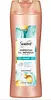
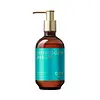
Ingredients Side-by-side
Water
Skin ConditioningSodium C12-15 Alketh Sulfate
Cleansing
Cocamidopropyl Betaine
Cleansing



Sodium Chloride
MaskingDimethiconol
Emollient
Parfum
Masking

Glycerin
Humectant


Sodium Benzoate
Masking
Citric Acid
Buffering

Glycol Distearate
Emollient
Carbomer
Emulsion StabilisingSodium Laureth Sulfate
Cleansing
Guar Hydroxypropyltrimonium Chloride
Skin ConditioningTea-Dodecylbenzenesulfonate
CleansingCocamide Mea
Emulsifying
Disodium EDTA
ChelatingPEG-45m
HumectantPrunus Amygdalus Dulcis Oil
Skin Conditioning

Argania Spinosa Kernel Oil
Emollient


Cocos Nucifera Oil
Masking
PPG-9
Skin ConditioningPropylene Glycol
Humectant
Alpha-Isomethyl Ionone
Perfuming
Coumarin
Perfuming
Linalool
Perfuming
CI 19140
Cosmetic ColorantCI 17200
Cosmetic ColorantWater, Sodium C12-15 Alketh Sulfate, Cocamidopropyl Betaine, Sodium Chloride, Dimethiconol, Parfum, Glycerin, Sodium Benzoate, Citric Acid, Glycol Distearate, Carbomer, Sodium Laureth Sulfate, Guar Hydroxypropyltrimonium Chloride, Tea-Dodecylbenzenesulfonate, Cocamide Mea, Disodium EDTA, PEG-45m, Prunus Amygdalus Dulcis Oil, Argania Spinosa Kernel Oil, Cocos Nucifera Oil, PPG-9, Propylene Glycol, Alpha-Isomethyl Ionone, Coumarin, Linalool, CI 19140, CI 17200
Water
Skin ConditioningLauramidopropyl Betaine
CleansingSodium Lauroyl Methylalanine
Sodium Laureth-6 Carboxylate
CleansingTriethylhexanoin
MaskingCocamidopropyl Betaine
Cleansing
Cocamide DEA
Emulsifying
Potassium Cocoyl Hydrolyzed Collagen
Skin Conditioning
Hydrogenated Argania Spinosa Kernel Oil
Emollient
Argania Spinosa Kernel Oil
Emollient
Argania Spinosa Callus Culture Extract
Skin ConditioningGamma-Docosalactone
Skin ConditioningHydrolyzed Silk Pg-Propyl Methylsilanediol
Skin ConditioningSodium Lauroyl Glutamate
SurfactantPolyquaternium-64
Isostearoyl Hydrolyzed Keratin
CleansingGlyoxylic Acid
BufferingOpuntia Ficus-Indica Seed Oil
Emollient
Rosa Centifolia Flower Oil
Masking
Moringa Oleifera Seed Oil
Emollient
Macadamia Ternifolia Seed Oil
Emollient
Olea Europaea Fruit Oil
Masking
Hydrolyzed Keratin
Humectant
Hematin
Diisostearyl Malate
EmollientPolyquaternium-47
Skin ConditioningPolyquaternium-53
Brassica Campestris/Aleurites Fordi Oil Copolymer
Skin Conditioning
Sphingolipids
Emollient
PPG-3 Caprylyl Ether
Foam BoostingDimer Dilinoleyl Dimer Dilinoleate
EmollientZein
Skin ConditioningLanolin Acid
Cleansing
Polyquaternium-92
Hydroxypropyltrimonium Hyaluronate
Diethyl Sebacate
EmollientBis-Ethoxydiglycol Cyclohexane 1,4-Dicarboxylate
EmollientPotassium Cocoyl Glycinate
Surfactant
Guar Hydroxypropyltrimonium Chloride
Skin ConditioningPolyquaternium-50
Cyclopentasiloxane
Emollient
Isomalt
HumectantLecithin
Emollient
Polyquaternium-7
Polyquaternium-10
Isopentyldiol
Humectant
Glycerin
Humectant
Isononanoic Acid
1,2-Hexanediol
Skin Conditioning
Caprylyl Glycol
Emollient
Butylene Glycol
Humectant
Sodium Chloride
MaskingPhytic Acid
Chelating
Citric Acid
Buffering
Sodium Citrate
BufferingDecyl Glucoside
Cleansing
Polysorbate 80
Emulsifying
Potassium Cocoate
Emulsifying
PEG-160 Sorbitan Triisostearate
Cleansing
Pentasodium Pentetate
ChelatingMagnesium Nitrate
Magnesium Chloride
Sodium Carbonate
BufferingMethylisothiazolinone
Preservative
Methylchloroisothiazolinone
Preservative
Pentylene Glycol
Skin Conditioning
Sodium Benzoate
Masking
Silver Oxide
AntimicrobialDisodium EDTA
ChelatingDipropylene Glycol
HumectantTocopherol
Antioxidant

Phenoxyethanol
Preservative
Alcohol
Antimicrobial
Parfum
Masking
Water, Lauramidopropyl Betaine, Sodium Lauroyl Methylalanine, Sodium Laureth-6 Carboxylate, Triethylhexanoin, Cocamidopropyl Betaine, Cocamide DEA, Potassium Cocoyl Hydrolyzed Collagen, Hydrogenated Argania Spinosa Kernel Oil, Argania Spinosa Kernel Oil, Argania Spinosa Callus Culture Extract, Gamma-Docosalactone, Hydrolyzed Silk Pg-Propyl Methylsilanediol, Sodium Lauroyl Glutamate, Polyquaternium-64, Isostearoyl Hydrolyzed Keratin, Glyoxylic Acid, Opuntia Ficus-Indica Seed Oil, Rosa Centifolia Flower Oil, Moringa Oleifera Seed Oil, Macadamia Ternifolia Seed Oil, Olea Europaea Fruit Oil, Hydrolyzed Keratin, Hematin, Diisostearyl Malate, Polyquaternium-47, Polyquaternium-53, Brassica Campestris/Aleurites Fordi Oil Copolymer, Sphingolipids, PPG-3 Caprylyl Ether, Dimer Dilinoleyl Dimer Dilinoleate, Zein, Lanolin Acid, Polyquaternium-92, Hydroxypropyltrimonium Hyaluronate, Diethyl Sebacate, Bis-Ethoxydiglycol Cyclohexane 1,4-Dicarboxylate, Potassium Cocoyl Glycinate, Guar Hydroxypropyltrimonium Chloride, Polyquaternium-50, Cyclopentasiloxane, Isomalt, Lecithin, Polyquaternium-7, Polyquaternium-10, Isopentyldiol, Glycerin, Isononanoic Acid, 1,2-Hexanediol, Caprylyl Glycol, Butylene Glycol, Sodium Chloride, Phytic Acid, Citric Acid, Sodium Citrate, Decyl Glucoside, Polysorbate 80, Potassium Cocoate, PEG-160 Sorbitan Triisostearate, Pentasodium Pentetate, Magnesium Nitrate, Magnesium Chloride, Sodium Carbonate, Methylisothiazolinone, Methylchloroisothiazolinone, Pentylene Glycol, Sodium Benzoate, Silver Oxide, Disodium EDTA, Dipropylene Glycol, Tocopherol, Phenoxyethanol, Alcohol, Parfum
Ingredients Explained
These ingredients are found in both products.
Ingredients higher up in an ingredient list are typically present in a larger amount.
You may know this ingredient as argan oil. It has emollient and skin conditioning properties that help soften skin and reinforce the lipid barrier.
The fatty acid profile of argan oil is roughly 45-55% oleic acid, 28-36% linoleic acid, 10-15% palmitic acid, and 5-7% stearic acid. It also contains vitamin E, sterols, squalene, and polyphenols like ferulic acid.
Two clinical studies in postmenopausal women found that applying argan oil for 60 days significantly improved skin elasticity and moisturization (reduced transepidermal water loss and increased epidermal water content).
Since it is high in oleic and linoleic acid, this ingredient may not be fungal acne safe. Both of these fall in the C11-C24 range that Malassezia yeast can metabolize.
Learn more about Argania Spinosa Kernel OilCitric Acid is an alpha hydroxy acid (AHA) naturally found in citrus fruits like oranges, lemons, and limes.
Like other AHAs, citric acid can exfoliate skin by breaking down the bonds that hold dead skin cells together. This helps reveal smoother and brighter skin underneath.
However, this exfoliating effect only happens at high concentrations (20%) which can be hard to find in cosmetic products.
Due to this, citric acid is usually included in small amounts as a pH adjuster. This helps keep products slightly more acidic and compatible with skin's natural pH.
In skincare formulas, citric acid can:
While it can provide some skin benefits, research shows lactic acid and glycolic acid are generally more effective and less irritating exfoliants.
Most citric acid used in skincare today is made by fermenting sugars (usually from molasses). This synthetic version is identical to the natural citrus form but easier to stabilize and use in formulations.
Rosacea skin has a lower threshold for acids generally, with 62.5% of rosacea subjects in one study reacting to lactic acid in a sting test. This is why we mark citric acid as a potential rosacea trigger.
However, this ingredient shows up as a pH adjuster or chelator at roughly 0.1-1% in many products. These low levels are unlikely to be an issue for rosacea skin and becomes a potential trigger at exfoliating concentrations (20%). Because everybody's skin is unique, we recommend a patch test if you are unsure.
Learn more about Citric AcidCocamidopropyl Betaine is a fatty acid created by mixing similar compounds in coconut oil and dimethylaminopropylamine, a compound with two amino groups.
This ingredient is a surfactant and cleanser. It helps gather the dirt, pollutants, and other impurities in your skin to be washed away. It also helps thicken a product and make the texture more creamy.
Being created from coconut oil means Cocamidopropyl Betaine is hydrating for the skin.
While Cocamidopropyl Betaine was believed to be an allergen, a study from 2012 disproved this. It found two compounds in unpure Cocamidopropyl Betaine to be the irritants: aminoamide and 3-dimethylaminopropylamine. High-grade and pure Cocamidopropyl Betaine did not induce allergic reactions during this study.
Learn more about Cocamidopropyl BetaineDisodium EDTA is a chelating agent. It grabs onto and deactivates metal ions that sneak into your products from water, packaging, or air.
This ingredient mainly works behind the scenes and helps with:
On top of that, this ingredient can counteract the effects of hard water by binding to the minerals in it.
One thing worth knowing is that Disodium EDTA has been shown to be a mild penetration enhancer. It can help other ingredients absorb into skin more effectively which can be a double-edged sword (great for actives, but can also make the active too strong if you have sensitive skin).
Clinical patch testing showed no significant skin irritation at typical use concentrations and minimal dermal absorption.
You'll most likely see this ingredient near the end of an ingredient list. It's typically found in concentrations less than 1%.
Learn more about Disodium EDTAGlycerin (or glycerol) is a compound naturally found in your skin. It's a powerhouse humectant that pulls water into the stratum corneum.
Topically, glycerin does several things at once:
Your skin makes glycerin on its own (mostly from sebaceous oil breakdown) and shuttles it to your outermost layer of skin, or your epidermis, via aquaporin-3.
Aquaporin-3 is a transporter that is essential for normal skin hydration, elasticity, and repair. Interestingly, mice lacking in AQP3 have dry and less elastic skin that can be fully corrected with glycerin.
This ingredient is non-irritating, plays well with almost every ingredient, and works across all skin types. Typical use is anywhere between 3-10% but can go up to 79% in some leave-on products.
Just know very high concentrations (>40%) can feel tacky in low humidity.
Glycerin is the name for this ingredient in American English. British English uses Glycerol/Glycerine.
Learn more about GlycerinThis ingredient is derived from guar gum. It is a skin conditioning agent that creates a thin, breathable film to reduce water loss during cleansing.
This leaves the skin feeling soft rather than stripped and also contributes to a creamier lather.
Due to the large molecule size, this ingredient is unlikely to penetrate skin.
Learn more about Guar Hydroxypropyltrimonium ChlorideParfum is a catch-all term for an ingredient or more that is used to give a scent to products.
Also called "fragrance", this ingredient can be a blend of hundreds of chemicals or plant oils. This means every product with "fragrance" or "parfum" in the ingredients list is a different mixture.
For instance, Habanolide is a proprietary trade name for a specific aroma chemical. When used as a fragrance ingredient in cosmetics, most aroma chemicals fall under the broad labeling category of “FRAGRANCE” or “PARFUM” according to EU and US regulations.
The term 'parfum' or 'fragrance' is not regulated in many countries. In many cases, it is up to the brand to define this term.
For instance, many brands choose to label themselves as "fragrance-free" because they are not using synthetic fragrances. However, their products may still contain ingredients such as essential oils that are considered a fragrance by INCI standards.
One example is Calendula flower extract. Calendula is an essential oil that still imparts a scent or 'fragrance'.
Depending on the blend, the ingredients in the mixture can cause allergies and sensitivities on the skin. Some ingredients that are known EU allergens include linalool and citronellol.
Parfum can also be used to mask or cover an unpleasant scent.
The bottom line is: not all fragrances/parfum/ingredients are created equally. If you are worried about fragrances, we recommend taking a closer look at an ingredient. And of course, we always recommend speaking with a professional.
Learn more about ParfumSodium Benzoate is a preservative. It's used in both cosmetic and food products to inhibit the growth of mold and bacteria. It is typically produced synthetically.
Both the US FDA and EU Health Committee have approved the use of sodium benzoate. In the US, levels of 0.1% (of the total product) are allowed.
Sodium benzoate works as a preservative by inhibiting the growth of bacteria inside of cells. It prevents the cell from fermenting a type of sugar using an enzyme called phosphofructokinase.
It is the salt of benzoic acid. Foods containing sodium benzoate include soda, salad dressings, condiments, fruit juices, wines, and snack foods.
Studies for using ascorbic acid and sodium benzoate in cosmetics are lacking, especially in skincare routines with multiple steps.
We always recommend speaking with a professional, such as a dermatologist, if you have any concerns.
Learn more about Sodium BenzoateChances are, you eat sodium chloride every day. Sodium Chloride is also known as table salt. This ingredient has many purposes in skincare: thickener, emulsifier, and exfoliator.
You'll most likely find this ingredient in cleansers where it is used to create a gel-like texture. As an emulsifier, it also prevents ingredients from separating.
You might see people debate whether Sodium Chloride is comedogenic, but there actually haven't been any comedogenic tests done on it. Either way, the overall formulation of a product matters a lot more than any single ingredient.
You might see this ingredient used in scrubs as a primary exfoliating ingredient.
Learn more about Sodium ChlorideWater. It's the most common cosmetic ingredient of all. You'll usually see it at the top of ingredient lists, meaning that it makes up the largest part of the product.
So why is it so popular? Water most often acts as a solvent - this means that it helps dissolve other ingredients into the formulation.
You'll also recognize water as that liquid we all need to stay alive. If you see this, drink a glass of water. Remember to stay hydrated!
Learn more about Water

