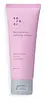
This calming moisturizer is formulated around Sodium Hyaluronate and Arbutin to calm redness and hydrate skin.
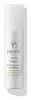
This barrier-repair moisturizer is formulated around Squalane and Simmondsia Chinensis Seed Oil to strengthen the skin barrier and hydrate skin.


What's inside
What's inside
 Key Ingredients
Benefits
Concerns
Ingredients Side-by-side
Water
Skin ConditioningCarbomer
Emulsion StabilisingSodium Hyaluronate
Humectant




Glycerin
Humectant
Arbutin
Antioxidant



Adenosine
Skin Conditioning
Beeswax
Emulsion Stabilising




Egg Oil
Skin Conditioning
Tocopherol
Antioxidant
Helianthus Annuus Seed Oil
Emollient
Butyrospermum Parkii Butter
Skin Conditioning
Simmondsia Chinensis Seed Oil
Emollient
Oryza Sativa Germ Oil
Emollient
Dimethicone/Vinyl Dimethicone Crosspolymer
Skin Conditioning
Sodium Ascorbyl Phosphate
Antioxidant


Sorbitan Olivate
Emulsifying
Glyceryl Stearate
Emollient
Cetearyl Alcohol
Emollient

Vaccinium Angustifolium Fruit Extract
Skin Protecting
Aronia Melanocarpa Fruit Extract
Skin ConditioningLycium Chinense Fruit Extract
Antioxidant
Propolis Extract
Skin Conditioning

Glycyrrhiza Glabra Root Extract
Bleaching
Prunus Armeniaca Kernel Extract
Skin ConditioningLaminaria Japonica Extract
Skin Protecting
Ulmus Davidiana Root Extract
Skin Conditioning
1,2-Hexanediol
Skin Conditioning
Lavandula Angustifolia Oil
Masking



Water, Carbomer, Sodium Hyaluronate, Glycerin, Arbutin, Adenosine, Beeswax, Egg Oil, Tocopherol, Helianthus Annuus Seed Oil, Butyrospermum Parkii Butter, Simmondsia Chinensis Seed Oil, Oryza Sativa Germ Oil, Dimethicone/Vinyl Dimethicone Crosspolymer, Sodium Ascorbyl Phosphate, Sorbitan Olivate, Glyceryl Stearate, Cetearyl Alcohol, Vaccinium Angustifolium Fruit Extract, Aronia Melanocarpa Fruit Extract, Lycium Chinense Fruit Extract, Propolis Extract, Glycyrrhiza Glabra Root Extract, Prunus Armeniaca Kernel Extract, Laminaria Japonica Extract, Ulmus Davidiana Root Extract, 1,2-Hexanediol, Lavandula Angustifolia Oil
Water
Skin ConditioningGlycerin
Humectant
Squalane
Emollient
Simmondsia Chinensis Seed Oil
Emollient
Butyrospermum Parkii Butter
Skin Conditioning
Propanediol
Solvent
Candelilla/Jojoba/Rice Bran Polyglyceryl-3 Esters
Emulsifying
Saccharide Isomerate
Humectant
Cetearyl Alcohol
Emollient
Argania Spinosa Kernel Oil
Emollient
Rosa Canina Seed Extract
EmollientAloe Barbadensis Leaf Extract
Emollient
Glyceryl Stearate
Emollient
Cetearyl Glucoside
Emulsifying
Sodium Stearoyl Lactylate
EmulsifyingBeta-Glucan
Skin Conditioning
Ectoin
Skin Conditioning
Vaccinium Macrocarpon Seed Oil
Skin Conditioning
Vaccinium Corymbosum Seed Oil
Antioxidant
Fragaria Ananassa Seed Oil
Antioxidant
Rubus Idaeus Seed Oil
Emollient
Ribes Nigrum Seed Oil
Emollient
Pectin
Emulsion StabilisingSclerotium Gum
Emulsion StabilisingSodium Gluconate
Skin ConditioningTocopherol
Antioxidant
Ascorbyl Palmitate
Antioxidant
Lecithin
Emollient
Salvia Hispanica Seed Oil
Emollient
Reseda Luteola Flower/Leaf/Stem Extract
Skin ConditioningSodium Hyaluronate
Humectant
Terminalia Ferdinandiana Fruit Extract
Antioxidant
Sodium Levulinate
Skin ConditioningLevulinic Acid
Perfuming
Sodium Anisate
AntimicrobialHelianthus Annuus Seed Oil
Emollient
Citrus Aurantium Dulcis Peel Oil Expressed
Perfuming
Pelargonium Graveolens Oil
Masking
Lavandula Angustifolia Oil
Masking
Boswellia Carterii Gum Oil
Perfuming
Citric Acid
Buffering
Sodium Citrate
BufferingXanthan Gum
EmulsifyingCitral
Perfuming
Citronellol
Perfuming
Linalool
Perfuming
Limonene
Perfuming
Water, Glycerin, Squalane, Simmondsia Chinensis Seed Oil, Butyrospermum Parkii Butter, Propanediol, Candelilla/Jojoba/Rice Bran Polyglyceryl-3 Esters, Saccharide Isomerate, Cetearyl Alcohol, Argania Spinosa Kernel Oil, Rosa Canina Seed Extract, Aloe Barbadensis Leaf Extract, Glyceryl Stearate, Cetearyl Glucoside, Sodium Stearoyl Lactylate, Beta-Glucan, Ectoin, Vaccinium Macrocarpon Seed Oil, Vaccinium Corymbosum Seed Oil, Fragaria Ananassa Seed Oil, Rubus Idaeus Seed Oil, Ribes Nigrum Seed Oil, Pectin, Sclerotium Gum, Sodium Gluconate, Tocopherol, Ascorbyl Palmitate, Lecithin, Salvia Hispanica Seed Oil, Reseda Luteola Flower/Leaf/Stem Extract, Sodium Hyaluronate, Terminalia Ferdinandiana Fruit Extract, Sodium Levulinate, Levulinic Acid, Sodium Anisate, Helianthus Annuus Seed Oil, Citrus Aurantium Dulcis Peel Oil Expressed, Pelargonium Graveolens Oil, Lavandula Angustifolia Oil, Boswellia Carterii Gum Oil, Citric Acid, Sodium Citrate, Xanthan Gum, Citral, Citronellol, Linalool, Limonene
Ingredients Explained
These ingredients are found in both products.
Ingredients higher up in an ingredient list are typically present in a larger amount.
This ingredient is also known as shea butter. It is a plant-derived extract from the nuts of the Africa shea tree and one of the most well-studied emollients.
Because it has a high concentration of fatty acids (primarily oleic, stearic, and linoleic) it is able to form a protective barrier on the skin's surface. This helps seal in moisture and prevents transepidermal water loss (TEWL).
In vitro research found an increase in skin hydration by 58% and a decrease in TEWL by 37.8% after 24 hours of applying this ingredient (pretty impressive for a single ingredient!).
Besides hydration, shea butter also contains triterpenes that have anti-inflammatory potential. In particule, lupeol cinnamate has shown the highest anti-inflammatory activity in vivo.
Shea butter also contains vitamins A and E which may contribute to antioxidant activity.
While Shea Butter has an SPF rating of about 3-4, it is not a sunscreen replacement.
This ingredient may not be fungal acne safe because its fatty acids fall within the C11-C24 range that the Malassezia yeast can metabolize.
This ingredient shows up on a lot of "pore-clogging" lists but there's no real evidence behind that. It doesn't even have a comedogenic rating from an actual study; the numbers you'll find online come from blogs citing other blogs.
Ratings for other ingredients mostly come from a 1980s rabbit ear test. This test doesn't translate well to human skin or to real products because the ingredient sits at a much lower percentage.
Some people still find it breaks them out. So if that's you, definitely trust your skin. Just know this one's based on experience and not evidence.
Learn more about Butyrospermum Parkii ButterCetearyl alcohol is a waxy mixture of two fatty alcohols: cetyl alcohol and stearyl alcohol. It is an emollient and emulsifier.
Despite having "alcohol" in its name, it has nothing to do with drying solvent alcohols; the FDA also allows "alcohol-free" products to contain fatty alcohols like this ingredient.
It plays several roles in a formula:
Typical use levels for this ingredient sit around 1-10% and the Cosmetic Ingredient Review Expert Panel has affirmed safety at concentrations up to 25% in leave-on products.
Multiple assessments have found it to be non-irritating and non-sensitizing to most people.
However, there have been some cases of allergic contact dermatitis in patients with chronically compromised skin barriers.
Cetearyl alcohol has a comedogenic rating of 2 and irritancy rating of 1. Both of these numbers come from the 1989 study that used rabbit ears; a "2" means mildly comedogenic and a "1" means low irritancy.
Here's the catch: rabbit skin is more sensitive than human skin and throws a lot of false positives. A 1996 reappraisal found that ingredients rated 1-2 in the rabbit ear tests are generally safe for humans.
Remember comedogenic ratings are unable to assess the entire formula of a product or how it will react on your skin. Just be sure to patch test if you are unsure about certain ingredients.
This ingredient is not fungal acne safe. Cetearyl alcohol is a fatty alcohol with chain lengths that fall within the range that Malassezia can metabolize.
A 2019 study has also observed Malassezia growth in the presence of this ingredient, confirming it to be not-fungal acne safe.
Learn more about Cetearyl AlcoholGlycerin (or glycerol) is a compound naturally found in your skin. It's a powerhouse humectant that pulls water into the stratum corneum.
Topically, glycerin does several things at once:
Your skin makes glycerin on its own (mostly from sebaceous oil breakdown) and shuttles it to your outermost layer of skin, or your epidermis, via aquaporin-3.
Aquaporin-3 is a transporter that is essential for normal skin hydration, elasticity, and repair. Interestingly, mice lacking in AQP3 have dry and less elastic skin that can be fully corrected with glycerin.
This ingredient is non-irritating, plays well with almost every ingredient, and works across all skin types. Typical use is anywhere between 3-10% but can go up to 79% in some leave-on products.
Just know very high concentrations (>40%) can feel tacky in low humidity.
Glycerin is the name for this ingredient in American English. British English uses Glycerol/Glycerine.
Learn more about GlycerinGlyceryl Stearate is made by reacting glycerin with stearic acid (typically sourced from plant oils like palm or coconut). It's an emulsifier, emollient, and mild occlusive.
Emulsifiers help ingredients like oil and water stay mixed so your formula stays nicely blended and uniform in texture.
This ingredient is typically used in concentrations between 1-10%. Studies have found it to be non-sensitizing, non-phototoxic, and non-photoallergenic.
A close cousin of this ingredient is Glyceryl Stearate SE ("self-emulsifying"). This just has a small amount of sodium or potassium stearate added so it can emulsify without a co-emulsifier.
Since this ingredient is an ester of a C18 fatty acid, it may not be fungal acne safe. The Malassezia yeast can potentially metabolize within the C11-C24 range.
Fun fact: The human body also creates Glyceryl Stearate naturally.
Learn more about Glyceryl StearateHelianthus Annuus Seed Oil is a plant oil derived from the seeds of a sunflower.
It is rich in fatty acids, primarily linoleic acid and oleic acid. This gives it emollient and skin conditioning properties.
The reason this ingredient is so effective is because it forms a thin film on the skin that reduces transepidermal water loss (TEWL) while supplying linoleic acid to the stratum corneum to improve barrier strength.
The high linoleic acid content is particularly noteworthy for acne-prone skin.
Research suggests that acne-prone skin tends to be deficient in linoleic acid in sebum. Topical application may help replenish this to support a healthier follicular environment and less comedone-promoting sebum.
One randomized study found sunflower seed oil preserved skin barrier integrity in adult volunteers with and without atopic dermatitis (outperforming olive oil).
This ingredient is well-studied, gentle, and an effective emollient suitable for most skin types.
On fungal acne: This ingredient may not be Fungal acne (Malassezia folliculitis) safe. This is because it contains fatty acids with carbon chain lengths in the C11-C24 range.
Learn more about Helianthus Annuus Seed OilLavandula Angustifolia Oil is more commonly known as lavender essential oil. It is considered a fragrancing ingredient.
Lavender imparts a famous scent. While the smell is lovely, this ingredient and may sensitize skin in topical products. This is because about 85% of the oil is made up of linalool and linalyl acetate.
When exposed to air, these two compounds become strong allergens. This ingredient exhibits cytotoxicity at low concentrations; amounts of 0.25% have been shown to damage skin cells.
A study from Japan found this ingredient caused lavender sensitivity after widespread exposure.
Lavender essential oil has some antimicrobial, antibacterial, and anti-inflammatory properties. However, the cons of this ingredient may outweight the pros.
More research is needed to confirm lavender essential oil's effects when used in aromatherapy.
Lavandula Angustifolia is known as the English Lavender and famous for creating purple fields in Provence, France.
Learn more about Lavandula Angustifolia OilJojoba oil is one of the most well-studied plant-derived ingredients in cosmetics. It is an emollient with a special structure.
Because it is made up of 97-98% wax esters, it closely mirrors the linear monoesters found in human sebum. This makes it skin compatible, non-greasy, and lightweight.
Unlike other plant oils, jojoba wax doesn't easily penetrate skin. It mostly works in the uppermost layers as an emollient. This just means it forms a light barrier on the skin to help retain moisture.
Formulations with jojoba esters up to 90% reduced transepidermal water loss (TEWL) and increased barrier recovery by 81% (outperforming bisabolol at 47%).
Besides barrier support, the science also suggests jojoba to have anti-inflammatory effects and potential applications for skin infections, aging, and wound healing.
Fun fact: Indigenous cultures have used jojoba as a moisturizer and to help treat burns for centuries.
Fungal acne: The Malassezia yeast is known to metabolize fatty acids in the C11-24 range and jojoba's dominant fatty acid components fall into this range. This ingredient may not be fungal acne safe.
Learn more about Simmondsia Chinensis Seed OilSodium Hyaluronate is the salt form of hyaluronic acid. It is a long sugar chain that is naturally found in your skin, joints, and connective tissue that maintains hydration and elasticity.
In skincare, it works as a humectant. It pulls water from the environment and deeper layers of skin and binds it to the surface.
Interestingly, the size of the molecule affects its behavior:
Some clinical evidence links low molecular weight versions to improved wrinkle depth, elasticity, anti-inflammatory effects, and barrier repair.
Many serums use a blend of both weights so you can get surface hydration plus longer-lasting and deeper effects.
You'll typically see concentrations between 0.1-2% for this ingredient.
Learn more about Sodium HyaluronateTocopherol is a fat-soluble antioxidant known as Vitamin E.
You'll find this ingredient in the vast majority of skincare (for good reason). It works to neutralize free radicals, or unstable molecules generated by UV exposure, pollution, and other environmental stressors, before they can cause oxidative damage to your skin cells.
Topically applied tocopherol has been shown to protect against UV damage by ramping up the skin's own natural defense enzymes.
It also acts as a skin conditioning agent; some studies show that regular topical use can improve the skin's water-binding capacity over 2-4 weeks.
This ingredient is especially loved for being a team player. When combined with Vitamin C, the photoprotective effect of both ingredients roughly doubles and the combo also helps reduce UV-induced DNA damage.
This ingredient has some brightening potential but it's more of a prevention ingredient than spot-fader. Cell studies show it can slow down melanin production but it's worth noting that it's not the most powerful brightener out there.
In formulations, it also serves as a stabilizer that helps protect other oxidation-prone ingredients from degrading.
Concentrations usually range from 0.1-1% in most leave-on products.
Learn more about TocopherolWater. It's the most common cosmetic ingredient of all. You'll usually see it at the top of ingredient lists, meaning that it makes up the largest part of the product.
So why is it so popular? Water most often acts as a solvent - this means that it helps dissolve other ingredients into the formulation.
You'll also recognize water as that liquid we all need to stay alive. If you see this, drink a glass of water. Remember to stay hydrated!
Learn more about Water

