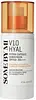
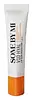
Some By Mi V10 Hyal Hydra Capsule Sunscreen SPF 50+ PA++++ Versus Some By Mi V10 Hyal Lip Sun Protector SPF 15

What's inside
What's inside
 Key Ingredients
Benefits
Concerns
Ingredients Side-by-side
Water
Skin ConditioningAlcohol
Antimicrobial




Dibutyl Adipate
EmollientBis-Ethylhexyloxyphenol Methoxyphenyl Triazine
Skin Conditioning
C12-15 Alkyl Benzoate
AntimicrobialCaprylyl Methicone
Skin Conditioning
Ethylhexyl Triazone
UV Absorber
Polysilicone-15
UV Filter
Diethylamino Hydroxybenzoyl Hexyl Benzoate
UV Filter
Coco-Caprylate/Caprate
Emollient

Ethylhexyl Palmitate
Emollient

Hexyl Laurate
Emollient
Niacinamide
Smoothing











Phenethyl Benzoate
Emollient
Tridecyl Trimellitate
EmollientGlycerin
Humectant
Polymethylsilsesquioxane
Pentylene Glycol
Skin Conditioning
1,2-Hexanediol
Skin Conditioning
Sodium Hyaluronate
Humectant
Dibutyl Lauroyl Glutamide
Skin ConditioningDibutyl Ethylhexanoyl Glutamide
Skin ConditioningSilica Dimethyl Silylate
EmollientPanthenol
Skin Conditioning
Hydroxyacetophenone
Antioxidant
C30-45 Alkyldimethylsilyl Polypropylsilsesquioxane
Parfum
Masking
Sodium Polyacryloyldimethyl Taurate
Emulsion StabilisingAmmonium Acryloyldimethyltaurate/Vp Copolymer
Adenosine
Skin Conditioning
Limonene
Perfuming
Disodium EDTA
Butylene Glycol
Humectant
Acetyl Glucosamine
Skin Conditioning
Linalool
Perfuming
Cynanchum Atratum Extract
Skin ConditioningEthylhexylglycerin
Skin ConditioningAlthaea Rosea Flower Extract
Skin ConditioningSodium Hyaluronate Crosspolymer
Humectant
Caprylyl Glycol
Emollient
Caprylic/Capric Triglyceride
Masking
Hydrogenated Lecithin
Emulsifying
Tocopherol
Antioxidant
Ceramide NP
Skin Conditioning
Biotin
AntiseborrhoeicCyanocobalamin
Skin ConditioningHyaluronic Acid
Humectant
Hydroxypropyl Cyclodextrin
MaskingPolyglyceryl-10 Diisostearate
Emulsifying
Linoleic Acid
Cleansing
Ascorbic Acid
Antioxidant
Bioflavonoids
Skin ConditioningMenadione
MaskingRetinol
Skin Conditioning
7-Dehydrocholesterol
Emulsion StabilisingWater, Alcohol, Dibutyl Adipate, Bis-Ethylhexyloxyphenol Methoxyphenyl Triazine, C12-15 Alkyl Benzoate, Caprylyl Methicone, Ethylhexyl Triazone, Polysilicone-15, Diethylamino Hydroxybenzoyl Hexyl Benzoate, Coco-Caprylate/Caprate, Ethylhexyl Palmitate, Hexyl Laurate, Niacinamide, Phenethyl Benzoate, Tridecyl Trimellitate, Glycerin, Polymethylsilsesquioxane, Pentylene Glycol, 1,2-Hexanediol, Sodium Hyaluronate, Dibutyl Lauroyl Glutamide, Dibutyl Ethylhexanoyl Glutamide, Silica Dimethyl Silylate, Panthenol, Hydroxyacetophenone, C30-45 Alkyldimethylsilyl Polypropylsilsesquioxane, Parfum, Sodium Polyacryloyldimethyl Taurate, Ammonium Acryloyldimethyltaurate/Vp Copolymer, Adenosine, Limonene, Disodium EDTA, Butylene Glycol, Acetyl Glucosamine, Linalool, Cynanchum Atratum Extract, Ethylhexylglycerin, Althaea Rosea Flower Extract, Sodium Hyaluronate Crosspolymer, Caprylyl Glycol, Caprylic/Capric Triglyceride, Hydrogenated Lecithin, Tocopherol, Ceramide NP, Biotin, Cyanocobalamin, Hyaluronic Acid, Hydroxypropyl Cyclodextrin, Polyglyceryl-10 Diisostearate, Linoleic Acid, Ascorbic Acid, Bioflavonoids, Menadione, Retinol, 7-Dehydrocholesterol
Bis-Diglyceryl Polyacyladipate-2
Emollient
Polyglyceryl-2 Isostearate/Dimer Dilinoleate Copolymer
EmollientDiisostearyl Malate
EmollientHydrogenated Castor Oil Isostearate
Skin Conditioning
Ethylhexyl Methoxycinnamate
UV Absorber
Pentaerythrityl Tetraisostearate
Emollient
Bis-Behenyl/Isostearyl/Phytosteryl Dimer Dilinoleyl Dimer Dilinoleate
EmollientHydrogenated Polyisobutene
EmollientPhytosteryl/Isostearyl/Cetyl/Stearyl/Behenyl Dimer Dilinoleate
Skin Conditioning
Tocopheryl Acetate
Antioxidant
Ethylhexyl Salicylate
UV Absorber
Euphorbia Cerifera Cera
Astringent
Caprylic/Capric Triglyceride
Masking
Microcrystalline Wax
Emulsion StabilisingCitrus Limon Peel Oil
Masking
Citrus Aurantium Dulcis Peel Oil
Masking
Olea Europaea Fruit Oil
Masking
Glyceryl Behenate/Eicosadioate
Emollient
Glycerin
Humectant
Water
Skin ConditioningPolyglyceryl-10 Stearate
Skin Conditioning
Panthenol
Skin Conditioning
Sodium Ascorbyl Phosphate
Antioxidant
Niacinamide
Smoothing
Retinyl Palmitate
Skin Conditioning
Biotin
AntiseborrhoeicThiamine Hcl
MaskingFolic Acid
Skin ConditioningPyridoxine
Skin ConditioningCyanocobalamin
Skin ConditioningDehydroacetic Acid
Preservative
Limonene
Perfuming
Bis-Diglyceryl Polyacyladipate-2, Polyglyceryl-2 Isostearate/Dimer Dilinoleate Copolymer, Diisostearyl Malate, Hydrogenated Castor Oil Isostearate, Ethylhexyl Methoxycinnamate, Pentaerythrityl Tetraisostearate, Bis-Behenyl/Isostearyl/Phytosteryl Dimer Dilinoleyl Dimer Dilinoleate, Hydrogenated Polyisobutene, Phytosteryl/Isostearyl/Cetyl/Stearyl/Behenyl Dimer Dilinoleate, Tocopheryl Acetate, Ethylhexyl Salicylate, Euphorbia Cerifera Cera, Caprylic/Capric Triglyceride, Microcrystalline Wax, Citrus Limon Peel Oil, Citrus Aurantium Dulcis Peel Oil, Olea Europaea Fruit Oil, Glyceryl Behenate/Eicosadioate, Glycerin, Water, Polyglyceryl-10 Stearate, Panthenol, Sodium Ascorbyl Phosphate, Niacinamide, Retinyl Palmitate, Biotin, Thiamine Hcl, Folic Acid, Pyridoxine, Cyanocobalamin, Dehydroacetic Acid, Limonene
Reviews
Ingredients Explained
These ingredients are found in both products.
Ingredients higher up in an ingredient list are typically present in a larger amount.
Biotin is a B vitamin that is naturally produced by our bodies. It is also called Vitamin H.
Our bodies use biotin in the metabolism process. It also helps our bodies use enzymes and move nutrients around. A biotin deficiency can lead to brittle hair and nails.
More research is needed on applying biotin topically. However, taking biotin orally has been shown to help nourish the skin, hair, and nails. They play a role in forming skin-hydrating fatty acids.
Biotin is water-soluble. It can be found in foods such as fish, eggs, dairy, nuts, and meat. Vitamin H stands for "haar" and "haut". These are the German words for hair and skin.
Learn more about BiotinThis ingredient is a lightweight emollient, solvent, and texture enhancer. It is considered a skin-softener by helping the skin prevent moisture loss.
It helps thicken a product's formula and makes it easier to spread by dissolving clumping compounds.
Caprylic Triglyceride is made by combining glycerin with coconut oil, forming a clear liquid. Though it behaves like an oil, it is not technically one due to its chemical composition. It is very stable, resistant to oxidation, and unlikely to go rancid. In practice, that translates to a long shelf life and a consistently elegant skin feel.
While there is an assumption Caprylic Triglyceride can clog pores due to it being derived from coconut oil, there is no research supporting this. Be sure to patch test if you have concerns.
Fractionated coconut oil and MCT Oil are both listed as Caprylic/Capric Triglyceride according to INCI. This is because INCI names are based on the ingredient’s final chemical composition and not its marketing name or source.
Learn more about Caprylic/Capric TriglycerideCyanocobalamin is the manufactured version of vitamin B12. It has skin soothing, antioxidant, and barrier protecting properties. Topical cyanocobalamin is used to treat skin irritation and atopic dermatitis.
Glycerin (or glycerol) is a compound naturally found in your skin. It's a powerhouse humectant that pulls water into the stratum corneum.
Topically, glycerin does several things at once:
Your skin makes glycerin on its own (mostly from sebaceous oil breakdown) and shuttles it to your outermost layer of skin, or your epidermis, via aquaporin-3.
Aquaporin-3 is a transporter that is essential for normal skin hydration, elasticity, and repair. Interestingly, mice lacking in AQP3 have dry and less elastic skin that can be fully corrected with glycerin.
This ingredient is non-irritating, plays well with almost every ingredient, and works across all skin types. Typical use is anywhere between 3-10% but can go up to 79% in some leave-on products.
Just know very high concentrations (>40%) can feel tacky in low humidity.
Glycerin is the name for this ingredient in American English. British English uses Glycerol/Glycerine.
Learn more about GlycerinLimonene is a fragrance that adds scent and taste to a formulation.
It's found in the peel oil of citrus fruits and other plants such as lavender and eucalyptus. The scent of limonene is generally described as "sweet citrus".
Limonene acts as an antioxidant, meaning it helps neutralize free radicals.
When exposed to air, oxidized limonene may sensitize the skin. Because of this, limonene is often avoided by people with sensitive skin.
The term 'fragrance' is not regulated in many countries. In many cases, it is up to the brand to define this term. For instance, many brands choose to label themselves as "fragrance-free" because they are not using synthetic fragrances. However, their products may still contain ingredients such as essential oils that are considered a fragrance.
Learn more about LimoneneNiacinamide is a multitasking form of vitamin B3 that strengthens the skin barrier, reduces pores and dark spots, regulates oil, and improves signs of aging.
And the best part? It's gentle and well-tolerated by most skin types, including sensitive and reactive skin.
You might have heard of "niacin flush", or the reddening of skin that causes itchiness. Niacinamide has not been found to cause this.
In very rare cases, some individuals may not be able to tolerate niacinamide at all or experience an allergic reaction to it.
If you are experiencing flaking, irritation, and dryness with this ingredient, be sure to double check all your products as this ingredient can be found in all categories of skincare.
When incorporating niacinamide into your routine, look out for concentration amounts. Typically, 5% niacinamide provides benefits such as fading dark spots. However, if you have sensitive skin, it is better to begin with a smaller concentration.
When you apply niacinamide to your skin, your body converts it into nicotinamide adenine dinucleotide (NAD). NAD is an essential coenzyme that is already found in your cells as "fuel" and powers countless biological processes.
In your skin, NAD helps repair cell damage, produce new healthy cells, support collagen production, strengthen the skin barrier, and fight environmental stressors (like UV and pollution).
Our natural NAD levels start to decline with age, leading to slower skin repair, visible aging, and a weaker skin barrier. By providing your skin niacinamide, you're recharging your skin's NAD levels. This leads to stronger, healthier, and younger looking skin.
Another name for vitamin B3 is nicotinamide. This vitamin is water-soluble and our bodies don't store it. We obtain Vitamin B3 from either food or skincare. Meat, fish, wheat, yeast, and leafy greens contain vitamin B3.
The type of niacinamide used in skincare is synthetically created.
Learn more about NiacinamidePanthenol is a common ingredient that helps hydrate and soothe the skin. It is found naturally in our skin and hair.
There are two forms of panthenol: D and L.
D-panthenol is also known as dexpanthenol. Most cosmetics use dexpanthenol or a mixture of D and L-panthenol.
Panthenol is famous due to its ability to go deeper into the skin's layers. Using this ingredient has numerous pros (and no cons):
Like hyaluronic acid, panthenol is a humectant. Humectants are able to bind and hold large amounts of water to keep skin hydrated.
This ingredient works well for wound healing. It works by increasing tissue in the wound and helps close open wounds.
Once oxidized, panthenol converts to pantothenic acid. Panthothenic acid is found in all living cells.
This ingredient is also referred to as pro-vitamin B5.
Learn more about PanthenolWater. It's the most common cosmetic ingredient of all. You'll usually see it at the top of ingredient lists, meaning that it makes up the largest part of the product.
So why is it so popular? Water most often acts as a solvent - this means that it helps dissolve other ingredients into the formulation.
You'll also recognize water as that liquid we all need to stay alive. If you see this, drink a glass of water. Remember to stay hydrated!
Learn more about Water
