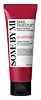
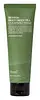
Some By Mi Snail Truecica Miracle Repair Low pH Gel Cleanser Versus Benton Deep Green Tea Cleansing Foam
This mild gel cleanser is made to cleanse while respecting your skin barrier.

What's inside
What's inside
 Key Ingredients
Benefits
Concerns
Ingredients Side-by-side
Water
Skin ConditioningLauryl Hydroxysultaine
CleansingDisodium Cocoamphodiacetate
CleansingSodium Chloride
MaskingPotassium Cocoyl Glycinate
Surfactant
Acrylates Copolymer
Sodium Methyl Cocoyl Taurate
Cleansing
Potassium Cocoate
Emulsifying

Butylene Glycol
Humectant

Snail Secretion Filtrate
Skin Conditioning



Benzyl Glycol
SolventCitric Acid
Buffering


Citrus Aurantium Bergamia Fruit Oil
Masking



Ethylhexylglycerin
Skin ConditioningHexylene Glycol
EmulsifyingDisodium EDTA
Salvia Officinalis Oil
Masking
Betula Platyphylla Japonica Juice
Skin Conditioning
Glycyrrhiza Glabra Root Extract
Bleaching
Camellia Sinensis Leaf Extract
Antimicrobial



Agrimonia Eupatoria Extract
AstringentPanthenol
Skin Conditioning
1,2-Hexanediol
Skin Conditioning
Centella Asiatica Extract
Cleansing
Perilla Frutescens Leaf Extract
MaskingMelaleuca Alternifolia Leaf Extract
Perfuming
Phenoxyethanol
Preservative
Glycine
Buffering
Dipropylene Glycol
HumectantSaponaria Officinalis Extract
Skin ConditioningSerine
Masking
Glutamic Acid
Humectant
Kigelia Africana Fruit Extract
Skin ConditioningAspartic Acid
Masking
Caprylic/Capric Triglyceride
Masking
Leucine
Skin ConditioningAlanine
Masking
Lysine
Skin ConditioningArginine
Masking
Asiaticoside
Antioxidant
Tyrosine
MaskingPhenylalanine
Masking
Asiatic Acid
Skin Conditioning
Madecassic Acid
Skin Conditioning
Threonine
Proline
Skin Conditioning
Valine
MaskingIsoleucine
Skin ConditioningPentylene Glycol
Skin Conditioning
Phosphatidylcholine
EmulsifyingPlatycodon Grandiflorus Root Extract
Antioxidant
Poria Cocos Extract
Skin ConditioningCoix Lacryma-Jobi Ma-Yuen Seed Extract
Skin ConditioningPaeonia Lactiflora Root Extract
Skin ConditioningHistidine
Humectant
Madecassoside
Antioxidant
Cysteine
Antioxidant
Methionine
Skin ConditioningPolygonatum Officinale Rhizome/Root Extract
Skin ConditioningScutellaria Baicalensis Root Extract
Astringent
Angelica Gigas Extract
Skin ConditioningCornus Officinalis Fruit Extract
Skin ConditioningArtemisia Vulgaris Extract
Skin Conditioning
Rehmannia Chinensis Root Extract
Skin ConditioningCeramide NP
Skin Conditioning
Bifida Ferment Lysate
Skin Conditioning
Lactococcus Ferment Lysate
Skin Conditioning
Limonene
Perfuming
Linalool
Perfuming
Water, Lauryl Hydroxysultaine, Disodium Cocoamphodiacetate, Sodium Chloride, Potassium Cocoyl Glycinate, Acrylates Copolymer, Sodium Methyl Cocoyl Taurate, Potassium Cocoate, Butylene Glycol, Snail Secretion Filtrate, Benzyl Glycol, Citric Acid, Citrus Aurantium Bergamia Fruit Oil, Ethylhexylglycerin, Hexylene Glycol, Disodium EDTA, Salvia Officinalis Oil, Betula Platyphylla Japonica Juice, Glycyrrhiza Glabra Root Extract, Camellia Sinensis Leaf Extract, Agrimonia Eupatoria Extract, Panthenol, 1,2-Hexanediol, Centella Asiatica Extract, Perilla Frutescens Leaf Extract, Melaleuca Alternifolia Leaf Extract, Phenoxyethanol, Glycine, Dipropylene Glycol, Saponaria Officinalis Extract, Serine, Glutamic Acid, Kigelia Africana Fruit Extract, Aspartic Acid, Caprylic/Capric Triglyceride, Leucine, Alanine, Lysine, Arginine, Asiaticoside, Tyrosine, Phenylalanine, Asiatic Acid, Madecassic Acid, Threonine, Proline, Valine, Isoleucine, Pentylene Glycol, Phosphatidylcholine, Platycodon Grandiflorus Root Extract, Poria Cocos Extract, Coix Lacryma-Jobi Ma-Yuen Seed Extract, Paeonia Lactiflora Root Extract, Histidine, Madecassoside, Cysteine, Methionine, Polygonatum Officinale Rhizome/Root Extract, Scutellaria Baicalensis Root Extract, Angelica Gigas Extract, Cornus Officinalis Fruit Extract, Artemisia Vulgaris Extract, Rehmannia Chinensis Root Extract, Ceramide NP, Bifida Ferment Lysate, Lactococcus Ferment Lysate, Limonene, Linalool
Water
Skin ConditioningMyristic Acid
Cleansing

Glycerin
Humectant
Camellia Sinensis Leaf Water
Masking
Lauric Acid
Cleansing
Palmitic Acid
Emollient
Stearic Acid
Cleansing
Potassium Hydroxide
BufferingButylene Glycol
Humectant
Pentylene Glycol
Skin Conditioning
Sorbitan Olivate
Emulsifying
1,2-Hexanediol
Skin Conditioning
Polyquaternium-10
Camellia Japonica Seed Oil
Emollient
Sodium Lauroyl Glutamate
SurfactantCentella Asiatica Extract
Cleansing
Salix Alba Bark Extract
Astringent
Salix Nigra Bark Extract
Skin ProtectingPanthenol
Skin Conditioning
Caprylic/Capric Triglyceride
Masking
Houttuynia Cordata Extract
Skin Conditioning
Punica Granatum Extract
AstringentCamellia Sinensis Leaf Extract
Antimicrobial
Camellia Sinensis Seed Extract
Humectant
Camellia Sinensis Root Extract
Perfuming
Caprylyl Glycol
Emollient
Helianthus Annuus Seed Oil
Emollient
Capric Acid
Cleansing
Rosmarinus Officinalis Leaf Oil
Masking
Allantoin
Skin Conditioning
Water, Myristic Acid, Glycerin, Camellia Sinensis Leaf Water, Lauric Acid, Palmitic Acid, Stearic Acid, Potassium Hydroxide, Butylene Glycol, Pentylene Glycol, Sorbitan Olivate, 1,2-Hexanediol, Polyquaternium-10, Camellia Japonica Seed Oil, Sodium Lauroyl Glutamate, Centella Asiatica Extract, Salix Alba Bark Extract, Salix Nigra Bark Extract, Panthenol, Caprylic/Capric Triglyceride, Houttuynia Cordata Extract, Punica Granatum Extract, Camellia Sinensis Leaf Extract, Camellia Sinensis Seed Extract, Camellia Sinensis Root Extract, Caprylyl Glycol, Helianthus Annuus Seed Oil, Capric Acid, Rosmarinus Officinalis Leaf Oil, Allantoin
Reviews
Ingredients Explained
These ingredients are found in both products.
Ingredients higher up in an ingredient list are typically present in a larger amount.
1,2-Hexanediol is a synthetic liquid and another multi-functional powerhouse.
It is a:
- Humectant, drawing moisture into the skin
- Emollient, helping to soften skin
- Solvent, dispersing and stabilizing formulas
- Preservative booster, enhancing the antimicrobial activity of other preservatives
Butylene Glycol (or BG) is used within cosmetic products for a few different reasons:
Overall, Butylene Glycol is a safe and well-rounded ingredient that works well with other ingredients.
Though this ingredient works well with most skin types, some people with sensitive skin may experience a reaction such as allergic rashes, closed comedones, or itchiness.
Learn more about Butylene GlycolCamellia Sinensis Leaf Extract (tea extract) is one of the most well-researched plant extracts in skincare with an impressive resume.
Black tea, green tea, and oolong tea are all harvested from the Camellia Sinensis plant.
Studies show green tea extract and its catechins (like epigallocatechin gallate (EGCG)) help your skin cells product energy more efficiently and reducing the number of free-radicals that can damage your skin from the inside.
In lab-grown skin models, this translated to younger, healthier, and stronger skin.
There's also good sun protection data; researchers saw less DNA damage and redness on human skin when green tea was applied before UVB exposure. And the more they applied, the better the protection.
Needless to say, this ingredient shouldn't replace your sunscreen. But it is a great supportive ingredient that you can already find in many sunscreens and antioxidant serums.
A 2009 study found a 2% green tea lotion was effective for mild-to-moderate acne thanks to its anti-inflammatory and mild antimicrobial activity.
The quality of the extract matters a lot here:
Good extracts contain 50-90% catechins while lower quality ones are mostly there for marketing. We recommend reaching out to the brand if you have questions about the quality or source of their ingredients.
Human Repeated Insult Patch Testing showed no irritation or sensitization at use concentrations (0.86% in leave-on products and up to 30% as leaf water).
Learn more about Camellia Sinensis Leaf ExtractCaprylic/Capric Triglyceride (aka MCT Oil) is a lightweight emollient, solvent, and texture enhancer. It is considered a skin-softener by helping to prevent moisture loss.
Though it behaves like an oil, it is not technically one due to its chemical composition. One perk of this ingredient is that it is very stable, resistant to oxidation, and unlikely to go rancid.
In practice, that translates to a long shelf life and a consistently elegant skin feel.
While there is an assumption Caprylic Triglyceride can clog pores due to it being derived from coconut oil, there is no research supporting this. Just patch test if you have concerns.
Fractionated coconut oil and MCT Oil are both listed as Caprylic/Capric Triglyceride according to INCI. This is because INCI names are based on the ingredient’s final chemical composition and not its marketing name or source.
This ingredient is treated as the gold standard fungal acne safe oil. Even though it is coconut derived, the problematic lauric acid is stripped out.
This leaves just caprylic (C8) and capric (C10) acid. These chain lengths actually trend antifungal; a 2020 study found caprylic acid was enough to disrupt Malassezia furfur cell membrane, with a caprylic acid derivative damaging membrane structures at concentrations as low as 0.2%.
Learn more about Caprylic/Capric TriglycerideCentella Asiatica Extract (Centella) is one of the most researched botanical extracts in skincare with decades of studies backing its effects on inflammation, collagen, and the skin barrier.
That research keeps pointing back to the same four triterpenoid saponins: Asiaticoside, Madecassoside, Asiatic Acid, and Madecassic Acid.
These compounds allow centella to dial back inflammation, encourage the skin to build and hold onto collagen, support the barrier and hydration, and bring solid antioxidant activity to protect against signs of aging.
Centella also carries a nice supporting cast of Vitamin A, vitamin C, several B vitamins, and amino acids. Put it all together and you get an ingredient that soothes, hydrates, and protects, all at once.
Most of centella's magic comes from the four big compounds (Asiaticoside, Madecassoside, Asiatic Acid, and Madecassic Acid). These are the actives doing the heavy lifting in almost every centella study.
Here is the short version of what they do in the skin:
So it is not just soothing for the sake of soothing. Centella calms the skin AND helps it rebuild.
Just FYI, not all centella on an ingredient list is the same. What you are getting actually depends on the extract:
Fun fact on the ratios: the leaves tend to be richest in Madecassoside and Asiaticoside, and lower in the two acids. The exact amounts shift with where the plant is grown and how it is processed. This means purity really does vary brand to brand.
Centella is one of the most easygoing actives out there.
It layers well with basically everything: niacinamide, hyaluronic acid, peptides, and vitamin C, and also pairs nicely with stronger actives like retinoids and exfoliating acids where it can help take the edge off irritation.
On the safety side, centella and its triterpenes are classified as weak sensitizers, meaning allergic reactions are possible but uncommon.
Patch tests at 1% and 5% came back negative in test panels, and creams at typical use levels did not cause allergic reactions across large groups of people.
But as with any new active, a patch test is still a smart move for very reactive skin.
Centella is widely used because it is effective at low percentages. For context, human safety testing found no meaningful irritation from creams containing centella extract at everyday use levels (the tested amounts were well under 1%).
The irritancy threshold in animal testing was also above 30% (so real-world formulas sit far below anything concerning).
In collagen lab studies, higher concentrations drove more collagen synthesis, so serums built around centella tend to feature it more prominently.
Bottom line: you will find centella working nicely anywhere from a fraction of a percent up to hero-ingredient levels depending on whether it is a supporting soother or the main event.
Fun fact: Centella has been used as a medicine and in food for many centuries. As a medicine, it is used to treat burns, scratches, and wounds.
Learn more about Centella Asiatica ExtractPanthenol is a common ingredient that helps hydrate and soothe the skin. It is found naturally in our skin and hair.
There are two forms of panthenol: D and L.
D-panthenol is also known as dexpanthenol. Most cosmetics use dexpanthenol or a mixture of D and L-panthenol.
Panthenol is famous due to its ability to go deeper into the skin's layers. Using this ingredient has numerous pros (and no cons):
Like hyaluronic acid, panthenol is a humectant. Humectants are able to bind and hold large amounts of water to keep skin hydrated.
This ingredient works well for wound healing. It works by increasing tissue in the wound and helps close open wounds.
Once oxidized, panthenol converts to pantothenic acid. Panthothenic acid is found in all living cells.
This ingredient is also referred to as pro-vitamin B5.
Learn more about PanthenolPentylene Glycol (1,2-pentanediol) is a multitasking little diol with three main roles in a formula:
Research on alkanediols (the family pentylene glycol belongs to) show they work by disrupting microbial cell membranes. This disruption helps the primary preservative system in a product work more effectively at lower doses.
On the safety side, the Cosmetic Ingredient Review Expert Panel has concluded this ingredient to be safe as used in current cosmetic practices + concentrations.
Typical use levels in a formula run about 1-5%.
Learn more about Pentylene GlycolWater. It's the most common cosmetic ingredient of all. You'll usually see it at the top of ingredient lists, meaning that it makes up the largest part of the product.
So why is it so popular? Water most often acts as a solvent - this means that it helps dissolve other ingredients into the formulation.
You'll also recognize water as that liquid we all need to stay alive. If you see this, drink a glass of water. Remember to stay hydrated!
Learn more about Water

