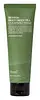
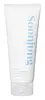
This mild foaming cleanser is made to cleanse while respecting your skin barrier.

What's inside
What's inside
 Key Ingredients
Benefits
Concerns
Ingredients Side-by-side
Water
Skin ConditioningMyristic Acid
Cleansing




Glycerin
Humectant

Camellia Sinensis Leaf Water
Masking
Lauric Acid
Cleansing
Palmitic Acid
Emollient
Stearic Acid
Cleansing
Potassium Hydroxide
BufferingButylene Glycol
Humectant
Pentylene Glycol
Skin Conditioning
Sorbitan Olivate
Emulsifying
1,2-Hexanediol
Skin Conditioning
Polyquaternium-10
Camellia Japonica Seed Oil
Emollient
Sodium Lauroyl Glutamate
SurfactantCentella Asiatica Extract
Cleansing



Salix Alba Bark Extract
Astringent

Salix Nigra Bark Extract
Skin ProtectingPanthenol
Skin Conditioning
Caprylic/Capric Triglyceride
Masking
Houttuynia Cordata Extract
Skin Conditioning
Punica Granatum Extract
AstringentCamellia Sinensis Leaf Extract
Antimicrobial


Camellia Sinensis Seed Extract
Humectant
Camellia Sinensis Root Extract
Perfuming
Caprylyl Glycol
Emollient
Helianthus Annuus Seed Oil
Emollient
Capric Acid
Cleansing
Rosmarinus Officinalis Leaf Oil
Masking
Allantoin
Skin Conditioning
Water, Myristic Acid, Glycerin, Camellia Sinensis Leaf Water, Lauric Acid, Palmitic Acid, Stearic Acid, Potassium Hydroxide, Butylene Glycol, Pentylene Glycol, Sorbitan Olivate, 1,2-Hexanediol, Polyquaternium-10, Camellia Japonica Seed Oil, Sodium Lauroyl Glutamate, Centella Asiatica Extract, Salix Alba Bark Extract, Salix Nigra Bark Extract, Panthenol, Caprylic/Capric Triglyceride, Houttuynia Cordata Extract, Punica Granatum Extract, Camellia Sinensis Leaf Extract, Camellia Sinensis Seed Extract, Camellia Sinensis Root Extract, Caprylyl Glycol, Helianthus Annuus Seed Oil, Capric Acid, Rosmarinus Officinalis Leaf Oil, Allantoin
Water
Skin ConditioningSodium Cocoyl Isethionate
Cleansing
Glycerin
Humectant
Hydroxypropyl Starch Phosphate
Sodium Methyl Cocoyl Taurate
Cleansing
Decyl Glucoside
Cleansing
Potassium Cocoyl Glycinate
Surfactant
Cetearyl Alcohol
Emollient
Glyceryl Stearate
Emollient
Sorbitan Olivate
Emulsifying
Glycol Distearate
Emollient
Potassium Cocoate
Emulsifying
Caprylyl Glycol
Emollient
Citric Acid
Buffering
Polyquaternium-67
Glyceryl Caprylate
EmollientDisodium EDTA
Sodium Acetate
BufferingSodium Chloride
MaskingPanthenol
Skin Conditioning
Pentylene Glycol
Skin Conditioning
Madecassoside
Antioxidant
Water, Sodium Cocoyl Isethionate, Glycerin, Hydroxypropyl Starch Phosphate, Sodium Methyl Cocoyl Taurate, Decyl Glucoside, Potassium Cocoyl Glycinate, Cetearyl Alcohol, Glyceryl Stearate, Sorbitan Olivate, Glycol Distearate, Potassium Cocoate, Caprylyl Glycol, Citric Acid, Polyquaternium-67, Glyceryl Caprylate, Disodium EDTA, Sodium Acetate, Sodium Chloride, Panthenol, Pentylene Glycol, Madecassoside
Reviews
Ingredients Explained
These ingredients are found in both products.
Ingredients higher up in an ingredient list are typically present in a larger amount.
Caprylyl Glycol is a humectant, skin conditioner, emollient, and preservative booster derived from either caprylic acid or synthetically created.
Typical use levels vary from 0.3-1% as a preservative booster and go up to 2% to condition skin.
Because it is not a free-fatty acid, this ingredient is fungal acne safe (there's nothing for Malassezia to feed on).
Learn more about Caprylyl GlycolGlycerin (or glycerol) is a compound naturally found in your skin. It's a powerhouse humectant that pulls water into the stratum corneum.
Topically, glycerin does several things at once:
Your skin makes glycerin on its own (mostly from sebaceous oil breakdown) and shuttles it to your outermost layer of skin, or your epidermis, via aquaporin-3.
Aquaporin-3 is a transporter that is essential for normal skin hydration, elasticity, and repair. Interestingly, mice lacking in AQP3 have dry and less elastic skin that can be fully corrected with glycerin.
This ingredient is non-irritating, plays well with almost every ingredient, and works across all skin types. Typical use is anywhere between 3-10% but can go up to 79% in some leave-on products.
Just know very high concentrations (>40%) can feel tacky in low humidity.
Glycerin is the name for this ingredient in American English. British English uses Glycerol/Glycerine.
Learn more about GlycerinPanthenol is a common ingredient that helps hydrate and soothe the skin. It is found naturally in our skin and hair.
There are two forms of panthenol: D and L.
D-panthenol is also known as dexpanthenol. Most cosmetics use dexpanthenol or a mixture of D and L-panthenol.
Panthenol is famous due to its ability to go deeper into the skin's layers. Using this ingredient has numerous pros (and no cons):
Like hyaluronic acid, panthenol is a humectant. Humectants are able to bind and hold large amounts of water to keep skin hydrated.
This ingredient works well for wound healing. It works by increasing tissue in the wound and helps close open wounds.
Once oxidized, panthenol converts to pantothenic acid. Panthothenic acid is found in all living cells.
This ingredient is also referred to as pro-vitamin B5.
Learn more about PanthenolPentylene Glycol (1,2-pentanediol) is a multitasking little diol with three main roles in a formula:
Research on alkanediols (the family pentylene glycol belongs to) show they work by disrupting microbial cell membranes. This disruption helps the primary preservative system in a product work more effectively at lower doses.
On the safety side, the Cosmetic Ingredient Review Expert Panel has concluded this ingredient to be safe as used in current cosmetic practices + concentrations.
Typical use levels in a formula run about 1-5%.
Learn more about Pentylene GlycolSorbitan Olivate is created from the fatty acids in olive oil and sorbitol.
This ingredient is an oil in water emulsifier. It helps stabilize a product by preventing oils and waters from separating. Sorbitan Olivate also helps hydrate the skin.
This ingredient is also known as part of Olivem 1000, with Cetearyl Olivate being the other part.
According to a manufacturer, this ingredient helps preserve the natural microbiome of skin. Having a healthy microbiome helps keep our skin healthy and protects against harmful bacteria.
Please note, having a healthy microbiome is different from fungal acne; a healthy microbiome includes small amounts of yeast that normally live on your skin without causing problems.
Fungal acne happens when one type of yeast (Malassezia) grows out of control. This is usually because it's feeding on certain oils or fatty acids. Due to the olive oil base, this ingredient may not be fungal acne safe.
Learn more about Sorbitan OlivateWater. It's the most common cosmetic ingredient of all. You'll usually see it at the top of ingredient lists, meaning that it makes up the largest part of the product.
So why is it so popular? Water most often acts as a solvent - this means that it helps dissolve other ingredients into the formulation.
You'll also recognize water as that liquid we all need to stay alive. If you see this, drink a glass of water. Remember to stay hydrated!
Learn more about Water

