

What's inside
What's inside
 Key Ingredients
Benefits
Concerns
Ingredients Side-by-side
Water
Skin ConditioningCetearyl Alcohol
Emollient






Dimethicone
Emollient

Hydrogenated Starch Hydrolysate
HumectantCyclopentasiloxane
Emollient
Steartrimonium Bromide
Preservative
Butylene Glycol
Humectant

Camellia Japonica Seed Oil
Emollient
Aminopropyl Dimethicone
Behentrimonium Chloride
Preservative
Isopropyl Alcohol
Solvent


Behenyl Alcohol
Emollient
Ethylhexyl Isononanoate
EmollientAmodimethicone
Glycerin
Humectant
Cocamide Mea
Emulsifying
C12-14 Sec-Pareth-7
EmulsifyingAlcohol
Antimicrobial
Dipropylene Glycol
HumectantPropylene Glycol
Humectant
Hydrolyzed Soy Protein
Humectant
Hydrolyzed Corn Protein
Skin ConditioningHydrolyzed Wheat Protein
Skin ConditioningHydrolyzed Keratin
Humectant
Hydrolyzed Collagen
Emollient
Ethyl Ester Of Hydrolyzed Silk
Skin ConditioningLactic Acid
Buffering





Betaine
Humectant
Tocopheryl Acetate
Antioxidant

Hydrolyzed Silk
Humectant
PEG-14m
Emulsion StabilisingDipotassium Glycyrrhizate
Humectant
Sodium Hyaluronate
Humectant
Argania Spinosa Kernel Oil
Emollient
Olea Europaea Fruit Oil
Masking
Ricinus Communis Seed Oil
Masking
Vitis Vinifera Seed Oil
Emollient
Helianthus Annuus Seed Oil
Emollient
Macadamia Integrifolia Seed Oil
Skin Conditioning
Canola Oil
Emollient
Persea Gratissima Oil
Skin Conditioning
Leptospermum Petersonii Oil
Masking
Adansonia Digitata Seed Oil
Emollient
Orbignya Oleifera Seed Oil
Emollient
Saururus Chinensis Extract
Skin ConditioningMorus Alba Leaf Extract
Skin ConditioningAcorus Gramineus Root/Stem Extract
Skin ConditioningPinus Thunbergii Leaf Extract
Skin ConditioningRehmannia Glutinosa Root Extract
Skin ConditioningAloe Barbadensis Leaf Extract
Emollient
Houttuynia Cordata Extract
Skin Conditioning
Chitosan
Hydrolyzed Chitosan
Skin ConditioningTrehalose
Humectant
Simmondsia Chinensis Seed Oil
Emollient
Phenoxyethanol
Preservative
Disodium EDTA
ChelatingParfum
Masking
Butylphenyl Methylpropional
Perfuming
Linalool
Perfuming
Benzyl Salicylate
Perfuming
Hydroxycitronellal
Perfuming
Coumarin
Perfuming
Citronellol
Perfuming
Limonene
Perfuming
Geraniol
Perfuming
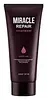
Water, Cetearyl Alcohol, Dimethicone, Hydrogenated Starch Hydrolysate, Cyclopentasiloxane, Steartrimonium Bromide, Butylene Glycol, Camellia Japonica Seed Oil, Aminopropyl Dimethicone, Behentrimonium Chloride, Isopropyl Alcohol, Behenyl Alcohol, Ethylhexyl Isononanoate, Amodimethicone, Glycerin, Cocamide Mea, C12-14 Sec-Pareth-7, Alcohol, Dipropylene Glycol, Propylene Glycol, Hydrolyzed Soy Protein, Hydrolyzed Corn Protein, Hydrolyzed Wheat Protein, Hydrolyzed Keratin, Hydrolyzed Collagen, Ethyl Ester Of Hydrolyzed Silk, Lactic Acid, Betaine, Tocopheryl Acetate, Hydrolyzed Silk, PEG-14m, Dipotassium Glycyrrhizate, Sodium Hyaluronate, Argania Spinosa Kernel Oil, Olea Europaea Fruit Oil, Ricinus Communis Seed Oil, Vitis Vinifera Seed Oil, Helianthus Annuus Seed Oil, Macadamia Integrifolia Seed Oil, Canola Oil, Persea Gratissima Oil, Leptospermum Petersonii Oil, Adansonia Digitata Seed Oil, Orbignya Oleifera Seed Oil, Saururus Chinensis Extract, Morus Alba Leaf Extract, Acorus Gramineus Root/Stem Extract, Pinus Thunbergii Leaf Extract, Rehmannia Glutinosa Root Extract, Aloe Barbadensis Leaf Extract, Houttuynia Cordata Extract, Chitosan, Hydrolyzed Chitosan, Trehalose, Simmondsia Chinensis Seed Oil, Phenoxyethanol, Disodium EDTA, Parfum, Butylphenyl Methylpropional, Linalool, Benzyl Salicylate, Hydroxycitronellal, Coumarin, Citronellol, Limonene, Geraniol
Water
Skin ConditioningCetearyl Alcohol
Emollient
Behentrimonium Chloride
Preservative
Glycerin
Humectant
Dimethicone
Emollient
Ethylhexyl Palmitate
Emollient
Hydrolyzed Collagen Extract
Skin Protecting
Hydrolyzed Collagen
Emollient
Hydrolyzed Conchiolin Protein
Skin ConditioningHydrolyzed Soybean Extract
Skin ConditioningSodium Dilauramidoglutamide Lysine
HumectantOenothera Biennis Oil
Emollient
Keratin
Skin ConditioningHumulus Lupulus Extract
AntimicrobialGamma-Docosalactone
Skin ConditioningKaolin
Abrasive

Sodium Hyaluronate
Humectant
Sodium Acetylated Hyaluronate
Humectant
Sodium Hyaluronate Crosspolymer-2
HumectantHydrolyzed Sodium Hyaluronate
Skin Conditioning
Sphingolipids
Emollient
Hydrogenated Lecithin
Emulsifying
Ethylhexylglycerin
Skin ConditioningSodium Bicarbonate
Abrasive
Hydroxyethylcellulose
Emulsion StabilisingStearic Acid
Cleansing
Cellulose Gum
Emulsion StabilisingPlatinum
Antimicrobial
Aminopropyl Dimethicone
Diethyl Sebacate
EmollientPentylene Glycol
Skin Conditioning
Parfum
Masking
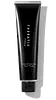
Water, Cetearyl Alcohol, Behentrimonium Chloride, Glycerin, Dimethicone, Ethylhexyl Palmitate, Hydrolyzed Collagen Extract, Hydrolyzed Collagen, Hydrolyzed Conchiolin Protein, Hydrolyzed Soybean Extract, Sodium Dilauramidoglutamide Lysine, Oenothera Biennis Oil, Keratin, Humulus Lupulus Extract, Gamma-Docosalactone, Kaolin, Sodium Hyaluronate, Sodium Acetylated Hyaluronate, Sodium Hyaluronate Crosspolymer-2, Hydrolyzed Sodium Hyaluronate, Sphingolipids, Hydrogenated Lecithin, Ethylhexylglycerin, Sodium Bicarbonate, Hydroxyethylcellulose, Stearic Acid, Cellulose Gum, Platinum, Aminopropyl Dimethicone, Diethyl Sebacate, Pentylene Glycol, Parfum
Ingredients Explained
These ingredients are found in both products.
Ingredients higher up in an ingredient list are typically present in a larger amount.
Aminopropyl Dimethicone is a type of silicone.
This ingredient is a preservative and often used for it's anti-static properties. You'll most likely see this ingredient in hair conditioners.
It does not cause irritation or sensitization in leave-on products at 1-5%.
Cetearyl alcohol is a waxy mixture of two fatty alcohols: cetyl alcohol and stearyl alcohol. It is an emollient and emulsifier.
Despite having "alcohol" in its name, it has nothing to do with drying solvent alcohols; the FDA also allows "alcohol-free" products to contain fatty alcohols like this ingredient.
It plays several roles in a formula:
Typical use levels for this ingredient sit around 1-10% and the Cosmetic Ingredient Review Expert Panel has affirmed safety at concentrations up to 25% in leave-on products.
Multiple assessments have found it to be non-irritating and non-sensitizing to most people.
However, there have been some cases of allergic contact dermatitis in patients with chronically compromised skin barriers.
Cetearyl alcohol has a comedogenic rating of 2 and irritancy rating of 1. Both of these numbers come from the 1989 study that used rabbit ears; a "2" means mildly comedogenic and a "1" means low irritancy.
Here's the catch: rabbit skin is more sensitive than human skin and throws a lot of false positives. A 1996 reappraisal found that ingredients rated 1-2 in the rabbit ear tests are generally safe for humans.
Remember comedogenic ratings are unable to assess the entire formula of a product or how it will react on your skin. Just be sure to patch test if you are unsure about certain ingredients.
This ingredient is not fungal acne safe. Cetearyl alcohol is a fatty alcohol with chain lengths that fall within the range that Malassezia can metabolize.
A 2019 study has also observed Malassezia growth in the presence of this ingredient, confirming it to be not-fungal acne safe.
Learn more about Cetearyl AlcoholDimethicone is a type of synthetic silicone created from natural materials such as quartz. It is also known as polydimethylsiloxane.
What it does:
Dimethicone comes in different viscosities:
Depending on the viscosity, dimethicone has different properties.
Ingredients lists don't always show which type is used, so we recommend reaching out to the brand if you have questions about the viscosity.
This ingredient is unlikely to cause irritation because it does not get absorbed into skin. However, people with silicone allergies should be careful about using this ingredient.
Note: Dimethicone may contribute to pilling. This is because it is not oil or water soluble, so pilling may occur when layered with products. When mixed with heavy oils in a formula, the outcome is also quite greasy.
Learn more about DimethiconeGlycerin (or glycerol) is a compound naturally found in your skin. It's a powerhouse humectant that pulls water into the stratum corneum.
Topically, glycerin does several things at once:
Your skin makes glycerin on its own (mostly from sebaceous oil breakdown) and shuttles it to your outermost layer of skin, or your epidermis, via aquaporin-3.
Aquaporin-3 is a transporter that is essential for normal skin hydration, elasticity, and repair. Interestingly, mice lacking in AQP3 have dry and less elastic skin that can be fully corrected with glycerin.
This ingredient is non-irritating, plays well with almost every ingredient, and works across all skin types. Typical use is anywhere between 3-10% but can go up to 79% in some leave-on products.
Just know very high concentrations (>40%) can feel tacky in low humidity.
Glycerin is the name for this ingredient in American English. British English uses Glycerol/Glycerine.
Learn more about GlycerinHydrolyzed Collagen is Collagen (usually sourced from fish, bovine, or porcine byproducts) that's been broken down into smaller peptides. This makes it water-soluble and easy to blend into formulations.
In a formula, it works mainly as a skin-conditioning and moisturizing agent.
The small peptides and amino acids (including Natural Moisturizing Factor components like Hydroxyproline, Serine, and Aspartic Acid) help the surface of the skin hold onto water, feel softer, and look temporarily plumper.
This ingredient also has mild film-forming and antioxidant properties with research showing the antioxidant effect is stronger the lower the molecular weight of the peptides.
It's worth being realistic here:
Topically applied Hydrolyzed Collagen conditions the upper layers of skin rather than rebuilding the structural collagen deep in your dermis (the wrinkle-and-firmness benefits people associate with Collagen mostly come from oral supplements in studies, not topicals).
However, recent lab and skin-model work on Hydrolyzed Fish Collagen has shown promising effects on cell viability and wound healing when used as an active.
Typical concentrations range from 0.2-2%, but the percentage can go much higher in rinse-off or hair products (sometimes even above 50%).
Clinical studies on this ingredient showed no irritation, sensitization, or phototoxicity.
If you are looking for vegan collagen, it usually goes by a different INCI name like hydrolyzed soy protein. Vegan collagen is derived from yeast, bacteria, or plant sources.
The results are varied.
A study from 2021 found hydrolyzed collagen increased elasticity and improved wrinkles in 1,125 participants between age 20 and 70. Another study found increased skin thickness in participants between the ages of 45 to 59.
However, It is difficult to prove that oral collagen will end up working on your skin. Many of the studies using hydrolyzed collagen also add several vitamins and nutrients into the test mixture as well.
Further studies are needed at this time.
Learn more about Hydrolyzed CollagenParfum is a catch-all term for an ingredient or more that is used to give a scent to products.
Also called "fragrance", this ingredient can be a blend of hundreds of chemicals or plant oils. This means every product with "fragrance" or "parfum" in the ingredients list is a different mixture.
For instance, Habanolide is a proprietary trade name for a specific aroma chemical. When used as a fragrance ingredient in cosmetics, most aroma chemicals fall under the broad labeling category of “FRAGRANCE” or “PARFUM” according to EU and US regulations.
The term 'parfum' or 'fragrance' is not regulated in many countries. In many cases, it is up to the brand to define this term.
For instance, many brands choose to label themselves as "fragrance-free" because they are not using synthetic fragrances. However, their products may still contain ingredients such as essential oils that are considered a fragrance by INCI standards.
One example is Calendula flower extract. Calendula is an essential oil that still imparts a scent or 'fragrance'.
Depending on the blend, the ingredients in the mixture can cause allergies and sensitivities on the skin. Some ingredients that are known EU allergens include linalool and citronellol.
Parfum can also be used to mask or cover an unpleasant scent.
The bottom line is: not all fragrances/parfum/ingredients are created equally. If you are worried about fragrances, we recommend taking a closer look at an ingredient. And of course, we always recommend speaking with a professional.
Learn more about ParfumSodium Hyaluronate is the salt form of hyaluronic acid. It is a long sugar chain that is naturally found in your skin, joints, and connective tissue that maintains hydration and elasticity.
In skincare, it works as a humectant. It pulls water from the environment and deeper layers of skin and binds it to the surface.
Interestingly, the size of the molecule affects its behavior:
Some clinical evidence links low molecular weight versions to improved wrinkle depth, elasticity, anti-inflammatory effects, and barrier repair.
Many serums use a blend of both weights so you can get surface hydration plus longer-lasting and deeper effects.
You'll typically see concentrations between 0.1-2% for this ingredient.
Learn more about Sodium HyaluronateWater. It's the most common cosmetic ingredient of all. You'll usually see it at the top of ingredient lists, meaning that it makes up the largest part of the product.
So why is it so popular? Water most often acts as a solvent - this means that it helps dissolve other ingredients into the formulation.
You'll also recognize water as that liquid we all need to stay alive. If you see this, drink a glass of water. Remember to stay hydrated!
Learn more about Water

