Soap & Glory Puffy Eye Attack Turbo-Boost Hydragel Versus No7 Protect & Perfect Intense Advanced Eye Cream
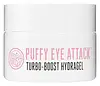
This calming eye moisturizer is formulated around Caffeine and Panax Ginseng Root Extract to calm redness and hydrate skin.
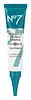
This anti-aging eye moisturizer is formulated around Retinyl Palmitate and Palmitoyl Tetrapeptide-7 to soften the look of wrinkles.

What's inside
What's inside
 Key Ingredients
Benefits
Concerns
Ingredients Side-by-side
Water
Skin ConditioningGlycerin
Humectant


Butylene Glycol
Humectant
Coco-Caprylate/Caprate
Emollient
PEG-8
HumectantAluminum Starch Octenylsuccinate
Absorbent
Dimethicone
Emollient
Butyrospermum Parkii Butter
Skin Conditioning




Phenoxyethanol
Preservative
Sodium Polyacrylate
Absorbent
Hydrolyzed Rice Protein
Skin ConditioningGlyceryl Stearate
Emollient
Hydroxyethyl Urea
Humectant
Ethylhexylglycerin
Skin ConditioningHydrogenated Polydecene
EmollientCetyl Alcohol
Emollient
Acrylates/C10-30 Alkyl Acrylate Crosspolymer
Emulsion StabilisingSclerotium Gum
Emulsion StabilisingSodium Hydroxide
BufferingCaffeine
Skin Conditioning

Disodium EDTA
ChelatingTrideceth-6
EmulsifyingC12-16 Alcohols
EmollientGlycine Soja Protein
EmulsifyingPanax Ginseng Root Extract
Emollient
Superoxide Dismutase
Antioxidant

Glyceryl Acrylate/Acrylic Acid Copolymer
HumectantSodium Benzoate
Masking
Hydrogenated Lecithin
Emulsifying
Palmitic Acid
Emollient
Gynostemma Pentaphyllum Extract
AstringentAmmonium Lactate
Buffering

Sodium Hyaluronate
Humectant
Oryza Sativa Starch
AbsorbentAloe Barbadensis Leaf Juice
Skin Conditioning
Punica Granatum Bark Extract
MaskingTocopherol
Antioxidant

Sodium Dextran Sulfate
Gel FormingAscorbyl Palmitate
Antioxidant
Cucumis Sativus Fruit Extract
Emollient
Sophora Japonica Flower Extract
Skin ProtectingOryza Sativa Bran Oil
Emollient
Potassium Sorbate
Preservative
Xanthan Gum
EmulsifyingPropylene Glycol Dicaprylate/Dicaprate
EmollientAscorbic Acid
Antioxidant
Citric Acid
Buffering
Citrus Nobilis Fruit Extract
MaskingPrunus Armeniaca Fruit Extract
Skin ConditioningPrunus Persica Fruit Extract
Abrasive
Nicotiana Sylvestris Leaf Cell Culture
Skin ConditioningWater, Glycerin, Butylene Glycol, Coco-Caprylate/Caprate, PEG-8, Aluminum Starch Octenylsuccinate, Dimethicone, Butyrospermum Parkii Butter, Phenoxyethanol, Sodium Polyacrylate, Hydrolyzed Rice Protein, Glyceryl Stearate, Hydroxyethyl Urea, Ethylhexylglycerin, Hydrogenated Polydecene, Cetyl Alcohol, Acrylates/C10-30 Alkyl Acrylate Crosspolymer, Sclerotium Gum, Sodium Hydroxide, Caffeine, Disodium EDTA, Trideceth-6, C12-16 Alcohols, Glycine Soja Protein, Panax Ginseng Root Extract, Superoxide Dismutase, Glyceryl Acrylate/Acrylic Acid Copolymer, Sodium Benzoate, Hydrogenated Lecithin, Palmitic Acid, Gynostemma Pentaphyllum Extract, Ammonium Lactate, Sodium Hyaluronate, Oryza Sativa Starch, Aloe Barbadensis Leaf Juice, Punica Granatum Bark Extract, Tocopherol, Sodium Dextran Sulfate, Ascorbyl Palmitate, Cucumis Sativus Fruit Extract, Sophora Japonica Flower Extract, Oryza Sativa Bran Oil, Potassium Sorbate, Xanthan Gum, Propylene Glycol Dicaprylate/Dicaprate, Ascorbic Acid, Citric Acid, Citrus Nobilis Fruit Extract, Prunus Armeniaca Fruit Extract, Prunus Persica Fruit Extract, Nicotiana Sylvestris Leaf Cell Culture
Water
Skin ConditioningGlycerin
Humectant
Cyclopentasiloxane
Emollient
Butyrospermum Parkii Butter
Skin Conditioning
Cyclohexasiloxane
Emollient
Cetearyl Alcohol
Emollient
Butylene Glycol
Humectant
Polyacrylamide
Glyceryl Stearate
Emollient
PEG-100 Stearate
Surfactant
Phenoxyethanol
Preservative
Stearic Acid
Cleansing
Palmitic Acid
Emollient
Alcohol Denat.
Antimicrobial

C13-14 Isoparaffin
Emollient
Methylparaben
Preservative

Propylene Glycol
Humectant
Laureth-7
EmulsifyingTocopheryl Acetate
Antioxidant
Sodium Hyaluronate
Humectant
Ethylparaben
Preservative
Ascorbyl Glucoside
Antioxidant
Retinyl Palmitate
Skin Conditioning
Sodium Polyacrylate
Absorbent
Hydrolyzed Rice Protein
Skin ConditioningTetrasodium EDTA
ChelatingSorbitan Laurate
Emulsifying
Potassium Hydroxide
BufferingHesperidin Methyl Chalcone
Antioxidant
Panax Ginseng Root Extract
Emollient
Carbomer
Emulsion StabilisingSteareth-20
CleansingDimethylmethoxy Chromanol
Antioxidant
Medicago Sativa Extract
TonicPolysorbate 20
Emulsifying
Hydroxyethylcellulose
Emulsion StabilisingMorus Alba Leaf Extract
Skin ConditioningSodium Benzoate
Masking
Chlorhexidine Digluconate
Antimicrobial
Tocopherol
Antioxidant
Acetyl Dipeptide-1 Cetyl Ester
Skin Conditioning
Potassium Sorbate
Preservative
Ethylhexylglycerin
Skin ConditioningDipeptide-2
Skin Conditioning
Palmitoyl Tetrapeptide-7
Skin Conditioning
Palmitoyl Tripeptide-1
Skin Conditioning
CI 77891
Cosmetic ColorantCI 77492
Cosmetic ColorantCI 77491
Cosmetic ColorantCI 77499
Cosmetic ColorantWater, Glycerin, Cyclopentasiloxane, Butyrospermum Parkii Butter, Cyclohexasiloxane, Cetearyl Alcohol, Butylene Glycol, Polyacrylamide, Glyceryl Stearate, PEG-100 Stearate, Phenoxyethanol, Stearic Acid, Palmitic Acid, Alcohol Denat., C13-14 Isoparaffin, Methylparaben, Propylene Glycol, Laureth-7, Tocopheryl Acetate, Sodium Hyaluronate, Ethylparaben, Ascorbyl Glucoside, Retinyl Palmitate, Sodium Polyacrylate, Hydrolyzed Rice Protein, Tetrasodium EDTA, Sorbitan Laurate, Potassium Hydroxide, Hesperidin Methyl Chalcone, Panax Ginseng Root Extract, Carbomer, Steareth-20, Dimethylmethoxy Chromanol, Medicago Sativa Extract, Polysorbate 20, Hydroxyethylcellulose, Morus Alba Leaf Extract, Sodium Benzoate, Chlorhexidine Digluconate, Tocopherol, Acetyl Dipeptide-1 Cetyl Ester, Potassium Sorbate, Ethylhexylglycerin, Dipeptide-2, Palmitoyl Tetrapeptide-7, Palmitoyl Tripeptide-1, CI 77891, CI 77492, CI 77491, CI 77499
Ingredients Explained
These ingredients are found in both products.
Ingredients higher up in an ingredient list are typically present in a larger amount.
Butylene Glycol (or BG) is used within cosmetic products for a few different reasons:
Overall, Butylene Glycol is a safe and well-rounded ingredient that works well with other ingredients.
Though this ingredient works well with most skin types, some people with sensitive skin may experience a reaction such as allergic rashes, closed comedones, or itchiness.
Learn more about Butylene GlycolThis ingredient is also known as shea butter. It is a plant-derived extract from the nuts of the Africa shea tree and one of the most well-studied emollients.
Because it has a high concentration of fatty acids (primarily oleic, stearic, and linoleic) it is able to form a protective barrier on the skin's surface. This helps seal in moisture and prevents transepidermal water loss (TEWL).
In vitro research found an increase in skin hydration by 58% and a decrease in TEWL by 37.8% after 24 hours of applying this ingredient (pretty impressive for a single ingredient!).
Besides hydration, shea butter also contains triterpenes that have anti-inflammatory potential. In particule, lupeol cinnamate has shown the highest anti-inflammatory activity in vivo.
Shea butter also contains vitamins A and E which may contribute to antioxidant activity.
While Shea Butter has an SPF rating of about 3-4, it is not a sunscreen replacement.
This ingredient may not be fungal acne safe because its fatty acids fall within the C11-C24 range that the Malassezia yeast can metabolize.
This ingredient shows up on a lot of "pore-clogging" lists but there's no real evidence behind that. It doesn't even have a comedogenic rating from an actual study; the numbers you'll find online come from blogs citing other blogs.
Ratings for other ingredients mostly come from a 1980s rabbit ear test. This test doesn't translate well to human skin or to real products because the ingredient sits at a much lower percentage.
Some people still find it breaks them out. So if that's you, definitely trust your skin. Just know this one's based on experience and not evidence.
Learn more about Butyrospermum Parkii ButterEthylhexylglycerin is created from glycerin. It is a multitasker ingredient that:
The CIR Expert Panel found minimal skin absorption or sensitization of any kind in a safety assessment. Though this ingredient is considered well-tolerated, a small number of cases of allergic dermatitis have been published since 2002. Just be sure to patch test if you are unsure.
Industry-reported use ranges from 8% in rinse-off products and 2% in leave-on formulations.
Learn more about EthylhexylglycerinGlycerin (or glycerol) is a compound naturally found in your skin. It's a powerhouse humectant that pulls water into the stratum corneum.
Topically, glycerin does several things at once:
Your skin makes glycerin on its own (mostly from sebaceous oil breakdown) and shuttles it to your outermost layer of skin, or your epidermis, via aquaporin-3.
Aquaporin-3 is a transporter that is essential for normal skin hydration, elasticity, and repair. Interestingly, mice lacking in AQP3 have dry and less elastic skin that can be fully corrected with glycerin.
This ingredient is non-irritating, plays well with almost every ingredient, and works across all skin types. Typical use is anywhere between 3-10% but can go up to 79% in some leave-on products.
Just know very high concentrations (>40%) can feel tacky in low humidity.
Glycerin is the name for this ingredient in American English. British English uses Glycerol/Glycerine.
Learn more about GlycerinGlyceryl Stearate is made by reacting glycerin with stearic acid (typically sourced from plant oils like palm or coconut). It's an emulsifier, emollient, and mild occlusive.
Emulsifiers help ingredients like oil and water stay mixed so your formula stays nicely blended and uniform in texture.
This ingredient is typically used in concentrations between 1-10%. Studies have found it to be non-sensitizing, non-phototoxic, and non-photoallergenic.
A close cousin of this ingredient is Glyceryl Stearate SE ("self-emulsifying"). This just has a small amount of sodium or potassium stearate added so it can emulsify without a co-emulsifier.
Since this ingredient is an ester of a C18 fatty acid, it may not be fungal acne safe. The Malassezia yeast can potentially metabolize within the C11-C24 range.
Fun fact: The human body also creates Glyceryl Stearate naturally.
Learn more about Glyceryl StearateHydrolyzed Rice Protein is protein extracted from rice. This ingredient is rich in antioxidants and peptides.
Studies show this ingredient may help with blocking the melanin creation process when skin is exposed to UV.
Palmitic Acid is a fatty acid naturally found in our skin and in many plant and animal sources.
In cosmetics, it is usually derived from palm oil. It serves many purposes in skincare, acting as a cleanser, emollient, and emulsifier.
Interestingly, topically applied Palmitic Acid can be elongated into longer chain fatty acids and ceramides. A 2019 study found low levels of Palmitic Acid lead to slower development of cells, suggesting it plays a role in keeping your skin's renewal process on track.
The CIR (Cosmetic Ingredient Review) panel determined it safe as used in cosmetics at concentrations up to 13%. It is non-irritating and non-sensitizing in clinical studies.
The culprit behind fungal acne, the Malassezia yeast, feeds on fatty acids with carbon chain lengths between C11-C24. Palmitic Acid, at C16, falls right into that sweet spot.
In vitro studies have shown that Palmitic Acid is one of the fatty acids that induce rapid Malassezia growth in lab settings.
It's worth noting that what feeds yeast in a lab doesn't necessarily feed it on your face since formulation and your skin's chemistry play a bigger role.
This ingredient does have a comedogenic rating of 2, but this doesn't mean a formula with this ingredient will clog pores.
Human testing has proved that any finished product with a comedogenic ingredient won't automatically make you break out; it really comes down to concentration, formula, and your skin.
Learn more about Palmitic AcidGinseng root is a well-loved ingredient in Asian skincare for good reason. It hydrates the skin, soothes irritation, and helps even out skin tone.
In traditional East Asian medicine, ginseng has been used for centuries both as food and as a healing remedy, and modern research continues to confirm its skin benefits.
One of the standout features of ginseng is its ability to improve blood circulation and oxygen delivery to the skin, bringing a fresh supply of nutrients to support overall skin health. It also has antioxidant and anti-inflammatory properties. This helps to protect your skin against damage from UV exposure, pollution, and daily stress.
Additionally, studies suggest that ginseng may help reduce hyperpigmentation by inhibiting tyrosinase, the enzyme involved in melanin production.
There are different types of ginseng used in skincare, and while they all share core benefits, their potency can vary.
Most products use fresh or white ginseng because it’s more affordable. However, red ginseng, produced by steaming the root, contains higher levels of ginsenosides, which are compounds with proven anti-aging effects. These ginsenosides help reduce the appearance of wrinkles and improve skin elasticity.
Note: All forms of ginseng are listed simply as “Panax ginseng” in ingredient lists. We recommend reaching out to the brand if you have questions about which type of ginseng is used in their ingredients.
For general antioxidant benefits, any ginseng extract will do, but for wrinkle care or firmer skin, red or fermented ginseng is often more effective.
In short, ginseng is a powerhouse ingredient that supports hydration, radiance, and resilience.
Learn more about Panax Ginseng Root ExtractPhenoxyethanol is one of the most widely used preservatives in skincare (and for good reason!).
It has a large spectrum of antimicrobial activity and especially effective bacteria, yeast, and mold while only having a weak effect on your skin's natural microbiome.
On a cellular level, it disrupts the cell membranes of microbes by poking holes that make the cell leak. This shuts down the chemical reactions the microbe needs to make energy so it can no longer survive.
Another perk of this ingredient is that it stays functional across a wide pH range (3-10).
You'll often see it paired with boosters like Ethylhexylglycerin; one study showed that a 1:9 ratio of Ethylhexylglycerin to Phenoxyethanol damages bacterial membranes as effectively as doubling the Phenoxyethanol concentration on its own.
Typical use concentrations range from 0.3-1% depending on the formula, and this ingredient is capped at 1% int the EU.
Safety-wise, the fear mongering does not hold up to the evidence. The EU's Scientific Committee on Consumer Safety and FDA consider it safe as a preservative at up to 1%, including for children of all ages.
Adverse systemic effects only showed up in animal studies at exposures roughly 200x higher than what people get from cosmetics. And despite its very widespread use, this ingredient is a rare sensitizer and allergic reactions are uncommon.
Learn more about PhenoxyethanolPotassium Sorbate is a preservative used to prevent yeast and mold in products. It is commonly found in both cosmetic and food products.
This ingredient comes from potassium salt derived from sorbic acid. Sorbic acid is a natural antibiotic and effective against fungus.
Both potassium sorbate and sorbic acid can be found in baked goods, cheeses, dried meats, dried fruit, ice cream, pickles, wine, yogurt, and more.
You'll often find this ingredient used with other preservatives.
Learn more about Potassium SorbateSodium Benzoate is a preservative. It's used in both cosmetic and food products to inhibit the growth of mold and bacteria. It is typically produced synthetically.
Both the US FDA and EU Health Committee have approved the use of sodium benzoate. In the US, levels of 0.1% (of the total product) are allowed.
Sodium benzoate works as a preservative by inhibiting the growth of bacteria inside of cells. It prevents the cell from fermenting a type of sugar using an enzyme called phosphofructokinase.
It is the salt of benzoic acid. Foods containing sodium benzoate include soda, salad dressings, condiments, fruit juices, wines, and snack foods.
Studies for using ascorbic acid and sodium benzoate in cosmetics are lacking, especially in skincare routines with multiple steps.
We always recommend speaking with a professional, such as a dermatologist, if you have any concerns.
Learn more about Sodium BenzoateSodium Hyaluronate is the salt form of hyaluronic acid. It is a long sugar chain that is naturally found in your skin, joints, and connective tissue that maintains hydration and elasticity.
In skincare, it works as a humectant. It pulls water from the environment and deeper layers of skin and binds it to the surface.
Interestingly, the size of the molecule affects its behavior:
Some clinical evidence links low molecular weight versions to improved wrinkle depth, elasticity, anti-inflammatory effects, and barrier repair.
Many serums use a blend of both weights so you can get surface hydration plus longer-lasting and deeper effects.
You'll typically see concentrations between 0.1-2% for this ingredient.
Learn more about Sodium HyaluronateSodium Polyacrylate is the sodium salt of polyacrylic acid. It is used as an absorber, emollient, and stabilizer.
This ingredient is a super-absorbent polymer - meaning it can absorb 100 to 1000 times its mass in water. As an emollient, Sodium Polyacrylate helps soften and soothe skin. Emollients work by creating a barrier to trap moisture in. This helps keep your skin hydrated.
Tocopherol is a fat-soluble antioxidant known as Vitamin E.
You'll find this ingredient in the vast majority of skincare (for good reason). It works to neutralize free radicals, or unstable molecules generated by UV exposure, pollution, and other environmental stressors, before they can cause oxidative damage to your skin cells.
Topically applied tocopherol has been shown to protect against UV damage by ramping up the skin's own natural defense enzymes.
It also acts as a skin conditioning agent; some studies show that regular topical use can improve the skin's water-binding capacity over 2-4 weeks.
This ingredient is especially loved for being a team player. When combined with Vitamin C, the photoprotective effect of both ingredients roughly doubles and the combo also helps reduce UV-induced DNA damage.
This ingredient has some brightening potential but it's more of a prevention ingredient than spot-fader. Cell studies show it can slow down melanin production but it's worth noting that it's not the most powerful brightener out there.
In formulations, it also serves as a stabilizer that helps protect other oxidation-prone ingredients from degrading.
Concentrations usually range from 0.1-1% in most leave-on products.
Learn more about TocopherolWater. It's the most common cosmetic ingredient of all. You'll usually see it at the top of ingredient lists, meaning that it makes up the largest part of the product.
So why is it so popular? Water most often acts as a solvent - this means that it helps dissolve other ingredients into the formulation.
You'll also recognize water as that liquid we all need to stay alive. If you see this, drink a glass of water. Remember to stay hydrated!
Learn more about Water

