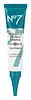
This anti-aging eye moisturizer is formulated around Retinyl Palmitate and Palmitoyl Tetrapeptide-7 to soften the look of wrinkles.
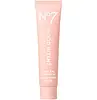
This hydrating overnight mask is formulated around Simmondsia Chinensis Seed Oil and Niacinamide to hydrate skin and strengthen the skin barrier.

What's inside
What's inside
 Key Ingredients
Benefits
Concerns
Ingredients Side-by-side
Water
Skin ConditioningGlycerin
Humectant


Cyclopentasiloxane
Emollient
Butyrospermum Parkii Butter
Skin Conditioning




Cyclohexasiloxane
Emollient
Cetearyl Alcohol
Emollient

Butylene Glycol
Humectant
Polyacrylamide
Glyceryl Stearate
Emollient
PEG-100 Stearate
Surfactant
Phenoxyethanol
Preservative
Stearic Acid
Cleansing
Palmitic Acid
Emollient
Alcohol Denat.
Antimicrobial


C13-14 Isoparaffin
Emollient
Methylparaben
Preservative

Propylene Glycol
Humectant
Laureth-7
EmulsifyingTocopheryl Acetate
Antioxidant


Sodium Hyaluronate
Humectant


Ethylparaben
Preservative
Ascorbyl Glucoside
Antioxidant
Retinyl Palmitate
Skin Conditioning

Sodium Polyacrylate
Absorbent
Hydrolyzed Rice Protein
Skin ConditioningTetrasodium EDTA
ChelatingSorbitan Laurate
Emulsifying
Potassium Hydroxide
BufferingHesperidin Methyl Chalcone
Antioxidant
Panax Ginseng Root Extract
Emollient
Carbomer
Emulsion StabilisingSteareth-20
CleansingDimethylmethoxy Chromanol
Antioxidant
Medicago Sativa Extract
TonicPolysorbate 20
Emulsifying
Hydroxyethylcellulose
Emulsion StabilisingMorus Alba Leaf Extract
Skin ConditioningSodium Benzoate
Masking
Chlorhexidine Digluconate
Antimicrobial
Tocopherol
Antioxidant
Acetyl Dipeptide-1 Cetyl Ester
Skin Conditioning
Potassium Sorbate
Preservative
Ethylhexylglycerin
Skin ConditioningDipeptide-2
Skin Conditioning
Palmitoyl Tetrapeptide-7
Skin Conditioning
Palmitoyl Tripeptide-1
Skin Conditioning
CI 77891
Cosmetic ColorantCI 77492
Cosmetic ColorantCI 77491
Cosmetic ColorantCI 77499
Cosmetic ColorantWater, Glycerin, Cyclopentasiloxane, Butyrospermum Parkii Butter, Cyclohexasiloxane, Cetearyl Alcohol, Butylene Glycol, Polyacrylamide, Glyceryl Stearate, PEG-100 Stearate, Phenoxyethanol, Stearic Acid, Palmitic Acid, Alcohol Denat., C13-14 Isoparaffin, Methylparaben, Propylene Glycol, Laureth-7, Tocopheryl Acetate, Sodium Hyaluronate, Ethylparaben, Ascorbyl Glucoside, Retinyl Palmitate, Sodium Polyacrylate, Hydrolyzed Rice Protein, Tetrasodium EDTA, Sorbitan Laurate, Potassium Hydroxide, Hesperidin Methyl Chalcone, Panax Ginseng Root Extract, Carbomer, Steareth-20, Dimethylmethoxy Chromanol, Medicago Sativa Extract, Polysorbate 20, Hydroxyethylcellulose, Morus Alba Leaf Extract, Sodium Benzoate, Chlorhexidine Digluconate, Tocopherol, Acetyl Dipeptide-1 Cetyl Ester, Potassium Sorbate, Ethylhexylglycerin, Dipeptide-2, Palmitoyl Tetrapeptide-7, Palmitoyl Tripeptide-1, CI 77891, CI 77492, CI 77491, CI 77499
Water
Skin ConditioningSimmondsia Chinensis Seed Oil
Emollient
Polyvinyl Alcohol
Methylpropanediol
SolventButylene Glycol
Humectant
Caprylic/Capric Triglyceride
Masking
1,2-Hexanediol
Skin Conditioning
Niacinamide
Smoothing



Algin
MaskingPolysorbate 80
Emulsifying
Polyglyceryl-10 Oleate
Skin Conditioning
Pullulan
Glyceryl Stearate
Emollient
PEG-100 Stearate
Surfactant
Panthenol
Skin Conditioning
Disteardimonium Hectorite
StabilisingSodium Polystyrene Sulfonate
Emulsion StabilisingMicrocrystalline Cellulose
AbsorbentTocopheryl Acetate
Antioxidant
Ethylhexylglycerin
Skin ConditioningSphingomonas Ferment Extract
Skin Conditioning
Allantoin
Skin Conditioning
Adenosine
Skin Conditioning
Cellulose Gum
Emulsion StabilisingSodium Phytate
ChelatingTocopherol
Antioxidant
Citric Acid
Buffering
Water, Simmondsia Chinensis Seed Oil, Polyvinyl Alcohol, Methylpropanediol, Butylene Glycol, Caprylic/Capric Triglyceride, 1,2-Hexanediol, Niacinamide, Algin, Polysorbate 80, Polyglyceryl-10 Oleate, Pullulan, Glyceryl Stearate, PEG-100 Stearate, Panthenol, Disteardimonium Hectorite, Sodium Polystyrene Sulfonate, Microcrystalline Cellulose, Tocopheryl Acetate, Ethylhexylglycerin, Sphingomonas Ferment Extract, Allantoin, Adenosine, Cellulose Gum, Sodium Phytate, Tocopherol, Citric Acid
Ingredients Explained
These ingredients are found in both products.
Ingredients higher up in an ingredient list are typically present in a larger amount.
Butylene Glycol (or BG) is used within cosmetic products for a few different reasons:
Overall, Butylene Glycol is a safe and well-rounded ingredient that works well with other ingredients.
Though this ingredient works well with most skin types, some people with sensitive skin may experience a reaction such as allergic rashes, closed comedones, or itchiness.
Learn more about Butylene GlycolEthylhexylglycerin is created from glycerin. It is a multitasker ingredient that:
The CIR Expert Panel found minimal skin absorption or sensitization of any kind in a safety assessment. Though this ingredient is considered well-tolerated, a small number of cases of allergic dermatitis have been published since 2002. Just be sure to patch test if you are unsure.
Industry-reported use ranges from 8% in rinse-off products and 2% in leave-on formulations.
Learn more about EthylhexylglycerinGlyceryl Stearate is made by reacting glycerin with stearic acid (typically sourced from plant oils like palm or coconut). It's an emulsifier, emollient, and mild occlusive.
Emulsifiers help ingredients like oil and water stay mixed so your formula stays nicely blended and uniform in texture.
This ingredient is typically used in concentrations between 1-10%. Studies have found it to be non-sensitizing, non-phototoxic, and non-photoallergenic.
A close cousin of this ingredient is Glyceryl Stearate SE ("self-emulsifying"). This just has a small amount of sodium or potassium stearate added so it can emulsify without a co-emulsifier.
Since this ingredient is an ester of a C18 fatty acid, it may not be fungal acne safe. The Malassezia yeast can potentially metabolize within the C11-C24 range.
Fun fact: The human body also creates Glyceryl Stearate naturally.
Learn more about Glyceryl StearatePeg-100 Stearate is an emollient and emulsifier. As an emollient, it helps keep skin soft by trapping moisture in. On the other hand, emulsifiers help prevent oil and water from separating in a product.
PEGS are a hydrophilic polyether compound . There are 100 ethylene oxide monomers in Peg-100 Stearate. Peg-100 Stearate is polyethylene glycol ester of stearic acid.
Tocopherol is a fat-soluble antioxidant known as Vitamin E.
You'll find this ingredient in the vast majority of skincare (for good reason). It works to neutralize free radicals, or unstable molecules generated by UV exposure, pollution, and other environmental stressors, before they can cause oxidative damage to your skin cells.
Topically applied tocopherol has been shown to protect against UV damage by ramping up the skin's own natural defense enzymes.
It also acts as a skin conditioning agent; some studies show that regular topical use can improve the skin's water-binding capacity over 2-4 weeks.
This ingredient is especially loved for being a team player. When combined with Vitamin C, the photoprotective effect of both ingredients roughly doubles and the combo also helps reduce UV-induced DNA damage.
This ingredient has some brightening potential but it's more of a prevention ingredient than spot-fader. Cell studies show it can slow down melanin production but it's worth noting that it's not the most powerful brightener out there.
In formulations, it also serves as a stabilizer that helps protect other oxidation-prone ingredients from degrading.
Concentrations usually range from 0.1-1% in most leave-on products.
Learn more about TocopherolTocopheryl Acetate is a stable, shelf-friendly form of vitamin E.
Formulators love it because plain vitamin E oxidizes quickly once it hits air. This acetate version stays stable and resists going off, helping to extend a product's shelf life.
It's actually inactive on its own and works like a slow-release "storage" form; the enzymes in your skin called esterases gradually convert it into active vitamin E over time.
One in vivo study showed 5% of the acetate in the living layer of the epidermis converted to vitamin E after 5 days of application. This study also found the skin gained protection against UV damage even though the conversion was slow and small.
Once converted, vitamin E acts as a skin's main fat-soluble antioxidant that fights free radicals to protect skin from damage.
Topical vitamin E generally boosts the skin's photoprotection, and it reduced UV-damage in animal models.
This ingredient has some brightening potential but it's more of a prevention ingredient than spot-fader. Cell studies show it can slow down melanin production but it's worth noting that it's not the most powerful brightener out there.
Overall, it has a pretty solid safety profile and has been found to be non-irritating and non-comedogenic. Allergic reactions may happen but stay rare due to how widely the ingredient gets used.
The concentration will vary depending on the formula; industry data shows 0.1% in baby lotions, 3% in lipsticks, and 5% in foot powders. You can also find this ingredient at 100% in a pure vitamin E oil.
Most leave-on skincare keeps it at the lower end, often between 0.5-1%.
Learn more about Tocopheryl AcetateWater. It's the most common cosmetic ingredient of all. You'll usually see it at the top of ingredient lists, meaning that it makes up the largest part of the product.
So why is it so popular? Water most often acts as a solvent - this means that it helps dissolve other ingredients into the formulation.
You'll also recognize water as that liquid we all need to stay alive. If you see this, drink a glass of water. Remember to stay hydrated!
Learn more about Water

