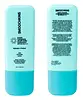
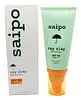
Smoochkins Ectoin Ceramide Airyfit Daily Sunscreen SPF 50 Versus Saipo Ray Slay Daily Sunscreen SPF 50+++
This chemical sunscreen covers most of the UV range, lighter on the deep UVA that drives aging.
This hybrid sunscreen covers the full UV range and blocks ~98% of UVB at SPF 50.

What's inside
What's inside
 Key Ingredients
Benefits
Concerns
Ingredients Side-by-side
Water
Skin ConditioningButyl Methoxydibenzoylmethane
UV Absorber
Ethylhexyl Methoxycinnamate
UV Absorber

Silica
Abrasive


Glyceryl Stearate
Emollient

PEG-100 Stearate
Surfactant
Cyclopentasiloxane
Emollient
Caprylic/Capric Triglyceride
Masking


Isopropyl Myristate
Emollient


Propanediol
Solvent
Phenoxyethanol
Preservative
Octocrylene
UV Absorber
Niacinamide
Smoothing








Cetyl Alcohol
Emollient
Trimethylsiloxysilicate
Emollient
Dimethicone Crosspolymer
Emulsion Stabilising
Centella Asiatica Leaf Extract
Skin Conditioning
Aloe Barbadensis Leaf Extract
Emollient
Ectoin
Skin Conditioning
Hydrogenated Phosphatidylcholine
Emulsifying
Glycerin
Humectant
Butyrospermum Parkii Butter
Skin Conditioning
Squalane
Emollient
Ceramide NP
Skin Conditioning
Pentylene Glycol
Skin Conditioning
Butylene Glycol
Humectant
Ethylhexylglycerin
Skin Conditioning1,2-Hexanediol
Skin Conditioning
Lecithin
Emollient
Acrylates/C10-30 Alkyl Acrylate Crosspolymer
Emulsion StabilisingTriethanolamine
BufferingXanthan Gum
EmulsifyingTetrasodium EDTA
Water, Butyl Methoxydibenzoylmethane, Ethylhexyl Methoxycinnamate, Silica, Glyceryl Stearate, PEG-100 Stearate, Cyclopentasiloxane, Caprylic/Capric Triglyceride, Isopropyl Myristate, Propanediol, Phenoxyethanol, Octocrylene, Niacinamide, Cetyl Alcohol, Trimethylsiloxysilicate, Dimethicone Crosspolymer, Centella Asiatica Leaf Extract, Aloe Barbadensis Leaf Extract, Ectoin, Hydrogenated Phosphatidylcholine, Glycerin, Butyrospermum Parkii Butter, Squalane, Ceramide NP, Pentylene Glycol, Butylene Glycol, Ethylhexylglycerin, 1,2-Hexanediol, Lecithin, Acrylates/C10-30 Alkyl Acrylate Crosspolymer, Triethanolamine, Xanthan Gum, Tetrasodium EDTA
Water
Skin ConditioningDiisopropyl Sebacate
EmollientBis-Ethylhexyloxyphenol Methoxyphenyl Triazine
Skin Conditioning
Ethylhexyl Salicylate
UV Absorber
C12-15 Alkyl Benzoate
AntimicrobialDipropylene Glycol
HumectantTitanium Dioxide
Cosmetic Colorant
Diethylamino Hydroxybenzoyl Hexyl Benzoate
UV Filter
Potassium Cetyl Phosphate
EmulsifyingEthylhexyl Triazone
UV Absorber
Cetearyl Alcohol
Emollient
Methylene Bis-Benzotriazolyl Tetramethylbutylphenol
UV Filter
Silica
Abrasive
Phenoxyethanol
Preservative
Boron Nitride
Absorbent
Glyceryl Stearate
Emollient
PEG-100 Stearate
Surfactant
Acrylates/C10-30 Alkyl Acrylate Crosspolymer
Emulsion StabilisingChlorphenesin
Antimicrobial
Stearic Acid
Cleansing
Alumina
Abrasive
Decyl Glucoside
Cleansing
Disodium EDTA
Sodium Hydroxide
BufferingAcacia Senegal Gum
MaskingXanthan Gum
EmulsifyingPropylene Glycol
Humectant
3-O-Ethyl Ascorbic Acid
Skin Conditioning
Camellia Japonica Seed Oil
Emollient
Butylene Glycol
Humectant
Propanediol
Solvent
Cucumis Sativus Fruit Extract
Emollient
Chamomilla Recutita Flower Extract
Masking
Acetyl Cysteine
Antioxidant
Vaccinium Vitis-Idaea Fruit Extract
Antioxidant
Cinnamomum Cassia Bark Extract
Masking
Sanguisorba Officinalis Root Extract
CleansingZingiber Officinale Root Extract
Masking
Potassium Sorbate
Preservative
Sodium Benzoate
Masking
Sodium Sulfite
Preservative
Citrus Unshiu Peel Extract
MaskingHippophae Rhamnoides Fruit Extract
Skin Conditioning
Litchi Chinensis Seed Extract
Skin ConditioningMangifera Indica Leaf Extract
Skin ConditioningCI 77163
Cosmetic Colorant
Water, Diisopropyl Sebacate, Bis-Ethylhexyloxyphenol Methoxyphenyl Triazine, Ethylhexyl Salicylate, C12-15 Alkyl Benzoate, Dipropylene Glycol, Titanium Dioxide, Diethylamino Hydroxybenzoyl Hexyl Benzoate, Potassium Cetyl Phosphate, Ethylhexyl Triazone, Cetearyl Alcohol, Methylene Bis-Benzotriazolyl Tetramethylbutylphenol, Silica, Phenoxyethanol, Boron Nitride, Glyceryl Stearate, PEG-100 Stearate, Acrylates/C10-30 Alkyl Acrylate Crosspolymer, Chlorphenesin, Stearic Acid, Alumina, Decyl Glucoside, Disodium EDTA, Sodium Hydroxide, Acacia Senegal Gum, Xanthan Gum, Propylene Glycol, 3-O-Ethyl Ascorbic Acid, Camellia Japonica Seed Oil, Butylene Glycol, Propanediol, Cucumis Sativus Fruit Extract, Chamomilla Recutita Flower Extract, Acetyl Cysteine, Vaccinium Vitis-Idaea Fruit Extract, Cinnamomum Cassia Bark Extract, Sanguisorba Officinalis Root Extract, Zingiber Officinale Root Extract, Potassium Sorbate, Sodium Benzoate, Sodium Sulfite, Citrus Unshiu Peel Extract, Hippophae Rhamnoides Fruit Extract, Litchi Chinensis Seed Extract, Mangifera Indica Leaf Extract, CI 77163
Reviews
Ingredients Explained
These ingredients are found in both products.
Ingredients higher up in an ingredient list are typically present in a larger amount.
Acrylates/C10-30 Alkyl Acrylate Crosspolymer is a synthetic polymer. It is used to thicken, emulsify, and improve the texture of products.
As an emulsifier, it helps stabilize oil-in-water emulsions to give products an elegant feel when applied.
It can also form a thin protective film on skin. One study found that a formula using this polymer helped slow down how quickly other ingredients (like DEET) were absorbed through skin.
A 2024 study of over 1,300 patients confirmed that sensitization to this ingredient is rare. It is also non-mutagenic and has a clean track record.
Learn more about Acrylates/C10-30 Alkyl Acrylate CrosspolymerButylene Glycol (or BG) is used within cosmetic products for a few different reasons:
Overall, Butylene Glycol is a safe and well-rounded ingredient that works well with other ingredients.
Though this ingredient works well with most skin types, some people with sensitive skin may experience a reaction such as allergic rashes, closed comedones, or itchiness.
Learn more about Butylene GlycolGlyceryl Stearate is made by reacting glycerin with stearic acid (typically sourced from plant oils like palm or coconut). It's an emulsifier, emollient, and mild occlusive.
Emulsifiers help ingredients like oil and water stay mixed so your formula stays nicely blended and uniform in texture.
This ingredient is typically used in concentrations between 1-10%. Studies have found it to be non-sensitizing, non-phototoxic, and non-photoallergenic.
A close cousin of this ingredient is Glyceryl Stearate SE ("self-emulsifying"). This just has a small amount of sodium or potassium stearate added so it can emulsify without a co-emulsifier.
Since this ingredient is an ester of a C18 fatty acid, it may not be fungal acne safe. The Malassezia yeast can potentially metabolize within the C11-C24 range.
Fun fact: The human body also creates Glyceryl Stearate naturally.
Learn more about Glyceryl StearatePeg-100 Stearate is an emollient and emulsifier. As an emollient, it helps keep skin soft by trapping moisture in. On the other hand, emulsifiers help prevent oil and water from separating in a product.
PEGS are a hydrophilic polyether compound . There are 100 ethylene oxide monomers in Peg-100 Stearate. Peg-100 Stearate is polyethylene glycol ester of stearic acid.
Phenoxyethanol is one of the most widely used preservatives in skincare (and for good reason!).
It has a large spectrum of antimicrobial activity and especially effective bacteria, yeast, and mold while only having a weak effect on your skin's natural microbiome.
On a cellular level, it disrupts the cell membranes of microbes by poking holes that make the cell leak. This shuts down the chemical reactions the microbe needs to make energy so it can no longer survive.
Another perk of this ingredient is that it stays functional across a wide pH range (3-10).
You'll often see it paired with boosters like Ethylhexylglycerin; one study showed that a 1:9 ratio of Ethylhexylglycerin to Phenoxyethanol damages bacterial membranes as effectively as doubling the Phenoxyethanol concentration on its own.
Typical use concentrations range from 0.3-1% depending on the formula, and this ingredient is capped at 1% int the EU.
Safety-wise, the fear mongering does not hold up to the evidence. The EU's Scientific Committee on Consumer Safety and FDA consider it safe as a preservative at up to 1%, including for children of all ages.
Adverse systemic effects only showed up in animal studies at exposures roughly 200x higher than what people get from cosmetics. And despite its very widespread use, this ingredient is a rare sensitizer and allergic reactions are uncommon.
Learn more about PhenoxyethanolPropanediol is an all-star ingredient. It softens, hydrates, and smooths the skin.
It’s often used to:
Propanediol is not likely to cause sensitivity and considered safe to use. It is derived from corn or petroleum with a clear color and no scent.
Learn more about PropanediolSilica, also known as silicon dioxide, is a naturally occurring mineral. It is used as a fine, spherical, and porous powder in cosmetics.
Though it has exfoliant properties, the function of silica varies depending on the product.
The unique structure of silica enhances the spreadability and adds smoothness, making it a great texture enhancer.
It is also used as an active carrier, emulsifier, and mattifier due to its ability to absorb excess oil.
In some products, tiny microneedles called spicules are made from silica or hydrolyzed sponge. When you rub them in, they lightly polish away dead skin layers and enhance the penetration of active ingredients.
Learn more about SilicaWater. It's the most common cosmetic ingredient of all. You'll usually see it at the top of ingredient lists, meaning that it makes up the largest part of the product.
So why is it so popular? Water most often acts as a solvent - this means that it helps dissolve other ingredients into the formulation.
You'll also recognize water as that liquid we all need to stay alive. If you see this, drink a glass of water. Remember to stay hydrated!
Learn more about WaterXanthan gum is used as a stabilizer and thickener within cosmetic products. It helps give products a sticky, thick feeling - preventing them from being too runny.
On the technical side of things, xanthan gum is a polysaccharide - a combination consisting of multiple sugar molecules bonded together.
Xanthan gum is a pretty common and great ingredient. It is a natural, non-toxic, non-irritating ingredient that is also commonly used in food products.
Learn more about Xanthan Gum

