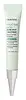
This acne treatment is formulated around Salicylic Acid and Centella Asiatica Extract to clear breakouts and refine the look of pores.
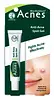
This acne treatment is formulated around Sulfur and Salicylic Acid to clear breakouts and balance excess oil.


What's inside
What's inside
 Key Ingredients
Benefits
Concerns
Ingredients Side-by-side
Water
Skin ConditioningButylene Glycol
Humectant

Salvia Miltiorrhiza Root Extract
Skin ConditioningCentella Asiatica Extract
Cleansing




Spiraea Ulmaria Extract
AstringentSalicylic Acid
Masking









Niacinamide
Smoothing

Amylopectin
Glycerin
Humectant
Xanthan Gum
EmulsifyingCyclodextrin
AbsorbentPlatonin
Skin ConditioningCeramide NP
Skin Conditioning
Ceramide AP
Skin Conditioning
Ceramide EOP
Skin Conditioning
Portulaca Oleracea Extract
Skin Conditioning
Panthenol
Skin Conditioning
Sodium Hyaluronate
Humectant
Beta-Glucan
Skin Conditioning
Lactobacillus/Soymilk Ferment Filtrate
Skin ConditioningPentylene Glycol
Skin Conditioning
Hydroxyphenyl Propamidobenzoic Acid
Skin ConditioningJuniperus Communis Fruit Extract
Perfuming
Morus Alba Root Extract
BleachingPerilla Ocymoides Leaf Extract
TonicHemerocallis Fulva Flower Extract
Skin ConditioningMaltodextrin
Absorbent
Calcium Pantothenate
Urea
Buffering
Caprylyl Glycol
Emollient
Ethylhexylglycerin
Skin ConditioningPapain
Skin Conditioning
Sodium Citrate
BufferingMagnesium Chloride
Magnesium Lactate
BufferingPotassium Lactate
BufferingSerine
Masking
Alanine
Masking
Proline
Skin Conditioning
Glycolic Acid
Buffering

Caprylhydroxamic Acid
ChelatingO-Cymen-5-Ol
Antimicrobial
1,2-Hexanediol
Skin Conditioning
Acrylates/C10-30 Alkyl Acrylate Crosspolymer
Emulsion StabilisingZinc PCA
Humectant
Allantoin
Skin Conditioning
Dipotassium Glycyrrhizate
Humectant
Phytosphingosine
Skin Conditioning
Cholesterol
Emollient
Sodium Lauroyl Lactylate
EmulsifyingCarbomer
Emulsion StabilisingWater, Butylene Glycol, Salvia Miltiorrhiza Root Extract, Centella Asiatica Extract, Spiraea Ulmaria Extract, Salicylic Acid, Niacinamide, Amylopectin, Glycerin, Xanthan Gum, Cyclodextrin, Platonin, Ceramide NP, Ceramide AP, Ceramide EOP, Portulaca Oleracea Extract, Panthenol, Sodium Hyaluronate, Beta-Glucan, Lactobacillus/Soymilk Ferment Filtrate, Pentylene Glycol, Hydroxyphenyl Propamidobenzoic Acid, Juniperus Communis Fruit Extract, Morus Alba Root Extract, Perilla Ocymoides Leaf Extract, Hemerocallis Fulva Flower Extract, Maltodextrin, Calcium Pantothenate, Urea, Caprylyl Glycol, Ethylhexylglycerin, Papain, Sodium Citrate, Magnesium Chloride, Magnesium Lactate, Potassium Lactate, Serine, Alanine, Proline, Glycolic Acid, Caprylhydroxamic Acid, O-Cymen-5-Ol, 1,2-Hexanediol, Acrylates/C10-30 Alkyl Acrylate Crosspolymer, Zinc PCA, Allantoin, Dipotassium Glycyrrhizate, Phytosphingosine, Cholesterol, Sodium Lauroyl Lactylate, Carbomer
Water
Skin ConditioningAlcohol
Antimicrobial
Butylene Glycol
Humectant
Glycerin
Humectant
Sulfur
Antiseborrhoeic
PEG-60 Hydrogenated Castor Oil
Emulsifying

Triethanolamine
BufferingCarbomer
Emulsion StabilisingHydroxypropyl Methylcellulose
Emulsion StabilisingTocopheryl Acetate
Antioxidant

Salicylic Acid
Masking
Centella Asiatica Extract
Cleansing
Amylopectin
Dextrin
AbsorbentXanthan Gum
EmulsifyingDisodium EDTA
ChelatingStearyl Glycyrrhetinate
Skin ConditioningPropylene Glycol Alginate
O-Cymen-5-Ol
Antimicrobial
BHT
Antioxidant
Pyridoxine Hcl
Skin ConditioningPropylparaben
Preservative

Methylparaben
Preservative
Parfum
Masking
Polyquaternium-51
Skin Conditioning
Butyl Avocadate
Skin Conditioning
Chondrus Crispus Extract
Skin Conditioning
Phenoxyethanol
Preservative
Cinchona Succirubra Bark Extract
Skin ConditioningAsiaticoside
Antioxidant
Propylene Glycol
Humectant
Madecassic Acid
Skin Conditioning
Asiatic Acid
Skin Conditioning
Chlorphenesin
Antimicrobial
Sodium Dehydroacetate
Preservative
Citric Acid
Buffering
Water, Alcohol, Butylene Glycol, Glycerin, Sulfur, PEG-60 Hydrogenated Castor Oil, Triethanolamine, Carbomer, Hydroxypropyl Methylcellulose, Tocopheryl Acetate, Salicylic Acid, Centella Asiatica Extract, Amylopectin, Dextrin, Xanthan Gum, Disodium EDTA, Stearyl Glycyrrhetinate, Propylene Glycol Alginate, O-Cymen-5-Ol, BHT, Pyridoxine Hcl, Propylparaben, Methylparaben, Parfum, Polyquaternium-51, Butyl Avocadate, Chondrus Crispus Extract, Phenoxyethanol, Cinchona Succirubra Bark Extract, Asiaticoside, Propylene Glycol, Madecassic Acid, Asiatic Acid, Chlorphenesin, Sodium Dehydroacetate, Citric Acid
Reviews
Ingredients Explained
These ingredients are found in both products.
Ingredients higher up in an ingredient list are typically present in a larger amount.
We don't have a description for Amylopectin yet.
Butylene Glycol (or BG) is used within cosmetic products for a few different reasons:
Overall, Butylene Glycol is a safe and well-rounded ingredient that works well with other ingredients.
Though this ingredient works well with most skin types, some people with sensitive skin may experience a reaction such as allergic rashes, closed comedones, or itchiness.
Learn more about Butylene GlycolCarbomer is a synthetic thickening and gelling agent. It's basically the ingredient that gives a lot of serums, gels, creams, and sunscreens their smooth, non-sticky texture.
Although legally permitted at very high levels, carbomers are normally used at concentrations below 1%.
It also needs to be neutralized to actually thicken, and because it is a large molecule, it doesn't really penetrate the skin barrier.
Allergy-wise, the risk is very low. Clinical studies show carbomers have low potential for skin irritation/sensitization even at concentrations up to 100%.
A 2024 UK study patch-tested 1,302 patients and found true allergy to the parent group of carbomer to be rare with no confirmed relevant reactions.
Learn more about CarbomerCentella Asiatica Extract (Centella) is one of the most researched botanical extracts in skincare with decades of studies backing its effects on inflammation, collagen, and the skin barrier.
That research keeps pointing back to the same four triterpenoid saponins: Asiaticoside, Madecassoside, Asiatic Acid, and Madecassic Acid.
These compounds allow centella to dial back inflammation, encourage the skin to build and hold onto collagen, support the barrier and hydration, and bring solid antioxidant activity to protect against signs of aging.
Centella also carries a nice supporting cast of Vitamin A, vitamin C, several B vitamins, and amino acids. Put it all together and you get an ingredient that soothes, hydrates, and protects, all at once.
Most of centella's magic comes from the four big compounds (Asiaticoside, Madecassoside, Asiatic Acid, and Madecassic Acid). These are the actives doing the heavy lifting in almost every centella study.
Here is the short version of what they do in the skin:
So it is not just soothing for the sake of soothing. Centella calms the skin AND helps it rebuild.
Just FYI, not all centella on an ingredient list is the same. What you are getting actually depends on the extract:
Fun fact on the ratios: the leaves tend to be richest in Madecassoside and Asiaticoside, and lower in the two acids. The exact amounts shift with where the plant is grown and how it is processed. This means purity really does vary brand to brand.
Centella is one of the most easygoing actives out there.
It layers well with basically everything: niacinamide, hyaluronic acid, peptides, and vitamin C, and also pairs nicely with stronger actives like retinoids and exfoliating acids where it can help take the edge off irritation.
On the safety side, centella and its triterpenes are classified as weak sensitizers, meaning allergic reactions are possible but uncommon.
Patch tests at 1% and 5% came back negative in test panels, and creams at typical use levels did not cause allergic reactions across large groups of people.
But as with any new active, a patch test is still a smart move for very reactive skin.
Centella is widely used because it is effective at low percentages. For context, human safety testing found no meaningful irritation from creams containing centella extract at everyday use levels (the tested amounts were well under 1%).
The irritancy threshold in animal testing was also above 30% (so real-world formulas sit far below anything concerning).
In collagen lab studies, higher concentrations drove more collagen synthesis, so serums built around centella tend to feature it more prominently.
Bottom line: you will find centella working nicely anywhere from a fraction of a percent up to hero-ingredient levels depending on whether it is a supporting soother or the main event.
Fun fact: Centella has been used as a medicine and in food for many centuries. As a medicine, it is used to treat burns, scratches, and wounds.
Learn more about Centella Asiatica ExtractGlycerin (or glycerol) is a compound naturally found in your skin. It's a powerhouse humectant that pulls water into the stratum corneum.
Topically, glycerin does several things at once:
Your skin makes glycerin on its own (mostly from sebaceous oil breakdown) and shuttles it to your outermost layer of skin, or your epidermis, via aquaporin-3.
Aquaporin-3 is a transporter that is essential for normal skin hydration, elasticity, and repair. Interestingly, mice lacking in AQP3 have dry and less elastic skin that can be fully corrected with glycerin.
This ingredient is non-irritating, plays well with almost every ingredient, and works across all skin types. Typical use is anywhere between 3-10% but can go up to 79% in some leave-on products.
Just know very high concentrations (>40%) can feel tacky in low humidity.
Glycerin is the name for this ingredient in American English. British English uses Glycerol/Glycerine.
Learn more about GlycerinThis ingredient is more commonly known as IPMP or Isopropyl Methylphenol. It is a preservative and has antimicrobial properties.
According to the EPA, this ingredient is allowed for use in cleansers, creams, powders, bath products, toothpaste, perfume, and more.
Salicylic Acid (also known as beta hydroxy acid or BHA) is a well-known ingredient for treating skin that struggles with acne and clogged pores. It exfoliates both the skin's surface and deep within the pores to help clear out buildup, control oil, and reduce inflammation.
Unlike AHAs (alpha hydroxy acids), salicylic acid is oil-soluble. This allows it to penetrate into pores which makes it especially effective for treating blackheads and preventing future breakouts.
Salicylic acid is also known for its soothing properties. It has a similar structure to aspirin and can calm inflamed or irritated skin, making it a good option for acne-prone skin that is also sensitive.
Concentrations of 0.5-2% are recognized by the U.S. FDA as an over-the-counter topical acne product.
It can cause irritation and/or dryness if one's skin already has a compromised moisture barrier, so it's best to focus on repairing that before introducing this ingredient into your routine.
While salicylic acid does not increase sun sensitivity, it’s still important to wear sunscreen daily to protect your skin.
If you are looking for the ingredient called BHA or Butylated Hydroxyanisole, click here.
Learn more about Salicylic AcidWater. It's the most common cosmetic ingredient of all. You'll usually see it at the top of ingredient lists, meaning that it makes up the largest part of the product.
So why is it so popular? Water most often acts as a solvent - this means that it helps dissolve other ingredients into the formulation.
You'll also recognize water as that liquid we all need to stay alive. If you see this, drink a glass of water. Remember to stay hydrated!
Learn more about WaterXanthan gum is used as a stabilizer and thickener within cosmetic products. It helps give products a sticky, thick feeling - preventing them from being too runny.
On the technical side of things, xanthan gum is a polysaccharide - a combination consisting of multiple sugar molecules bonded together.
Xanthan gum is a pretty common and great ingredient. It is a natural, non-toxic, non-irritating ingredient that is also commonly used in food products.
Learn more about Xanthan Gum

