This acne treatment is formulated around Sulfur and Salicylic Acid to clear breakouts and balance excess oil.
This acne treatment is formulated around Benzoyl Peroxide to clear breakouts.


What's inside
What's inside
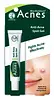 Key Ingredients
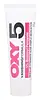
Benefits
Concerns
Ingredients Side-by-side
Water
Skin ConditioningAlcohol
Antimicrobial




Butylene Glycol
Humectant

Glycerin
Humectant
Sulfur
Antiseborrhoeic

PEG-60 Hydrogenated Castor Oil
Emulsifying

Triethanolamine
BufferingCarbomer
Emulsion StabilisingHydroxypropyl Methylcellulose
Emulsion StabilisingTocopheryl Acetate
Antioxidant


Salicylic Acid
Masking




Centella Asiatica Extract
Cleansing


Amylopectin
Dextrin
AbsorbentXanthan Gum
EmulsifyingDisodium EDTA
ChelatingStearyl Glycyrrhetinate
Skin ConditioningPropylene Glycol Alginate
O-Cymen-5-Ol
Antimicrobial
BHT
Antioxidant
Pyridoxine Hcl
Skin ConditioningPropylparaben
Preservative

Methylparaben
Preservative
Parfum
Masking

Polyquaternium-51
Skin Conditioning
Butyl Avocadate
Skin Conditioning
Chondrus Crispus Extract
Skin Conditioning
Phenoxyethanol
Preservative
Cinchona Succirubra Bark Extract
Skin ConditioningAsiaticoside
Antioxidant
Propylene Glycol
Humectant
Madecassic Acid
Skin Conditioning
Asiatic Acid
Skin Conditioning
Chlorphenesin
Antimicrobial
Sodium Dehydroacetate
Preservative
Citric Acid
Buffering
Water, Alcohol, Butylene Glycol, Glycerin, Sulfur, PEG-60 Hydrogenated Castor Oil, Triethanolamine, Carbomer, Hydroxypropyl Methylcellulose, Tocopheryl Acetate, Salicylic Acid, Centella Asiatica Extract, Amylopectin, Dextrin, Xanthan Gum, Disodium EDTA, Stearyl Glycyrrhetinate, Propylene Glycol Alginate, O-Cymen-5-Ol, BHT, Pyridoxine Hcl, Propylparaben, Methylparaben, Parfum, Polyquaternium-51, Butyl Avocadate, Chondrus Crispus Extract, Phenoxyethanol, Cinchona Succirubra Bark Extract, Asiaticoside, Propylene Glycol, Madecassic Acid, Asiatic Acid, Chlorphenesin, Sodium Dehydroacetate, Citric Acid
Reviews
Ingredients Explained
These ingredients are found in both products.
Ingredients higher up in an ingredient list are typically present in a larger amount.
Methylparaben is a synthetic preservative and one of the most widely used in the world. It has a simple, but important job: prevent your products from going bad by stopping bacteria, yeast, and mold from growing.
Typical use levels are low, often 0.1-0.3%.
This is also one of the most heavily studied preservatives out there and major regulatory bodies have repeatedly given it the green light.
In 2023, the EU's Scientific Committee on Consumer Safety (SCCS) confirmed that this ingredient is safe up to 0.4% on its own, of up to 0.8% when mixed with other paraben esters.
Here's the science behind the noise behind parabens/hormones as well:
Methylparaben shows very weak estrogen-like activity in vitro tests (more than 1,000x weaker than your body's own estradiol). In vivo (live-organism) studies don't support a meaningful endocrine-disrupting effect either.
You get a stronger estrogenic effect from eating tofu, actually.
It's also a low sensitizer and allergic reactions are uncommon; they usually happen on damage or broken skin.
There is a caveat: France has proposed to formally re-examine its endocrine classification in 2025 so the regulatory conversation isn't fully closed as of yet.
But as it stands today, this ingredient is considered safe at permitted levels.
Learn more about MethylparabenPropylparaben is a preservative and one of the most widely used members of the paraben family (it's been used in cosmetics for over a century now).
It works by disrupting microbial cell membranes and enzymes, and is a broad-spectrum protector that works exceptionally well against molds, yeasts, and gram-positive bacteria.
You'll likely see it paired with methylparaben to cover the full range (including gram-negative bacteria).
This ingredient is effective at low concentrations (~0.2-0.5%) and stable across a wide pH range (4.5-7.5 pH). It's effectiveness drops off above pH 8 and it can lose potency when combined with non-ionic surfactants like polysorbate 80 due to micellization.
The regulatory bodies have concluded this ingredient to be safe as used in cosmetics. The EU has capped it at 0.14% and combined parabens are not to exceed 0.8%.
While parabens do cross the stratum corneum, only about 1% remains for absorption into the body. This is because most of it is metabolized within living skin.
Learn more about Propylparaben

