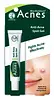
This acne treatment is formulated around Sulfur and Salicylic Acid to clear breakouts and balance excess oil.
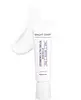
This acne treatment is formulated around Mandelic Acid and Salicylic Acid to clear breakouts and refine skin texture.


What's inside
What's inside
 Key Ingredients
Benefits
Concerns
Ingredients Side-by-side
Water
Skin ConditioningAlcohol
Antimicrobial




Butylene Glycol
Humectant

Glycerin
Humectant
Sulfur
Antiseborrhoeic

PEG-60 Hydrogenated Castor Oil
Emulsifying

Triethanolamine
BufferingCarbomer
Emulsion StabilisingHydroxypropyl Methylcellulose
Emulsion StabilisingTocopheryl Acetate
Antioxidant


Salicylic Acid
Masking




Centella Asiatica Extract
Cleansing


Amylopectin
Dextrin
AbsorbentXanthan Gum
EmulsifyingDisodium EDTA
ChelatingStearyl Glycyrrhetinate
Skin ConditioningPropylene Glycol Alginate
O-Cymen-5-Ol
Antimicrobial
BHT
Antioxidant
Pyridoxine Hcl
Skin ConditioningPropylparaben
Preservative

Methylparaben
Preservative
Parfum
Masking

Polyquaternium-51
Skin Conditioning
Butyl Avocadate
Skin Conditioning
Chondrus Crispus Extract
Skin Conditioning
Phenoxyethanol
Preservative
Cinchona Succirubra Bark Extract
Skin ConditioningAsiaticoside
Antioxidant
Propylene Glycol
Humectant
Madecassic Acid
Skin Conditioning
Asiatic Acid
Skin Conditioning
Chlorphenesin
Antimicrobial
Sodium Dehydroacetate
Preservative
Citric Acid
Buffering
Water, Alcohol, Butylene Glycol, Glycerin, Sulfur, PEG-60 Hydrogenated Castor Oil, Triethanolamine, Carbomer, Hydroxypropyl Methylcellulose, Tocopheryl Acetate, Salicylic Acid, Centella Asiatica Extract, Amylopectin, Dextrin, Xanthan Gum, Disodium EDTA, Stearyl Glycyrrhetinate, Propylene Glycol Alginate, O-Cymen-5-Ol, BHT, Pyridoxine Hcl, Propylparaben, Methylparaben, Parfum, Polyquaternium-51, Butyl Avocadate, Chondrus Crispus Extract, Phenoxyethanol, Cinchona Succirubra Bark Extract, Asiaticoside, Propylene Glycol, Madecassic Acid, Asiatic Acid, Chlorphenesin, Sodium Dehydroacetate, Citric Acid
Water
Skin ConditioningCetearyl Alcohol
Emollient


Propanediol
Solvent
Glycerin
Humectant
Glyceryl Stearate
Emollient
Dimethicone
Emollient
Mandelic Acid
Antimicrobial
Cetyl Alcohol
Emollient
Propylene Glycol
Humectant
Salicylic Acid
Masking
Niacinamide
Smoothing
Arginine
Masking
Glycereth-26
Humectant
PEG-100 Stearate
Surfactant
PEG-75 Stearate
Surfactant
Polyacrylate Crosspolymer-6
Emulsion StabilisingZinc PCA
Humectant
Triethanolamine
Buffering1,2-Hexanediol
Skin Conditioning
Sophora Angustifolia Root Extract
Skin ConditioningCeteth-20
CleansingSteareth-20
CleansingAlcohol
Antimicrobial
Sulfur
Antiseborrhoeic
Allantoin
Skin Conditioning
Hexamidine Diisethionate
Emollient
Dextrin
AbsorbentCnidium Monnieri Fruit Extract
HumectantCaprylhydroxamic Acid
ChelatingSodium Hyaluronate
Humectant
Xanthan Gum
EmulsifyingAcacia Senegal Gum
MaskingGlycyrrhiza Uralensis Root Extract
Skin Conditioning
Phellodendron Amurense Bark Extract
Skin ConditioningIris Florentina Root Extract
MaskingTotarol
Antioxidant
Zinc Sulfate
Antimicrobial
Retinyl Palmitate
Skin Conditioning
Polyquaternium-73
Water, Cetearyl Alcohol, Propanediol, Glycerin, Glyceryl Stearate, Dimethicone, Mandelic Acid, Cetyl Alcohol, Propylene Glycol, Salicylic Acid, Niacinamide, Arginine, Glycereth-26, PEG-100 Stearate, PEG-75 Stearate, Polyacrylate Crosspolymer-6, Zinc PCA, Triethanolamine, 1,2-Hexanediol, Sophora Angustifolia Root Extract, Ceteth-20, Steareth-20, Alcohol, Sulfur, Allantoin, Hexamidine Diisethionate, Dextrin, Cnidium Monnieri Fruit Extract, Caprylhydroxamic Acid, Sodium Hyaluronate, Xanthan Gum, Acacia Senegal Gum, Glycyrrhiza Uralensis Root Extract, Phellodendron Amurense Bark Extract, Iris Florentina Root Extract, Totarol, Zinc Sulfate, Retinyl Palmitate, Polyquaternium-73
Reviews
Ingredients Explained
These ingredients are found in both products.
Ingredients higher up in an ingredient list are typically present in a larger amount.
This ingredient is also called ethanol or ethyl alcohol. It is denatured, meaning made undrinkable for cosmetic use.
In formulas, it:
Is it bad for your skin?
The answer comes down to concentration. Patch and wash studies have found highly concentrated alcohol-based hand rubs (60-100%) cause less barrier disruption than washing with a basic detergent like SLS. The only measurable effect in these studies was a temporary dip in skin hydration.
Concentrations below 12-15% in leave-on cosmetics is generally well-tolerated. Concentrations above start to see increased transepidermal water loss (TEWL) and reduced hydration.
In concentrations about 58%, it creates temporary channels in your skin's lipid layers to become more permeable and allow other ingredients to slip through easily.
This ingredient can be up to 80% of the formula in alcohol-based perfumes.
Overall, this ingredient is probably harmless if found lower down an ingredients list but worth side-eyeing if it's high up (especially if your barrier is already struggling).
Alcohol can worsen dry skin, eczema, and oily skin, especially at higher concentrations. This is because it can increase transepidermal water loss and decrease hydration to disrupt the skin barrier.
According to the National Rosacea Society based in the US, you should be mindful of products with these alcohols in the top half of ingredients.
True allergic contact dermatitis to ethanol is uncommon, but be sure to patch test if you have dry or sensitive skin.
Learn more about AlcoholDextrin is a starch-derived polysaccharide. It's made by partially breaking down corn, potato, or other plant starches.
Think of it as "half-processed" starch; it's less complex than the original but not fully broken down into sugar like maltodextrin.
In cosmetics, it mainly functions as a bulking agent, viscosity controller, binder, and absorbent. It helps thicken products, stabilize powders, and get certain textures a less "wet" feel.
This ingredient has a pretty solid safety profile; it's recognized as a safe food additive and its large molecular size means it doesn't meaningfully penetrate skin.
Human repeat insult patch tests using a rinse-off facial product containing 42.69% dextrin found no skin irritation or sensitization in 54 subjects.
Typical real-world usage is much lower: usually under 1% as a texture modifier and up to 40% in masks (rinse off products use less).
Learn more about DextrinGlycerin (or glycerol) is a compound naturally found in your skin. It's a powerhouse humectant that pulls water into the stratum corneum.
Topically, glycerin does several things at once:
Your skin makes glycerin on its own (mostly from sebaceous oil breakdown) and shuttles it to your outermost layer of skin, or your epidermis, via aquaporin-3.
Aquaporin-3 is a transporter that is essential for normal skin hydration, elasticity, and repair. Interestingly, mice lacking in AQP3 have dry and less elastic skin that can be fully corrected with glycerin.
This ingredient is non-irritating, plays well with almost every ingredient, and works across all skin types. Typical use is anywhere between 3-10% but can go up to 79% in some leave-on products.
Just know very high concentrations (>40%) can feel tacky in low humidity.
Glycerin is the name for this ingredient in American English. British English uses Glycerol/Glycerine.
Learn more about GlycerinPropylene Glycol is a synthetic, colorless, odorless liquid that has been a staple in cosmetics for decades. It is a skin conditioning agent, humectant, and solvent.
As a humectant, it draw water to the skin to reduce flaking and restore suppleness. It's also a solvent that helps dissolve other actives and keeps formulas stable across temperature changes.
The CIR Expert Panel has confirmed this ingredient to be nontoxic and clinical studies show no sensitization at cosmetic use concentrations.
True allergic reactions are quite rare: a 15-year retrospective study of 6,751 patients found only 0.31% had a positive reaction (and less than half were considered clinically relevant).
It seemed that when sensitization does occur, it's most commonly linked to topical medication (like corticosteroids) and not cosmetics. Allergic contact dermatitis also appears largely limited to individuals with underlying skin conditions.
Overall, propylene glycol is a well-studied ingredient that most people can tolerate without issue.
Learn more about Propylene GlycolSalicylic Acid (also known as beta hydroxy acid or BHA) is a well-known ingredient for treating skin that struggles with acne and clogged pores. It exfoliates both the skin's surface and deep within the pores to help clear out buildup, control oil, and reduce inflammation.
Unlike AHAs (alpha hydroxy acids), salicylic acid is oil-soluble. This allows it to penetrate into pores which makes it especially effective for treating blackheads and preventing future breakouts.
Salicylic acid is also known for its soothing properties. It has a similar structure to aspirin and can calm inflamed or irritated skin, making it a good option for acne-prone skin that is also sensitive.
Concentrations of 0.5-2% are recognized by the U.S. FDA as an over-the-counter topical acne product.
It can cause irritation and/or dryness if one's skin already has a compromised moisture barrier, so it's best to focus on repairing that before introducing this ingredient into your routine.
While salicylic acid does not increase sun sensitivity, it’s still important to wear sunscreen daily to protect your skin.
If you are looking for the ingredient called BHA or Butylated Hydroxyanisole, click here.
Learn more about Salicylic AcidSulfur is a commonly occurring element on Earth (and our universe!). In cosmetics, it helps kill bacteria, reduces sebum, and provides exfoliation. This makes it an effective ingredient to reduce breakouts and fight acne.
As a ketayolytic agent, it breaks down the top layer of skin. This is a form of exfoliation and may help decrease acne and hyperpigmentation.
Studies show sulfur has antibacterial and antifungal properties. Sulfur can be drying if used excessively or at higher concentrations. We recommend speaking with a medical professional if you have any concerns.
Ancient Greece, India, China, and Egypt have used sulfur in both traditional medicines and for household use.
Learn more about SulfurTriethanolamine (TEA) is an emulsifier and pH adjuster. It is created using ethylene oxide and ammonia. This gives Triethanolamine a nitrogen core and a similar scent to ammonia.
As an emulsifier, it prevents ingredients from separating and enhances texture by adding volume to a product.
PH adjusters are common in cosmetic products. The pH of a product can affect the effectiveness of other ingredients. A product with a high pH may also irritate the skin.
If you are looking for the tea leaf ingredient, click here.
Learn more about TriethanolamineWater. It's the most common cosmetic ingredient of all. You'll usually see it at the top of ingredient lists, meaning that it makes up the largest part of the product.
So why is it so popular? Water most often acts as a solvent - this means that it helps dissolve other ingredients into the formulation.
You'll also recognize water as that liquid we all need to stay alive. If you see this, drink a glass of water. Remember to stay hydrated!
Learn more about WaterXanthan gum is used as a stabilizer and thickener within cosmetic products. It helps give products a sticky, thick feeling - preventing them from being too runny.
On the technical side of things, xanthan gum is a polysaccharide - a combination consisting of multiple sugar molecules bonded together.
Xanthan gum is a pretty common and great ingredient. It is a natural, non-toxic, non-irritating ingredient that is also commonly used in food products.
Learn more about Xanthan Gum

