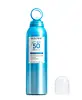
This chemical sunscreen covers the full UV range and blocks ~98% of UVB at SPF 50.
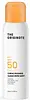
This hybrid sunscreen covers the full UV range and blocks ~98% of UVB at SPF 50.

What's inside
What's inside
 Key Ingredients
Benefits
Concerns
Ingredients Side-by-side
Butane
Propane
Isobutane
Bis-Ethylhexyloxyphenol Methoxyphenyl Triazine
UV Absorber
Ethylhexyl Triazone
UV Absorber
Ethylhexyl Salicylate
UV Absorber
Cyclohexasiloxane
Emollient
Isododecane
EmollientWater
Skin ConditioningTrimethylsiloxysilicate
Emollient
Diethylamino Hydroxybenzoyl Hexyl Benzoate
UV Filter
Ceramide EOP
Skin Conditioning





Ceramide Ns
Skin Conditioning
Ceramide As
Skin Conditioning
Ceramide NP
Skin Conditioning
Ceramide AP
Skin Conditioning
C12-15 Alkyl Benzoate
AntimicrobialDimethicone/Vinyl Dimethicone Crosspolymer
Skin Conditioning
Ascorbic Acid
Antioxidant





Sodium Hyaluronate
Humectant
Methyl Methacrylate Crosspolymer

Silica Dimethyl Silylate
EmollientSilica
Abrasive

Methicone
Emollient
Menthyl Lactate
Masking
Caprylyl Methicone
Skin Conditioning
Disteardimonium Hectorite
StabilisingPropylene Carbonate
SolventAloe Barbadensis Leaf Extract
Emollient
Citric Acid
Buffering
Bisabolol
Antioxidant
Tocopherol
Antioxidant
Piper Methysticum Root Extract
Skin ConditioningCentella Asiatica Extract
Cleansing
Scutellaria Baicalensis Root Extract
Astringent
Portulaca Oleracea Extract
Skin Conditioning
Ethylhexylglycerin
Skin ConditioningButane, Propane, Isobutane, Bis-Ethylhexyloxyphenol Methoxyphenyl Triazine, Ethylhexyl Triazone, Ethylhexyl Salicylate, Cyclohexasiloxane, Isododecane, Water, Trimethylsiloxysilicate, Diethylamino Hydroxybenzoyl Hexyl Benzoate, Ceramide EOP, Ceramide Ns, Ceramide As, Ceramide NP, Ceramide AP, C12-15 Alkyl Benzoate, Dimethicone/Vinyl Dimethicone Crosspolymer, Ascorbic Acid, Sodium Hyaluronate, Methyl Methacrylate Crosspolymer, Silica Dimethyl Silylate, Silica, Methicone, Menthyl Lactate, Caprylyl Methicone, Disteardimonium Hectorite, Propylene Carbonate, Aloe Barbadensis Leaf Extract, Citric Acid, Bisabolol, Tocopherol, Piper Methysticum Root Extract, Centella Asiatica Extract, Scutellaria Baicalensis Root Extract, Portulaca Oleracea Extract, Ethylhexylglycerin
Water
Skin ConditioningAlcohol
Antimicrobial



Ethylhexyl Methoxycinnamate
UV Absorber
4-Methylbenzylidene Camphor
UV Absorber
Butyl Methoxydibenzoylmethane
UV Absorber
Dimethicone
Emollient
Niacinamide
Smoothing

Dimethyl Ether
SolventIsodecyl Neopentanoate
EmollientGlycyrrhiza Glabra Root Extract
Bleaching
Aloe Barbadensis Leaf Juice
Skin Conditioning
Ethylhexyl Salicylate
UV Absorber
Cetyl Dimethicone
Emollient
Sorbitan Stearate
Emulsifying
Polysorbate 60
Emulsifying
Dipotassium Glycyrrhizate
Humectant
Isopropyl Myristate
Emollient

Silanediol Salicylate
EmollientTitanium Dioxide
Cosmetic Colorant
Isopropyl Palmitate
Emollient
Cyclopentasiloxane
Emollient
Bis-Ethylhexyloxyphenol Methoxyphenyl Triazine
UV Absorber
BHT
Antioxidant
Phenoxyethanol
Preservative
Phenylbenzimidazole Sulfonic Acid
UV Absorber
Portulaca Oleracea Extract
Skin Conditioning
Panthenol
Skin Conditioning
Octocrylene
UV Absorber
Methylene Bis-Benzotriazolyl Tetramethylbutylphenol
UV Filter
Parfum
Masking

Ascorbic Acid
Antioxidant
Disodium EDTA
Diazolidinyl Urea
Preservative
Artemisia Argyi Leaf Extract
Skin ConditioningHydrolyzed Sodium Hyaluronate
Skin Conditioning
Ceramide NP
Skin Conditioning
Sodium Hyaluronate
Humectant
Agaricus Bisporus Extract
Skin ConditioningTremella Fuciformis Polysaccharide
Emulsion Stabilising
Ceramide EOP
Skin Conditioning
Ceramide AP
Skin Conditioning
Inonotus Obliquus Extract
Skin ConditioningBisabolol
Antioxidant
Cordyceps Sinensis Extract
Antioxidant
Ceramide Ns
Skin Conditioning
Ceramide As
Skin Conditioning
Hyaluronic Acid
Humectant
Sodium Hyaluronate Crosspolymer
Humectant
Sodium Acetylated Hyaluronate
Humectant
Water, Alcohol, Ethylhexyl Methoxycinnamate, 4-Methylbenzylidene Camphor, Butyl Methoxydibenzoylmethane, Dimethicone, Niacinamide, Dimethyl Ether, Isodecyl Neopentanoate, Glycyrrhiza Glabra Root Extract, Aloe Barbadensis Leaf Juice, Ethylhexyl Salicylate, Cetyl Dimethicone, Sorbitan Stearate, Polysorbate 60, Dipotassium Glycyrrhizate, Isopropyl Myristate, Silanediol Salicylate, Titanium Dioxide, Isopropyl Palmitate, Cyclopentasiloxane, Bis-Ethylhexyloxyphenol Methoxyphenyl Triazine, BHT, Phenoxyethanol, Phenylbenzimidazole Sulfonic Acid, Portulaca Oleracea Extract, Panthenol, Octocrylene, Methylene Bis-Benzotriazolyl Tetramethylbutylphenol, Parfum, Ascorbic Acid, Disodium EDTA, Diazolidinyl Urea, Artemisia Argyi Leaf Extract, Hydrolyzed Sodium Hyaluronate, Ceramide NP, Sodium Hyaluronate, Agaricus Bisporus Extract, Tremella Fuciformis Polysaccharide, Ceramide EOP, Ceramide AP, Inonotus Obliquus Extract, Bisabolol, Cordyceps Sinensis Extract, Ceramide Ns, Ceramide As, Hyaluronic Acid, Sodium Hyaluronate Crosspolymer, Sodium Acetylated Hyaluronate
Reviews
Ingredients Explained
These ingredients are found in both products.
Ingredients higher up in an ingredient list are typically present in a larger amount.
Ascorbic Acid is is pure Vitamin C and is the biologically active form used directly by skin.
Not only is vitamin C great for your overall health and immune system, but it also has plenty of benefits for your skin. It is best supported by academic literature for:
Topical vitamin C has been shown to help neutralize oxidative stress from UV and pollution, helping to improve photoaging and hyperpigmentation when used consistently.
One clinical study found that using 5% topical vitamin C for six months improved signs of photodamaged skin, both on the surface and in the deeper structural layers of the skin.
While vitamin C doesn’t replace sunscreen, studies show it can boost photoprotection when combined with Vitamin E and ferulic acid. These two ingredients help improve stability and protective effects.
The big downside of this ingredient is formulation difficulty. Vitamin C is prone to oxidation and doesn't penetrate the skin unless formulated correctly. Research found that vitamin C absorbs into the skin best at a low pH (< 3.5) with about 20% being the upper limit for effective absorption.
Skin levels can saturate after repeated application; this means your skin won’t keep absorbing more once it’s full of vitamin C. This is why more isn’t always better with vitamin C and why very high concentrations don’t necessarily give extra benefits.
Ascorbic acid generally works well with many skincare ingredients but can be irritating when combined with other active ingredients. Strong oxidizing acne treatments like benzoyl peroxide can reduce the effectiveness of vitamin C if they are used at the same time; they are often recommended for use at different times of day.
Read more about other types of Vitamin C:
Foods rich with vitamin C include oranges, strawberries, broccoli, bell peppers, and more. When consuming Vitamin C, your skin receives a portion of the nutrients.
Learn more about Ascorbic AcidThis ingredient is better known as bemotrizinol or Tinosorb S and is one of the best broad-spectrum UV filters in modern sunscreen.
It works by absorbing UV light across a whole range (280-400 nm) with peaks around 310 nm (UVB) and 340-345 nm (UVA). This means it covers UVB plus the deeper UVA wavelengths that drive photoaging and pigmentation.
Another pro?
It's exceptionally photostable, barely degrades in sunlight, and acts as a "bodyguard" for less stable filters.
That's why you'll see it paired with avobenzone or octinoxate; this team up ensures they keep working through sun exposure.
Safety reviews have been reassuring across the board. This ingredient shows low absorption through the skin, rarely irritates, and lab studies found it doesn't act like a hormone in the body (a concern that's been raised about some older sunscreen filters).
On maximum concentrations:
In 2026, the US F.D.A finally added it as an OTC sunscreen ingredient at concentrations up to 6% for adults / children 6 months and older
Learn more about Bis-Ethylhexyloxyphenol Methoxyphenyl TriazineBisabolol is a gentle skin conditioner, antioxidant, and soothing ingredient.
It's primary claim to fame is soothing and research shows topically applied bisabolol can quiet the chemical messengers that cause your skin to become inflamed, helping to sooth any irritation.
A clinical study found that applying 0.5% bisabolol daily for 8 weeks produced an average 9% decrease in skin pigmentation. Researchers found it can also suppress the process that leads to excess melanin production in skin.
In vitro studies found that bisabolol combined with propylene glycol significantly increased skin permeability by increasing lipid fluidity in the stratum corneum.
You'll likely see use concentrations quite low, usually 0.1-0.2%.
Overall, this is a well-tolerated ingredient that works well in formulas designed for sensitive, reactive, or post-procedure skin.
Learn more about BisabololCeramide AP is is a skin-identical lipid that mimics what your skin already makes naturally. Ceramides help maintain epidermal integrity and barrier function.
You'll often see this ingredient paired with other ceramides (like ceramide NP), cholesterol, or fatty acids because this combination best mimics the natural lipid mix your skin already has.
The skin's ability to produce ceramides gets disrupted in skin conditions like eczema. This in turn weakens the skin barrier and applying ceramides topically has been shown to replenish what's been lost to restore barrier function.
Most of the studies with Ceramide AP test it as part of a multi-ceramide complex; studies reinforce ceramide AP's role in rebalancing ceramides in skin and improving skin hydration.
Learn more about Ceramide APCeramide AS is formally known as Ceramides 4 and 5.
Ceramides are intercellular lipids naturally found in our skin that bonds dead skin cells together to create a barrier. They are known for their ability to hold water and thus are a great ingredient for dry skin.
Ceramide EOP is formally known as Ceramide 1.
It is naturally found in skin and part of the intercellular "mortar" holding everything together in your outermost layer.
EOP stands for a linked Ester fatty acid, a linked Omega hydroxy fatty acid, and the Phytosphingosine base.
What makes Ceramide EOP special is its ultra-long fatty acid chain; this unique structure allows it to bridge the lipid layers in your skin barrier to prevent water loss (something no other ceramide can do).
Low levels of Ceramide EOP have been found in people with eczema and psoriasis.
Using it together with other ceramides, cholesterol, and linoleic acid have been shown to meaningfully improve hydration and reduce water loss.
In one clinical study, a regimen using Ceramide EOP, NP, and AP led to significant symptom improvements in patients with eczema, psoriasis, and dry skin in just 4 weeks.
You'll usually see concentrations between 0.1-0.5% in formulations. Overall, this is a well-tolerated and safe ingredient for cosmetic use.
Learn more about Ceramide EOPCeramide NP (formerly known as Ceramide 3) is one of the skin's naturally occurring lipids.
Since ceramides are the major lipid components of the skin, they are crucial for maintaining skin barrier and hydration. Ceramide NP most closely mirrors the dominant kind in human skin amongst ceramide subtypes.
This ceramide works by slotting into gaps within the stratum corneum's lipid matrix to limit trans-epidermal water loss (TEWL) and shield the skin against external irritants.
A study with 312 patients found that using a ceramide-containing routine for 4 weeks reduced the severity of atopic dermatitis by over 61%.
Another clinical study in subjects aged 60 and older found that a ceramide body wash and moisturizer improved skin dryness and itchy skin in 15 days.
Overall, ceramides are considered non-irritating and safety tests have found little to no observable adverse effects from using this ingredient.
Ceramide NP is usually sourced from plants (like soybean or rice bran), or produced synthetically.
Learn more about Ceramide NPCeramide NS is formally known as Ceramide 2. It is one of the major ceramides in the stratum corneum (outermost layer of skin) plays a role in forming a protective barrier.
Due to its structure, skin lipids can be packed tightly and in turn, this strengthens the barrier and reduces water loss.
Studies show conditions like atopic dermatitis can worsen when ceramide NS levels are low.
Learn more about Ceramide NsEthylhexyl Salicylate (also called Octisalate or Octyl Salicylate) is an oil-soluble organic UV filter that's been used in sunscreen since the 1950's.
It absorbs UVB light in the 280-320 nm range with a peak absorbance around 306 nm.
You'll often see it paired with other UV filters to boost overall SPF because octisalate is a fairly week filter on its own.
The reason you'll see it so often is because it can help solubilize and stabilize the trickier filters like oxybenzone and avobenzone.
Unlike these filters, octisalate has pretty good photostability and doesn't create skin-damaging free radicals when exposed to sunlight.
The fatty-alcohol part of the molecule also gives it a light, emollient feel so it doubles as a nice texture enhancer.
Usage levels vary around the world:
Safety-wise, this ingredient has a pretty reassuring track record. The EU's Scientific Committee on Consumer Products (SCCP) found very low skin penetration in human skin tests and negative results for irritation, phototoxicity, and photoallergy.
The real-world allergy risk is pretty low too; a 2012 European study of 1,031 people recorded only 2 reactions to it (a rate of 0.19%).
You might have seen scary headlines about sunscreen getting into your blood.
In 2019, the FDA found that several chemical filters can absorb through the skin and show up in the bloodstream at small but measurable levels.
Here's the important part: these tiny levels are just a cutoff the FDA uses to decide which ingredients need more testing and doesn't mean anything harmful was found.
The researchers were clear that the results are no reason to stop wearing sunscreen.
Learn more about Ethylhexyl SalicylateThis extract comes from Purslane, a succulent. It has anti-inflammatory, antioxidant, and hydrating properties.
Purslane is very nutritious. It contains omega-3 fatty acids, NMFs, many vitamins, minerals, and antioxidants. The vitamins found in purslane include: Vitamin C, Vitamin A, and Vitamin E.
Fun fact: Purslane is a succulent with an extensive habitat. It is used in traditional Korean medicine to treat irritated skin.
Nowadays, purslane is becoming a superfood due to its highly nutritious content.
Learn more about Portulaca Oleracea ExtractSodium Hyaluronate is the salt form of hyaluronic acid. It is a long sugar chain that is naturally found in your skin, joints, and connective tissue that maintains hydration and elasticity.
In skincare, it works as a humectant. It pulls water from the environment and deeper layers of skin and binds it to the surface.
Interestingly, the size of the molecule affects its behavior:
Some clinical evidence links low molecular weight versions to improved wrinkle depth, elasticity, anti-inflammatory effects, and barrier repair.
Many serums use a blend of both weights so you can get surface hydration plus longer-lasting and deeper effects.
You'll typically see concentrations between 0.1-2% for this ingredient.
Learn more about Sodium HyaluronateWater. It's the most common cosmetic ingredient of all. You'll usually see it at the top of ingredient lists, meaning that it makes up the largest part of the product.
So why is it so popular? Water most often acts as a solvent - this means that it helps dissolve other ingredients into the formulation.
You'll also recognize water as that liquid we all need to stay alive. If you see this, drink a glass of water. Remember to stay hydrated!
Learn more about Water

