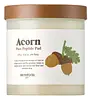
This pore-care toner pad uses a pre-saturated pad with Niacinamide and Gluconolactone to refine the look of pores and refine skin texture.
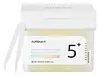
This brightening toner pad uses a pre-saturated pad with Niacinamide and Tranexamic Acid to brighten dull-looking skin and fade the look of dark spots.

What's inside
What's inside
 Key Ingredients
Benefits
Concerns
Ingredients Side-by-side
Water
Skin ConditioningQuercus Acutissima Fruit Extract 10%
AstringentPropanediol
Solvent

Butylene Glycol
Humectant
Glycerin
Humectant
Niacinamide
Smoothing









Alcohol
Antimicrobial




Gluconolactone
Chelating
Sodium Citrate
BufferingTromethamine
BufferingHydroxyacetophenone
Antioxidant
PPG-13-Decyltetradeceth-24
Emulsifying1,2-Hexanediol
Skin Conditioning
Hamamelis Virginiana Extract
Antiseborrhoeic
Allantoin
Skin Conditioning
Opuntia Ficus-Indica Stem Extract
Skin Conditioning
Adenosine
Skin Conditioning
Polyglyceryl-10 Laurate
Skin Conditioning
Diospyros Kaki Fruit Extract
Skin ConditioningCamellia Sinensis Leaf Extract
Antimicrobial
Castanea Crenata Shell Extract
Skin ConditioningSodium Hyaluronate
Humectant
Citric Acid
Buffering
Hydroxyethylcellulose
Emulsion StabilisingEnantia Chlorantha Bark Extract
Skin ConditioningSodium Phytate
ChelatingDextrin
AbsorbentBeta-Glucan
Skin Conditioning
Theobroma Cacao Extract
Skin ConditioningEucalyptus Globulus Leaf Oil
Perfuming



Rosmarinus Officinalis Leaf Oil
Masking
Amyris Balsamifera Bark Oil
Masking
Caprylyl Glycol
Emollient
Hydrolyzed Lupine Protein
Skin ConditioningSalvia Officinalis Oil
Masking
Glyceryl Acrylate/Acrylic Acid Copolymer
HumectantCitrus Aurantium Bergamia Fruit Oil
Masking
Pueraria Lobata Root Extract
HumectantUlmus Davidiana Root Extract
Skin Conditioning
Oenothera Biennis Flower/Leaf/Stem Extract
Skin ConditioningPinus Palustris Leaf Extract
TonicHelianthus Annuus Seed Oil
Emollient
Salvia Sclarea Oil
Masking
Palmitoyl Tripeptide-5
Skin Conditioning
Oleanolic Acid
Skin ConditioningWater, Quercus Acutissima Fruit Extract 10%, Propanediol, Butylene Glycol, Glycerin, Niacinamide, Alcohol, Gluconolactone, Sodium Citrate, Tromethamine, Hydroxyacetophenone, PPG-13-Decyltetradeceth-24, 1,2-Hexanediol, Hamamelis Virginiana Extract, Allantoin, Opuntia Ficus-Indica Stem Extract, Adenosine, Polyglyceryl-10 Laurate, Diospyros Kaki Fruit Extract, Camellia Sinensis Leaf Extract, Castanea Crenata Shell Extract, Sodium Hyaluronate, Citric Acid, Hydroxyethylcellulose, Enantia Chlorantha Bark Extract, Sodium Phytate, Dextrin, Beta-Glucan, Theobroma Cacao Extract, Eucalyptus Globulus Leaf Oil, Rosmarinus Officinalis Leaf Oil, Amyris Balsamifera Bark Oil, Caprylyl Glycol, Hydrolyzed Lupine Protein, Salvia Officinalis Oil, Glyceryl Acrylate/Acrylic Acid Copolymer, Citrus Aurantium Bergamia Fruit Oil, Pueraria Lobata Root Extract, Ulmus Davidiana Root Extract, Oenothera Biennis Flower/Leaf/Stem Extract, Pinus Palustris Leaf Extract, Helianthus Annuus Seed Oil, Salvia Sclarea Oil, Palmitoyl Tripeptide-5, Oleanolic Acid
Water
Skin ConditioningNiacinamide
Smoothing
Dipropylene Glycol
HumectantGlycerin
Humectant
Propanediol
Solvent
Butylene Glycol
Humectant
Hydroxyethyl Urea
Humectant
Diethoxyethyl Succinate
SolventHydroxyacetophenone
Antioxidant
Caprylyl Glycol
Emollient
Polyglyceryl-10 Laurate
Skin Conditioning
Betaine
Humectant
Panthenol
Skin Conditioning
Ethylhexylglycerin
Skin ConditioningGluconolactone
Chelating
Sodium Polyacrylate
Absorbent
Ammonium Acryloyldimethyltaurate/Vp Copolymer
Sodium Citrate
BufferingCitric Acid
Buffering
Maltodextrin
Absorbent
1,2-Hexanediol
Skin Conditioning
Gardenia Florida Fruit Extract
Skin ConditioningDipotassium Glycyrrhizate
Humectant
Sodium Hyaluronate
Humectant
Ascorbic Acid
Antioxidant
Pantolactone
Humectant
Tocopherol
Antioxidant
Capryloyl Salicylic Acid
Exfoliating
Tranexamic Acid
Astringent
Tremella Fuciformis Extract
Humectant
Caprylic/Capric Triglyceride
Masking
Ascorbyl Glucoside
Antioxidant
Ubiquinone
Antioxidant
Hydrogenated Lecithin
Emulsifying
Magnesium Chloride
Alcohol
Antimicrobial
Glutathione
Polysorbate 80
Emulsifying
Calcium Gluconate
HumectantPyridoxine Hcl
Skin ConditioningBHT
Antioxidant
Yeast Extract
Skin ConditioningCyanocobalamin
Skin ConditioningDisodium EDTA
ChelatingWater, Niacinamide, Dipropylene Glycol, Glycerin, Propanediol, Butylene Glycol, Hydroxyethyl Urea, Diethoxyethyl Succinate, Hydroxyacetophenone, Caprylyl Glycol, Polyglyceryl-10 Laurate, Betaine, Panthenol, Ethylhexylglycerin, Gluconolactone, Sodium Polyacrylate, Ammonium Acryloyldimethyltaurate/Vp Copolymer, Sodium Citrate, Citric Acid, Maltodextrin, 1,2-Hexanediol, Gardenia Florida Fruit Extract, Dipotassium Glycyrrhizate, Sodium Hyaluronate, Ascorbic Acid, Pantolactone, Tocopherol, Capryloyl Salicylic Acid, Tranexamic Acid, Tremella Fuciformis Extract, Caprylic/Capric Triglyceride, Ascorbyl Glucoside, Ubiquinone, Hydrogenated Lecithin, Magnesium Chloride, Alcohol, Glutathione, Polysorbate 80, Calcium Gluconate, Pyridoxine Hcl, BHT, Yeast Extract, Cyanocobalamin, Disodium EDTA
Reviews
Ingredients Explained
These ingredients are found in both products.
Ingredients higher up in an ingredient list are typically present in a larger amount.
1,2-Hexanediol is a synthetic liquid and another multi-functional powerhouse.
It is a:
- Humectant, drawing moisture into the skin
- Emollient, helping to soften skin
- Solvent, dispersing and stabilizing formulas
- Preservative booster, enhancing the antimicrobial activity of other preservatives
This ingredient is also called ethanol or ethyl alcohol. It is denatured, meaning made undrinkable for cosmetic use.
In formulas, it:
Is it bad for your skin?
The answer comes down to concentration. Patch and wash studies have found highly concentrated alcohol-based hand rubs (60-100%) cause less barrier disruption than washing with a basic detergent like SLS. The only measurable effect in these studies was a temporary dip in skin hydration.
Concentrations below 12-15% in leave-on cosmetics is generally well-tolerated. Concentrations above start to see increased transepidermal water loss (TEWL) and reduced hydration.
In concentrations about 58%, it creates temporary channels in your skin's lipid layers to become more permeable and allow other ingredients to slip through easily.
This ingredient can be up to 80% of the formula in alcohol-based perfumes.
Overall, this ingredient is probably harmless if found lower down an ingredients list but worth side-eyeing if it's high up (especially if your barrier is already struggling).
Alcohol can worsen dry skin, eczema, and oily skin, especially at higher concentrations. This is because it can increase transepidermal water loss and decrease hydration to disrupt the skin barrier.
According to the National Rosacea Society based in the US, you should be mindful of products with these alcohols in the top half of ingredients.
True allergic contact dermatitis to ethanol is uncommon, but be sure to patch test if you have dry or sensitive skin.
Learn more about AlcoholButylene Glycol (or BG) is used within cosmetic products for a few different reasons:
Overall, Butylene Glycol is a safe and well-rounded ingredient that works well with other ingredients.
Though this ingredient works well with most skin types, some people with sensitive skin may experience a reaction such as allergic rashes, closed comedones, or itchiness.
Learn more about Butylene GlycolCaprylyl Glycol is a humectant, skin conditioner, emollient, and preservative booster derived from either caprylic acid or synthetically created.
Typical use levels vary from 0.3-1% as a preservative booster and go up to 2% to condition skin.
Because it is not a free-fatty acid, this ingredient is fungal acne safe (there's nothing for Malassezia to feed on).
Learn more about Caprylyl GlycolCitric Acid is an alpha hydroxy acid (AHA) naturally found in citrus fruits like oranges, lemons, and limes.
Like other AHAs, citric acid can exfoliate skin by breaking down the bonds that hold dead skin cells together. This helps reveal smoother and brighter skin underneath.
However, this exfoliating effect only happens at high concentrations (20%) which can be hard to find in cosmetic products.
Due to this, citric acid is usually included in small amounts as a pH adjuster. This helps keep products slightly more acidic and compatible with skin's natural pH.
In skincare formulas, citric acid can:
While it can provide some skin benefits, research shows lactic acid and glycolic acid are generally more effective and less irritating exfoliants.
Most citric acid used in skincare today is made by fermenting sugars (usually from molasses). This synthetic version is identical to the natural citrus form but easier to stabilize and use in formulations.
Rosacea skin has a lower threshold for acids generally, with 62.5% of rosacea subjects in one study reacting to lactic acid in a sting test. This is why we mark citric acid as a potential rosacea trigger.
However, this ingredient shows up as a pH adjuster or chelator at roughly 0.1-1% in many products. These low levels are unlikely to be an issue for rosacea skin and becomes a potential trigger at exfoliating concentrations (20%). Because everybody's skin is unique, we recommend a patch test if you are unsure.
Learn more about Citric AcidGluconolactone is a PHA. PHAs are a great gentle alternative to traditional AHAs.
When applied, Gluconolactone has the same affect on skin as AHAs such as lactic acid. It helps dissolve the dead skin cells in the top layer of your skin. This improves texture and brightens the skin.
PHAs are more gentle than AHAs due to their larger structure. They do not penetrate as deeply as AHAs and take a longer time to dissolve dead cells. Studies show PHAs do not cause as much irritation.
Gluconolactone has some interesting properties:
In a 2004 study, Gluconolactone was found to prevent UV damage in mouse skin cells and has not been found to increase sun sensitivity. However, we still recommend wearing SPF daily.
This ingredient is is an created by reacting gluconic acid with an alcohol.
Learn more about GluconolactoneGlycerin (or glycerol) is a compound naturally found in your skin. It's a powerhouse humectant that pulls water into the stratum corneum.
Topically, glycerin does several things at once:
Your skin makes glycerin on its own (mostly from sebaceous oil breakdown) and shuttles it to your outermost layer of skin, or your epidermis, via aquaporin-3.
Aquaporin-3 is a transporter that is essential for normal skin hydration, elasticity, and repair. Interestingly, mice lacking in AQP3 have dry and less elastic skin that can be fully corrected with glycerin.
This ingredient is non-irritating, plays well with almost every ingredient, and works across all skin types. Typical use is anywhere between 3-10% but can go up to 79% in some leave-on products.
Just know very high concentrations (>40%) can feel tacky in low humidity.
Glycerin is the name for this ingredient in American English. British English uses Glycerol/Glycerine.
Learn more about GlycerinHydroxyacetophenone is a small phenolic molecule that earns its place in a formulas as an antioxidant and preservative booster.
As a phenol, it is able to neutralize free radicals to protect both the product and the skin from oxidative stress.
Though it can't kill microbes on its own, it works as a good supporting agent when combined with other preservatives like Phenoxyethanol or 1,2-Hexanediol.
This ingredient naturally occurs as piceol in Norwegian spruce needles (~0.4-1.1% dry weight and in cloudberries). Though the cosmetic-grade material is synthesized for purity and consistency.
You'll usually see it used at low levels and suppliers recommend up to 1% added to a water phase.
Safety testing was done at concentrations like 0.05% in SPF products and 0.5% in a Human Repeated Insult Patch Test. The safety evidence is assuring; this ingredient is safe for cosmetics in current use and also holds safety status as a food flavoring as well.
An honest caveat: the "soothing" and "anti-inflammatory" claims come mostly from supplier marketing rather than published clinical trials. The Cosmetic Ingredient Review's own literature search found no useful efficacy studies on this ingredient.
So the antioxidant and preservative-boosting roles are the well supported ones while the calming benefit is plausible but thinly evidenced.
Overall, this is a well-tolerated, low-irritation multitasker that quietly helps a formula stay fresh and stable.
Learn more about HydroxyacetophenoneNiacinamide is a multitasking form of vitamin B3 that strengthens the skin barrier, reduces pores and dark spots, regulates oil, and improves signs of aging.
And the best part? It's gentle and well-tolerated by most skin types, including sensitive and reactive skin.
You might have heard of "niacin flush", or the reddening of skin that causes itchiness. Niacinamide has not been found to cause this.
In very rare cases, some individuals may not be able to tolerate niacinamide at all or experience an allergic reaction to it.
If you are experiencing flaking, irritation, and dryness with this ingredient, be sure to double check all your products as this ingredient can be found in all categories of skincare.
When incorporating niacinamide into your routine, look out for concentration amounts. Typically, 5% niacinamide provides benefits such as fading dark spots. However, if you have sensitive skin, it is better to begin with a smaller concentration.
When you apply niacinamide to your skin, your body converts it into nicotinamide adenine dinucleotide (NAD). NAD is an essential coenzyme that is already found in your cells as "fuel" and powers countless biological processes.
In your skin, NAD helps repair cell damage, produce new healthy cells, support collagen production, strengthen the skin barrier, and fight environmental stressors (like UV and pollution).
Our natural NAD levels start to decline with age, leading to slower skin repair, visible aging, and a weaker skin barrier. By providing your skin niacinamide, you're recharging your skin's NAD levels. This leads to stronger, healthier, and younger looking skin.
Another name for vitamin B3 is nicotinamide. This vitamin is water-soluble and our bodies don't store it. We obtain Vitamin B3 from either food or skincare. Meat, fish, wheat, yeast, and leafy greens contain vitamin B3.
The type of niacinamide used in skincare is synthetically created.
Learn more about NiacinamidePolyglyceryl-10 Laurate is a cleansing agent and emulsifier.
It rounds up dirt, oil, and grime, so they can be rinsed off easily as a cleanser.
On the emulsifier side, it keeps your formula smooth and well-mixed by playing peacekeeper for ingredients that don't naturally get along (like oil and water).
Because it has a C12 (lauric acid) fatty acid chain, this ingredient can potentially feed the Malassezia yeast that causes fungal acne. The Malassezia yeast prefers esters with C11-C24 fatty acids.
This ingredient is an ester of lauric acid and Polyglycerin-10.
Learn more about Polyglyceryl-10 LauratePropanediol is an all-star ingredient. It softens, hydrates, and smooths the skin.
It’s often used to:
Propanediol is not likely to cause sensitivity and considered safe to use. It is derived from corn or petroleum with a clear color and no scent.
Learn more about PropanediolSodium Citrate is the sodium salts of citric acid. In skincare, it is used to alter pH levels and acts as a preservative.
Its main functions are to maintain the pH of a product and neutralize metal ions.
The acidity of our skin is maintained by our glands and skin biome; normal pH level of skin is slightly acidic (~4.75-5.5).
Being slightly acidic allows our skin to create an "acid mantle". This acid mantle is a thin barrier that protects our skin from bacteria and contaminants.
Learn more about Sodium CitrateSodium Hyaluronate is the salt form of hyaluronic acid. It is a long sugar chain that is naturally found in your skin, joints, and connective tissue that maintains hydration and elasticity.
In skincare, it works as a humectant. It pulls water from the environment and deeper layers of skin and binds it to the surface.
Interestingly, the size of the molecule affects its behavior:
Some clinical evidence links low molecular weight versions to improved wrinkle depth, elasticity, anti-inflammatory effects, and barrier repair.
Many serums use a blend of both weights so you can get surface hydration plus longer-lasting and deeper effects.
You'll typically see concentrations between 0.1-2% for this ingredient.
Learn more about Sodium HyaluronateWater. It's the most common cosmetic ingredient of all. You'll usually see it at the top of ingredient lists, meaning that it makes up the largest part of the product.
So why is it so popular? Water most often acts as a solvent - this means that it helps dissolve other ingredients into the formulation.
You'll also recognize water as that liquid we all need to stay alive. If you see this, drink a glass of water. Remember to stay hydrated!
Learn more about Water

