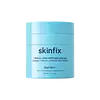
This barrier-repair moisturizer is formulated around Butyrospermum Parkii Butter and Ceramide NP to strengthen the skin barrier and hydrate skin.
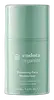
This barrier-repair moisturizer is formulated around Aloe Barbadensis Leaf Juice and Butyrospermum Parkii Butter to strengthen the skin barrier and hydrate skin.


What's inside
What's inside
 Key Ingredients
Benefits
Concerns
Ingredients Side-by-side
Water
Skin ConditioningCaprylic/Capric Triglyceride
Masking


Glycerin
Humectant
Butyrospermum Parkii Butter
Skin Conditioning




Olus Oil
Emollient
Cetyl Lactate
EmollientPropanediol
Solvent
C12-16 Alcohols
EmollientCaprylyl Caprylate/Caprate
Emollient
Jojoba Oil/Macadamia Seed Oil Esters
Skin Conditioning
Glyceryl Stearate Citrate
Emollient
Palmitic Acid
Emollient
Hydrogenated Lecithin
Emulsifying
Oryza Sativa Bran Extract
Skin Conditioning
Dilinoleic Acid/Propanediol Copolymer
EmollientSqualene
Emollient
Ophiopogon Japonicus Root Extract
Skin ConditioningXanthan Gum
EmulsifyingPhytosteryl Sunflowerseedate
Skin ConditioningGlycine Soja Extract
Skin ConditioningPentylene Glycol
Skin Conditioning
Ceramide NP
Skin Conditioning



Ceramide AP
Skin Conditioning
Ceramide EOP
Skin Conditioning
Hydrolyzed Rice Protein
Skin ConditioningChondrus Crispus Extract
Skin Conditioning
Hydrogenated Vegetable Glycerides
EmollientHelianthus Annuus Extract
Emollient
Sodium Hyaluronate
Humectant
Citric Acid
Buffering

Phytosteryl Macadamiate
Skin Conditioning
Tocopherol
Antioxidant


Rosmarinus Officinalis Leaf Extract
AntimicrobialAloe Barbadensis Leaf Juice
Skin Conditioning
Trisodium Ethylenediamine Disuccinate
Phytosterols
Skin Conditioning
Sodium Lauroyl Lactylate
EmulsifyingGluconolactone
Skin Conditioning




Phenethyl Alcohol
MaskingPhytosphingosine
Skin Conditioning
Cholesterol
Emollient
Carbomer
Emulsion StabilisingPotassium Sorbate
Preservative
Ethylhexylglycerin
Skin ConditioningSodium Benzoate
Masking
Phenoxyethanol
Preservative
Water, Caprylic/Capric Triglyceride, Glycerin, Butyrospermum Parkii Butter, Olus Oil, Cetyl Lactate, Propanediol, C12-16 Alcohols, Caprylyl Caprylate/Caprate, Jojoba Oil/Macadamia Seed Oil Esters, Glyceryl Stearate Citrate, Palmitic Acid, Hydrogenated Lecithin, Oryza Sativa Bran Extract, Dilinoleic Acid/Propanediol Copolymer, Squalene, Ophiopogon Japonicus Root Extract, Xanthan Gum, Phytosteryl Sunflowerseedate, Glycine Soja Extract, Pentylene Glycol, Ceramide NP, Ceramide AP, Ceramide EOP, Hydrolyzed Rice Protein, Chondrus Crispus Extract, Hydrogenated Vegetable Glycerides, Helianthus Annuus Extract, Sodium Hyaluronate, Citric Acid, Phytosteryl Macadamiate, Tocopherol, Rosmarinus Officinalis Leaf Extract, Aloe Barbadensis Leaf Juice, Trisodium Ethylenediamine Disuccinate, Phytosterols, Sodium Lauroyl Lactylate, Gluconolactone, Phenethyl Alcohol, Phytosphingosine, Cholesterol, Carbomer, Potassium Sorbate, Ethylhexylglycerin, Sodium Benzoate, Phenoxyethanol
Aloe Barbadensis Leaf Juice
Skin Conditioning
Glycerin
Humectant
Theobroma Cacao Seed Butter
Emollient
Macadamia Ternifolia Seed Oil
Emollient
Camellia Oleifera Seed Oil
Skin Conditioning
Glyceryl Stearate Se
Emulsifying
Butyrospermum Parkii Butter
Skin Conditioning
Cetearyl Alcohol
Emollient
Benzyl Alcohol
Perfuming




Sodium Stearoyl Glutamate
CleansingCarrageenan
Cocos Nucifera Oil
Masking
Dehydroacetic Acid
Preservative
Citrus Aurantium Bergamia Fruit Oil
Masking
Lavandula Angustifolia Oil
Masking
Citric Acid
Buffering
Citrus Aurantium Dulcis Oil
Masking
Pogostemon Cablin Leaf Oil
Masking
Cananga Odorata Flower Oil
Masking
Pelargonium Graveolens Oil
Masking
Syzygium Luehmannii Fruit Extract
Antioxidant
Acronychia Acidula Fruit Extract
HumectantDavidsonia Jerseyana Fruit Extract
Antioxidant
Rosa Canina Fruit Oil
Emollient
Olea Europaea Fruit Oil
Masking
Argania Spinosa Kernel Oil
Emollient
Vitis Vinifera Seed Oil
Emollient
Sodium Hyaluronate
Humectant
Aloe Barbadensis Leaf Juice, Glycerin, Theobroma Cacao Seed Butter, Macadamia Ternifolia Seed Oil, Camellia Oleifera Seed Oil, Glyceryl Stearate Se, Butyrospermum Parkii Butter, Cetearyl Alcohol, Benzyl Alcohol, Sodium Stearoyl Glutamate, Carrageenan, Cocos Nucifera Oil, Dehydroacetic Acid, Citrus Aurantium Bergamia Fruit Oil, Lavandula Angustifolia Oil, Citric Acid, Citrus Aurantium Dulcis Oil, Pogostemon Cablin Leaf Oil, Cananga Odorata Flower Oil, Pelargonium Graveolens Oil, Syzygium Luehmannii Fruit Extract, Acronychia Acidula Fruit Extract, Davidsonia Jerseyana Fruit Extract, Rosa Canina Fruit Oil, Olea Europaea Fruit Oil, Argania Spinosa Kernel Oil, Vitis Vinifera Seed Oil, Sodium Hyaluronate
Reviews
Ingredients Explained
These ingredients are found in both products.
Ingredients higher up in an ingredient list are typically present in a larger amount.
Aloe Barbadensis Leaf Juice is the filtered, stabilized liquid pressed from the inner gel of the aloe vera leaf.
In cosmetics, it shows up as either soothing active or a water-replacement base. It is roughly 98-99% water and the last 1-2% is an interesting mix of polysaccharides, amino acids, vitamins, minerals, and enzymes.
The polysaccharides do most of the work: they bind water at the skin surface for a light, non-greasy hydration boost. And one of the polysaccharides, glycomannan, is linked to fibroblast stimulation + collagen synthesis. This is also why aloe has such a long track record in wound and burn healing.
This ingredient is also calming with anti-inflammatory and mild antimicrobial activity, making it a great pick for sensitive, irritated, or post-sun skin.
Realistic expectations matter though; the solid evidence is mostly limited to hydration, soothing, and wound support. Deeper claims about anti-aging or sun protection are not well backed, and science reviews note it does not prevent radiation-induced skin injury.
Because it plays well with almost everything, it's commonly used as a base alongside other actives like niacinamide or vitamin C.
Typical usage concentrations range from 0.5% (where hydration benefits already show up) all the way to 90%+ (where it replaces water as the main base).
The safety for this ingredient is well-establish as well. Overall, this is a great supporting ingredient for those who want a boost in hydration.
Learn more about Aloe Barbadensis Leaf JuiceThis ingredient is also known as shea butter. It is a plant-derived extract from the nuts of the Africa shea tree and one of the most well-studied emollients.
Because it has a high concentration of fatty acids (primarily oleic, stearic, and linoleic) it is able to form a protective barrier on the skin's surface. This helps seal in moisture and prevents transepidermal water loss (TEWL).
In vitro research found an increase in skin hydration by 58% and a decrease in TEWL by 37.8% after 24 hours of applying this ingredient (pretty impressive for a single ingredient!).
Besides hydration, shea butter also contains triterpenes that have anti-inflammatory potential. In particule, lupeol cinnamate has shown the highest anti-inflammatory activity in vivo.
Shea butter also contains vitamins A and E which may contribute to antioxidant activity.
While Shea Butter has an SPF rating of about 3-4, it is not a sunscreen replacement.
This ingredient may not be fungal acne safe because its fatty acids fall within the C11-C24 range that the Malassezia yeast can metabolize.
This ingredient shows up on a lot of "pore-clogging" lists but there's no real evidence behind that. It doesn't even have a comedogenic rating from an actual study; the numbers you'll find online come from blogs citing other blogs.
Ratings for other ingredients mostly come from a 1980s rabbit ear test. This test doesn't translate well to human skin or to real products because the ingredient sits at a much lower percentage.
Some people still find it breaks them out. So if that's you, definitely trust your skin. Just know this one's based on experience and not evidence.
Learn more about Butyrospermum Parkii ButterCitric Acid is an alpha hydroxy acid (AHA) naturally found in citrus fruits like oranges, lemons, and limes.
Like other AHAs, citric acid can exfoliate skin by breaking down the bonds that hold dead skin cells together. This helps reveal smoother and brighter skin underneath.
However, this exfoliating effect only happens at high concentrations (20%) which can be hard to find in cosmetic products.
Due to this, citric acid is usually included in small amounts as a pH adjuster. This helps keep products slightly more acidic and compatible with skin's natural pH.
In skincare formulas, citric acid can:
While it can provide some skin benefits, research shows lactic acid and glycolic acid are generally more effective and less irritating exfoliants.
Most citric acid used in skincare today is made by fermenting sugars (usually from molasses). This synthetic version is identical to the natural citrus form but easier to stabilize and use in formulations.
Rosacea skin has a lower threshold for acids generally, with 62.5% of rosacea subjects in one study reacting to lactic acid in a sting test. This is why we mark citric acid as a potential rosacea trigger.
However, this ingredient shows up as a pH adjuster or chelator at roughly 0.1-1% in many products. These low levels are unlikely to be an issue for rosacea skin and becomes a potential trigger at exfoliating concentrations (20%). Because everybody's skin is unique, we recommend a patch test if you are unsure.
Learn more about Citric AcidGlycerin (or glycerol) is a compound naturally found in your skin. It's a powerhouse humectant that pulls water into the stratum corneum.
Topically, glycerin does several things at once:
Your skin makes glycerin on its own (mostly from sebaceous oil breakdown) and shuttles it to your outermost layer of skin, or your epidermis, via aquaporin-3.
Aquaporin-3 is a transporter that is essential for normal skin hydration, elasticity, and repair. Interestingly, mice lacking in AQP3 have dry and less elastic skin that can be fully corrected with glycerin.
This ingredient is non-irritating, plays well with almost every ingredient, and works across all skin types. Typical use is anywhere between 3-10% but can go up to 79% in some leave-on products.
Just know very high concentrations (>40%) can feel tacky in low humidity.
Glycerin is the name for this ingredient in American English. British English uses Glycerol/Glycerine.
Learn more about GlycerinSodium Hyaluronate is the salt form of hyaluronic acid. It is a long sugar chain that is naturally found in your skin, joints, and connective tissue that maintains hydration and elasticity.
In skincare, it works as a humectant. It pulls water from the environment and deeper layers of skin and binds it to the surface.
Interestingly, the size of the molecule affects its behavior:
Some clinical evidence links low molecular weight versions to improved wrinkle depth, elasticity, anti-inflammatory effects, and barrier repair.
Many serums use a blend of both weights so you can get surface hydration plus longer-lasting and deeper effects.
You'll typically see concentrations between 0.1-2% for this ingredient.
Learn more about Sodium Hyaluronate

