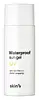
This chemical sunscreen covers most of the UV range, lighter on the deep UVA that drives aging.
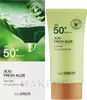
This chemical sunscreen covers the full UV range and blocks ~98% of UVB at SPF 50.

What's inside
What's inside
 Key Ingredients
Benefits
Concerns
Ingredients Side-by-side
Water
Skin ConditioningEthylhexyl Methoxycinnamate
UV Absorber


Homosalate
Skin Conditioning
Ethylhexyl Salicylate
UV Absorber
Diethylamino Hydroxybenzoyl Hexyl Benzoate
UV Filter
Propanediol
Solvent

Dimethicone Crosspolymer
Emulsion Stabilising
Pentylene Glycol
Skin Conditioning
Salvia Hispanica Seed Extract
Emollient
Centella Asiatica Extract
Cleansing



Houttuynia Cordata Extract
Skin Conditioning
Ammonium Acryloyldimethyltaurate/Vp Copolymer
Fructooligosaccharides
Humectant
Saccharide Hydrolysate
HumectantAcrylates/C10-30 Alkyl Acrylate Crosspolymer
Emulsion StabilisingEthylhexylglycerin
Skin ConditioningTriethanolamine
BufferingPullulan
Octyldodecanol
Emollient
1,2-Hexanediol
Skin Conditioning
Butylene Glycol
Humectant
Anthemis Nobilis Flower Extract
Masking
Echium Plantagineum Seed Oil
Skin Conditioning


Helianthus Annuus Seed Oil
Emollient
Persea Gratissima Fruit Extract
EmollientCalendula Officinalis Flower Extract
Masking
Cardiospermum Halicacabum Flower/Leaf/Vine Extract
Skin ConditioningDimethicone
Emollient
Xanthan Gum
EmulsifyingPolyglyceryl-3 Methylglucose Distearate
Emulsifying
Polysorbate 20
Emulsifying
Polyacrylate Crosspolymer-6
Emulsion StabilisingCI 77891
Cosmetic ColorantC12-15 Alkyl Benzoate
AntimicrobialTocopherol
Antioxidant



Glyceryl Stearate
Emollient
Aloe Barbadensis Leaf Extract
Emollient
PEG-100 Stearate
Surfactant
Aluminum Stearate
Cosmetic ColorantOleth-10
EmulsifyingPolyhydroxystearic Acid
Emulsifying
Alumina
Abrasive
Isodeceth-6
EmulsifyingT-Butyl Alcohol
Perfuming



Simethicone
Emollient
Phenoxyethanol
Preservative
Parfum
Masking
Water, Ethylhexyl Methoxycinnamate, Homosalate, Ethylhexyl Salicylate, Diethylamino Hydroxybenzoyl Hexyl Benzoate, Propanediol, Dimethicone Crosspolymer, Pentylene Glycol, Salvia Hispanica Seed Extract, Centella Asiatica Extract, Houttuynia Cordata Extract, Ammonium Acryloyldimethyltaurate/Vp Copolymer, Fructooligosaccharides, Saccharide Hydrolysate, Acrylates/C10-30 Alkyl Acrylate Crosspolymer, Ethylhexylglycerin, Triethanolamine, Pullulan, Octyldodecanol, 1,2-Hexanediol, Butylene Glycol, Anthemis Nobilis Flower Extract, Echium Plantagineum Seed Oil, Helianthus Annuus Seed Oil, Persea Gratissima Fruit Extract, Calendula Officinalis Flower Extract, Cardiospermum Halicacabum Flower/Leaf/Vine Extract, Dimethicone, Xanthan Gum, Polyglyceryl-3 Methylglucose Distearate, Polysorbate 20, Polyacrylate Crosspolymer-6, CI 77891, C12-15 Alkyl Benzoate, Tocopherol, Glyceryl Stearate, Aloe Barbadensis Leaf Extract, PEG-100 Stearate, Aluminum Stearate, Oleth-10, Polyhydroxystearic Acid, Alumina, Isodeceth-6, T-Butyl Alcohol, Simethicone, Phenoxyethanol, Parfum
Water
Skin ConditioningDibutyl Adipate
EmollientPropanediol
Solvent
Alcohol Denat.
Antimicrobial
Ethylhexyl Triazone
UV Absorber
Terephthalylidene Dicamphor Sulfonic Acid
UV Absorber
Glycerin
Humectant
Niacinamide
Smoothing



Polyglyceryl-3 Distearate
Emulsifying
Tromethamine
Buffering1,2-Hexanediol
Skin Conditioning
Pentylene Glycol
Skin Conditioning
Diethylamino Hydroxybenzoyl Hexyl Benzoate
UV Filter
Cetearyl Alcohol
Emollient


Caprylyl Methicone
Skin Conditioning
Polysilicone-15
UV Filter
Aloe Barbadensis Leaf Extract
Emollient
Melissa Officinalis Leaf Extract
Skin ConditioningRosmarinus Officinalis Leaf Extract
AntimicrobialOcimum Basilicum Leaf Extract
Skin ConditioningTaraxacum Officinale Leaf Extract
Skin ConditioningAnthemis Nobilis Flower Extract
Masking
Calendula Officinalis Flower Extract
Masking
Nelumbo Nucifera Flower Water
TonicCaprylic/Capric/Succinic Triglyceride
EmollientPalmitic Acid
Emollient
Glyceryl Stearate
Emollient
Bis-Ethylhexyloxyphenol Methoxyphenyl Triazine
UV Absorber
Potassium Cetyl Phosphate
EmulsifyingPolymethylsilsesquioxane
Stearic Acid
Cleansing
Methylpropanediol
SolventAmmonium Acryloyldimethyltaurate/Vp Copolymer
Silica
Abrasive
Ethylhexylglycerin
Skin ConditioningPolyacrylate Crosspolymer-6
Emulsion StabilisingGlyceryl Stearate Citrate
Emollient
Adenosine
Skin Conditioning
Butylene Glycol
Humectant
Disodium EDTA
ChelatingSodium Polyacrylate
Absorbent
Polyether-1
Myristic Acid
Cleansing
T-Butyl Alcohol
Perfuming
Biosaccharide Gum-1
Humectant
Tocopherol
Antioxidant
Parfum
Masking
Water, Dibutyl Adipate, Propanediol, Alcohol Denat., Ethylhexyl Triazone, Terephthalylidene Dicamphor Sulfonic Acid, Glycerin, Niacinamide, Polyglyceryl-3 Distearate, Tromethamine, 1,2-Hexanediol, Pentylene Glycol, Diethylamino Hydroxybenzoyl Hexyl Benzoate, Cetearyl Alcohol, Caprylyl Methicone, Polysilicone-15, Aloe Barbadensis Leaf Extract, Melissa Officinalis Leaf Extract, Rosmarinus Officinalis Leaf Extract, Ocimum Basilicum Leaf Extract, Taraxacum Officinale Leaf Extract, Anthemis Nobilis Flower Extract, Calendula Officinalis Flower Extract, Nelumbo Nucifera Flower Water, Caprylic/Capric/Succinic Triglyceride, Palmitic Acid, Glyceryl Stearate, Bis-Ethylhexyloxyphenol Methoxyphenyl Triazine, Potassium Cetyl Phosphate, Polymethylsilsesquioxane, Stearic Acid, Methylpropanediol, Ammonium Acryloyldimethyltaurate/Vp Copolymer, Silica, Ethylhexylglycerin, Polyacrylate Crosspolymer-6, Glyceryl Stearate Citrate, Adenosine, Butylene Glycol, Disodium EDTA, Sodium Polyacrylate, Polyether-1, Myristic Acid, T-Butyl Alcohol, Biosaccharide Gum-1, Tocopherol, Parfum
Reviews
Ingredients Explained
These ingredients are found in both products.
Ingredients higher up in an ingredient list are typically present in a larger amount.
1,2-Hexanediol is a synthetic liquid and another multi-functional powerhouse.
It is a:
- Humectant, drawing moisture into the skin
- Emollient, helping to soften skin
- Solvent, dispersing and stabilizing formulas
- Preservative booster, enhancing the antimicrobial activity of other preservatives
Aloe Barbadensis Leaf Extract is a botanical extract pulled from the leaves of aloe vera and one of the most studied plant ingredients in cosmetics.
The inner leaf gel it comes from is mostly water (~99-99.5%) and the remaining fraction is made up of pretty good stuff: polysaccharides, vitamins, phenolics, and enzymes.
Its headline job is hydration.
The star polysaccharide in aloe, acemannan, is a humectant that retains moisture and helps reduce trans-epidermal water loss.
Aloe also has real soothing credentials; it contains anti-inflammatory compounds like bradykinase and C-glucosyl chromone that help calm irritation and redness.
On the repair side, lab work shows that acemannan wakes up your skin's repair cells (fibroblasts), prompting them to multiply and speed up healing.
There's some human data for cosmetic benefit too: a cream containing 10% Aloe Barbadensis leaf extract improved skin hydration and elasticity in a real-use study.
Safety-wise, this ingredient is well-regarded with just one rare downside; there have been some case reports of acute eczema, contact urticaria, and dermatitis in people who applied aloe-derived ingredients topically. Those with a known aloe or Liliaceae sensitivity should patch test.
Typical use levels range widely, from under 1% up to 90%+ depending on the format and the effect you are after.
Learn more about Aloe Barbadensis Leaf ExtractAmmonium Acryloyldimethyltaurate/Vp Copolymer is a synthetically created polymer. It's used as a film-forming agent and used to thicken the consistency of products.
Think of it as a supportive ingredient that helps your gel-creams feel silky, "cloud cream-like", and spread evenly without being greasy.
The Cosmetic Ingredient Review (CIR) Expert Panel evaluated it (along with 22 other acryloyldimethyltaurate polymers) and concluded it's:
Due to its large molecular size, it sits on the surface of skin rather than penetrating it.
Learn more about Ammonium Acryloyldimethyltaurate/Vp CopolymerAnthemis Nobilis Flower Extract is from the Roman Chamomile flower. It helps soothe the skin and contains antioxidants.
Butylene Glycol (or BG) is used within cosmetic products for a few different reasons:
Overall, Butylene Glycol is a safe and well-rounded ingredient that works well with other ingredients.
Though this ingredient works well with most skin types, some people with sensitive skin may experience a reaction such as allergic rashes, closed comedones, or itchiness.
Learn more about Butylene GlycolCalendula Officinalis Flower Extract comes from the marigold flower and has been used on skin for centuries for its calming effect.
In the lab, its active compounds appear to calm inflammation and support the early "healing" phase of minor wounds.
This is why Europe's medicines regulator has approved calendula extracts as a traditional remedy for minor skin inflammation and healing small wounds.
The stronger human evidence is around would/ulcer care rather than everyday cosmetic claims; a review that pulled together 14 studies found that calendula helped calm the early, inflamed stage of a wound and helped new skin tissue form faster.
Two studies also showed it shrank leg ulcers (the kind caused by poor circulation). Results were mixed for burns and for the skin irritation people get from radiation treatment, so it's not a sure thing there.
In cosmetics, it's mostly a skin conditioning and soothing agent.
The Cosmetic Ingredient Review panel concluded that calendula-derived ingredients are safe as used and that the ingredients are not irritating, sensitizing, or photosensitizing in clinical tests (though they may be mild eye irritants).
Typical use levels are quite low; industry data reported it used at under 0.5% (one supplier noted a 10-25% extract blend used at 1-10% in the finished product). Historical use goes up to 10%.
The only thing to keep in mind is if you have daisy/ragweed allergies. Calendula is in the same family and one patch-test study found 2% of dermatitis patients reacted to marigold. Be sure to patch test if you have sensitive or allergy-prone skin.
Learn more about Calendula Officinalis Flower ExtractDiethylamino Hydroxybenzoyl Hexyl Benzoate (DHHB) is a chemical UV-A absorber. It is formulated for high UVA protection (320-400 nm).
DHHB is well-liked for:
DHHB has been approved by the EU, Japan, Taiwan, and South America for use up to 10%. Unfortunately, it has not been approved for use in the US or Canada due to slow regulatory processes.
This ingredient is soluble in oils, fats, and lipids.
Learn more about Diethylamino Hydroxybenzoyl Hexyl BenzoateEthylhexylglycerin is created from glycerin. It is a multitasker ingredient that:
The CIR Expert Panel found minimal skin absorption or sensitization of any kind in a safety assessment. Though this ingredient is considered well-tolerated, a small number of cases of allergic dermatitis have been published since 2002. Just be sure to patch test if you are unsure.
Industry-reported use ranges from 8% in rinse-off products and 2% in leave-on formulations.
Learn more about EthylhexylglycerinGlyceryl Stearate is made by reacting glycerin with stearic acid (typically sourced from plant oils like palm or coconut). It's an emulsifier, emollient, and mild occlusive.
Emulsifiers help ingredients like oil and water stay mixed so your formula stays nicely blended and uniform in texture.
This ingredient is typically used in concentrations between 1-10%. Studies have found it to be non-sensitizing, non-phototoxic, and non-photoallergenic.
A close cousin of this ingredient is Glyceryl Stearate SE ("self-emulsifying"). This just has a small amount of sodium or potassium stearate added so it can emulsify without a co-emulsifier.
Since this ingredient is an ester of a C18 fatty acid, it may not be fungal acne safe. The Malassezia yeast can potentially metabolize within the C11-C24 range.
Fun fact: The human body also creates Glyceryl Stearate naturally.
Learn more about Glyceryl StearateParfum is a catch-all term for an ingredient or more that is used to give a scent to products.
Also called "fragrance", this ingredient can be a blend of hundreds of chemicals or plant oils. This means every product with "fragrance" or "parfum" in the ingredients list is a different mixture.
For instance, Habanolide is a proprietary trade name for a specific aroma chemical. When used as a fragrance ingredient in cosmetics, most aroma chemicals fall under the broad labeling category of “FRAGRANCE” or “PARFUM” according to EU and US regulations.
The term 'parfum' or 'fragrance' is not regulated in many countries. In many cases, it is up to the brand to define this term.
For instance, many brands choose to label themselves as "fragrance-free" because they are not using synthetic fragrances. However, their products may still contain ingredients such as essential oils that are considered a fragrance by INCI standards.
One example is Calendula flower extract. Calendula is an essential oil that still imparts a scent or 'fragrance'.
Depending on the blend, the ingredients in the mixture can cause allergies and sensitivities on the skin. Some ingredients that are known EU allergens include linalool and citronellol.
Parfum can also be used to mask or cover an unpleasant scent.
The bottom line is: not all fragrances/parfum/ingredients are created equally. If you are worried about fragrances, we recommend taking a closer look at an ingredient. And of course, we always recommend speaking with a professional.
Learn more about ParfumPentylene Glycol (1,2-pentanediol) is a multitasking little diol with three main roles in a formula:
Research on alkanediols (the family pentylene glycol belongs to) show they work by disrupting microbial cell membranes. This disruption helps the primary preservative system in a product work more effectively at lower doses.
On the safety side, the Cosmetic Ingredient Review Expert Panel has concluded this ingredient to be safe as used in current cosmetic practices + concentrations.
Typical use levels in a formula run about 1-5%.
Learn more about Pentylene GlycolPolyacrylate Crosspolymer-6 is a texture enhancer and pH adjuster.
It is be used to thicken water-based products and create a gel-texture with a velvet feel.
One manufacturer claims this ingredient to have a pH range of 2-8 and to be biodegradable.
This ingredient is also known as Sepimax Zen.
Learn more about Polyacrylate Crosspolymer-6Propanediol is an all-star ingredient. It softens, hydrates, and smooths the skin.
It’s often used to:
Propanediol is not likely to cause sensitivity and considered safe to use. It is derived from corn or petroleum with a clear color and no scent.
Learn more about PropanediolT-Butyl Alcohol (aka tert-butanol) is a small, clear, camphor-smelling alcohol.
It has two main jobs:
On the safety side, it's well-studied and has a solid track record. Human repeat-insult patch testing showed no skin irritation or sensitization even at 100%.
Typical use levels are pretty tiny, usually less than 1%.
You might see some fear-mongering around this ingredient:
Studies in male rats showed kidney effects but that's because of a rat-specific protein that humans don't make. So this study isn't really relevant to humans.
Though it's not a typical fragrance like parfum, it does have a natural scent. That's why the official COSIng database lists it as 'perfuming' ingredient. It can be used to modify the scent of a formula.
Learn more about T-Butyl AlcoholTocopherol is a fat-soluble antioxidant known as Vitamin E.
You'll find this ingredient in the vast majority of skincare (for good reason). It works to neutralize free radicals, or unstable molecules generated by UV exposure, pollution, and other environmental stressors, before they can cause oxidative damage to your skin cells.
Topically applied tocopherol has been shown to protect against UV damage by ramping up the skin's own natural defense enzymes.
It also acts as a skin conditioning agent; some studies show that regular topical use can improve the skin's water-binding capacity over 2-4 weeks.
This ingredient is especially loved for being a team player. When combined with Vitamin C, the photoprotective effect of both ingredients roughly doubles and the combo also helps reduce UV-induced DNA damage.
This ingredient has some brightening potential but it's more of a prevention ingredient than spot-fader. Cell studies show it can slow down melanin production but it's worth noting that it's not the most powerful brightener out there.
In formulations, it also serves as a stabilizer that helps protect other oxidation-prone ingredients from degrading.
Concentrations usually range from 0.1-1% in most leave-on products.
Learn more about TocopherolWater. It's the most common cosmetic ingredient of all. You'll usually see it at the top of ingredient lists, meaning that it makes up the largest part of the product.
So why is it so popular? Water most often acts as a solvent - this means that it helps dissolve other ingredients into the formulation.
You'll also recognize water as that liquid we all need to stay alive. If you see this, drink a glass of water. Remember to stay hydrated!
Learn more about Water

