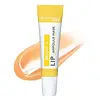
This hydrating lip mask is formulated around Petrolatum and Ascorbyl Tetraisopalmitate to hydrate lips and fade the look of dark spots.
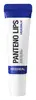
This barrier-repair lip moisturizer is formulated around Panthenol to strengthen the lip barrier and hydrate lips.

What's inside
What's inside
 Key Ingredients
Benefits
Concerns
Ingredients Side-by-side
Hydrogenated Polyisobutene
EmollientPetrolatum
Emollient



Polybutene
Bis-Diglyceryl Polyacyladipate-2
Emollient

Ascorbyl Tetraisopalmitate
Antioxidant


Silica Dimethyl Silylate
EmollientMicrocrystalline Wax
Emulsion StabilisingPolyglyceryl-2 Triisostearate
Emulsifying
Diisostearyl Malate
EmollientCI 19140
Cosmetic ColorantBHT
Antioxidant
Benzotriazolyl Dodecyl P-Cresol
UV AbsorberSimmondsia Chinensis Seed Oil
Emollient

Tocopheryl Acetate
Antioxidant

CI 77891
Cosmetic ColorantCI 77491
Cosmetic ColorantCI 15850
Cosmetic ColorantWater
Skin ConditioningButylene Glycol
Humectant
Propanediol
Solvent
Sodium Lactate
Buffering
Glycerin
Humectant
Polyglyceryl-6 Laurate
Emulsifying
Polyglyceryl-10 Oleate
Skin Conditioning
Prunus Persica Extract
CleansingGarcinia Mangostana Peel Extract
Skin ConditioningSorbitan Palmitate
Emulsifying
3-O-Ethyl Ascorbic Acid
Skin Conditioning


Achillea Millefolium Extract
CleansingAlchemilla Vulgaris Extract
AstringentBeta Vulgaris Root Extract
Skin ConditioningGinkgo Biloba Leaf Extract
Skin Conditioning
Malva Sylvestris Extract
AstringentMelissa Officinalis Leaf Extract
Skin ConditioningMentha Piperita Leaf Extract
Skin ConditioningPrimula Veris Extract
Skin ConditioningVeronica Officinalis Extract
Skin ConditioningSaccharomyces/Persimmon Fruit Juice Ferment Extract
1,2-Hexanediol
Skin Conditioning
Citrus Junos Fruit Extract
Skin ConditioningHonokiol
Antioxidant
Magnolol
Antioxidant
Punica Granatum Extract
AstringentPhenoxyethanol
Preservative
Ethylhexylglycerin
Skin ConditioningSodium Hydroxide
BufferingFragaria Chiloensis Fruit Extract
Skin Conditioning
Lycium Chinense Fruit Extract
Antioxidant
Malpighia Emarginata Fruit Extract
Skin ConditioningVaccinium Macrocarpon Fruit Extract
AstringentHydrogenated Polyisobutene, Petrolatum, Polybutene, Bis-Diglyceryl Polyacyladipate-2, Ascorbyl Tetraisopalmitate, Silica Dimethyl Silylate, Microcrystalline Wax, Polyglyceryl-2 Triisostearate, Diisostearyl Malate, CI 19140, BHT, Benzotriazolyl Dodecyl P-Cresol, Simmondsia Chinensis Seed Oil, Tocopheryl Acetate, CI 77891, CI 77491, CI 15850, Water, Butylene Glycol, Propanediol, Sodium Lactate, Glycerin, Polyglyceryl-6 Laurate, Polyglyceryl-10 Oleate, Prunus Persica Extract, Garcinia Mangostana Peel Extract, Sorbitan Palmitate, 3-O-Ethyl Ascorbic Acid, Achillea Millefolium Extract, Alchemilla Vulgaris Extract, Beta Vulgaris Root Extract, Ginkgo Biloba Leaf Extract, Malva Sylvestris Extract, Melissa Officinalis Leaf Extract, Mentha Piperita Leaf Extract, Primula Veris Extract, Veronica Officinalis Extract, Saccharomyces/Persimmon Fruit Juice Ferment Extract, 1,2-Hexanediol, Citrus Junos Fruit Extract, Honokiol, Magnolol, Punica Granatum Extract, Phenoxyethanol, Ethylhexylglycerin, Sodium Hydroxide, Fragaria Chiloensis Fruit Extract, Lycium Chinense Fruit Extract, Malpighia Emarginata Fruit Extract, Vaccinium Macrocarpon Fruit Extract
Water
Skin ConditioningPanthenol
Skin Conditioning
Sorbitol
Humectant
Isohexadecane
EmollientCaprylic/Capric Triglyceride
Masking
Glycerin
Humectant
Dilinoleic Acid/Propanediol Copolymer
EmollientCetearyl Alcohol
Emollient


Diisostearyl Malate
EmollientMacadamia Ternifolia Seed Oil
Emollient
PEG/PPG-17/6 Copolymer
SolventPhytosteryl Sunflowerseedate
Skin ConditioningBeeswax
Emulsion Stabilising
Polysorbate 60
Emulsifying
Glyceryl Stearate
Emollient
Methyl Glucose Sesquistearate
Emollient
Sorbitan Sesquioleate
Emulsifying
Hydrogenated Vegetable Glycerides
EmollientDimethicone
Emollient
1,2-Hexanediol
Skin Conditioning
Tocopheryl Acetate
Antioxidant
PEG-100 Stearate
Surfactant
Arginine
Masking
Carbomer
Emulsion StabilisingButylene Glycol
Humectant
Caprylhydroxamic Acid
ChelatingSodium Acrylate/Sodium Acryloyldimethyl Taurate Copolymer
Emulsion StabilisingAllantoin
Skin Conditioning
Parfum
Masking

Polysorbate 80
Emulsifying
Disodium EDTA
ChelatingSodium Hyaluronate
Humectant

Helianthus Annuus Seed Oil
Emollient
Olea Europaea Fruit Oil
Masking
Argania Spinosa Kernel Oil
Emollient
Sorbitan Oleate
Emulsifying
Water, Panthenol, Sorbitol, Isohexadecane, Caprylic/Capric Triglyceride, Glycerin, Dilinoleic Acid/Propanediol Copolymer, Cetearyl Alcohol, Diisostearyl Malate, Macadamia Ternifolia Seed Oil, PEG/PPG-17/6 Copolymer, Phytosteryl Sunflowerseedate, Beeswax, Polysorbate 60, Glyceryl Stearate, Methyl Glucose Sesquistearate, Sorbitan Sesquioleate, Hydrogenated Vegetable Glycerides, Dimethicone, 1,2-Hexanediol, Tocopheryl Acetate, PEG-100 Stearate, Arginine, Carbomer, Butylene Glycol, Caprylhydroxamic Acid, Sodium Acrylate/Sodium Acryloyldimethyl Taurate Copolymer, Allantoin, Parfum, Polysorbate 80, Disodium EDTA, Sodium Hyaluronate, Helianthus Annuus Seed Oil, Olea Europaea Fruit Oil, Argania Spinosa Kernel Oil, Sorbitan Oleate
Reviews
Ingredients Explained
These ingredients are found in both products.
Ingredients higher up in an ingredient list are typically present in a larger amount.
1,2-Hexanediol is a synthetic liquid and another multi-functional powerhouse.
It is a:
- Humectant, drawing moisture into the skin
- Emollient, helping to soften skin
- Solvent, dispersing and stabilizing formulas
- Preservative booster, enhancing the antimicrobial activity of other preservatives
Butylene Glycol (or BG) is used within cosmetic products for a few different reasons:
Overall, Butylene Glycol is a safe and well-rounded ingredient that works well with other ingredients.
Though this ingredient works well with most skin types, some people with sensitive skin may experience a reaction such as allergic rashes, closed comedones, or itchiness.
Learn more about Butylene GlycolDiisostearyl Malate is an emollient and most often used in lip products. It comes from isostearyl alcohol, a fatty acid, and malic acid, an AHA.
As an emollient, Diisostearyl Malate helps create a thin film on your skin to trap moisture in. This helps keep your skin soft and smooth.
Glycerin (or glycerol) is a compound naturally found in your skin. It's a powerhouse humectant that pulls water into the stratum corneum.
Topically, glycerin does several things at once:
Your skin makes glycerin on its own (mostly from sebaceous oil breakdown) and shuttles it to your outermost layer of skin, or your epidermis, via aquaporin-3.
Aquaporin-3 is a transporter that is essential for normal skin hydration, elasticity, and repair. Interestingly, mice lacking in AQP3 have dry and less elastic skin that can be fully corrected with glycerin.
This ingredient is non-irritating, plays well with almost every ingredient, and works across all skin types. Typical use is anywhere between 3-10% but can go up to 79% in some leave-on products.
Just know very high concentrations (>40%) can feel tacky in low humidity.
Glycerin is the name for this ingredient in American English. British English uses Glycerol/Glycerine.
Learn more about GlycerinTocopheryl Acetate is a stable, shelf-friendly form of vitamin E.
Formulators love it because plain vitamin E oxidizes quickly once it hits air. This acetate version stays stable and resists going off, helping to extend a product's shelf life.
It's actually inactive on its own and works like a slow-release "storage" form; the enzymes in your skin called esterases gradually convert it into active vitamin E over time.
One in vivo study showed 5% of the acetate in the living layer of the epidermis converted to vitamin E after 5 days of application. This study also found the skin gained protection against UV damage even though the conversion was slow and small.
Once converted, vitamin E acts as a skin's main fat-soluble antioxidant that fights free radicals to protect skin from damage.
Topical vitamin E generally boosts the skin's photoprotection, and it reduced UV-damage in animal models.
This ingredient has some brightening potential but it's more of a prevention ingredient than spot-fader. Cell studies show it can slow down melanin production but it's worth noting that it's not the most powerful brightener out there.
Overall, it has a pretty solid safety profile and has been found to be non-irritating and non-comedogenic. Allergic reactions may happen but stay rare due to how widely the ingredient gets used.
The concentration will vary depending on the formula; industry data shows 0.1% in baby lotions, 3% in lipsticks, and 5% in foot powders. You can also find this ingredient at 100% in a pure vitamin E oil.
Most leave-on skincare keeps it at the lower end, often between 0.5-1%.
Learn more about Tocopheryl AcetateWater. It's the most common cosmetic ingredient of all. You'll usually see it at the top of ingredient lists, meaning that it makes up the largest part of the product.
So why is it so popular? Water most often acts as a solvent - this means that it helps dissolve other ingredients into the formulation.
You'll also recognize water as that liquid we all need to stay alive. If you see this, drink a glass of water. Remember to stay hydrated!
Learn more about Water

