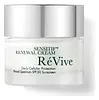
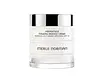
ReVive Skincare Sensitif Renewal Cream Daily Cellular Protection Broad Spectrum SPF 30 Sunscreen Versus Merle Norman Preventage Firming Defense Creme Normal/Oily Broad Spectrum SPF 15
This calming day moisturizer is formulated around Bisabolol and Allantoin to calm redness and hydrate skin.
This anti-aging day moisturizer is formulated around Palmitoyl Hexapeptide-12 to soften the look of wrinkles.

What's inside
What's inside
 Key Ingredients
Benefits
Concerns
Ingredients Side-by-side
Butyl Methoxydibenzoylmethane 3%
UV Absorber
Homosalate 10%
Skin Conditioning
Ethylhexyl Salicylate 5%
UV Absorber
Octocrylene 1%
UV Absorber

Benzophenone-3 5%
UV Absorber
Water
Skin ConditioningButylene Glycol
Humectant

Glyceryl Stearate
Emollient
Cetearyl Alcohol
Emollient



Glycerin
Humectant
Potassium Cetyl Phosphate
EmulsifyingStearic Acid
Cleansing
Oligopeptide-24
Skin Conditioning
Polysorbate 60
Emulsifying
Polyester-8
Skin Conditioning
Sclerotium Gum
Emulsion StabilisingBisabolol
Antioxidant


Phenoxyethanol
Preservative
Dimethicone
Emollient
Sodium PCA
Humectant
Squalane
Emollient
Tocopheryl Acetate
Antioxidant

Helianthus Annuus Seed Oil
Emollient
Persea Gratissima Oil
Skin Conditioning
Allantoin
Skin Conditioning
Caprylyl Glycol
Emollient
Phytosterols
Skin Conditioning
Chlorphenesin
Antimicrobial
Olea Europaea Fruit Oil
Masking
Disodium EDTA
ChelatingGlycolipids
Skin ConditioningSodium Hyaluronate
Humectant
Citrus Aurantium Dulcis Oil
Masking
Zingiber Officinale Root Extract
Masking
Tocopherol
Antioxidant
Citral
Perfuming
Linalool
Perfuming
Limonene
Perfuming
Butyl Methoxydibenzoylmethane 3%, Homosalate 10%, Ethylhexyl Salicylate 5%, Octocrylene 1%, Benzophenone-3 5%, Water, Butylene Glycol, Glyceryl Stearate, Cetearyl Alcohol, Glycerin, Potassium Cetyl Phosphate, Stearic Acid, Oligopeptide-24, Polysorbate 60, Polyester-8, Sclerotium Gum, Bisabolol, Phenoxyethanol, Dimethicone, Sodium PCA, Squalane, Tocopheryl Acetate, Helianthus Annuus Seed Oil, Persea Gratissima Oil, Allantoin, Caprylyl Glycol, Phytosterols, Chlorphenesin, Olea Europaea Fruit Oil, Disodium EDTA, Glycolipids, Sodium Hyaluronate, Citrus Aurantium Dulcis Oil, Zingiber Officinale Root Extract, Tocopherol, Citral, Linalool, Limonene
Octocrylene 9.4%
UV Absorber
Butyl Methoxydibenzoylmethane 1.9%
UV Absorber
Water
Skin ConditioningButylene Glycol
Humectant
Cyclopentasiloxane
Emollient
Cyclohexasiloxane
Emollient
Hamamelis Virginiana Bark/Leaf/Twig Extract
Skin Conditioning
Glyceryl Polymethacrylate
Propylene Glycol
Humectant
Dipalmitoyl Hydroxyproline
Skin Conditioning
Octyldodecyl Neopentanoate
EmollientPhenyl Trimethicone
Skin Conditioning
PPG-20 Methyl Glucose Ether
Skin ConditioningHydrolyzed Malt Extract
Skin ConditioningMyristyl Lactate
Emollient
Sorbitan Stearate
Emulsifying
Stearic Acid
Cleansing
Stearyl Alcohol
Emollient
Alcohol
Antimicrobial
Caprylyl Glycol
Emollient
Triethanolamine
BufferingBiosaccharide Gum-1
Humectant
Bis-Ethylhexyl Hydroxydimethoxy Benzylmalonate
Antioxidant
Bisabolol
Antioxidant
Carbomer
Emulsion StabilisingDimethicone
Emollient
Hydrolyzed Elastin
EmollientPEG-100 Stearate
Surfactant
Glycerin
Humectant
PEG-8
HumectantSorbitol
Humectant
Myristyl Alcohol
Emollient
Tocopheryl Acetate
Antioxidant
Calluna Vulgaris Flower Extract
Skin ConditioningCollagen Amino Acids
Moisturising
PEG-7m
Emulsion StabilisingPolysorbate 60
Emulsifying
Phospholipids
Skin Conditioning
Silica
Abrasive


Cucumis Sativus Fruit Extract
Emollient
Ginkgo Biloba Leaf Extract
Skin Conditioning
Glycyrrhetinic Acid
Skin Conditioning
Ruscus Aculeatus Root Extract
Astringent
Lecithin
Emollient
Tetrasodium EDTA
ChelatingHydrolyzed Rice Protein
Skin ConditioningDisodium EDTA
ChelatingCamellia Sinensis Leaf Extract
Antimicrobial
Pvp
Emulsion StabilisingPhenoxyethanol
Preservative
Chlorphenesin
Antimicrobial
Methylisothiazolinone
Preservative
Hyaluronic Acid
Humectant
Polyquaternium-24
Ilex Aquifolium Leaf Extract
Skin ConditioningSodium Oleanolate
Skin ConditioningSodium Ursolate
Skin ConditioningEchinacea Angustifolia Extract
MoisturisingAscorbyl Palmitate
Antioxidant
Euphrasia Officinalis Extract
AntimicrobialRetinyl Palmitate
Skin Conditioning
Palmitoyl Hexapeptide-12
Skin Conditioning
Octocrylene 9.4%, Butyl Methoxydibenzoylmethane 1.9%, Water, Butylene Glycol, Cyclopentasiloxane, Cyclohexasiloxane, Hamamelis Virginiana Bark/Leaf/Twig Extract, Glyceryl Polymethacrylate, Propylene Glycol, Dipalmitoyl Hydroxyproline, Octyldodecyl Neopentanoate, Phenyl Trimethicone, PPG-20 Methyl Glucose Ether, Hydrolyzed Malt Extract, Myristyl Lactate, Sorbitan Stearate, Stearic Acid, Stearyl Alcohol, Alcohol, Caprylyl Glycol, Triethanolamine, Biosaccharide Gum-1, Bis-Ethylhexyl Hydroxydimethoxy Benzylmalonate, Bisabolol, Carbomer, Dimethicone, Hydrolyzed Elastin, PEG-100 Stearate, Glycerin, PEG-8, Sorbitol, Myristyl Alcohol, Tocopheryl Acetate, Calluna Vulgaris Flower Extract, Collagen Amino Acids, PEG-7m, Polysorbate 60, Phospholipids, Silica, Cucumis Sativus Fruit Extract, Ginkgo Biloba Leaf Extract, Glycyrrhetinic Acid, Ruscus Aculeatus Root Extract, Lecithin, Tetrasodium EDTA, Hydrolyzed Rice Protein, Disodium EDTA, Camellia Sinensis Leaf Extract, Pvp, Phenoxyethanol, Chlorphenesin, Methylisothiazolinone, Hyaluronic Acid, Polyquaternium-24, Ilex Aquifolium Leaf Extract, Sodium Oleanolate, Sodium Ursolate, Echinacea Angustifolia Extract, Ascorbyl Palmitate, Euphrasia Officinalis Extract, Retinyl Palmitate, Palmitoyl Hexapeptide-12
Ingredients Explained
These ingredients are found in both products.
Ingredients higher up in an ingredient list are typically present in a larger amount.
Bisabolol is a gentle skin conditioner, antioxidant, and soothing ingredient.
It's primary claim to fame is soothing and research shows topically applied bisabolol can quiet the chemical messengers that cause your skin to become inflamed, helping to sooth any irritation.
A clinical study found that applying 0.5% bisabolol daily for 8 weeks produced an average 9% decrease in skin pigmentation. Researchers found it can also suppress the process that leads to excess melanin production in skin.
In vitro studies found that bisabolol combined with propylene glycol significantly increased skin permeability by increasing lipid fluidity in the stratum corneum.
You'll likely see use concentrations quite low, usually 0.1-0.2%.
Overall, this is a well-tolerated ingredient that works well in formulas designed for sensitive, reactive, or post-procedure skin.
Learn more about BisabololAlso known as Avobenzone, this ingredient is an oil-soluble used to absorb the full spectrum of UVA rays (peak 357 nm).
It's one of the most effective UVA filters available but has a major caveat of photostability: avobenzone is susceptible to photodegradation.
This means it can lose efficacy when exposed to sunlight without the help of a stabilizing agent.
Studies show antioxidants (like vitamin E or vitamin C) and some UV filters (like octocrylene and Tinosorb S) can meaningfully improve its stability in a formulation.
The maximum allowable concentration according to regulation is 3% in the US + Canada, and 5% in the EU, Australia, China, Korea, and ASEAN countries.
It has a well-support safety profile: a comprehensive 2025 review found minimal toxicity with no evidence of carcinogenicity.
Overall, avobenzone is a safe and regulated ingredient used in sunscreen for over 40 years.
Learn more about Butyl MethoxydibenzoylmethaneButylene Glycol (or BG) is used within cosmetic products for a few different reasons:
Overall, Butylene Glycol is a safe and well-rounded ingredient that works well with other ingredients.
Though this ingredient works well with most skin types, some people with sensitive skin may experience a reaction such as allergic rashes, closed comedones, or itchiness.
Learn more about Butylene GlycolCaprylyl Glycol is a humectant, skin conditioner, emollient, and preservative booster derived from either caprylic acid or synthetically created.
Typical use levels vary from 0.3-1% as a preservative booster and go up to 2% to condition skin.
Because it is not a free-fatty acid, this ingredient is fungal acne safe (there's nothing for Malassezia to feed on).
Learn more about Caprylyl GlycolChlorphenesin is a synthetic preservative. It helps protect a product against bacteria in order to extend shelf life. In most cases, Chlorphenesin is paired with other preservatives such as phenoxyethanol and caprylyl glycol.
Chlorphenesin is a biocide. This means it is able to help fight the microorganisms on our skin. It is also able to fight odor-releasing bacteria.
Chlorphenesin is soluble in both water and glycerin.
Studies show Chlorphenesin is easily absorbed by our skin. You should speak with a skincare professional if you have concerns about using Chlorphenesin.
Learn more about ChlorphenesinDimethicone is a type of synthetic silicone created from natural materials such as quartz. It is also known as polydimethylsiloxane.
What it does:
Dimethicone comes in different viscosities:
Depending on the viscosity, dimethicone has different properties.
Ingredients lists don't always show which type is used, so we recommend reaching out to the brand if you have questions about the viscosity.
This ingredient is unlikely to cause irritation because it does not get absorbed into skin. However, people with silicone allergies should be careful about using this ingredient.
Note: Dimethicone may contribute to pilling. This is because it is not oil or water soluble, so pilling may occur when layered with products. When mixed with heavy oils in a formula, the outcome is also quite greasy.
Learn more about DimethiconeDisodium EDTA is a chelating agent. It grabs onto and deactivates metal ions that sneak into your products from water, packaging, or air.
This ingredient mainly works behind the scenes and helps with:
On top of that, this ingredient can counteract the effects of hard water by binding to the minerals in it.
One thing worth knowing is that Disodium EDTA has been shown to be a mild penetration enhancer. It can help other ingredients absorb into skin more effectively which can be a double-edged sword (great for actives, but can also make the active too strong if you have sensitive skin).
Clinical patch testing showed no significant skin irritation at typical use concentrations and minimal dermal absorption.
You'll most likely see this ingredient near the end of an ingredient list. It's typically found in concentrations less than 1%.
Learn more about Disodium EDTAGlycerin (or glycerol) is a compound naturally found in your skin. It's a powerhouse humectant that pulls water into the stratum corneum.
Topically, glycerin does several things at once:
Your skin makes glycerin on its own (mostly from sebaceous oil breakdown) and shuttles it to your outermost layer of skin, or your epidermis, via aquaporin-3.
Aquaporin-3 is a transporter that is essential for normal skin hydration, elasticity, and repair. Interestingly, mice lacking in AQP3 have dry and less elastic skin that can be fully corrected with glycerin.
This ingredient is non-irritating, plays well with almost every ingredient, and works across all skin types. Typical use is anywhere between 3-10% but can go up to 79% in some leave-on products.
Just know very high concentrations (>40%) can feel tacky in low humidity.
Glycerin is the name for this ingredient in American English. British English uses Glycerol/Glycerine.
Learn more about GlycerinOctocrylene is an oil-soluble organic UV filter that mainly absorbs UVB and short wave UVA II light.
Its real superpower is teamwork: octocrylene is remarkably photostable and is most famous for stabilizing avobenzone (the workhorse UVA filter).
This ingredient is commonly used to enhance both UVB and UVA protection due to its unique property in stabilizing avobenzone. It also pulls double duty by boosting water resistance and giving formulas a smooth, spreadable feel.
The EU's Scientific Committee on Consumer Safety (SCCS) has deemed octocrylene to be safe as a UV-filter at concentrations up to 10% (capped at 9% in propellant sprays). The US also permits it up to 10%.
Two things worth knowing:
You'll usually see this ingredient used in concentrations between 2-10% (higher amounts when used as a stabilizer for avobenzone).
Learn more about OctocrylenePhenoxyethanol is one of the most widely used preservatives in skincare (and for good reason!).
It has a large spectrum of antimicrobial activity and especially effective bacteria, yeast, and mold while only having a weak effect on your skin's natural microbiome.
On a cellular level, it disrupts the cell membranes of microbes by poking holes that make the cell leak. This shuts down the chemical reactions the microbe needs to make energy so it can no longer survive.
Another perk of this ingredient is that it stays functional across a wide pH range (3-10).
You'll often see it paired with boosters like Ethylhexylglycerin; one study showed that a 1:9 ratio of Ethylhexylglycerin to Phenoxyethanol damages bacterial membranes as effectively as doubling the Phenoxyethanol concentration on its own.
Typical use concentrations range from 0.3-1% depending on the formula, and this ingredient is capped at 1% int the EU.
Safety-wise, the fear mongering does not hold up to the evidence. The EU's Scientific Committee on Consumer Safety and FDA consider it safe as a preservative at up to 1%, including for children of all ages.
Adverse systemic effects only showed up in animal studies at exposures roughly 200x higher than what people get from cosmetics. And despite its very widespread use, this ingredient is a rare sensitizer and allergic reactions are uncommon.
Learn more about PhenoxyethanolPolysorbate 60 is used to help stabilize products. It is a surfactant and emulsifier. These properties help keep ingredients together in a product. Surfactants help reduce surface tension between ingredients with different states, such as liquids and solids. Emulsifiers help prevent oils and waters from separating.
Polysorbate 60 is sorbitol-based and created from the ethoxylation of sorbitan. Ethoxylation is a chemical reaction used to add ethylene oxide. Sorbitan is a the dehydrated version of sorbitol, a sugar found in fruits.
In this case, the 60 comes from reacting 60 units of ethylene oxide with sorbitan.
Polysorbates are commonly used in medicine and foods.
Learn more about Polysorbate 60Stearic Acid is a fatty acid that is already found in your skin. It's one of the free fatty acids that works alongside ceramides and cholesterols to maintain your barrier.
In cosmetics, it is a multitasker:
Safety-wise, the CIR Expert Panel has concluded it to be safe in cosmetics when formulated to be non-irritating and non-sensitizing.
Free stearic acid is a C18 fatty acid that the Malassezia yeast can substrate, so this ingredient may not be fungal acne safe.
Learn more about Stearic AcidTocopheryl Acetate is a stable, shelf-friendly form of vitamin E.
Formulators love it because plain vitamin E oxidizes quickly once it hits air. This acetate version stays stable and resists going off, helping to extend a product's shelf life.
It's actually inactive on its own and works like a slow-release "storage" form; the enzymes in your skin called esterases gradually convert it into active vitamin E over time.
One in vivo study showed 5% of the acetate in the living layer of the epidermis converted to vitamin E after 5 days of application. This study also found the skin gained protection against UV damage even though the conversion was slow and small.
Once converted, vitamin E acts as a skin's main fat-soluble antioxidant that fights free radicals to protect skin from damage.
Topical vitamin E generally boosts the skin's photoprotection, and it reduced UV-damage in animal models.
This ingredient has some brightening potential but it's more of a prevention ingredient than spot-fader. Cell studies show it can slow down melanin production but it's worth noting that it's not the most powerful brightener out there.
Overall, it has a pretty solid safety profile and has been found to be non-irritating and non-comedogenic. Allergic reactions may happen but stay rare due to how widely the ingredient gets used.
The concentration will vary depending on the formula; industry data shows 0.1% in baby lotions, 3% in lipsticks, and 5% in foot powders. You can also find this ingredient at 100% in a pure vitamin E oil.
Most leave-on skincare keeps it at the lower end, often between 0.5-1%.
Learn more about Tocopheryl AcetateWater. It's the most common cosmetic ingredient of all. You'll usually see it at the top of ingredient lists, meaning that it makes up the largest part of the product.
So why is it so popular? Water most often acts as a solvent - this means that it helps dissolve other ingredients into the formulation.
You'll also recognize water as that liquid we all need to stay alive. If you see this, drink a glass of water. Remember to stay hydrated!
Learn more about Water

