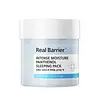
This barrier-repair overnight mask is formulated around Panthenol and Niacinamide to strengthen the skin barrier and hydrate skin.
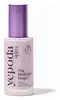
This barrier-repair overnight mask is formulated around Centella Asiatica Extract and Ceramide NP to strengthen the skin barrier and calm redness.


What's inside
What's inside
 Key Ingredients
Benefits
Concerns
Ingredients Side-by-side
Water
Skin ConditioningBetaine
Humectant


Panthenol
Skin Conditioning

1,2-Hexanediol
Skin Conditioning
Niacinamide
Smoothing







Methylpropanediol
SolventCaprylic/Capric Triglyceride
Masking
Polyglyceryl-10 Laurate
Skin Conditioning

Morinda Citrifolia Leaf Extract
Skin ConditioningMorinda Citrifolia Flower Extract
Coccinia Indica Fruit Extract
Skin Conditioning
Hydrangea Serrata Leaf Extract
Skin ConditioningCarum Carvi Fruit Extract
Perfuming
Aloe Barbadensis Leaf Extract
Emollient
Curcuma Longa Root Extract
Antioxidant
Coral Extract
Skin ConditioningOcimum Sanctum Leaf Extract
Skin ConditioningFicus Carica Fruit Extract
Humectant
Centella Asiatica Extract
Cleansing
Lavandula Angustifolia Oil
Masking



Citrus Grandis Peel Oil
Masking

Rosmarinus Officinalis Leaf Oil
Masking
Helianthus Annuus Seed Oil
Emollient
Chamomilla Recutita Oil
Masking
Simmondsia Chinensis Seed Oil
Emollient
Sodium Hyaluronate
Humectant
Aniba Rosaeodora Wood Oil
Astringent
Hydrogenated Lecithin
Emulsifying
Ammonium Acryloyldimethyltaurate/Vp Copolymer
C13-15 Alkane
SolventXanthan Gum
EmulsifyingCarbomer
Emulsion StabilisingTromethamine
BufferingButylene Glycol
Humectant
Adenosine
Skin Conditioning
Cyamopsis Tetragonoloba Gum
Emulsion StabilisingAgar
MaskingLactobacillus
Skin ConditioningGlycerin
Humectant
Tocopherol
Antioxidant
Glycolipids
Skin ConditioningMyristoyl/Palmitoyl Oxostearamide/Arachamide Mea
Skin ConditioningEctoin
Skin Conditioning
Beta-Sitosterol
Emulsion Stabilising
Lysolecithin
EmulsifyingFucosterol
Antioxidant
Linoleic Acid
Cleansing
Trehalose
Humectant
Phospholipids
Skin Conditioning
Ceramide NP
Skin Conditioning
Sodium Acetylated Hyaluronate
Humectant
Hydrolyzed Hyaluronic Acid
Humectant
Phytosterols
Skin Conditioning
Ethylhexylglycerin
Skin ConditioningLimonene
Perfuming
Linalool
Perfuming
Water, Betaine, Panthenol, 1,2-Hexanediol, Niacinamide, Methylpropanediol, Caprylic/Capric Triglyceride, Polyglyceryl-10 Laurate, Morinda Citrifolia Leaf Extract, Morinda Citrifolia Flower Extract, Coccinia Indica Fruit Extract, Hydrangea Serrata Leaf Extract, Carum Carvi Fruit Extract, Aloe Barbadensis Leaf Extract, Curcuma Longa Root Extract, Coral Extract, Ocimum Sanctum Leaf Extract, Ficus Carica Fruit Extract, Centella Asiatica Extract, Lavandula Angustifolia Oil, Citrus Grandis Peel Oil, Rosmarinus Officinalis Leaf Oil, Helianthus Annuus Seed Oil, Chamomilla Recutita Oil, Simmondsia Chinensis Seed Oil, Sodium Hyaluronate, Aniba Rosaeodora Wood Oil, Hydrogenated Lecithin, Ammonium Acryloyldimethyltaurate/Vp Copolymer, C13-15 Alkane, Xanthan Gum, Carbomer, Tromethamine, Butylene Glycol, Adenosine, Cyamopsis Tetragonoloba Gum, Agar, Lactobacillus, Glycerin, Tocopherol, Glycolipids, Myristoyl/Palmitoyl Oxostearamide/Arachamide Mea, Ectoin, Beta-Sitosterol, Lysolecithin, Fucosterol, Linoleic Acid, Trehalose, Phospholipids, Ceramide NP, Sodium Acetylated Hyaluronate, Hydrolyzed Hyaluronic Acid, Phytosterols, Ethylhexylglycerin, Limonene, Linalool
Water
Skin ConditioningCentella Asiatica Extract
Cleansing
Butyrospermum Parkii Butter
Skin Conditioning

Propanediol
Solvent
Butylene Glycol
Humectant
Simmondsia Chinensis Seed Oil
Emollient
1,2-Hexanediol
Skin Conditioning
Vitis Vinifera
MaskingCetearyl Glucoside
Emulsifying
Camellia Sinensis Extract
Antioxidant
Ceramide NP
Skin Conditioning
Sodium Hyaluronate
Humectant
Panthenol
Skin Conditioning
Asiatic Acid
Skin Conditioning
Madecassic Acid
Skin Conditioning
Madecassoside
Antioxidant
Allantoin
Skin Conditioning
Tocopherol
Antioxidant
Lavandula Angustifolia Oil
Masking
Oryza Sativa
Helianthus Annuus Seedcake
Abrasive
Melia Azadirachta Extract
Skin ConditioningCoccinia Indica Fruit Extract
Skin Conditioning
Curcuma Longa Root Extract
Antioxidant
Aloe Barbadensis Sprout
HumectantSolanum Melongena Fruit Extract
Skin ConditioningOcimum Sanctum Leaf Extract
Skin ConditioningDipotassium Glycyrrhizate
Humectant
Anhydroxylitol
Humectant
Xylitylglucoside
Humectant
Sclerotium Gum
Emulsion StabilisingXanthan Gum
EmulsifyingGlucose
Humectant
Asiaticoside
Antioxidant
Cyanocobalamin
Skin ConditioningCorallina Officinalis Extract
Skin Conditioning
Ethylhexylglycerin
Skin ConditioningXylitol
Humectant
Limonene
Perfuming
Linalool
Perfuming
Geraniol
Perfuming
Water, Centella Asiatica Extract, Butyrospermum Parkii Butter, Propanediol, Butylene Glycol, Simmondsia Chinensis Seed Oil, 1,2-Hexanediol, Vitis Vinifera, Cetearyl Glucoside, Camellia Sinensis Extract, Ceramide NP, Sodium Hyaluronate, Panthenol, Asiatic Acid, Madecassic Acid, Madecassoside, Allantoin, Tocopherol, Lavandula Angustifolia Oil, Oryza Sativa, Helianthus Annuus Seedcake, Melia Azadirachta Extract, Coccinia Indica Fruit Extract, Curcuma Longa Root Extract, Aloe Barbadensis Sprout, Solanum Melongena Fruit Extract, Ocimum Sanctum Leaf Extract, Dipotassium Glycyrrhizate, Anhydroxylitol, Xylitylglucoside, Sclerotium Gum, Xanthan Gum, Glucose, Asiaticoside, Cyanocobalamin, Corallina Officinalis Extract, Ethylhexylglycerin, Xylitol, Limonene, Linalool, Geraniol
Ingredients Explained
These ingredients are found in both products.
Ingredients higher up in an ingredient list are typically present in a larger amount.
1,2-Hexanediol is a synthetic liquid and another multi-functional powerhouse.
It is a:
- Humectant, drawing moisture into the skin
- Emollient, helping to soften skin
- Solvent, dispersing and stabilizing formulas
- Preservative booster, enhancing the antimicrobial activity of other preservatives
Butylene Glycol (or BG) is used within cosmetic products for a few different reasons:
Overall, Butylene Glycol is a safe and well-rounded ingredient that works well with other ingredients.
Though this ingredient works well with most skin types, some people with sensitive skin may experience a reaction such as allergic rashes, closed comedones, or itchiness.
Learn more about Butylene GlycolCentella Asiatica Extract (Centella) is one of the most researched botanical extracts in skincare with decades of studies backing its effects on inflammation, collagen, and the skin barrier.
That research keeps pointing back to the same four triterpenoid saponins: Asiaticoside, Madecassoside, Asiatic Acid, and Madecassic Acid.
These compounds allow centella to dial back inflammation, encourage the skin to build and hold onto collagen, support the barrier and hydration, and bring solid antioxidant activity to protect against signs of aging.
Centella also carries a nice supporting cast of Vitamin A, vitamin C, several B vitamins, and amino acids. Put it all together and you get an ingredient that soothes, hydrates, and protects, all at once.
Most of centella's magic comes from the four big compounds (Asiaticoside, Madecassoside, Asiatic Acid, and Madecassic Acid). These are the actives doing the heavy lifting in almost every centella study.
Here is the short version of what they do in the skin:
So it is not just soothing for the sake of soothing. Centella calms the skin AND helps it rebuild.
Just FYI, not all centella on an ingredient list is the same. What you are getting actually depends on the extract:
Fun fact on the ratios: the leaves tend to be richest in Madecassoside and Asiaticoside, and lower in the two acids. The exact amounts shift with where the plant is grown and how it is processed. This means purity really does vary brand to brand.
Centella is one of the most easygoing actives out there.
It layers well with basically everything: niacinamide, hyaluronic acid, peptides, and vitamin C, and also pairs nicely with stronger actives like retinoids and exfoliating acids where it can help take the edge off irritation.
On the safety side, centella and its triterpenes are classified as weak sensitizers, meaning allergic reactions are possible but uncommon.
Patch tests at 1% and 5% came back negative in test panels, and creams at typical use levels did not cause allergic reactions across large groups of people.
But as with any new active, a patch test is still a smart move for very reactive skin.
Centella is widely used because it is effective at low percentages. For context, human safety testing found no meaningful irritation from creams containing centella extract at everyday use levels (the tested amounts were well under 1%).
The irritancy threshold in animal testing was also above 30% (so real-world formulas sit far below anything concerning).
In collagen lab studies, higher concentrations drove more collagen synthesis, so serums built around centella tend to feature it more prominently.
Bottom line: you will find centella working nicely anywhere from a fraction of a percent up to hero-ingredient levels depending on whether it is a supporting soother or the main event.
Fun fact: Centella has been used as a medicine and in food for many centuries. As a medicine, it is used to treat burns, scratches, and wounds.
Learn more about Centella Asiatica ExtractCeramide NP (formerly known as Ceramide 3) is one of the skin's naturally occurring lipids.
Since ceramides are the major lipid components of the skin, they are crucial for maintaining skin barrier and hydration. Ceramide NP most closely mirrors the dominant kind in human skin amongst ceramide subtypes.
This ceramide works by slotting into gaps within the stratum corneum's lipid matrix to limit trans-epidermal water loss (TEWL) and shield the skin against external irritants.
A study with 312 patients found that using a ceramide-containing routine for 4 weeks reduced the severity of atopic dermatitis by over 61%.
Another clinical study in subjects aged 60 and older found that a ceramide body wash and moisturizer improved skin dryness and itchy skin in 15 days.
Overall, ceramides are considered non-irritating and safety tests have found little to no observable adverse effects from using this ingredient.
Ceramide NP is usually sourced from plants (like soybean or rice bran), or produced synthetically.
Learn more about Ceramide NPCoccinia Indica Fruit Extract is also known as Ivy Gourd Fruit Extract. It has skin conditioning properties.
The fruit is rich in flavonoids, phenolic acids, terpenoids, and sterols that show antioxidant and anti-inflammatory effect in vitro. This is because the fruit contains a thick mucilage that forms a protective and soothing layer on the skin's surface.
The extract itself has demonstrated antioxidant, soothing, and potential anti-allergy properties.
Most of this research is done in vitro and dedicated clinical studies on topical application are still limited.
Learn more about Coccinia Indica Fruit ExtractCurcuma Longa Root Extract comes from the rhizome (underground stem) of the turmeric plant.
While the official EU Cosing Database lists this ingredient as a fragrance, it actually does more than give products a scent.
This ingredient contains a group of yellow pigments called curcuminoids (mostly curcumin) that give it genuine antioxidant and anti-inflammatory activity in skin.
Reviews of topical clinical studies have found turmeric/curcumin to be generally well-tolerated and useful across conditions like eczema and mild inflammation.
One thing working in its favor is that curcumin barely penetrates; in lab skin-permeation testing, the curcuminoids mostly stayed in the outermost layer of skin. This is a good thing because its soothing and antioxidant activity is a surface-level job anyway.
At this time, industry data shows there's no single "correct" cosmetic percentage. It's used across a wide range depending on the product and varies from tiny fractions of a percent up to a few percent.
Allergy-wise, curcumin is a documented (but uncommon) contact allergen. It can also cross react with related plants, so anyone with a turmeric/ginger/cinnamon allergy or reactive skin should patch test first.
Learn more about Curcuma Longa Root ExtractEthylhexylglycerin is created from glycerin. It is a multitasker ingredient that:
The CIR Expert Panel found minimal skin absorption or sensitization of any kind in a safety assessment. Though this ingredient is considered well-tolerated, a small number of cases of allergic dermatitis have been published since 2002. Just be sure to patch test if you are unsure.
Industry-reported use ranges from 8% in rinse-off products and 2% in leave-on formulations.
Learn more about EthylhexylglycerinLavandula Angustifolia Oil is more commonly known as lavender essential oil. It is considered a fragrancing ingredient.
Lavender imparts a famous scent. While the smell is lovely, this ingredient and may sensitize skin in topical products. This is because about 85% of the oil is made up of linalool and linalyl acetate.
When exposed to air, these two compounds become strong allergens. This ingredient exhibits cytotoxicity at low concentrations; amounts of 0.25% have been shown to damage skin cells.
A study from Japan found this ingredient caused lavender sensitivity after widespread exposure.
Lavender essential oil has some antimicrobial, antibacterial, and anti-inflammatory properties. However, the cons of this ingredient may outweight the pros.
More research is needed to confirm lavender essential oil's effects when used in aromatherapy.
Lavandula Angustifolia is known as the English Lavender and famous for creating purple fields in Provence, France.
Learn more about Lavandula Angustifolia OilLimonene is the compound that gives citrus peel its smell.
In skincare, it shows up as a standalone fragrance ingredient or as a natural compound of citrus and other essential oils.
You'll typically see this ingredient used in very small amounts; anything above 0.001% in a leave-on product or 0.01% in a rinse-off has to be named on the label in the EU. The citrus oils that carry it sit around 0.5-1% in a finished formula.
Fresh limonene is a weak allergen; the real issue is that it slowly reacts with air and then breaks down from oxidation to create hydroperoxides (which are strong sensitizers). This is why suppliers are required to keep the peroxide value below 20 mmol.
Positive reactions in people being investigated for eczema vary:
It's worth skipping if you have a known fragrance allergy or a compromised barrier, but the risk is low for most people.
Older or long-opened products are also more likely to bother you than fresh ones due to oxidation.
Learn more about LimoneneLinalool is a small, naturally occurring scent molecule found in plants like lavender, coriander, bergamot, and more.
It is one of the two most-used fragrance ingredients in cosmetics and added purely for smell. Since it's not used for a skin benefit, there's no "effective dose". Concentration depends on the fragrance load of the product.
The EU requires it to be named on the label above 0.001% in leave-on and 0.01% in rinse-off products.
Fresh linalool is a weak sensitizer but air exposure turns some of it into hydroperoxides, which are strong sensitizers. Those oxidation products are the actual allergy concern.
Patch-test clinics see positive reactions to linalool hydroperoxides in about 4% to 12% of dermatitis patients depending on country and test concentration.
Resassuringly, one analytical study found hydroperoxide levels in real fragranced products to be orders of magnitude below what induced sensitization in animal studies with no evidence of oxidation building up during normal storage.
The practical takeaway is that linalool is fine for most people but worth avoiding if you have a confirmed fragrance contact allergy or a badly compromised barrier.
Products stored a long time after opening are also the high-risk scenario since that is when oxidation happens.
The scent of linalool is described as floral, spicy tropical, and citrus-like.
Learn more about LinaloolOcimum Sanctum Leaf Extract comes from the Holy Basil plant. Holy Basil is native to India.
Holy Basil is rich in antioxidants due to its high romarinic acid, ferulic acid, and rutin content. This gives it skin brightening and soothing properties.
While Holy Basil has many claims to help fight acne, more research is needed.
One thing to note is the presence of tannins; tannins are naturally found in nature. However, this compound may be skin-sensitizing.
Learn more about Ocimum Sanctum Leaf ExtractPanthenol is a common ingredient that helps hydrate and soothe the skin. It is found naturally in our skin and hair.
There are two forms of panthenol: D and L.
D-panthenol is also known as dexpanthenol. Most cosmetics use dexpanthenol or a mixture of D and L-panthenol.
Panthenol is famous due to its ability to go deeper into the skin's layers. Using this ingredient has numerous pros (and no cons):
Like hyaluronic acid, panthenol is a humectant. Humectants are able to bind and hold large amounts of water to keep skin hydrated.
This ingredient works well for wound healing. It works by increasing tissue in the wound and helps close open wounds.
Once oxidized, panthenol converts to pantothenic acid. Panthothenic acid is found in all living cells.
This ingredient is also referred to as pro-vitamin B5.
Learn more about PanthenolJojoba oil is one of the most well-studied plant-derived ingredients in cosmetics. It is an emollient with a special structure.
Because it is made up of 97-98% wax esters, it closely mirrors the linear monoesters found in human sebum. This makes it skin compatible, non-greasy, and lightweight.
Unlike other plant oils, jojoba wax doesn't easily penetrate skin. It mostly works in the uppermost layers as an emollient. This just means it forms a light barrier on the skin to help retain moisture.
Formulations with jojoba esters up to 90% reduced transepidermal water loss (TEWL) and increased barrier recovery by 81% (outperforming bisabolol at 47%).
Besides barrier support, the science also suggests jojoba to have anti-inflammatory effects and potential applications for skin infections, aging, and wound healing.
Fun fact: Indigenous cultures have used jojoba as a moisturizer and to help treat burns for centuries.
Fungal acne: The Malassezia yeast is known to metabolize fatty acids in the C11-24 range and jojoba's dominant fatty acid components fall into this range. This ingredient may not be fungal acne safe.
Learn more about Simmondsia Chinensis Seed OilSodium Hyaluronate is the salt form of hyaluronic acid. It is a long sugar chain that is naturally found in your skin, joints, and connective tissue that maintains hydration and elasticity.
In skincare, it works as a humectant. It pulls water from the environment and deeper layers of skin and binds it to the surface.
Interestingly, the size of the molecule affects its behavior:
Some clinical evidence links low molecular weight versions to improved wrinkle depth, elasticity, anti-inflammatory effects, and barrier repair.
Many serums use a blend of both weights so you can get surface hydration plus longer-lasting and deeper effects.
You'll typically see concentrations between 0.1-2% for this ingredient.
Learn more about Sodium HyaluronateTocopherol is a fat-soluble antioxidant known as Vitamin E.
You'll find this ingredient in the vast majority of skincare (for good reason). It works to neutralize free radicals, or unstable molecules generated by UV exposure, pollution, and other environmental stressors, before they can cause oxidative damage to your skin cells.
Topically applied tocopherol has been shown to protect against UV damage by ramping up the skin's own natural defense enzymes.
It also acts as a skin conditioning agent; some studies show that regular topical use can improve the skin's water-binding capacity over 2-4 weeks.
This ingredient is especially loved for being a team player. When combined with Vitamin C, the photoprotective effect of both ingredients roughly doubles and the combo also helps reduce UV-induced DNA damage.
This ingredient has some brightening potential but it's more of a prevention ingredient than spot-fader. Cell studies show it can slow down melanin production but it's worth noting that it's not the most powerful brightener out there.
In formulations, it also serves as a stabilizer that helps protect other oxidation-prone ingredients from degrading.
Concentrations usually range from 0.1-1% in most leave-on products.
Learn more about TocopherolWater. It's the most common cosmetic ingredient of all. You'll usually see it at the top of ingredient lists, meaning that it makes up the largest part of the product.
So why is it so popular? Water most often acts as a solvent - this means that it helps dissolve other ingredients into the formulation.
You'll also recognize water as that liquid we all need to stay alive. If you see this, drink a glass of water. Remember to stay hydrated!
Learn more about WaterXanthan gum is used as a stabilizer and thickener within cosmetic products. It helps give products a sticky, thick feeling - preventing them from being too runny.
On the technical side of things, xanthan gum is a polysaccharide - a combination consisting of multiple sugar molecules bonded together.
Xanthan gum is a pretty common and great ingredient. It is a natural, non-toxic, non-irritating ingredient that is also commonly used in food products.
Learn more about Xanthan Gum

