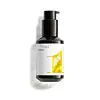
This barrier-repair day moisturizer is formulated around Niacinamide and Panthenol to strengthen the skin barrier and hydrate skin.
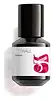
This smoothing serum is formulated around Salicylic Acid and Lactic Acid to refine skin texture and refine the look of pores.

What's inside
What's inside
 Key Ingredients
Benefits
Concerns
Ingredients Side-by-side
Water
Skin ConditioningGlycerin
Humectant


Pentylene Glycol
Skin Conditioning
Ethylhexyl Palmitate
Emollient




Niacinamide
Smoothing









Propanediol
Solvent
Betaine
Humectant
Sodium Polyacrylate Starch
AbsorbentPanthenol
Skin Conditioning
1,2-Hexanediol
Skin Conditioning
Glyceryl Stearate Citrate
Emollient
Cetearyl Alcohol
Emollient

Cetyl Alcohol
Emollient
Mica
Cosmetic ColorantHibbertia Scandens Leaf Extract
Antioxidant
Hydrogenated Lecithin
Emulsifying
Pyridoxine Hcl
Skin ConditioningSodium Hyaluronate
Humectant
Acacia Melanoxylon Leaf Extract
EmollientButylene Glycol
Humectant
Allantoin
Skin Conditioning
Caprylhydroxamic Acid
ChelatingDisodium EDTA
ChelatingGlycyrrhetinic Acid
Skin Conditioning
Honey Extract
Humectant
Pyridoxine Tris-Hexyldecanoate
HumectantSantalum Spicatum Seed Oil
Skin Conditioning
Tocopherol
Antioxidant
Glyceryl Caprylate
EmollientCitrus Aurantium Dulcis Oil
Masking
Ceteareth-25
CleansingHelianthus Annuus Seed Oil
Emollient
Magnesium Aspartate
Skin ConditioningZinc Gluconate
Skin Conditioning
Citrus Aurantium Bergamia Fruit Oil
Masking


Citrus Grandis Peel Oil
Masking
Citrus Limon Peel Oil
Masking
Litsea Cubeba Fruit Oil
Masking
Tin Oxide
Abrasive
Citrus Aurantium Bergamia Leaf Oil
Astringent
Juniperus Mexicana Oil
Masking
Pelargonium Graveolens Oil
Masking
Citrus Aurantium Amara Flower Oil
Masking
Eugenia Caryophyllus Leaf Oil
Masking
Maltodextrin
Absorbent
Sodium Benzoate
Masking
Citric Acid
Buffering
Behenic Acid
Cleansing
Ceramide NP
Skin Conditioning
Cholesterol
Emollient
Copper Gluconate
Skin Conditioning
Potassium Sorbate
Preservative
Ceramide Ns
Skin Conditioning
Glycine
Buffering
Serine
Masking
Glutamic Acid
Humectant
Ceramide AP
Skin Conditioning
Ceramide EOP
Skin Conditioning
Ceramide Eos
Skin Conditioning
Aspartic Acid
Masking
Leucine
Skin ConditioningSodium Citrate
BufferingCaprooyl Phytosphingosine
Skin Conditioning
Caprooyl Sphingosine
Skin ConditioningAlanine
Masking
Lysine
Skin ConditioningArginine
Masking
Tyrosine
MaskingPhenylalanine
Masking
Proline
Skin Conditioning
Threonine
Valine
MaskingIsoleucine
Skin ConditioningHistidine
Humectant
Cyanocobalamin
Skin ConditioningLimonene
Perfuming
Citral
Perfuming
Linalool
Perfuming
CI 77891
Cosmetic ColorantCI 77491
Cosmetic ColorantWater, Glycerin, Pentylene Glycol, Ethylhexyl Palmitate, Niacinamide, Propanediol, Betaine, Sodium Polyacrylate Starch, Panthenol, 1,2-Hexanediol, Glyceryl Stearate Citrate, Cetearyl Alcohol, Cetyl Alcohol, Mica, Hibbertia Scandens Leaf Extract, Hydrogenated Lecithin, Pyridoxine Hcl, Sodium Hyaluronate, Acacia Melanoxylon Leaf Extract, Butylene Glycol, Allantoin, Caprylhydroxamic Acid, Disodium EDTA, Glycyrrhetinic Acid, Honey Extract, Pyridoxine Tris-Hexyldecanoate, Santalum Spicatum Seed Oil, Tocopherol, Glyceryl Caprylate, Citrus Aurantium Dulcis Oil, Ceteareth-25, Helianthus Annuus Seed Oil, Magnesium Aspartate, Zinc Gluconate, Citrus Aurantium Bergamia Fruit Oil, Citrus Grandis Peel Oil, Citrus Limon Peel Oil, Litsea Cubeba Fruit Oil, Tin Oxide, Citrus Aurantium Bergamia Leaf Oil, Juniperus Mexicana Oil, Pelargonium Graveolens Oil, Citrus Aurantium Amara Flower Oil, Eugenia Caryophyllus Leaf Oil, Maltodextrin, Sodium Benzoate, Citric Acid, Behenic Acid, Ceramide NP, Cholesterol, Copper Gluconate, Potassium Sorbate, Ceramide Ns, Glycine, Serine, Glutamic Acid, Ceramide AP, Ceramide EOP, Ceramide Eos, Aspartic Acid, Leucine, Sodium Citrate, Caprooyl Phytosphingosine, Caprooyl Sphingosine, Alanine, Lysine, Arginine, Tyrosine, Phenylalanine, Proline, Threonine, Valine, Isoleucine, Histidine, Cyanocobalamin, Limonene, Citral, Linalool, CI 77891, CI 77491
Water
Skin ConditioningEthoxydiglycol
HumectantVaccinium Myrtillus Fruit Extract
Skin ConditioningDimethyl Isosorbide
SolventSalicylic Acid
Masking
Lactic Acid
Buffering
Saccharum Officinarum Extract
MoisturisingGlycerin
Humectant
Citrus Aurantium Dulcis Fruit Extract
MaskingCitrus Limon Fruit Extract
Masking
Sodium Levulinate
Skin ConditioningAcer Saccharum Extract
Skin ConditioningDiutan Gum
Melaleuca Alternifolia Leaf
Abrasive
Sodium Anisate
AntimicrobialMentha Australis Leaf Extract
Skin ConditioningButylene Glycol
Humectant
Santalum Spicatum Seed Oil
Skin Conditioning
Citrus Aurantium Dulcis Oil
Masking
Citrus Aurantium Bergamia Leaf Oil
Astringent
Juniperus Mexicana Oil
Masking
Pelargonium Graveolens Oil
Masking
Citrus Aurantium Amara Flower Oil
Masking
Eugenia Caryophyllus Leaf Oil
Masking
Citrus Aurantium Bergamia Fruit Oil
Masking
Citrus Grandis Peel Oil
Masking
Citrus Limon Peel Oil
Masking
Litsea Cubeba Fruit Oil
Masking
Pentylene Glycol
Skin Conditioning
Magnesium Aspartate
Skin ConditioningZinc Gluconate
Skin Conditioning
Citrus Australasica Fruit Extract
Antioxidant
Sodium Benzoate
Masking
Citric Acid
Buffering
Copper Gluconate
Skin Conditioning
Potassium Sorbate
Preservative
Glycine
Buffering
Serine
Masking
Glutamic Acid
Humectant
Aspartic Acid
Masking
Leucine
Skin ConditioningAlanine
Masking
Lysine
Skin ConditioningArginine
Masking
Tyrosine
MaskingPhenylalanine
Masking
Proline
Skin Conditioning
Threonine
Valine
MaskingIsoleucine
Skin ConditioningHistidine
Humectant
Limonene
Perfuming
Citral
Perfuming
Linalool
Perfuming
Citronellol
Perfuming
Water, Ethoxydiglycol, Vaccinium Myrtillus Fruit Extract, Dimethyl Isosorbide, Salicylic Acid, Lactic Acid, Saccharum Officinarum Extract, Glycerin, Citrus Aurantium Dulcis Fruit Extract, Citrus Limon Fruit Extract, Sodium Levulinate, Acer Saccharum Extract, Diutan Gum, Melaleuca Alternifolia Leaf, Sodium Anisate, Mentha Australis Leaf Extract, Butylene Glycol, Santalum Spicatum Seed Oil, Citrus Aurantium Dulcis Oil, Citrus Aurantium Bergamia Leaf Oil, Juniperus Mexicana Oil, Pelargonium Graveolens Oil, Citrus Aurantium Amara Flower Oil, Eugenia Caryophyllus Leaf Oil, Citrus Aurantium Bergamia Fruit Oil, Citrus Grandis Peel Oil, Citrus Limon Peel Oil, Litsea Cubeba Fruit Oil, Pentylene Glycol, Magnesium Aspartate, Zinc Gluconate, Citrus Australasica Fruit Extract, Sodium Benzoate, Citric Acid, Copper Gluconate, Potassium Sorbate, Glycine, Serine, Glutamic Acid, Aspartic Acid, Leucine, Alanine, Lysine, Arginine, Tyrosine, Phenylalanine, Proline, Threonine, Valine, Isoleucine, Histidine, Limonene, Citral, Linalool, Citronellol
Ingredients Explained
These ingredients are found in both products.
Ingredients higher up in an ingredient list are typically present in a larger amount.
Alanine is an amino acid and is already found in the human body. Our skin uses alanine to build collagen, elastin, and keratin.
Arginine is a semi-essential amino acid. This just means our bodies can product a bit on its own, but sometimes needs a little boost from food sources.
It is a part of your skin's natural moisturizing factor (NMF), or the water-loving molecules in your outermost layer of skin (stratum corneum) that keeps everything hydrated and happy.
Here's an interesting thing about Arginine: your skin converts it into urea through the Krebs-Henseleit urea cycle. Urea is one of the most effective humectants your skin naturally produces.
A clinical study showed applying 2.5% arginine hydrochloride to atopic dermatitis skin showed significant urea levels in the stratum corneum and improved moisture in just four weeks.
Arginine is also a precursor to nitric oxide; nitric oxide improves microcirculation and supports wound healing and collagen synthesis.
One study found that an amino acid complex containing Arginine reduced skin irritation, improved hydration, and accelerated skin repair in clinical / in-vivo studies.
Arginine itself is an amino acid and not a fatty acid, oil, or ester. On its own, it's not a direct food source for Malassezia, or the yeast that causes fungal acne.
Learn more about ArginineAspartic Acid is an amino acid that our bodies produce naturally. It is an antioxidant.
Our body uses Aspartic Acid to help build collagen and elastin. It also plays a role in hydrating skin.
Butylene Glycol (or BG) is used within cosmetic products for a few different reasons:
Overall, Butylene Glycol is a safe and well-rounded ingredient that works well with other ingredients.
Though this ingredient works well with most skin types, some people with sensitive skin may experience a reaction such as allergic rashes, closed comedones, or itchiness.
Learn more about Butylene GlycolCitral is the molecule responsible for the fresh lemon scent in lemon, lime, and lemongrass. It is a fragrance ingredient that can be created from plant essential oils or synthetically.
Though Citral has documented antimicrobial activity against acne bacteria (which is where the marketing claims about it being good for acne-prone skin originate), real formulas use it at fragrance-level concentrations under 1% so there's likely no skin benefit.
You should know this ingredient is a known EU fragrance allergen.
Animal studies classifies this ingredient as a weak-to-moderate skin sensitizer and clinical patch testing on eczema patients confirmed it to be both a contact allergen and irritant.
The term 'citral' is a collective term for two geometric isomers: geranial/Citral A and neral/Citral B.
The term 'fragrance' is not regulated in many countries. In many cases, it is up to the brand to define this term. For instance, many brands choose to label themselves as "fragrance-free" because they are not using synthetic fragrances. However, their products may still contain ingredients such as essential oils that are considered a fragrance.
Learn more about CitralCitric Acid is an alpha hydroxy acid (AHA) naturally found in citrus fruits like oranges, lemons, and limes.
Like other AHAs, citric acid can exfoliate skin by breaking down the bonds that hold dead skin cells together. This helps reveal smoother and brighter skin underneath.
However, this exfoliating effect only happens at high concentrations (20%) which can be hard to find in cosmetic products.
Due to this, citric acid is usually included in small amounts as a pH adjuster. This helps keep products slightly more acidic and compatible with skin's natural pH.
In skincare formulas, citric acid can:
While it can provide some skin benefits, research shows lactic acid and glycolic acid are generally more effective and less irritating exfoliants.
Most citric acid used in skincare today is made by fermenting sugars (usually from molasses). This synthetic version is identical to the natural citrus form but easier to stabilize and use in formulations.
Rosacea skin has a lower threshold for acids generally, with 62.5% of rosacea subjects in one study reacting to lactic acid in a sting test. This is why we mark citric acid as a potential rosacea trigger.
However, this ingredient shows up as a pH adjuster or chelator at roughly 0.1-1% in many products. These low levels are unlikely to be an issue for rosacea skin and becomes a potential trigger at exfoliating concentrations (20%). Because everybody's skin is unique, we recommend a patch test if you are unsure.
Learn more about Citric AcidThis ingredient is also known as bitter orange flower oil, or neroli flower oil. It imparts a floral, sweet, and citrusy scent.
It is rich in linalool, linalyl acetate, limonene, and nerolidol.
Citrus Aurantium Bergamia Fruit Oil is the oil from the bergamot orange and is primarily used as a fragrance. It has a "fresh" and "bright orange" scent.
The main aroma compounds found in this ingredient are limonene (~27-52%), linalool (~2-22%), and linalyl acetate (~27-40%). These are known EU fragrance allergens.
The term 'fragrance' is not regulated in many countries. In many cases, it is up to the brand to define this term. For instance, many brands choose to label themselves as "fragrance-free" because they are not using synthetic fragrances. However, their products may still contain ingredients such as essential oils that are considered a fragrance.
When used topically, Citrus Aurantium Bergamia Fruit Oil is a photosensitizer due to the furanocoumarin content. Furanocoumarins absorb UV-A and cause phytophotodermatitis; this can look like redness, blistering, and lasting brown pigmentation on sun-exposed skin.
Due to this, this ingredient is capped at 0.4% in leave-on products applied to sun exposed skin.
Many modern formulas used a "furanocoumarin-free" version that sidesteps the phototoxicity issue, but still contains the fragrance allergens.
Learn more about Citrus Aurantium Bergamia Fruit OilCitrus Aurantium Bergamia Leaf Oil is an oil.
Citrus Aurantium Dulcis Oil comes from the bitter orange, an orange native to Southeast Asia.
This orange is commonly used in cosmetics and food. It is a common ingredient for marmalade.
Citrus peels are often made up of mainly limonene, a fragrance with a citrus scent. They also contain flavonoids, which have anti-inflammatory properties.
Learn more about Citrus Aurantium Dulcis OilCitrus Grandis Peel Oil is an essential oil that is derived from the peel of a Grapefruit. It is composed largely of limonene, which is a fragrance that can cause irritation for sensitive skin.
Citrus Limon Peel Oil is created from the peels of the lemon. It is used to add a lemon-scent to products. Lemon peel oil also has antibacterial, antifungal, and antioxidant properties. However, it may also cause phototoxicity and sensitize skin.
Lemon peel oil contains limonene, a skin sensitizing ingredient. Another component is furanocoumarin, which induces phototoxicity in skin.
Furanocoumarins bind and destabilize your DNA to increase the rate of sunburn.
Most reputable companies will remove furanocoumarins from their formulations.
Learn more about Citrus Limon Peel OilThis ingredient is a copper salt known for its wound healing properties.
Our bodies use copper to help stabilize our skin's collagen and elastin. Its also an essential for superoxide dismutase, an enzyme with strong antioxidant properties.
Copper has wound healing properties due to its role in creating new blood vessels and tissue repair.
Learn more about Copper GluconateThis is an essential oil extracted from the leaves of the clove tree. It has a warm and spicy aroma.
Clove oils contain a high proportion of eugenol.
This ingredient is a known EU allergen. In the European Union, regulation mandates some fragrance allergens must be labeled so consumers who are sensitive to them can make informed choices.
Learn more about Eugenia Caryophyllus Leaf OilGlutamic Acid is an amino acid that is found in all living organisms. Our bodies use this to help nerve cells in the brain communicate with other cells.
In cosmetics, glutamic acid is a famous humectant. It draws water from the air to your skin, keeping your skin hydrated (like hyaluronic acid).
An in-vitro study from 2024 found glutamic acid to play a role in inhibiting inflammation and thus a potential skin-soothing ingredient.
Other studies show it to be have potential wound healing, skin barrier repair, and hair growth properties.
Glutamic acid has poor solubility in water and other solvents.
Learn more about Glutamic AcidGlycerin (or glycerol) is a compound naturally found in your skin. It's a powerhouse humectant that pulls water into the stratum corneum.
Topically, glycerin does several things at once:
Your skin makes glycerin on its own (mostly from sebaceous oil breakdown) and shuttles it to your outermost layer of skin, or your epidermis, via aquaporin-3.
Aquaporin-3 is a transporter that is essential for normal skin hydration, elasticity, and repair. Interestingly, mice lacking in AQP3 have dry and less elastic skin that can be fully corrected with glycerin.
This ingredient is non-irritating, plays well with almost every ingredient, and works across all skin types. Typical use is anywhere between 3-10% but can go up to 79% in some leave-on products.
Just know very high concentrations (>40%) can feel tacky in low humidity.
Glycerin is the name for this ingredient in American English. British English uses Glycerol/Glycerine.
Learn more about GlycerinGlycine is the smallest amino acid and a key building block of collagen. It's part if your skin's Natural Moisturizing Factor (NMF), or the water-loving molecules in your outermost layer of skin (stratum corneum) that keeps everything hydrated and happy.
A study from 2022 found that an amino acid complex featuring taurine, arginine, and glycine significantly reduced skin irritation, improved redness, and accelerated the skin repair process.
Histidine is a semi-essential amino acid used by our bodies to create protein. It has humectant and skin conditioning properties.
Our bodies use histidine to create filaggrin - filaggrin is a structural protein that the skin uses in maintaining skin barrier.
One study found histidine and carnosine to be a dynamic duo for your skin:
Oral histidine has also been found to help with filaggrin-deficit skin disorders such as atopic dermatitis.
Why is it considered a semi-essential amino acid? This is because adults are able to create it but children must get it from their diet.
Learn more about HistidineIsoleucine is an amino acid that helps reinforce our skin barrier. This amino acid plays a role in creating protein for the body.
Fun fact: Isoleucine is found in meat, fish, dairy, legumes, and nuts.
This essential oil is steam-distilled from the wood of the Juniperus tree. It's mainly a fragrance ingredient used to cover the scent of other ingredients. It has a warm, woody scent.
Be sure to patch test if you are sensitive to essential oils or fragrance.
Another name for this ingredient is Texas Cedarwood oil.
Learn more about Juniperus Mexicana OilLeucine is a small amino acid and one of the building blocks your body uses to make proteins.
It's also naturally found in your skin as part of your Natural Moisturizing Factor (NMF). Your NMF is a mix of water-binding molecules that keeps the outer skin layer hydrated and flexible.
In skincare, it's mainly used as a skin conditioning ingredient that helps reinforce the same moisture-retention function.
You'll usually see it used at low percentages (generally under 5%) which is in line with how amino acids are used in cosmetics.
Learn more about LeucineLimonene is the compound that gives citrus peel its smell.
In skincare, it shows up as a standalone fragrance ingredient or as a natural compound of citrus and other essential oils.
You'll typically see this ingredient used in very small amounts; anything above 0.001% in a leave-on product or 0.01% in a rinse-off has to be named on the label in the EU. The citrus oils that carry it sit around 0.5-1% in a finished formula.
Fresh limonene is a weak allergen; the real issue is that it slowly reacts with air and then breaks down from oxidation to create hydroperoxides (which are strong sensitizers). This is why suppliers are required to keep the peroxide value below 20 mmol.
Positive reactions in people being investigated for eczema vary:
It's worth skipping if you have a known fragrance allergy or a compromised barrier, but the risk is low for most people.
Older or long-opened products are also more likely to bother you than fresh ones due to oxidation.
Learn more about LimoneneLinalool is a small, naturally occurring scent molecule found in plants like lavender, coriander, bergamot, and more.
It is one of the two most-used fragrance ingredients in cosmetics and added purely for smell. Since it's not used for a skin benefit, there's no "effective dose". Concentration depends on the fragrance load of the product.
The EU requires it to be named on the label above 0.001% in leave-on and 0.01% in rinse-off products.
Fresh linalool is a weak sensitizer but air exposure turns some of it into hydroperoxides, which are strong sensitizers. Those oxidation products are the actual allergy concern.
Patch-test clinics see positive reactions to linalool hydroperoxides in about 4% to 12% of dermatitis patients depending on country and test concentration.
Resassuringly, one analytical study found hydroperoxide levels in real fragranced products to be orders of magnitude below what induced sensitization in animal studies with no evidence of oxidation building up during normal storage.
The practical takeaway is that linalool is fine for most people but worth avoiding if you have a confirmed fragrance contact allergy or a badly compromised barrier.
Products stored a long time after opening are also the high-risk scenario since that is when oxidation happens.
The scent of linalool is described as floral, spicy tropical, and citrus-like.
Learn more about LinaloolLitsea Cubeba Fruit Oil is also known as May Chang essential oil. It is mostly used as a fragrance ingredient and has a bright, sweet, and lemony scent.
The main fragrance compounds in this ingredient are citral (~70-85%) and limonene.
Citral has documented antimicrobial activity against acne bacteria (which is where the marketing claims about it being good for acne-prone skin originate), but real formulas use it at fragrance-level concentrations under 1%.
The main thing worth knowing is that citral is a known EU fragrance allergen so people with known fragrance sensitivities may want to skip it.
Unlike citrus oils, May Chang doesn't contain furocoumarins and therefore isn't phototoxic.
Learn more about Litsea Cubeba Fruit OilLysine is an essential amino acid (your body cannot make it on its own). It has skin conditioning properties and one of the key players in collagen synthesis.
When your body creates collagen, lysine is basically the glue that holds everything together. It helps collagen fibers lock into each other and stay strong, with vitamin C being its trusty sidekick. Without enough lysine, this glue gets flimsy and less firm, resulting in less bouncy skin.
In skincare, lysine is mostly there to help keep your skin moisturized. It carries water through your skin's layers so everything stays plump.
So will putting lysine on your face create bouncier skin?
It's hard to say; most of the exciting collagen research on lysine comes from oral supplements or lab studies on mice. Further research is needed to truly understand what role topical lysine plays in skincare and your skin.
However, there's no harm in adding lysine to your routine as a supportive and hydrating ingredient.
Learn more about LysineWe don't have a description for Magnesium Aspartate yet.
Pelargonium Graveolens Oil is the pressed oil of the Rose Geranium plant. It has perfuming and masking properties.
This ingredient contains citronellol and geraniol. These compounds may cause allergies and skin-sensitivity.
The scent of Rose Geranium closely resembles. you guessed it: roses.
Learn more about Pelargonium Graveolens OilPentylene Glycol (1,2-pentanediol) is a multitasking little diol with three main roles in a formula:
Research on alkanediols (the family pentylene glycol belongs to) show they work by disrupting microbial cell membranes. This disruption helps the primary preservative system in a product work more effectively at lower doses.
On the safety side, the Cosmetic Ingredient Review Expert Panel has concluded this ingredient to be safe as used in current cosmetic practices + concentrations.
Typical use levels in a formula run about 1-5%.
Learn more about Pentylene GlycolPhenylalanine is an amino acid. It is a skin soothing and hydrating ingredient. Amino acids play a crucial role in wound healing and skin hydration.
This ingredient is also used to help even out skin tone due to its ability to disrupt the melanin production process.
Two structures of phenylalanine exist: L-phenylalanine and D-phenylalanine. L-phenylalanine is essential, this means our bodies cannot produce it naturally and we must get it from foods. Our bodies convert D-phenylalanine to neurotransmitters, and D-phenylalanine is found in our bodies naturally.
Some foods that contain L-phenylalanine include eggs, soybeans, beef, milk.
Learn more about PhenylalaninePotassium Sorbate is a preservative used to prevent yeast and mold in products. It is commonly found in both cosmetic and food products.
This ingredient comes from potassium salt derived from sorbic acid. Sorbic acid is a natural antibiotic and effective against fungus.
Both potassium sorbate and sorbic acid can be found in baked goods, cheeses, dried meats, dried fruit, ice cream, pickles, wine, yogurt, and more.
You'll often find this ingredient used with other preservatives.
Learn more about Potassium SorbateProline is a non-essential amino acid, meaning your body can make it on its own. In skincare, it is a skin conditioning ingredient that keeps skin soft and hydrated.
It makes up about 23% of the collagen molecule (collagen is the protein responsible for keeping your skin firm) and is involved in your skin's natural hyaluronic acid production. When applied topically, proline can penetrate the skin fairly well due to its small molecular size.
Reviews of this ingredient have found it to be neither a dermal irritant nor a sensitizer.
Fun fact: Proline can be found in protein-rich foods like meat, fish, eggs, and dairy.
Learn more about ProlineSantalum Spicatum Seed Oil is an oil.
Serine is a non-essential amino acid (your body makes it on its own!). It is a major player in your skin's natural moisturizing factor (NMF), or the water-loving molecules in your outermost layer of skin (stratum corneum) that keeps everything hydrated and happy.
Serine is one of your NMF's most abundant components that works as a skin-identical humectant. Its hydroxyl group grabs onto water molecules to boost hydration without any heaviness or occlusion.
Research on a hydrogel with serine confirmed this serine got delivered to your stratum corneum and demonstrated enhanced skin moisturization.
Interestingly serine also helps your skin produce filaggrin, a protein that keeps your skin barrier strong and used to create collagen.
Learn more about SerineSodium Benzoate is a preservative. It's used in both cosmetic and food products to inhibit the growth of mold and bacteria. It is typically produced synthetically.
Both the US FDA and EU Health Committee have approved the use of sodium benzoate. In the US, levels of 0.1% (of the total product) are allowed.
Sodium benzoate works as a preservative by inhibiting the growth of bacteria inside of cells. It prevents the cell from fermenting a type of sugar using an enzyme called phosphofructokinase.
It is the salt of benzoic acid. Foods containing sodium benzoate include soda, salad dressings, condiments, fruit juices, wines, and snack foods.
Studies for using ascorbic acid and sodium benzoate in cosmetics are lacking, especially in skincare routines with multiple steps.
We always recommend speaking with a professional, such as a dermatologist, if you have any concerns.
Learn more about Sodium BenzoateThreonine is an amino-acid. It helps hydrate the skin and has antioxidant benefits.
Our skin uses threonine for creating collagen and elastin. Humans are not able to create threonine and must get it through eating foods such as fish, lentils, poultry, sesame seeds, and more.
Tyrosine is one of the amino acids your body already uses as a protein building block. In skincare, it shows up as a skin-conditioning agent.
It's most notable for being the raw material that your skin's tyrosinase enzyme converts into melanin (skin pigment); this is why it's sometimes marketed as a "tan accelerator" in products.
However, the tanning claim is shaky. Lab studies on isolated skin cells show tyrosine can boost melanin production at fairly high concentrations but hasn't shown to speed up/deepen a tan when applied directly to skin in animal studies (up to 0.05%).
Finished cosmetic products use it at low levels (generally well under 1%). At these amounts, it's considered non-irritating and non-sensitizing based on repeat-use patch testing.
Allergy-wise, plain tyrosinase hasn't shown sensitization issues but a chemically modified relative called Oleoyl Tyrosine has had a handful of cases.
Learn more about TyrosineValine is one of the essential amino acids (meaning your body can't make it on its own and has to get it from food).
In skincare, it's usually synthetically-made or pulled from plant proteins like soy.
It's one of the small building blocks that make up your skin's natural moisturizing factor (NMF), or the built-in system that helps skin hold onto water. So its main job in a formula is to give the skin gentle hydration and help it feel more comfortable.
Typical amounts are very tiny: roughly 0.00004%-0.5% in leave on products and up to 1% in rinse-off ones.
The Cosmetic Ingredient Review panel has looked at this ingredient and found no evidence of it being a skin irritant or allergen at cosmetic levels.
Learn more about ValineWater. It's the most common cosmetic ingredient of all. You'll usually see it at the top of ingredient lists, meaning that it makes up the largest part of the product.
So why is it so popular? Water most often acts as a solvent - this means that it helps dissolve other ingredients into the formulation.
You'll also recognize water as that liquid we all need to stay alive. If you see this, drink a glass of water. Remember to stay hydrated!
Learn more about WaterZinc gluconate has antibacterial and wound healing properties. It is particularly effective against fighting inflammatory acne.
This ingredient is the zinc salt of the PHA gluconic acid. PHAs are gentle cousins to AHAs.


