Radiant Seoul Bright Potion Phyto Water Cream Versus Anua Heartleaf Quercetinol Pore Deep Cleansing Foam
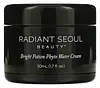
This brightening moisturizer is formulated around Niacinamide and Ascorbic Acid to brighten dull-looking skin and fade the look of dark spots.
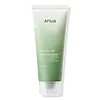
This betaine salicylate foaming cleanser is formulated around Betaine Salicylate to clear breakouts and unclog pores.


What's inside
What's inside
 Key Ingredients
Benefits
Concerns
Ingredients Side-by-side
Water
Skin ConditioningGlycerin
Humectant


Dipropylene Glycol
HumectantNiacinamide
Smoothing









Cyclopentasiloxane
Emollient
Cyclohexasiloxane
Emollient
Ethylhexyl Palmitate
Emollient




Silica
Abrasive
Ascorbic Acid
Antioxidant

Ascorbyl Tetraisopalmitate
Antioxidant
Sodium Ascorbyl Phosphate
Antioxidant
Glutathione
Hydrolyzed Collagen
Emollient
Royal Jelly Extract
Skin Conditioning
Morinda Citrifolia Extract
AstringentEuterpe Oleracea Fruit Extract
Saccharum Officinarum Extract
MoisturisingCeramide NP
Skin Conditioning
Sphingolipids
Emollient
Sodium Hyaluronate
Humectant
Glucose
Humectant
Panthenol
Skin Conditioning
Arginine
Masking
Hydrogenated Lecithin
Emulsifying
Sucrose Distearate
Emollient
Vaccinium Myrtillus Fruit Extract
Skin ConditioningBiotin
AntiseborrhoeicFolic Acid
Skin ConditioningCyanocobalamin
Skin ConditioningAcetyl Glucosamine
Skin Conditioning
Caprylic/Capric Triglyceride
Masking
Thiamine Hcl
MaskingPropanediol
Solvent
PEG-11 Methyl Ether Dimethicone
Emulsifying
Tromethamine
BufferingAcrylates/C10-30 Alkyl Acrylate Crosspolymer
Emulsion StabilisingCarbomer
Emulsion StabilisingPolyacrylate-13
Caprylyl Glycol
Emollient
PEG-40 Hydrogenated Castor Oil
Emulsifying
PPG-26-Buteth-26
Skin ConditioningPolyisobutene
Butylene Glycol
Humectant
Ethylhexylglycerin
Skin Conditioning1,2-Hexanediol
Skin Conditioning
Polysorbate 20
Emulsifying
Cholesterol
Emollient
Polyglyceryl-10 Stearate
Skin Conditioning
Hydroxypropyl Methylcellulose
Emulsion StabilisingCitric Acid
Buffering
Tocopheryl Acetate
Antioxidant
CI 77220
Cosmetic ColorantGlyceryl Arachidonate
Emollient
Glyceryl Linolenate
Emollient
Parfum
Masking


Limonene
Perfuming
Pyridoxine
Skin ConditioningRetinyl Palmitate
Skin Conditioning
Water, Glycerin, Dipropylene Glycol, Niacinamide, Cyclopentasiloxane, Cyclohexasiloxane, Ethylhexyl Palmitate, Silica, Ascorbic Acid, Ascorbyl Tetraisopalmitate, Sodium Ascorbyl Phosphate, Glutathione, Hydrolyzed Collagen, Royal Jelly Extract, Morinda Citrifolia Extract, Euterpe Oleracea Fruit Extract, Saccharum Officinarum Extract, Ceramide NP, Sphingolipids, Sodium Hyaluronate, Glucose, Panthenol, Arginine, Hydrogenated Lecithin, Sucrose Distearate, Vaccinium Myrtillus Fruit Extract, Biotin, Folic Acid, Cyanocobalamin, Acetyl Glucosamine, Caprylic/Capric Triglyceride, Thiamine Hcl, Propanediol, PEG-11 Methyl Ether Dimethicone, Tromethamine, Acrylates/C10-30 Alkyl Acrylate Crosspolymer, Carbomer, Polyacrylate-13, Caprylyl Glycol, PEG-40 Hydrogenated Castor Oil, PPG-26-Buteth-26, Polyisobutene, Butylene Glycol, Ethylhexylglycerin, 1,2-Hexanediol, Polysorbate 20, Cholesterol, Polyglyceryl-10 Stearate, Hydroxypropyl Methylcellulose, Citric Acid, Tocopheryl Acetate, CI 77220, Glyceryl Arachidonate, Glyceryl Linolenate, Parfum, Limonene, Pyridoxine, Retinyl Palmitate
Houttuynia Cordata Flower/Leaf/Stem Water
Antimicrobial
Glycerin
Humectant
Sodium Cocoyl Glycinate
Cleansing
Water
Skin ConditioningSodium Lauroyl Glutamate
SurfactantDisodium Cocoamphodiacetate
CleansingCoco-Glucoside
Cleansing
Decyl Glucoside
Cleansing
Hectorite
AbsorbentSodium Chloride
Masking1,2-Hexanediol
Skin Conditioning
Betaine Salicylate
Antimicrobial
Potassium Benzoate
Preservative
Houttuynia Cordata Powder
Skin ConditioningPolyquaternium-67
Acrylates/C10-30 Alkyl Acrylate Crosspolymer
Emulsion StabilisingButylene Glycol
Humectant
Gardenia Florida Fruit Extract
Skin ConditioningDextrin
AbsorbentDisodium EDTA
ChelatingEucalyptus Globulus Leaf Oil
Perfuming
Ethylhexylglycerin
Skin ConditioningSodium Acetate
BufferingIsopropyl Alcohol
Solvent

Pinus Palustris Leaf Extract
TonicUlmus Davidiana Root Extract
Skin Conditioning
Oenothera Biennis Flower Extract
AstringentPueraria Lobata Root Extract
HumectantPentylene Glycol
Skin Conditioning
Capryloyl Salicylic Acid
Exfoliating
Tocopherol
Antioxidant
Hydrolyzed Hyaluronic Acid
Humectant
Hyaluronic Acid
Humectant
Hydrolyzed Sodium Hyaluronate
Skin Conditioning
Sodium Hyaluronate
Humectant
Potassium Hyaluronate
Skin ConditioningHydroxypropyltrimonium Hyaluronate
Sodium Hyaluronate Crosspolymer
Humectant
Sodium Acetylated Hyaluronate
Humectant
Quercetin
Antioxidant
Houttuynia Cordata Flower/Leaf/Stem Water, Glycerin, Sodium Cocoyl Glycinate, Water, Sodium Lauroyl Glutamate, Disodium Cocoamphodiacetate, Coco-Glucoside, Decyl Glucoside, Hectorite, Sodium Chloride, 1,2-Hexanediol, Betaine Salicylate, Potassium Benzoate, Houttuynia Cordata Powder, Polyquaternium-67, Acrylates/C10-30 Alkyl Acrylate Crosspolymer, Butylene Glycol, Gardenia Florida Fruit Extract, Dextrin, Disodium EDTA, Eucalyptus Globulus Leaf Oil, Ethylhexylglycerin, Sodium Acetate, Isopropyl Alcohol, Pinus Palustris Leaf Extract, Ulmus Davidiana Root Extract, Oenothera Biennis Flower Extract, Pueraria Lobata Root Extract, Pentylene Glycol, Capryloyl Salicylic Acid, Tocopherol, Hydrolyzed Hyaluronic Acid, Hyaluronic Acid, Hydrolyzed Sodium Hyaluronate, Sodium Hyaluronate, Potassium Hyaluronate, Hydroxypropyltrimonium Hyaluronate, Sodium Hyaluronate Crosspolymer, Sodium Acetylated Hyaluronate, Quercetin
Reviews
Ingredients Explained
These ingredients are found in both products.
Ingredients higher up in an ingredient list are typically present in a larger amount.
1,2-Hexanediol is a synthetic liquid and another multi-functional powerhouse.
It is a:
- Humectant, drawing moisture into the skin
- Emollient, helping to soften skin
- Solvent, dispersing and stabilizing formulas
- Preservative booster, enhancing the antimicrobial activity of other preservatives
Acrylates/C10-30 Alkyl Acrylate Crosspolymer is a synthetic polymer. It is used to thicken, emulsify, and improve the texture of products.
As an emulsifier, it helps stabilize oil-in-water emulsions to give products an elegant feel when applied.
It can also form a thin protective film on skin. One study found that a formula using this polymer helped slow down how quickly other ingredients (like DEET) were absorbed through skin.
A 2024 study of over 1,300 patients confirmed that sensitization to this ingredient is rare. It is also non-mutagenic and has a clean track record.
Learn more about Acrylates/C10-30 Alkyl Acrylate CrosspolymerButylene Glycol (or BG) is used within cosmetic products for a few different reasons:
Overall, Butylene Glycol is a safe and well-rounded ingredient that works well with other ingredients.
Though this ingredient works well with most skin types, some people with sensitive skin may experience a reaction such as allergic rashes, closed comedones, or itchiness.
Learn more about Butylene GlycolEthylhexylglycerin is created from glycerin. It is a multitasker ingredient that:
The CIR Expert Panel found minimal skin absorption or sensitization of any kind in a safety assessment. Though this ingredient is considered well-tolerated, a small number of cases of allergic dermatitis have been published since 2002. Just be sure to patch test if you are unsure.
Industry-reported use ranges from 8% in rinse-off products and 2% in leave-on formulations.
Learn more about EthylhexylglycerinGlycerin (or glycerol) is a compound naturally found in your skin. It's a powerhouse humectant that pulls water into the stratum corneum.
Topically, glycerin does several things at once:
Your skin makes glycerin on its own (mostly from sebaceous oil breakdown) and shuttles it to your outermost layer of skin, or your epidermis, via aquaporin-3.
Aquaporin-3 is a transporter that is essential for normal skin hydration, elasticity, and repair. Interestingly, mice lacking in AQP3 have dry and less elastic skin that can be fully corrected with glycerin.
This ingredient is non-irritating, plays well with almost every ingredient, and works across all skin types. Typical use is anywhere between 3-10% but can go up to 79% in some leave-on products.
Just know very high concentrations (>40%) can feel tacky in low humidity.
Glycerin is the name for this ingredient in American English. British English uses Glycerol/Glycerine.
Learn more about GlycerinSodium Hyaluronate is the salt form of hyaluronic acid. It is a long sugar chain that is naturally found in your skin, joints, and connective tissue that maintains hydration and elasticity.
In skincare, it works as a humectant. It pulls water from the environment and deeper layers of skin and binds it to the surface.
Interestingly, the size of the molecule affects its behavior:
Some clinical evidence links low molecular weight versions to improved wrinkle depth, elasticity, anti-inflammatory effects, and barrier repair.
Many serums use a blend of both weights so you can get surface hydration plus longer-lasting and deeper effects.
You'll typically see concentrations between 0.1-2% for this ingredient.
Learn more about Sodium HyaluronateWater. It's the most common cosmetic ingredient of all. You'll usually see it at the top of ingredient lists, meaning that it makes up the largest part of the product.
So why is it so popular? Water most often acts as a solvent - this means that it helps dissolve other ingredients into the formulation.
You'll also recognize water as that liquid we all need to stay alive. If you see this, drink a glass of water. Remember to stay hydrated!
Learn more about Water

