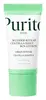
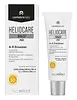
PURITO Wonder Releaf Centella Daily Sun Lotion SPF 50+ PA++++ Versus HELIOCARE 360º MD A-R Emulsion SPF50+
This chemical sunscreen covers the full UV range and blocks ~98% of UVB at SPF 50.
This hybrid sunscreen covers the full UV range and blocks ~98% of UVB at SPF 50.


What's inside
What's inside
 Key Ingredients
Benefits
Concerns
Ingredients Side-by-side
Water
Skin ConditioningDibutyl Adipate
EmollientPropanediol
Solvent

Dipropylene Glycol
HumectantCentella Asiatica Extract
Cleansing




Ethylhexyl Triazone
UV Absorber
Terephthalylidene Dicamphor Sulfonic Acid
UV Absorber
Isododecane
EmollientNiacinamide
Smoothing





Sorbitan Sesquioleate
Emulsifying



Diethylamino Hydroxybenzoyl Hexyl Benzoate
UV Filter
Tromethamine
BufferingEcklonia Cava Extract
Skin ConditioningHyaluronic Acid
Humectant
Hydrolyzed Hyaluronic Acid
Humectant
Hydrolyzed Sodium Hyaluronate
Skin Conditioning
Sodium Hyaluronate
Humectant
Potassium Hyaluronate
Skin ConditioningHydroxypropyltrimonium Hyaluronate
Sodium Hyaluronate Crosspolymer
Humectant
Sodium Acetylated Hyaluronate
Humectant
Caprylyl Methicone
Skin Conditioning
Glycerin
Humectant
Bis-Ethylhexyloxyphenol Methoxyphenyl Triazine
UV Absorber
Benzotriazolyl Dodecyl P-Cresol
UV AbsorberPolysilicone-15
UV Filter
Polymethylsilsesquioxane
Silica
Abrasive
1,2-Hexanediol
Skin Conditioning
Glyceryl Stearate
Emollient
Ammonium Acryloyldimethyltaurate/Vp Copolymer
Cetearyl Alcohol
Emollient


Hydroxyacetophenone
Antioxidant
Potassium Cetyl Phosphate
EmulsifyingPalmitic Acid
Emollient
Stearic Acid
Cleansing
Polyacrylate Crosspolymer-6
Emulsion StabilisingAcrylates/C10-30 Alkyl Acrylate Crosspolymer
Emulsion StabilisingCaprylyl Glycol
Emollient
Dipotassium Glycyrrhizate
Humectant
Allantoin
Skin Conditioning
Panthenol
Skin Conditioning
Adenosine
Skin Conditioning
Ethylhexylglycerin
Skin ConditioningMyristic Acid
Cleansing
Butylene Glycol
Humectant
T-Butyl Alcohol
Perfuming



Water, Dibutyl Adipate, Propanediol, Dipropylene Glycol, Centella Asiatica Extract, Ethylhexyl Triazone, Terephthalylidene Dicamphor Sulfonic Acid, Isododecane, Niacinamide, Sorbitan Sesquioleate, Diethylamino Hydroxybenzoyl Hexyl Benzoate, Tromethamine, Ecklonia Cava Extract, Hyaluronic Acid, Hydrolyzed Hyaluronic Acid, Hydrolyzed Sodium Hyaluronate, Sodium Hyaluronate, Potassium Hyaluronate, Hydroxypropyltrimonium Hyaluronate, Sodium Hyaluronate Crosspolymer, Sodium Acetylated Hyaluronate, Caprylyl Methicone, Glycerin, Bis-Ethylhexyloxyphenol Methoxyphenyl Triazine, Benzotriazolyl Dodecyl P-Cresol, Polysilicone-15, Polymethylsilsesquioxane, Silica, 1,2-Hexanediol, Glyceryl Stearate, Ammonium Acryloyldimethyltaurate/Vp Copolymer, Cetearyl Alcohol, Hydroxyacetophenone, Potassium Cetyl Phosphate, Palmitic Acid, Stearic Acid, Polyacrylate Crosspolymer-6, Acrylates/C10-30 Alkyl Acrylate Crosspolymer, Caprylyl Glycol, Dipotassium Glycyrrhizate, Allantoin, Panthenol, Adenosine, Ethylhexylglycerin, Myristic Acid, Butylene Glycol, T-Butyl Alcohol
Water
Skin ConditioningCoconut Alkanes
Emollient
Zinc Oxide
Cosmetic Colorant
Caprylyl Methicone
Skin Conditioning
Isododecane
EmollientCyclopentasiloxane
Emollient
Titanium Dioxide
Cosmetic Colorant
Butylene Glycol
Humectant
PEG-9 Polydimethylsiloxyethyl Dimethicone
Emulsifying
Tris-Biphenyl Triazine
UV Absorber
Dimethicone
Emollient
Polyglyceryl-3 Polydimethylsiloxyethyl Dimethicone
Skin Conditioning
Coco-Caprylate/Caprate
Emollient
Polypodium Leucotomos Leaf Extract
Skin Protecting
Phenethyl Benzoate
Emollient
Pentylene Glycol
Skin Conditioning
Tambourissa Trichophylla Leaf Extract
Skin ConditioningGlutathione
Physalis Angulata Extract
Skin ProtectingTocopheryl Acetate
Antioxidant
Squalane
Emollient
Caprylic/Capric Triglyceride
Masking
Methyl Methacrylate Crosspolymer
Propylene Glycol
Humectant
Aluminum Hydroxide
EmollientStearic Acid
Cleansing
Dimethicone/PEG-10/15 Crosspolymer
Dipropylene Glycol
HumectantDisteardimonium Hectorite
StabilisingPropylene Carbonate
SolventDecyl Glucoside
Cleansing
Tocopherol
Antioxidant
Sodium Citrate
BufferingXanthan Gum
EmulsifyingDisodium Phosphate
BufferingMagnesium Sulfate
Disodium EDTA
Phenylpropanol
Masking
Propanediol
Solvent
Caprylyl Glycol
Emollient
Triethoxycaprylylsilane
CI 77492
Cosmetic ColorantCI 77499
Cosmetic ColorantCI 77491
Cosmetic ColorantWater, Coconut Alkanes, Zinc Oxide, Caprylyl Methicone, Isododecane, Cyclopentasiloxane, Titanium Dioxide, Butylene Glycol, PEG-9 Polydimethylsiloxyethyl Dimethicone, Tris-Biphenyl Triazine, Dimethicone, Polyglyceryl-3 Polydimethylsiloxyethyl Dimethicone, Coco-Caprylate/Caprate, Polypodium Leucotomos Leaf Extract, Phenethyl Benzoate, Pentylene Glycol, Tambourissa Trichophylla Leaf Extract, Glutathione, Physalis Angulata Extract, Tocopheryl Acetate, Squalane, Caprylic/Capric Triglyceride, Methyl Methacrylate Crosspolymer, Propylene Glycol, Aluminum Hydroxide, Stearic Acid, Dimethicone/PEG-10/15 Crosspolymer, Dipropylene Glycol, Disteardimonium Hectorite, Propylene Carbonate, Decyl Glucoside, Tocopherol, Sodium Citrate, Xanthan Gum, Disodium Phosphate, Magnesium Sulfate, Disodium EDTA, Phenylpropanol, Propanediol, Caprylyl Glycol, Triethoxycaprylylsilane, CI 77492, CI 77499, CI 77491
Reviews
Ingredients Explained
These ingredients are found in both products.
Ingredients higher up in an ingredient list are typically present in a larger amount.
Butylene Glycol (or BG) is used within cosmetic products for a few different reasons:
Overall, Butylene Glycol is a safe and well-rounded ingredient that works well with other ingredients.
Though this ingredient works well with most skin types, some people with sensitive skin may experience a reaction such as allergic rashes, closed comedones, or itchiness.
Learn more about Butylene GlycolCaprylyl Glycol is a humectant, skin conditioner, emollient, and preservative booster derived from either caprylic acid or synthetically created.
Typical use levels vary from 0.3-1% as a preservative booster and go up to 2% to condition skin.
Because it is not a free-fatty acid, this ingredient is fungal acne safe (there's nothing for Malassezia to feed on).
Learn more about Caprylyl GlycolCaprylyl Methicone is a synthetic and lightweight silicone fluid. It gives products a silky, dry-touch finish without the heaviness of pure oils.
Though the EU CosIng Database lists this ingredient as a skin conditioner, it is also used for sensory reasons. It spreads easily, cuts greasiness, and reduces tackiness.
This ingredient is volatile which means it will mostly evaporate (but it evaporates slower than older cyclomethicones, like Cyclotetrasiloxane).
Typical concentration ranges from 1-30% depending on if it's being used to tweak the feel of a product or acting as the main emollient.
Learn more about Caprylyl MethiconeDipropylene Glycol is a synthetically created humectant, stabilizer, and solvent.
This ingredient helps:
Dipropylene glycol is technically an alcohol, but it belongs to the glycol family (often considered part of the ‘good’ alcohols). This means it is hydrating and gentle on skin unlike drying solvent alcohols like denatured alcohol.
As a masking agent, Dipropylene Glycol can be used to cover the smell of other ingredients. However, it does not have a scent.
Studies show Dipropylene Glycol is considered safe to use in skincare.
Learn more about Dipropylene GlycolIsododecane is a fragrance, emollient, and solvent.
As an emollient, it helps your skin stay soft and hydrated. Emollients help trap moisture into your skin.
Isododecane's role as a solvent makes it a great texture enhancer. It spreads smoothly on skin and does not leave a sticky feeling behind. Isododecane also helps prevent color transfer in makeup products.
Isododecane is not absorbed into skin.
The chemical name for this ingredient is 2,2,4,6,6-PENTAMETHYLHEPTANE.
Learn more about IsododecanePropanediol is an all-star ingredient. It softens, hydrates, and smooths the skin.
It’s often used to:
Propanediol is not likely to cause sensitivity and considered safe to use. It is derived from corn or petroleum with a clear color and no scent.
Learn more about PropanediolStearic Acid is a fatty acid that is already found in your skin. It's one of the free fatty acids that works alongside ceramides and cholesterols to maintain your barrier.
In cosmetics, it is a multitasker:
Safety-wise, the CIR Expert Panel has concluded it to be safe in cosmetics when formulated to be non-irritating and non-sensitizing.
Free stearic acid is a C18 fatty acid that the Malassezia yeast can substrate, so this ingredient may not be fungal acne safe.
Learn more about Stearic AcidWater. It's the most common cosmetic ingredient of all. You'll usually see it at the top of ingredient lists, meaning that it makes up the largest part of the product.
So why is it so popular? Water most often acts as a solvent - this means that it helps dissolve other ingredients into the formulation.
You'll also recognize water as that liquid we all need to stay alive. If you see this, drink a glass of water. Remember to stay hydrated!
Learn more about Water

