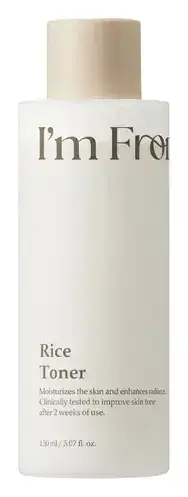
Prequel Sun Barrier Mineral Sunscreen Broad Spectrum SPF 50 PA++++ Versus e.l.f. cosmetics Suntouchable! Whoa Glow SPF 30

What's inside
What's inside
 Key Ingredients
Benefits
Concerns
Ingredients Side-by-side
Zinc Oxide 18%
Cosmetic Colorant


Water
Skin ConditioningCaprylic/Capric Triglyceride
Masking


Diisooctyl Succinate
Emollient
Butyloctyl Salicylate
Skin Conditioning
Propanediol
Solvent
Glycerin
Humectant
Cetearyl Olivate

Polyhydroxystearic Acid
Emulsifying
Sorbitan Olivate
Emulsifying
Bisabolol
Antioxidant


Pongamia Pinnata Seed Extract
Skin ConditioningZingiber Officinale Root Extract
Masking
Tetrahydrodiferuloylmethane
Antioxidant
Tetrahydrodemethoxydiferuloylmethane
Antioxidant
Tetrahydrobisdemethoxydiferuloylmethane
Antioxidant
Calendula Officinalis Flower Extract
Masking
Camellia Sinensis Leaf Extract
Antimicrobial


Chamomilla Recutita Flower Extract
Masking
Centella Asiatica Extract
Cleansing
Phenoxyethanol
Preservative
Polyglyceryl-4 Laurate/Succinate
Lauroyl Lysine
Skin Conditioning
Triethoxycaprylylsilane

Arachidyl Alcohol
Emollient
Silica
Abrasive
Xanthan Gum
EmulsifyingPotassium Cetyl Phosphate
EmulsifyingBehenyl Alcohol
Emollient
Caprylyl Glycol
Emollient
Vp/Eicosene Copolymer
Arachidyl Glucoside
EmulsifyingTetrasodium Glutamate Diacetate
Ethylhexylglycerin
Skin ConditioningTocopheryl Acetate
Antioxidant
Cetyl Alcohol
Emollient
Tin Oxide
Abrasive
Isononyl Isononanoate
EmollientEthylene/Propylene/Styrene Copolymer
Sorbitan Oleate
Emulsifying
CI 77891
Cosmetic ColorantMica
Cosmetic ColorantIron Oxides
Zinc Oxide 18%, Water, Caprylic/Capric Triglyceride, Diisooctyl Succinate, Butyloctyl Salicylate, Propanediol, Glycerin, Cetearyl Olivate, Polyhydroxystearic Acid, Sorbitan Olivate, Bisabolol, Pongamia Pinnata Seed Extract, Zingiber Officinale Root Extract, Tetrahydrodiferuloylmethane, Tetrahydrodemethoxydiferuloylmethane, Tetrahydrobisdemethoxydiferuloylmethane, Calendula Officinalis Flower Extract, Camellia Sinensis Leaf Extract, Chamomilla Recutita Flower Extract, Centella Asiatica Extract, Phenoxyethanol, Polyglyceryl-4 Laurate/Succinate, Lauroyl Lysine, Triethoxycaprylylsilane, Arachidyl Alcohol, Silica, Xanthan Gum, Potassium Cetyl Phosphate, Behenyl Alcohol, Caprylyl Glycol, Vp/Eicosene Copolymer, Arachidyl Glucoside, Tetrasodium Glutamate Diacetate, Ethylhexylglycerin, Tocopheryl Acetate, Cetyl Alcohol, Tin Oxide, Isononyl Isononanoate, Ethylene/Propylene/Styrene Copolymer, Sorbitan Oleate, CI 77891, Mica, Iron Oxides
Butyl Methoxydibenzoylmethane 3%
UV Absorber
Homosalate 9%
Skin Conditioning
Ethylhexyl Salicylate 5%
UV Absorber
Octocrylene 7%
UV Absorber

Water
Skin ConditioningGlycerin
Humectant
Polyglyceryl-3 Distearate
Emulsifying
CI 77163
Cosmetic Colorant
Niacinamide
Smoothing


Aluminum Starch Octenylsuccinate
Absorbent
Trehalose
Humectant
Silica
Abrasive
Panthenol
Skin Conditioning
Sodium Hyaluronate
Humectant
Squalane
Emollient
Aloe Barbadensis Leaf Juice
Skin Conditioning
Glyceryl Stearate Citrate
Emollient
Cetearyl Olivate
Sorbitan Olivate
Emulsifying
Stearyl Caprylate
EmollientStearic Acid
Cleansing
Palmitic Acid
Emollient
Dimethicone
Emollient
Cetearyl Alcohol
Emollient
Stearyl Heptanoate
Emollient
Polyacrylate-13
Polyisobutene
Polysorbate 20
Emulsifying
Ethylhexyl Hydroxystearate
Emollient
Sorbitan Isostearate
Emulsifying
Triethoxycaprylylsilane
Acrylates/Polytrimethylsiloxymethacrylate Copolymer
Skin ConditioningCaprylyl Glycol
Emollient
Ethylhexylglycerin
Skin ConditioningPotassium Sorbate
Preservative
Phenoxyethanol
Preservative
Disodium EDTA
Sodium Benzoate
Masking
Citric Acid
Buffering

Iron Oxides
Butyl Methoxydibenzoylmethane 3%, Homosalate 9%, Ethylhexyl Salicylate 5%, Octocrylene 7%, Water, Glycerin, Polyglyceryl-3 Distearate, CI 77163, Niacinamide, Aluminum Starch Octenylsuccinate, Trehalose, Silica, Panthenol, Sodium Hyaluronate, Squalane, Aloe Barbadensis Leaf Juice, Glyceryl Stearate Citrate, Cetearyl Olivate, Sorbitan Olivate, Stearyl Caprylate, Stearic Acid, Palmitic Acid, Dimethicone, Cetearyl Alcohol, Stearyl Heptanoate, Polyacrylate-13, Polyisobutene, Polysorbate 20, Ethylhexyl Hydroxystearate, Sorbitan Isostearate, Triethoxycaprylylsilane, Acrylates/Polytrimethylsiloxymethacrylate Copolymer, Caprylyl Glycol, Ethylhexylglycerin, Potassium Sorbate, Phenoxyethanol, Disodium EDTA, Sodium Benzoate, Citric Acid, Iron Oxides
Reviews
Ingredients Explained
These ingredients are found in both products.
Ingredients higher up in an ingredient list are typically present in a larger amount.
Caprylyl Glycol is a humectant, skin conditioner, emollient, and preservative booster derived from either caprylic acid or synthetically created.
Typical use levels vary from 0.3-1% as a preservative booster and go up to 2% to condition skin.
Because it is not a free-fatty acid or alcohol, this ingredient is fungal acne safe (there's nothing for Malassezia to feed on).
Learn more about Caprylyl GlycolCetearyl Olivate is a plant-derived emulsifier and texture enhancer. It helps keep the oil and water phases from separating so your formulas stay stable.
You'll likely see it combined with Sorbitan Olivate (together sold as the trade name Olivem 1000). This combination generates a liquid crystal structure that closely resemble the lipid organization of the stratum corneum.
These "skin-like" liquid crystals improve skin barrier integrity and promote the delivery of actives into the skin.
This ingredient is well-tolerated and has no significant sensitization data.
Because it is derived from the fatty acids in olive oil, this ingredient may not be fungal acne safe.
Learn more about Cetearyl OlivateEthylhexylglycerin is created from glycerin. It is a multitasker ingredient that:
The CIR Expert Panel found minimal skin absorption or sensitization of any kind in a safety assessment. Though this ingredient is considered well-tolerated, a small number of cases of allergic dermatitis have been published since 2002. Just be sure to patch test if you are unsure.
Industry-reported use ranges from 8% in rinse-off products and 2% in leave-on formulations.
Learn more about EthylhexylglycerinGlycerin (or glycerol) is a compound naturally found in your skin. It's a powerhouse humectant that pulls water into the stratum corneum.
Topically, glycerin does several things at once:
Your skin makes glycerin on its own (mostly from sebaceous oil breakdown) and shuttles it to your outermost layer of skin, or your epidermis, via aquaporin-3.
Aquaporin-3 is a transporter that is essential for normal skin hydration, elasticity, and repair. Interestingly, mice lacking in AQP3 have dry and less elastic skin that can be fully corrected with glycerin.
This ingredient is non-irritating, plays well with almost every ingredient, and works across all skin types. Typical use is anywhere between 3-10% but can go up to 79% in some leave-on products.
Just know very high concentrations (>40%) can feel tacky in low humidity.
Glycerin is the name for this ingredient in American English. British English uses Glycerol/Glycerine.
Learn more about GlycerinPhenoxyethanol is a preservative that has germicide, antimicrobial, and aromatic properties. Studies show that phenoxyethanol can prevent microbial growth. By itself, it has a scent that is similar to that of a rose.
It's often used in formulations along with Caprylyl Glycol to preserve the shelf life of products.
Silica, also known as silicon dioxide, is a naturally occurring mineral. It is used as a fine, spherical, and porous powder in cosmetics.
Though it has exfoliant properties, the function of silica varies depending on the product.
The unique structure of silica enhances the spreadability and adds smoothness, making it a great texture enhancer.
It is also used as an active carrier, emulsifier, and mattifier due to its ability to absorb excess oil.
In some products, tiny microneedles called spicules are made from silica or hydrolyzed sponge. When you rub them in, they lightly polish away dead skin layers and enhance the penetration of active ingredients.
Learn more about SilicaSorbitan Olivate is created from the fatty acids in olive oil and sorbitol.
This ingredient is an oil in water emulsifier. It helps stabilize a product by preventing oils and waters from separating. Sorbitan Olivate also helps hydrate the skin.
This ingredient is also known as part of Olivem 1000, with Cetearyl Olivate being the other part.
According to a manufacturer, this ingredient helps preserve the natural microbiome of skin. Having a healthy microbiome helps keep our skin healthy and protects against harmful bacteria.
Please note, having a healthy microbiome is different from fungal acne; a healthy microbiome includes small amounts of yeast that normally live on your skin without causing problems.
Fungal acne happens when one type of yeast (Malassezia) grows out of control. This is usually because it's feeding on certain oils or fatty acids. Due to the olive oil base, this ingredient may not be fungal acne safe.
Learn more about Sorbitan OlivateTriethoxycaprylylsilane is a silicon-based surface modifier that makes sunscreens feel silky and makeup stay put.
Its main job is to coat mineral particles like titanium dioxide, zinc oxide, and color pigments in a thin, oily layer so they spread smoothly, don't clump, and stick to skin better.
This ingredient is typically used at low levels (up to 2.5% in eyeshadow and 1% in lipstick).
Learn more about TriethoxycaprylylsilaneWater. It's the most common cosmetic ingredient of all. You'll usually see it at the top of ingredient lists, meaning that it makes up the largest part of the product.
So why is it so popular? Water most often acts as a solvent - this means that it helps dissolve other ingredients into the formulation.
You'll also recognize water as that liquid we all need to stay alive. If you see this, drink a glass of water. Remember to stay hydrated!
Learn more about WaterThis ingredient is a combination of red, black, and yellow iron oxide pigments. This combination of colors is usually found in foundation, because it results in a "skin" color.
The EU typically uses CI numbers for colorants when applicable, such as CI 77489. In the US, iron oxides are regulated as color additives and "iron oxides" is the most commonly used name in US cosmetic practice.
A 2021 paper looked at skincare formulations containing iron oxides and found that they reduced transmission of blue light when measured optically. In simple terms, the pigment particles helped block or scatter part of the visible light spectrum in lab testing and the authors suggest this could translate into better protection against blue-light-related skin effects.
There is also clinical and experimental research showing that tinted products containing iron oxides can reduce visible light-induced pigmentation:
Please note, whether a product reduces visible or blue light depends on things like:
In the EU's CosIng database, iron oxides are only listed as a colorant. CosIng groups ingredients by their main cosmetic role, such as colorant, preservative, or UV filter.
Though studies say iron oxides can "attenuate blue light", they're describing an optical property and not an officially recognized cosmetic function.
So CosIng isn’t contradicting the research. It’s just classifying iron oxides by what they officially are: pigments that add color.
Learn more about Iron Oxides