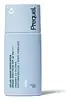
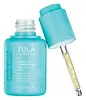
Prequel Solar Shade Broad Spectrum SPF 46 PA++++ Versus Tula Skincare Brightening Treatment Drops Triple Vitamin C Serum
This chemical sunscreen covers most of the UV range, lighter on the deep UVA that drives aging.
This brightening serum is formulated around 3-O-Ethyl Ascorbic Acid and Lactococcus Ferment Lysate to brighten dull-looking skin and fade the look of dark spots.

What's inside
What's inside
 Key Ingredients
Benefits
Concerns
Ingredients Side-by-side
Butyl Methoxydibenzoylmethane 3%
UV Absorber
Homosalate 7%
Skin Conditioning
Octocrylene 9%
UV Absorber

Ethylhexyl Salicylate 5%
UV Absorber
Water
Skin ConditioningGlycerin
Humectant


Butyloctyl Salicylate
Skin Conditioning
C12-15 Alkyl Benzoate
AntimicrobialPongamia Glabra Seed Oil
Skin Conditioning


Undecane
EmollientBetaine
Humectant
Silica
Abrasive


Ethyl Ferulate
Antioxidant
Oryza Sativa Extract
Absorbent

Oryza Sativa Germ Extract
EmollientGlycine Soja Seed Extract
Skin Conditioning
Tridecane
Perfuming

Glycine Soja Oil
Emollient

Sodium Dilauramidoglutamide Lysine
HumectantDunaliella Salina Extract
Skin ConditioningHaematococcus Pluvialis Extract
Antioxidant
Inulin
Skin Conditioning
Fructose
Humectant
Glucose
Humectant
Pongamia Pinnata Seed Extract
Skin ConditioningPolyglyceryl-4 Laurate
Emulsifying
Hydroxyethyl Acrylate/Sodium Acryloyldimethyl Taurate Copolymer
Emulsion StabilisingHydroxyacetophenone
Antioxidant
Arachidyl Alcohol
Emollient
Polyglyceryl-6 Laurate
Emulsifying
1,2-Hexanediol
Skin Conditioning
Caprylyl Glycol
Emollient
Behenyl Alcohol
Emollient
Cellulose Gum
Emulsion StabilisingPolyglyceryl-3 Diisostearate
Emulsifying
Arachidyl Glucoside
EmulsifyingTocopherol
Antioxidant

Sodium Phytate
ChelatingPolysorbate 60
Emulsifying
Sorbitan Isostearate
Emulsifying
Citric Acid
Buffering
Xanthan Gum
EmulsifyingCellulose
Absorbent
Butyl Methoxydibenzoylmethane 3%, Homosalate 7%, Octocrylene 9%, Ethylhexyl Salicylate 5%, Water, Glycerin, Butyloctyl Salicylate, C12-15 Alkyl Benzoate, Pongamia Glabra Seed Oil, Undecane, Betaine, Silica, Ethyl Ferulate, Oryza Sativa Extract, Oryza Sativa Germ Extract, Glycine Soja Seed Extract, Tridecane, Glycine Soja Oil, Sodium Dilauramidoglutamide Lysine, Dunaliella Salina Extract, Haematococcus Pluvialis Extract, Inulin, Fructose, Glucose, Pongamia Pinnata Seed Extract, Polyglyceryl-4 Laurate, Hydroxyethyl Acrylate/Sodium Acryloyldimethyl Taurate Copolymer, Hydroxyacetophenone, Arachidyl Alcohol, Polyglyceryl-6 Laurate, 1,2-Hexanediol, Caprylyl Glycol, Behenyl Alcohol, Cellulose Gum, Polyglyceryl-3 Diisostearate, Arachidyl Glucoside, Tocopherol, Sodium Phytate, Polysorbate 60, Sorbitan Isostearate, Citric Acid, Xanthan Gum, Cellulose
Water
Skin Conditioning3-O-Ethyl Ascorbic Acid
Skin Conditioning

Lactococcus Ferment Lysate
Skin Conditioning
Propanediol
Solvent
1,2-Hexanediol
Skin Conditioning
Ascorbyl Glucoside
Antioxidant
Sodium Citrate
BufferingPentylene Glycol
Skin Conditioning
Cichorium Intybus Root Extract
MaskingMelia Azadirachta Leaf Extract
Skin ConditioningMelia Azadirachta Flower Extract
Skin ConditioningCorallina Officinalis Extract
Skin Conditioning
Curcuma Longa Root Extract
Antioxidant
Ocimum Basilicum Flower/Leaf Extract
TonicLactic Acid
Buffering
Ocimum Sanctum Leaf Extract
Skin ConditioningVaccinium Vitis-Idaea Fruit Extract
Antioxidant
Citrus Unshiu Peel Extract
MaskingHippophae Rhamnoides Fruit Extract
Skin Conditioning
Litchi Chinensis Seed Extract
Skin ConditioningMangifera Indica Leaf Extract
Skin ConditioningGold
Cosmetic ColorantGlutathione
Hydroxyacetophenone
Antioxidant
Acetyl Cysteine
Antioxidant
Sodium Sulfite
Preservative
Sorbitol
Humectant
Citric Acid
Buffering
Sclerotium Gum
Emulsion StabilisingXanthan Gum
EmulsifyingCaprylyl Glycol
Emollient
Ascorbic Acid
Antioxidant
Sodium Phytate
ChelatingLecithin
Emollient
Pullulan
Silica
Abrasive
Sodium Chloride
MaskingSodium Benzoate
Masking
Water, 3-O-Ethyl Ascorbic Acid, Lactococcus Ferment Lysate, Propanediol, 1,2-Hexanediol, Ascorbyl Glucoside, Sodium Citrate, Pentylene Glycol, Cichorium Intybus Root Extract, Melia Azadirachta Leaf Extract, Melia Azadirachta Flower Extract, Corallina Officinalis Extract, Curcuma Longa Root Extract, Ocimum Basilicum Flower/Leaf Extract, Lactic Acid, Ocimum Sanctum Leaf Extract, Vaccinium Vitis-Idaea Fruit Extract, Citrus Unshiu Peel Extract, Hippophae Rhamnoides Fruit Extract, Litchi Chinensis Seed Extract, Mangifera Indica Leaf Extract, Gold, Glutathione, Hydroxyacetophenone, Acetyl Cysteine, Sodium Sulfite, Sorbitol, Citric Acid, Sclerotium Gum, Xanthan Gum, Caprylyl Glycol, Ascorbic Acid, Sodium Phytate, Lecithin, Pullulan, Silica, Sodium Chloride, Sodium Benzoate
Reviews
Ingredients Explained
These ingredients are found in both products.
Ingredients higher up in an ingredient list are typically present in a larger amount.
1,2-Hexanediol is a synthetic liquid and another multi-functional powerhouse.
It is a:
- Humectant, drawing moisture into the skin
- Emollient, helping to soften skin
- Solvent, dispersing and stabilizing formulas
- Preservative booster, enhancing the antimicrobial activity of other preservatives
Caprylyl Glycol is a humectant, skin conditioner, emollient, and preservative booster derived from either caprylic acid or synthetically created.
Typical use levels vary from 0.3-1% as a preservative booster and go up to 2% to condition skin.
Because it is not a free-fatty acid, this ingredient is fungal acne safe (there's nothing for Malassezia to feed on).
Learn more about Caprylyl GlycolCitric Acid is an alpha hydroxy acid (AHA) naturally found in citrus fruits like oranges, lemons, and limes.
Like other AHAs, citric acid can exfoliate skin by breaking down the bonds that hold dead skin cells together. This helps reveal smoother and brighter skin underneath.
However, this exfoliating effect only happens at high concentrations (20%) which can be hard to find in cosmetic products.
Due to this, citric acid is usually included in small amounts as a pH adjuster. This helps keep products slightly more acidic and compatible with skin's natural pH.
In skincare formulas, citric acid can:
While it can provide some skin benefits, research shows lactic acid and glycolic acid are generally more effective and less irritating exfoliants.
Most citric acid used in skincare today is made by fermenting sugars (usually from molasses). This synthetic version is identical to the natural citrus form but easier to stabilize and use in formulations.
Rosacea skin has a lower threshold for acids generally, with 62.5% of rosacea subjects in one study reacting to lactic acid in a sting test. This is why we mark citric acid as a potential rosacea trigger.
However, this ingredient shows up as a pH adjuster or chelator at roughly 0.1-1% in many products. These low levels are unlikely to be an issue for rosacea skin and becomes a potential trigger at exfoliating concentrations (20%). Because everybody's skin is unique, we recommend a patch test if you are unsure.
Learn more about Citric AcidHydroxyacetophenone is a small phenolic molecule that earns its place in a formulas as an antioxidant and preservative booster.
As a phenol, it is able to neutralize free radicals to protect both the product and the skin from oxidative stress.
Though it can't kill microbes on its own, it works as a good supporting agent when combined with other preservatives like Phenoxyethanol or 1,2-Hexanediol.
This ingredient naturally occurs as piceol in Norwegian spruce needles (~0.4-1.1% dry weight and in cloudberries). Though the cosmetic-grade material is synthesized for purity and consistency.
You'll usually see it used at low levels and suppliers recommend up to 1% added to a water phase.
Safety testing was done at concentrations like 0.05% in SPF products and 0.5% in a Human Repeated Insult Patch Test. The safety evidence is assuring; this ingredient is safe for cosmetics in current use and also holds safety status as a food flavoring as well.
An honest caveat: the "soothing" and "anti-inflammatory" claims come mostly from supplier marketing rather than published clinical trials. The Cosmetic Ingredient Review's own literature search found no useful efficacy studies on this ingredient.
So the antioxidant and preservative-boosting roles are the well supported ones while the calming benefit is plausible but thinly evidenced.
Overall, this is a well-tolerated, low-irritation multitasker that quietly helps a formula stay fresh and stable.
Learn more about HydroxyacetophenoneSilica, also known as silicon dioxide, is a naturally occurring mineral. It is used as a fine, spherical, and porous powder in cosmetics.
Though it has exfoliant properties, the function of silica varies depending on the product.
The unique structure of silica enhances the spreadability and adds smoothness, making it a great texture enhancer.
It is also used as an active carrier, emulsifier, and mattifier due to its ability to absorb excess oil.
In some products, tiny microneedles called spicules are made from silica or hydrolyzed sponge. When you rub them in, they lightly polish away dead skin layers and enhance the penetration of active ingredients.
Learn more about SilicaSodium Phytate is the sodium salt of Phytic acid, a compound that plants store phosphorus in. It's the plant-derived alternative to ingredients like Disodium EDTA.
In skincare, this ingredient is a chelator that grabs onto trace metal ions like iron and copper that sneak into formulas through water/raw materials.
Those metals speed up oxidation so binding them keeps oils, fragrance, and actives from going off, stops color changes, and helps the preservative system work harder.
Survey data shows usage levels range from 0.0099%-0.5% in leave-on products, 0.025%-0.3% in rinse-off, and up to 0.05% in eye-area products. Suppliers typically recommend a range between 0.05-0.5%.
Learn more about Sodium PhytateWater. It's the most common cosmetic ingredient of all. You'll usually see it at the top of ingredient lists, meaning that it makes up the largest part of the product.
So why is it so popular? Water most often acts as a solvent - this means that it helps dissolve other ingredients into the formulation.
You'll also recognize water as that liquid we all need to stay alive. If you see this, drink a glass of water. Remember to stay hydrated!
Learn more about WaterXanthan gum is used as a stabilizer and thickener within cosmetic products. It helps give products a sticky, thick feeling - preventing them from being too runny.
On the technical side of things, xanthan gum is a polysaccharide - a combination consisting of multiple sugar molecules bonded together.
Xanthan gum is a pretty common and great ingredient. It is a natural, non-toxic, non-irritating ingredient that is also commonly used in food products.
Learn more about Xanthan Gum

