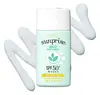
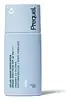
Etude House Sunprise Mild Airy Finish SPF50+ Versus Prequel Solar Shade Broad Spectrum SPF 46 PA++++
This hybrid sunscreen covers the full UV range and blocks ~98% of UVB at SPF 50.
This chemical sunscreen covers most of the UV range, lighter on the deep UVA that drives aging.


What's inside
What's inside
 Key Ingredients
Benefits
Concerns
Ingredients Side-by-side
Water
Skin ConditioningZinc Oxide
Cosmetic Colorant


Disiloxane
Skin Conditioning
Cyclohexasiloxane
Emollient
Butyloctyl Salicylate
Skin Conditioning
Propylene Glycol Dicaprylate
EmollientPropanediol
Solvent

Methyl Trimethicone
Skin Conditioning
Methyl Methacrylate Crosspolymer
Triethoxycaprylylsilane
Lauryl Polyglyceryl-3 Polydimethylsiloxyethyl Dimethicone
Skin Conditioning
Sodium Chloride
Masking1,2-Hexanediol
Skin Conditioning
Polymethylsilsesquioxane
Polyglyceryl-3 Polydimethylsiloxyethyl Dimethicone
Skin Conditioning
Parfum
Masking




Caprylyl Glycol
Emollient
Glyceryl Caprylate
EmollientEthylhexylglycerin
Skin ConditioningSodium Hyaluronate
Humectant


Helianthus Annuus Seed Oil
Emollient

Adansonia Digitata Seed Oil
Emollient
Butylene Glycol
Humectant
Tocopherol
Antioxidant



Opuntia Ficus-Indica Extract
Skin Conditioning
Phenoxyethanol
Preservative
Aloe Barbadensis Leaf Juice
Skin Conditioning
Citric Acid
Buffering
Potassium Sorbate
Preservative
Carex Humillis Root Extract
Skin ConditioningSodium Benzoate
Masking
Malpighia Emarginata Fruit Extract
Skin ConditioningEuterpe Oleracea Fruit Extract
Terminalia Ferdinandiana Fruit Extract
Antioxidant
Water, Zinc Oxide, Disiloxane, Cyclohexasiloxane, Butyloctyl Salicylate, Propylene Glycol Dicaprylate, Propanediol, Methyl Trimethicone, Methyl Methacrylate Crosspolymer, Triethoxycaprylylsilane, Lauryl Polyglyceryl-3 Polydimethylsiloxyethyl Dimethicone, Sodium Chloride, 1,2-Hexanediol, Polymethylsilsesquioxane, Polyglyceryl-3 Polydimethylsiloxyethyl Dimethicone, Parfum, Caprylyl Glycol, Glyceryl Caprylate, Ethylhexylglycerin, Sodium Hyaluronate, Helianthus Annuus Seed Oil, Adansonia Digitata Seed Oil, Butylene Glycol, Tocopherol, Opuntia Ficus-Indica Extract, Phenoxyethanol, Aloe Barbadensis Leaf Juice, Citric Acid, Potassium Sorbate, Carex Humillis Root Extract, Sodium Benzoate, Malpighia Emarginata Fruit Extract, Euterpe Oleracea Fruit Extract, Terminalia Ferdinandiana Fruit Extract
Butyl Methoxydibenzoylmethane 3%
UV Absorber
Homosalate 7%
Skin Conditioning
Octocrylene 9%
UV Absorber
Ethylhexyl Salicylate 5%
UV Absorber
Water
Skin ConditioningGlycerin
Humectant
Butyloctyl Salicylate
Skin Conditioning
C12-15 Alkyl Benzoate
AntimicrobialPongamia Glabra Seed Oil
Skin Conditioning
Undecane
EmollientBetaine
Humectant
Silica
Abrasive

Ethyl Ferulate
Antioxidant
Oryza Sativa Extract
Absorbent
Oryza Sativa Germ Extract
EmollientGlycine Soja Seed Extract
Skin Conditioning
Tridecane
Perfuming
Glycine Soja Oil
Emollient

Sodium Dilauramidoglutamide Lysine
HumectantDunaliella Salina Extract
Skin ConditioningHaematococcus Pluvialis Extract
Antioxidant
Inulin
Skin Conditioning
Fructose
Humectant
Glucose
Humectant
Pongamia Pinnata Seed Extract
Skin ConditioningPolyglyceryl-4 Laurate
Emulsifying
Hydroxyethyl Acrylate/Sodium Acryloyldimethyl Taurate Copolymer
Emulsion StabilisingHydroxyacetophenone
Antioxidant
Arachidyl Alcohol
Emollient
Polyglyceryl-6 Laurate
Emulsifying
1,2-Hexanediol
Skin Conditioning
Caprylyl Glycol
Emollient
Behenyl Alcohol
Emollient
Cellulose Gum
Emulsion StabilisingPolyglyceryl-3 Diisostearate
Emulsifying
Arachidyl Glucoside
EmulsifyingTocopherol
Antioxidant
Sodium Phytate
ChelatingPolysorbate 60
Emulsifying
Sorbitan Isostearate
Emulsifying
Citric Acid
Buffering
Xanthan Gum
EmulsifyingCellulose
Absorbent
Butyl Methoxydibenzoylmethane 3%, Homosalate 7%, Octocrylene 9%, Ethylhexyl Salicylate 5%, Water, Glycerin, Butyloctyl Salicylate, C12-15 Alkyl Benzoate, Pongamia Glabra Seed Oil, Undecane, Betaine, Silica, Ethyl Ferulate, Oryza Sativa Extract, Oryza Sativa Germ Extract, Glycine Soja Seed Extract, Tridecane, Glycine Soja Oil, Sodium Dilauramidoglutamide Lysine, Dunaliella Salina Extract, Haematococcus Pluvialis Extract, Inulin, Fructose, Glucose, Pongamia Pinnata Seed Extract, Polyglyceryl-4 Laurate, Hydroxyethyl Acrylate/Sodium Acryloyldimethyl Taurate Copolymer, Hydroxyacetophenone, Arachidyl Alcohol, Polyglyceryl-6 Laurate, 1,2-Hexanediol, Caprylyl Glycol, Behenyl Alcohol, Cellulose Gum, Polyglyceryl-3 Diisostearate, Arachidyl Glucoside, Tocopherol, Sodium Phytate, Polysorbate 60, Sorbitan Isostearate, Citric Acid, Xanthan Gum, Cellulose
Reviews
Ingredients Explained
These ingredients are found in both products.
Ingredients higher up in an ingredient list are typically present in a larger amount.
1,2-Hexanediol is a synthetic liquid and another multi-functional powerhouse.
It is a:
- Humectant, drawing moisture into the skin
- Emollient, helping to soften skin
- Solvent, dispersing and stabilizing formulas
- Preservative booster, enhancing the antimicrobial activity of other preservatives
Butyloctyl Salicylate is a chemical UV filter structurally similar to octisalate. It is a photostabilizer, SPF booster, emollient and solvent. This ingredient helps evenly spread out ingredients.
According to a manufacturer, it is suitable for pairing with micro Titanium Dioxide, Zinc Oxide, and pigments.
Photostabilizers help stabilize UV-filters and prevents them from degrading quickly.
Learn more about Butyloctyl SalicylateCaprylyl Glycol is a humectant, skin conditioner, emollient, and preservative booster derived from either caprylic acid or synthetically created.
Typical use levels vary from 0.3-1% as a preservative booster and go up to 2% to condition skin.
Because it is not a free-fatty acid, this ingredient is fungal acne safe (there's nothing for Malassezia to feed on).
Learn more about Caprylyl GlycolCitric Acid is an alpha hydroxy acid (AHA) naturally found in citrus fruits like oranges, lemons, and limes.
Like other AHAs, citric acid can exfoliate skin by breaking down the bonds that hold dead skin cells together. This helps reveal smoother and brighter skin underneath.
However, this exfoliating effect only happens at high concentrations (20%) which can be hard to find in cosmetic products.
Due to this, citric acid is usually included in small amounts as a pH adjuster. This helps keep products slightly more acidic and compatible with skin's natural pH.
In skincare formulas, citric acid can:
While it can provide some skin benefits, research shows lactic acid and glycolic acid are generally more effective and less irritating exfoliants.
Most citric acid used in skincare today is made by fermenting sugars (usually from molasses). This synthetic version is identical to the natural citrus form but easier to stabilize and use in formulations.
Rosacea skin has a lower threshold for acids generally, with 62.5% of rosacea subjects in one study reacting to lactic acid in a sting test. This is why we mark citric acid as a potential rosacea trigger.
However, this ingredient shows up as a pH adjuster or chelator at roughly 0.1-1% in many products. These low levels are unlikely to be an issue for rosacea skin and becomes a potential trigger at exfoliating concentrations (20%). Because everybody's skin is unique, we recommend a patch test if you are unsure.
Learn more about Citric AcidTocopherol is a fat-soluble antioxidant known as Vitamin E.
You'll find this ingredient in the vast majority of skincare (for good reason). It works to neutralize free radicals, or unstable molecules generated by UV exposure, pollution, and other environmental stressors, before they can cause oxidative damage to your skin cells.
Topically applied tocopherol has been shown to protect against UV damage by ramping up the skin's own natural defense enzymes.
It also acts as a skin conditioning agent; some studies show that regular topical use can improve the skin's water-binding capacity over 2-4 weeks.
This ingredient is especially loved for being a team player. When combined with Vitamin C, the photoprotective effect of both ingredients roughly doubles and the combo also helps reduce UV-induced DNA damage.
This ingredient has some brightening potential but it's more of a prevention ingredient than spot-fader. Cell studies show it can slow down melanin production but it's worth noting that it's not the most powerful brightener out there.
In formulations, it also serves as a stabilizer that helps protect other oxidation-prone ingredients from degrading.
Concentrations usually range from 0.1-1% in most leave-on products.
Learn more about TocopherolWater. It's the most common cosmetic ingredient of all. You'll usually see it at the top of ingredient lists, meaning that it makes up the largest part of the product.
So why is it so popular? Water most often acts as a solvent - this means that it helps dissolve other ingredients into the formulation.
You'll also recognize water as that liquid we all need to stay alive. If you see this, drink a glass of water. Remember to stay hydrated!
Learn more about Water

