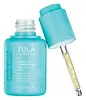
This brightening serum is formulated around 3-O-Ethyl Ascorbic Acid and Lactococcus Ferment Lysate to brighten dull-looking skin and fade the look of dark spots.
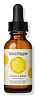
This brightening serum is formulated around Sodium Ascorbyl Phosphate and Ferulic Acid to fade the look of dark spots and brighten dull-looking skin.

What's inside
What's inside
 Key Ingredients
Benefits
Concerns
No concerns
Ingredients Side-by-side
Water
Skin Conditioning3-O-Ethyl Ascorbic Acid
Skin Conditioning





Lactococcus Ferment Lysate
Skin Conditioning
Propanediol
Solvent
1,2-Hexanediol
Skin Conditioning
Ascorbyl Glucoside
Antioxidant

Sodium Citrate
BufferingPentylene Glycol
Skin Conditioning
Cichorium Intybus Root Extract
MaskingMelia Azadirachta Leaf Extract
Skin ConditioningMelia Azadirachta Flower Extract
Skin ConditioningCorallina Officinalis Extract
Skin Conditioning

Curcuma Longa Root Extract
Antioxidant
Ocimum Basilicum Flower/Leaf Extract
TonicLactic Acid
Buffering




Ocimum Sanctum Leaf Extract
Skin ConditioningVaccinium Vitis-Idaea Fruit Extract
Antioxidant
Citrus Unshiu Peel Extract
MaskingHippophae Rhamnoides Fruit Extract
Skin Conditioning
Litchi Chinensis Seed Extract
Skin ConditioningMangifera Indica Leaf Extract
Skin ConditioningGold
Cosmetic ColorantGlutathione
Hydroxyacetophenone
Antioxidant
Acetyl Cysteine
Antioxidant
Sodium Sulfite
Preservative
Sorbitol
Humectant
Citric Acid
Buffering
Sclerotium Gum
Emulsion StabilisingXanthan Gum
EmulsifyingCaprylyl Glycol
Emollient
Ascorbic Acid
Antioxidant
Sodium Phytate
ChelatingLecithin
Emollient
Pullulan
Silica
Abrasive
Sodium Chloride
MaskingSodium Benzoate
Masking
Water, 3-O-Ethyl Ascorbic Acid, Lactococcus Ferment Lysate, Propanediol, 1,2-Hexanediol, Ascorbyl Glucoside, Sodium Citrate, Pentylene Glycol, Cichorium Intybus Root Extract, Melia Azadirachta Leaf Extract, Melia Azadirachta Flower Extract, Corallina Officinalis Extract, Curcuma Longa Root Extract, Ocimum Basilicum Flower/Leaf Extract, Lactic Acid, Ocimum Sanctum Leaf Extract, Vaccinium Vitis-Idaea Fruit Extract, Citrus Unshiu Peel Extract, Hippophae Rhamnoides Fruit Extract, Litchi Chinensis Seed Extract, Mangifera Indica Leaf Extract, Gold, Glutathione, Hydroxyacetophenone, Acetyl Cysteine, Sodium Sulfite, Sorbitol, Citric Acid, Sclerotium Gum, Xanthan Gum, Caprylyl Glycol, Ascorbic Acid, Sodium Phytate, Lecithin, Pullulan, Silica, Sodium Chloride, Sodium Benzoate
Water
Skin ConditioningSodium Ascorbyl Phosphate
Antioxidant
C12-15 Alkyl Benzoate
AntimicrobialGlycerin
Humectant
Sodium Levulinate
Skin ConditioningSodium Anisate
AntimicrobialSalvia Sclarea Oil
Masking
Citrus Grandis Seed Extract
Astringent
Hyaluronic Acid
Humectant
Amorphophallus Konjac Root Powder
Abrasive
Aloe Barbadensis Leaf
Masking
Tocotrienols
Skin Conditioning
Ferulic Acid
Antimicrobial
Matricaria Maritima Powder
Abrasive
Sodium Phytate
ChelatingXanthan Gum
EmulsifyingHydroxyethylcellulose
Emulsion StabilisingWater, Sodium Ascorbyl Phosphate, C12-15 Alkyl Benzoate, Glycerin, Sodium Levulinate, Sodium Anisate, Salvia Sclarea Oil, Citrus Grandis Seed Extract, Hyaluronic Acid, Amorphophallus Konjac Root Powder, Aloe Barbadensis Leaf, Tocotrienols, Ferulic Acid, Matricaria Maritima Powder, Sodium Phytate, Xanthan Gum, Hydroxyethylcellulose
Reviews
Ingredients Explained
These ingredients are found in both products.
Ingredients higher up in an ingredient list are typically present in a larger amount.
Sodium Phytate is the sodium salt of Phytic acid, a compound that plants store phosphorus in. It's the plant-derived alternative to ingredients like Disodium EDTA.
In skincare, this ingredient is a chelator that grabs onto trace metal ions like iron and copper that sneak into formulas through water/raw materials.
Those metals speed up oxidation so binding them keeps oils, fragrance, and actives from going off, stops color changes, and helps the preservative system work harder.
Survey data shows usage levels range from 0.0099%-0.5% in leave-on products, 0.025%-0.3% in rinse-off, and up to 0.05% in eye-area products. Suppliers typically recommend a range between 0.05-0.5%.
Learn more about Sodium PhytateWater. It's the most common cosmetic ingredient of all. You'll usually see it at the top of ingredient lists, meaning that it makes up the largest part of the product.
So why is it so popular? Water most often acts as a solvent - this means that it helps dissolve other ingredients into the formulation.
You'll also recognize water as that liquid we all need to stay alive. If you see this, drink a glass of water. Remember to stay hydrated!
Learn more about WaterXanthan gum is used as a stabilizer and thickener within cosmetic products. It helps give products a sticky, thick feeling - preventing them from being too runny.
On the technical side of things, xanthan gum is a polysaccharide - a combination consisting of multiple sugar molecules bonded together.
Xanthan gum is a pretty common and great ingredient. It is a natural, non-toxic, non-irritating ingredient that is also commonly used in food products.
Learn more about Xanthan Gum

