Phytosurgence Verdant Forcefield Restorative Moisturizer Versus Blume Meltdown Gel Cream for Acne-Prone Skin
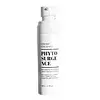
This barrier-repair moisturizer is formulated around Aloe Barbadensis Leaf Extract and Panthenol to strengthen the skin barrier and calm redness.
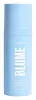
This barrier-repair moisturizer is formulated around Squalane and Niacinamide to strengthen the skin barrier and calm redness.

What's inside
What's inside
 Key Ingredients
Benefits
Concerns
Ingredients Side-by-side
Aloe Barbadensis Leaf Extract
Emollient


Sodium Lactate
Buffering
Glycerin
Humectant

Simmondsia Chinensis Seed Oil
Emollient


Propanediol
Solvent
Caprylic/Capric Triglyceride
Masking
Emulsifying Wax Nf
Cetyl Esters
Emollient
Panthenol
Skin Conditioning
Centella Asiatica Extract
Cleansing

Camellia Sinensis Leaf Extract
Antimicrobial



Glycyrrhiza Glabra Root Extract
Bleaching
Isopropyl Myristate
Emollient



Gluconolactone
Skin Conditioning

Tocopherol
Antioxidant
Phenoxyethanol
Preservative
Caprylyl Glycol
Emollient
Allantoin
Skin Conditioning
Disodium EDTA
Sodium Hyaluronate
Humectant
Xanthan Gum
EmulsifyingRosmarinus Officinalis Leaf Extract
AntimicrobialAloe Barbadensis Leaf Extract, Sodium Lactate, Glycerin, Simmondsia Chinensis Seed Oil, Propanediol, Caprylic/Capric Triglyceride, Emulsifying Wax Nf, Cetyl Esters, Panthenol, Centella Asiatica Extract, Camellia Sinensis Leaf Extract, Glycyrrhiza Glabra Root Extract, Isopropyl Myristate, Gluconolactone, Tocopherol, Phenoxyethanol, Caprylyl Glycol, Allantoin, Disodium EDTA, Sodium Hyaluronate, Xanthan Gum, Rosmarinus Officinalis Leaf Extract
Water
Skin ConditioningPropanediol
Solvent
Squalane
Emollient
Diisostearyl Malate
EmollientDiheptyl Succinate
EmollientCoco-Caprylate/Caprate
Emollient
Glycerin
Humectant
Niacinamide
Smoothing
Capryloyl Glycerin/Sebacic Acid Copolymer
Skin ConditioningHydroxyethyl Acrylate/Sodium Acryloyldimethyl Taurate Copolymer
Emulsion StabilisingGlyceryl Stearate Citrate
Emollient
Behenyl Alcohol
Emollient
Maltol
MaskingTocopheryl Acetate
Antioxidant
Terminalia Chebula Fruit Extract
Skin ConditioningSodium Lactate
Buffering
Centella Asiatica Extract
Cleansing
Arginine
Masking
PCA
Humectant
Ceramide NP
Skin Conditioning
Ceramide As
Skin Conditioning
Ceramide AP
Skin Conditioning
Ceramide Ns
Skin Conditioning
Cholesterol
Emollient
Ceramide EOP
Skin Conditioning
Hydrolyzed Gardenia Florida Extract
Antioxidant
Sodium Hyaluronate
Humectant
Gossypium Hirsutum Extract
Skin ConditioningGlycyrrhiza Glabra Root Extract
Bleaching
Sodium PCA
Humectant
Laminaria Japonica Extract
Skin Protecting
Solanum Lycopersicum Fruit Extract
Antioxidant
Polyquaternium-80
CleansingSorbitan Isostearate
Emulsifying
Saccharide Isomerate
Humectant
Maltodextrin
Absorbent
Citric Acid
Buffering
Aspartic Acid
Masking
Sodium Citrate
BufferingHydrogenated Lecithin
Emulsifying
Glycine
Buffering
Alanine
Masking
Dipropylene Glycol
HumectantSerine
Masking
Valine
MaskingPotassium Sorbate
Preservative
Sodium Benzoate
Masking
Glyceryl Stearate
Emollient
Proline
Skin Conditioning
Threonine
Isoleucine
Skin ConditioningSucrose Distearate
Emollient
Histidine
Humectant
Phenylalanine
Masking
Water, Propanediol, Squalane, Diisostearyl Malate, Diheptyl Succinate, Coco-Caprylate/Caprate, Glycerin, Niacinamide, Capryloyl Glycerin/Sebacic Acid Copolymer, Hydroxyethyl Acrylate/Sodium Acryloyldimethyl Taurate Copolymer, Glyceryl Stearate Citrate, Behenyl Alcohol, Maltol, Tocopheryl Acetate, Terminalia Chebula Fruit Extract, Sodium Lactate, Centella Asiatica Extract, Arginine, PCA, Ceramide NP, Ceramide As, Ceramide AP, Ceramide Ns, Cholesterol, Ceramide EOP, Hydrolyzed Gardenia Florida Extract, Sodium Hyaluronate, Gossypium Hirsutum Extract, Glycyrrhiza Glabra Root Extract, Sodium PCA, Laminaria Japonica Extract, Solanum Lycopersicum Fruit Extract, Polyquaternium-80, Sorbitan Isostearate, Saccharide Isomerate, Maltodextrin, Citric Acid, Aspartic Acid, Sodium Citrate, Hydrogenated Lecithin, Glycine, Alanine, Dipropylene Glycol, Serine, Valine, Potassium Sorbate, Sodium Benzoate, Glyceryl Stearate, Proline, Threonine, Isoleucine, Sucrose Distearate, Histidine, Phenylalanine
Reviews
Ingredients Explained
These ingredients are found in both products.
Ingredients higher up in an ingredient list are typically present in a larger amount.
Centella Asiatica Extract (Centella) is one of the most researched botanical extracts in skincare with decades of studies backing its effects on inflammation, collagen, and the skin barrier.
That research keeps pointing back to the same four triterpenoid saponins: Asiaticoside, Madecassoside, Asiatic Acid, and Madecassic Acid.
These compounds allow centella to dial back inflammation, encourage the skin to build and hold onto collagen, support the barrier and hydration, and bring solid antioxidant activity to protect against signs of aging.
Centella also carries a nice supporting cast of Vitamin A, vitamin C, several B vitamins, and amino acids. Put it all together and you get an ingredient that soothes, hydrates, and protects, all at once.
Most of centella's magic comes from the four big compounds (Asiaticoside, Madecassoside, Asiatic Acid, and Madecassic Acid). These are the actives doing the heavy lifting in almost every centella study.
Here is the short version of what they do in the skin:
So it is not just soothing for the sake of soothing. Centella calms the skin AND helps it rebuild.
Just FYI, not all centella on an ingredient list is the same. What you are getting actually depends on the extract:
Fun fact on the ratios: the leaves tend to be richest in Madecassoside and Asiaticoside, and lower in the two acids. The exact amounts shift with where the plant is grown and how it is processed. This means purity really does vary brand to brand.
Centella is one of the most easygoing actives out there.
It layers well with basically everything: niacinamide, hyaluronic acid, peptides, and vitamin C, and also pairs nicely with stronger actives like retinoids and exfoliating acids where it can help take the edge off irritation.
On the safety side, centella and its triterpenes are classified as weak sensitizers, meaning allergic reactions are possible but uncommon.
Patch tests at 1% and 5% came back negative in test panels, and creams at typical use levels did not cause allergic reactions across large groups of people.
But as with any new active, a patch test is still a smart move for very reactive skin.
Centella is widely used because it is effective at low percentages. For context, human safety testing found no meaningful irritation from creams containing centella extract at everyday use levels (the tested amounts were well under 1%).
The irritancy threshold in animal testing was also above 30% (so real-world formulas sit far below anything concerning).
In collagen lab studies, higher concentrations drove more collagen synthesis, so serums built around centella tend to feature it more prominently.
Bottom line: you will find centella working nicely anywhere from a fraction of a percent up to hero-ingredient levels depending on whether it is a supporting soother or the main event.
Fun fact: Centella has been used as a medicine and in food for many centuries. As a medicine, it is used to treat burns, scratches, and wounds.
Learn more about Centella Asiatica ExtractGlycerin (or glycerol) is a compound naturally found in your skin. It's a powerhouse humectant that pulls water into the stratum corneum.
Topically, glycerin does several things at once:
Your skin makes glycerin on its own (mostly from sebaceous oil breakdown) and shuttles it to your outermost layer of skin, or your epidermis, via aquaporin-3.
Aquaporin-3 is a transporter that is essential for normal skin hydration, elasticity, and repair. Interestingly, mice lacking in AQP3 have dry and less elastic skin that can be fully corrected with glycerin.
This ingredient is non-irritating, plays well with almost every ingredient, and works across all skin types. Typical use is anywhere between 3-10% but can go up to 79% in some leave-on products.
Just know very high concentrations (>40%) can feel tacky in low humidity.
Glycerin is the name for this ingredient in American English. British English uses Glycerol/Glycerine.
Learn more about GlycerinGlycyrrhiza Glabra Root Extract is an extract of the roots of Licorice. It has been found to have several benefits such as skin hydrating, conditioning, and soothing.
One component, glabridin, has extra potent antioxidant and soothing properties. It has also been found to block pigmentation from UVB rays in guinea pigs.
Licorice Root also contains a flavonoid. Flavonoids are a natural substance from in plants. Flavonoids also have antioxidant properties.
Another component, glycyrrhizin, has been found to have anti-inflammatory and antimicrobial benefits. This may make licorice root extract effective at treating acne. However, more research is needed to support this.
Liquiritin is one of the flavone compounds found in licorice. It has been found to help lighten skin by preventing tyrosinase from reacting with tyrosine. When the two react, protein is converted to melanin. Melanin is the substance in your body that gives your features pigmentation.
Learn more about Glycyrrhiza Glabra Root ExtractPropanediol is an all-star ingredient. It softens, hydrates, and smooths the skin.
It’s often used to:
Propanediol is not likely to cause sensitivity and considered safe to use. It is derived from corn or petroleum with a clear color and no scent.
Learn more about PropanediolSodium Hyaluronate is the salt form of hyaluronic acid. It is a long sugar chain that is naturally found in your skin, joints, and connective tissue that maintains hydration and elasticity.
In skincare, it works as a humectant. It pulls water from the environment and deeper layers of skin and binds it to the surface.
Interestingly, the size of the molecule affects its behavior:
Some clinical evidence links low molecular weight versions to improved wrinkle depth, elasticity, anti-inflammatory effects, and barrier repair.
Many serums use a blend of both weights so you can get surface hydration plus longer-lasting and deeper effects.
You'll typically see concentrations between 0.1-2% for this ingredient.
Learn more about Sodium HyaluronateSodium Lactate is the sodium salt of lactic acid, an AHA. It is a humectant and sometimes used to adjust the pH of a product.
This ingredient is part of our skin's NMF, or natural moisturizing factor. Our NMF is essential for the hydration of our top skin layers and plasticity of skin. NMF also influences our skin's natural acid mantle and pH, which protects our skin from harmful bacteria.
High percentages of Sodium Lactate can have an exfoliating effect.
Fun fact: Sodium Lactate is produced from fermented sugar.
Learn more about Sodium Lactate

