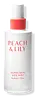
This hydrating essence is formulated around Centella Asiatica Extract and Madecassic Acid to hydrate skin and strengthen the skin barrier.
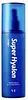
This hydrating essence is formulated around Hyaluronic Acid and Hydrolyzed Hyaluronic Acid to hydrate skin and strengthen the skin barrier.

What's inside
What's inside
 Key Ingredients
Benefits
Concerns
Ingredients Side-by-side
Cucumis Sativus Fruit Water
Skin ConditioningWater
Skin ConditioningGlycerin
Humectant


Methylpropanediol
Solvent1,2-Hexanediol
Skin Conditioning
Propanediol
Solvent
Ethylhexyl Palmitate
Emollient




Prunus Persica Fruit Extract
Abrasive
Centella Asiatica Extract
Cleansing



Madecassic Acid
Skin Conditioning
Nelumbo Nucifera Root Extract
Skin ConditioningBambusa Textilis Stem Extract
Skin ConditioningArctium Lappa Root Extract
Skin Conditioning
Morus Alba Leaf Extract
Skin ConditioningCeramide NP
Skin Conditioning
Sodium Hyaluronate
Humectant
Hyaluronic Acid
Humectant
Hydrolyzed Hyaluronic Acid
Humectant
Ceramide Ns
Skin Conditioning
Ceramide As
Skin Conditioning
Butylene Glycol
Humectant
Caprylic/Capric Triglyceride
Masking
Asiaticoside
Antioxidant
Aloe Barbadensis Leaf Extract
Emollient
Phytosphingosine
Skin Conditioning
Citric Acid
Buffering

Glycyrrhiza Glabra Root Extract
Bleaching
Tocopherol
Antioxidant
Cetyl Ethylhexanoate
EmollientCeramide AP
Skin Conditioning
Hydrogenated Lecithin
Emulsifying
Eucalyptus Globulus Leaf Extract
Perfuming
Sodium Citrate
BufferingGanoderma Lucidum Extract
Skin Protecting
Phosphoric Acid
BufferingEthylhexylglycerin
Skin ConditioningAsiatic Acid
Skin Conditioning
Cholesterol
Emollient
Polyglyceryl-10 Oleate
Skin Conditioning
Propylene Glycol
Humectant
Butyrospermum Parkii Butter
Skin Conditioning
Ceramide EOP
Skin Conditioning
Cucumis Sativus Fruit Water, Water, Glycerin, Methylpropanediol, 1,2-Hexanediol, Propanediol, Ethylhexyl Palmitate, Prunus Persica Fruit Extract, Centella Asiatica Extract, Madecassic Acid, Nelumbo Nucifera Root Extract, Bambusa Textilis Stem Extract, Arctium Lappa Root Extract, Morus Alba Leaf Extract, Ceramide NP, Sodium Hyaluronate, Hyaluronic Acid, Hydrolyzed Hyaluronic Acid, Ceramide Ns, Ceramide As, Butylene Glycol, Caprylic/Capric Triglyceride, Asiaticoside, Aloe Barbadensis Leaf Extract, Phytosphingosine, Citric Acid, Glycyrrhiza Glabra Root Extract, Tocopherol, Cetyl Ethylhexanoate, Ceramide AP, Hydrogenated Lecithin, Eucalyptus Globulus Leaf Extract, Sodium Citrate, Ganoderma Lucidum Extract, Phosphoric Acid, Ethylhexylglycerin, Asiatic Acid, Cholesterol, Polyglyceryl-10 Oleate, Propylene Glycol, Butyrospermum Parkii Butter, Ceramide EOP
Water
Skin ConditioningMethylpropanediol
SolventPropanediol
Solvent
Glycerin
Humectant
Methyl Gluceth-20
Humectant
Cetearyl Alcohol
Emollient
Pentaerythrityl Tetraethylhexanoate
Emollient
Butylene Glycol
Humectant
Hyaluronic Acid
Humectant
Hydrolyzed Hyaluronic Acid
Humectant
Sodium Hyaluronate
Humectant
Dipentaerythrityl Hexahydroxystearate/Hexastearate/Hexarosinate
Skin Conditioning1,2-Hexanediol
Skin Conditioning
Butyrospermum Parkii Butter
Skin Conditioning
Hydroxyacetophenone
Antioxidant
Tromethamine
BufferingBehenyl Alcohol
Emollient
Melia Azadirachta Leaf Extract
Skin ConditioningMelia Azadirachta Flower Extract
Skin ConditioningCoccinia Indica Fruit Extract
Skin Conditioning
Solanum Melongena Fruit Extract
Skin ConditioningOcimum Sanctum Leaf Extract
Skin ConditioningCorallina Officinalis Extract
Skin Conditioning
Curcuma Longa Root Extract
Antioxidant
Acrylates/C10-30 Alkyl Acrylate Crosspolymer
Emulsion StabilisingOenothera Biennis Flower Extract
AstringentPinus Palustris Leaf Extract
TonicPueraria Lobata Root Extract
HumectantUlmus Davidiana Root Extract
Skin Conditioning
Actinidia Chinensis Fruit Extract
EmollientAlchemilla Vulgaris Extract
AstringentAnanas Sativus Fruit Extract
Skin ConditioningArnica Montana Flower Extract
Masking
Eclipta Prostrata Extract
Skin Conditioning
Polyglutamic Acid
Skin Conditioning
Hydrolyzed Sodium Hyaluronate
Skin Conditioning
Hydroxypropyltrimonium Hyaluronate
Potassium Hyaluronate
Skin ConditioningSodium Hyaluronate Crosspolymer
Humectant
Pentylene Glycol
Skin Conditioning
Sodium Acetylated Hyaluronate
Humectant
Carbomer
Emulsion StabilisingXanthan Gum
EmulsifyingEthylhexylglycerin
Skin ConditioningDisodium EDTA
ChelatingParfum
Masking

Apium Graveolens Extract
Skin ConditioningPrunus Avium Fruit Extract
Skin ConditioningHydrogenated Lecithin
Emulsifying
Polyquaternium-51
Skin Conditioning
Ceramide NP
Skin Conditioning
Water, Methylpropanediol, Propanediol, Glycerin, Methyl Gluceth-20, Cetearyl Alcohol, Pentaerythrityl Tetraethylhexanoate, Butylene Glycol, Hyaluronic Acid, Hydrolyzed Hyaluronic Acid, Sodium Hyaluronate, Dipentaerythrityl Hexahydroxystearate/Hexastearate/Hexarosinate, 1,2-Hexanediol, Butyrospermum Parkii Butter, Hydroxyacetophenone, Tromethamine, Behenyl Alcohol, Melia Azadirachta Leaf Extract, Melia Azadirachta Flower Extract, Coccinia Indica Fruit Extract, Solanum Melongena Fruit Extract, Ocimum Sanctum Leaf Extract, Corallina Officinalis Extract, Curcuma Longa Root Extract, Acrylates/C10-30 Alkyl Acrylate Crosspolymer, Oenothera Biennis Flower Extract, Pinus Palustris Leaf Extract, Pueraria Lobata Root Extract, Ulmus Davidiana Root Extract, Actinidia Chinensis Fruit Extract, Alchemilla Vulgaris Extract, Ananas Sativus Fruit Extract, Arnica Montana Flower Extract, Eclipta Prostrata Extract, Polyglutamic Acid, Hydrolyzed Sodium Hyaluronate, Hydroxypropyltrimonium Hyaluronate, Potassium Hyaluronate, Sodium Hyaluronate Crosspolymer, Pentylene Glycol, Sodium Acetylated Hyaluronate, Carbomer, Xanthan Gum, Ethylhexylglycerin, Disodium EDTA, Parfum, Apium Graveolens Extract, Prunus Avium Fruit Extract, Hydrogenated Lecithin, Polyquaternium-51, Ceramide NP
Reviews
Ingredients Explained
These ingredients are found in both products.
Ingredients higher up in an ingredient list are typically present in a larger amount.
1,2-Hexanediol is a synthetic liquid and another multi-functional powerhouse.
It is a:
- Humectant, drawing moisture into the skin
- Emollient, helping to soften skin
- Solvent, dispersing and stabilizing formulas
- Preservative booster, enhancing the antimicrobial activity of other preservatives
Butylene Glycol (or BG) is used within cosmetic products for a few different reasons:
Overall, Butylene Glycol is a safe and well-rounded ingredient that works well with other ingredients.
Though this ingredient works well with most skin types, some people with sensitive skin may experience a reaction such as allergic rashes, closed comedones, or itchiness.
Learn more about Butylene GlycolThis ingredient is also known as shea butter. It is a plant-derived extract from the nuts of the Africa shea tree and one of the most well-studied emollients.
Because it has a high concentration of fatty acids (primarily oleic, stearic, and linoleic) it is able to form a protective barrier on the skin's surface. This helps seal in moisture and prevents transepidermal water loss (TEWL).
In vitro research found an increase in skin hydration by 58% and a decrease in TEWL by 37.8% after 24 hours of applying this ingredient (pretty impressive for a single ingredient!).
Besides hydration, shea butter also contains triterpenes that have anti-inflammatory potential. In particule, lupeol cinnamate has shown the highest anti-inflammatory activity in vivo.
Shea butter also contains vitamins A and E which may contribute to antioxidant activity.
While Shea Butter has an SPF rating of about 3-4, it is not a sunscreen replacement.
This ingredient may not be fungal acne safe because its fatty acids fall within the C11-C24 range that the Malassezia yeast can metabolize.
This ingredient shows up on a lot of "pore-clogging" lists but there's no real evidence behind that. It doesn't even have a comedogenic rating from an actual study; the numbers you'll find online come from blogs citing other blogs.
Ratings for other ingredients mostly come from a 1980s rabbit ear test. This test doesn't translate well to human skin or to real products because the ingredient sits at a much lower percentage.
Some people still find it breaks them out. So if that's you, definitely trust your skin. Just know this one's based on experience and not evidence.
Learn more about Butyrospermum Parkii ButterCeramide NP (formerly known as Ceramide 3) is one of the skin's naturally occurring lipids.
Since ceramides are the major lipid components of the skin, they are crucial for maintaining skin barrier and hydration. Ceramide NP most closely mirrors the dominant kind in human skin amongst ceramide subtypes.
This ceramide works by slotting into gaps within the stratum corneum's lipid matrix to limit trans-epidermal water loss (TEWL) and shield the skin against external irritants.
A study with 312 patients found that using a ceramide-containing routine for 4 weeks reduced the severity of atopic dermatitis by over 61%.
Another clinical study in subjects aged 60 and older found that a ceramide body wash and moisturizer improved skin dryness and itchy skin in 15 days.
Overall, ceramides are considered non-irritating and safety tests have found little to no observable adverse effects from using this ingredient.
Ceramide NP is usually sourced from plants (like soybean or rice bran), or produced synthetically.
Learn more about Ceramide NPEthylhexylglycerin is created from glycerin. It is a multitasker ingredient that:
The CIR Expert Panel found minimal skin absorption or sensitization of any kind in a safety assessment. Though this ingredient is considered well-tolerated, a small number of cases of allergic dermatitis have been published since 2002. Just be sure to patch test if you are unsure.
Industry-reported use ranges from 8% in rinse-off products and 2% in leave-on formulations.
Learn more about EthylhexylglycerinGlycerin (or glycerol) is a compound naturally found in your skin. It's a powerhouse humectant that pulls water into the stratum corneum.
Topically, glycerin does several things at once:
Your skin makes glycerin on its own (mostly from sebaceous oil breakdown) and shuttles it to your outermost layer of skin, or your epidermis, via aquaporin-3.
Aquaporin-3 is a transporter that is essential for normal skin hydration, elasticity, and repair. Interestingly, mice lacking in AQP3 have dry and less elastic skin that can be fully corrected with glycerin.
This ingredient is non-irritating, plays well with almost every ingredient, and works across all skin types. Typical use is anywhere between 3-10% but can go up to 79% in some leave-on products.
Just know very high concentrations (>40%) can feel tacky in low humidity.
Glycerin is the name for this ingredient in American English. British English uses Glycerol/Glycerine.
Learn more about GlycerinHyaluronic acid (HA) is a glycosaminoglycan (basically a long sugar chain) that your skin already makes on its own. In your skin, HA lives in the extracellular matrix and acts as the body's moisture reservoir.
Topically, HA is a humectant that binds water and helps skin look more plump, smooth, and hydrated.
The only catch is that HA isn't a single thing; it actually comes in a wide range of molecular weights (~50 - 2,000+ kDA) and size matters.
Some clinical evidence links low molecular weight versions to improved wrinkle depth, elasticity, anti-inflammatory effects, and barrier repair.
This is why the best HA serums blend the two sizes together so you get the best of both worlds.
The majority of cosmetic HA is produced by bacterial fermentation, typically using Streptococcus or Bacillus strains. Typical use levels in skincare sit around 0.1-2%.
A clinical study using a 0.2% low-molecular weight HA gel showed improvement in facial seborrheic dermatitis with excellent tolerance.
These are some other common types of Hyaluronic Acid:
Learn more about Hyaluronic AcidHydrogenated Lecithin is a more stable version of lecithin.
It's made by taking lecithin (a phospholipid commonly found in soybeans and egg yolks) and hydrogenating it. This just means the unsaturated fatty acids are turned into saturated ones so they don't go bad as easily.
This ingredient is an emollient, emulsifier, and penetration enhancer. As an emollient, it helps soften and hydrate skin by trapping moisture within. As an emulsifier, it prevents oil and water ingredients from separating.
Hydrogenated Lecithin can form tiny spherical structures made of phospholipid bilayers called liposomes. These liposomes are able to capture compounds inside their structure and deliver them through the skin barrier.
Because phospholipids are a natural component of our cell membranes, this ingredient is inherently compatible with skin.
A 2021 study found lecithin-based surfactants were less harsh and more tolerable comared to Sodium Lauryl Sulfate (SLS).
Learn more about Hydrogenated LecithinHydrolyzed Hyaluronic Acid is hyaluronic acid (HA) that is broken down into lower molecular weight fragments.
It's a humectant that pulls and holds water in the skin to help with hydration, plumpness, and reduce transepidermal water loss.
Because hydrolyzed hyaluronic acid is smaller in size, it can slip past your outermost layer of skin more easily than full-sized HA.
Most formulations will combine all sizes to get the best of both worlds.
Typical usage levels range from 0.01-1%. Any percentage higher than 2% might become goopy and tacky.
Learn more about Hydrolyzed Hyaluronic AcidMethylpropanediol is a synthetic solvent and humectant.
As a solvent, it helps dissolve other ingredients, helping to evenly distribute ingredients throughout the product. This ingredient has also been shown to have antimicrobial properties which makes it a preservative booster.
Methylpropanediol is able to add a bit of moisture to the skin. It also helps other ingredients be better absorbed into the skin, such as salicylic acid.
Learn more about MethylpropanediolPropanediol is an all-star ingredient. It softens, hydrates, and smooths the skin.
It’s often used to:
Propanediol is not likely to cause sensitivity and considered safe to use. It is derived from corn or petroleum with a clear color and no scent.
Learn more about PropanediolSodium Hyaluronate is the salt form of hyaluronic acid. It is a long sugar chain that is naturally found in your skin, joints, and connective tissue that maintains hydration and elasticity.
In skincare, it works as a humectant. It pulls water from the environment and deeper layers of skin and binds it to the surface.
Interestingly, the size of the molecule affects its behavior:
Some clinical evidence links low molecular weight versions to improved wrinkle depth, elasticity, anti-inflammatory effects, and barrier repair.
Many serums use a blend of both weights so you can get surface hydration plus longer-lasting and deeper effects.
You'll typically see concentrations between 0.1-2% for this ingredient.
Learn more about Sodium HyaluronateWater. It's the most common cosmetic ingredient of all. You'll usually see it at the top of ingredient lists, meaning that it makes up the largest part of the product.
So why is it so popular? Water most often acts as a solvent - this means that it helps dissolve other ingredients into the formulation.
You'll also recognize water as that liquid we all need to stay alive. If you see this, drink a glass of water. Remember to stay hydrated!
Learn more about Water

