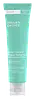
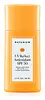
Paula's Choice Calm Barrier Protect Mineral Sunscreen SPF 30 Versus Naturium UV Reflect Antioxidant SPF 50
This hybrid sunscreen covers the full UV range and blocks ~97% of UVB at SPF 30.
This chemical sunscreen covers most of the UV range, lighter on the deep UVA that drives aging.

What's inside
What's inside
 Key Ingredients
Benefits
Concerns
Ingredients Side-by-side
Water
Skin ConditioningCaprylic/Capric Triglyceride
Masking


C12-15 Alkyl Benzoate
AntimicrobialTitanium Dioxide
Cosmetic Colorant

Zinc Oxide
Cosmetic Colorant
Ethylhexyl Methoxycrylene
Skin Conditioning
Glycerin
Humectant
Polyester-8
Skin Conditioning
Aluminum Stearate
Cosmetic ColorantC15-19 Alkane
SolventHydrogenated Lecithin
Emulsifying
Silica
Abrasive

Trehalose
Humectant
Inulin
Skin Conditioning
Alpha-Glucan Oligosaccharide
Cleansing
Ascorbyl Palmitate
Antioxidant




Tocopherol
Antioxidant


Echium Plantagineum Seed Oil
Skin Conditioning
Helianthus Annuus Seed Oil
Emollient
Simmondsia Chinensis Seed Oil
Emollient
Centella Asiatica Extract
Cleansing

Polyhydroxystearic Acid
Emulsifying
Alumina
Abrasive
Glyceryl Caprylate
EmollientHydroxyethyl Acrylate/Sodium Acryloyldimethyl Taurate Copolymer
Emulsion StabilisingLeuconostoc/Radish Root Ferment Filtrate
Antimicrobial
Ammonium Acryloyldimethyltaurate/Vp Copolymer
Caprylhydroxamic Acid
ChelatingTriethoxycaprylylsilane

Diheptyl Succinate
EmollientXanthan Gum
EmulsifyingAllantoin
Skin Conditioning
Sodium Polyacrylate
Absorbent
Sodium Hydroxide
BufferingAcacia Senegal Gum
MaskingSodium Citrate
BufferingCapryloyl Glycerin/Sebacic Acid Copolymer
Skin ConditioningPolysorbate 60
Emulsifying
Sorbitan Isostearate
Emulsifying
Glyceryl Stearate
Emollient
Lecithin
Emollient
Glyceryl Oleate
Emollient

Citric Acid
Buffering
Sodium Benzoate
Masking
Water, Caprylic/Capric Triglyceride, C12-15 Alkyl Benzoate, Titanium Dioxide, Zinc Oxide, Ethylhexyl Methoxycrylene, Glycerin, Polyester-8, Aluminum Stearate, C15-19 Alkane, Hydrogenated Lecithin, Silica, Trehalose, Inulin, Alpha-Glucan Oligosaccharide, Ascorbyl Palmitate, Tocopherol, Echium Plantagineum Seed Oil, Helianthus Annuus Seed Oil, Simmondsia Chinensis Seed Oil, Centella Asiatica Extract, Polyhydroxystearic Acid, Alumina, Glyceryl Caprylate, Hydroxyethyl Acrylate/Sodium Acryloyldimethyl Taurate Copolymer, Leuconostoc/Radish Root Ferment Filtrate, Ammonium Acryloyldimethyltaurate/Vp Copolymer, Caprylhydroxamic Acid, Triethoxycaprylylsilane, Diheptyl Succinate, Xanthan Gum, Allantoin, Sodium Polyacrylate, Sodium Hydroxide, Acacia Senegal Gum, Sodium Citrate, Capryloyl Glycerin/Sebacic Acid Copolymer, Polysorbate 60, Sorbitan Isostearate, Glyceryl Stearate, Lecithin, Glyceryl Oleate, Citric Acid, Sodium Benzoate
Butyl Methoxydibenzoylmethane 3%
UV Absorber
Homosalate 10%
Skin Conditioning
Ethylhexyl Salicylate 5%
UV Absorber
Water
Skin ConditioningIsododecane
EmollientPolymethyl Methacrylate
Butyloctyl Salicylate
Skin Conditioning
Acrylates Copolymer
Saccharomyces Ferment
Skin Conditioning
Aluminum Starch Octenylsuccinate
Absorbent
Butylene Glycol
Humectant
Polyglyceryl-6 Polyricinoleate
Emulsifying
C24-28 Alkyldimethylsiloxy Trimethylsiloxysilicate
Skin ProtectingPolyglyceryl-2 Dipolyhydroxystearate
Skin Conditioning
Disteardimonium Hectorite
StabilisingSodium Chloride
MaskingCaesalpinia Spinosa Fruit Extract
Skin ProtectingHelianthus Annuus Sprout Extract
Skin ConditioningSodium Stearoyl Glutamate
CleansingGlycine Soja Oil
Emollient


Squalane
Emollient
Raspberry Ketone
Masking
Lauroyl Lysine
Skin Conditioning
Caprylyl/Capryl Glucoside
CleansingTriethyl Citrate
Masking
Polyglyceryl-10 Dioleate
Emulsifying
Hydroxyethylcellulose
Emulsion StabilisingOctyldodecanol
Emollient
Tocopherol
Antioxidant
Sodium Phytate
ChelatingPolysorbate 60
Emulsifying
Disodium Phosphate
BufferingSodium Phosphate
BufferingSodium Benzoate
Masking
Caprylyl Glycol
Emollient
Propylene Glycol
Humectant
Citric Acid
Buffering
Phenoxyethanol
Preservative
Butyl Methoxydibenzoylmethane 3%, Homosalate 10%, Ethylhexyl Salicylate 5%, Water, Isododecane, Polymethyl Methacrylate, Butyloctyl Salicylate, Acrylates Copolymer, Saccharomyces Ferment, Aluminum Starch Octenylsuccinate, Butylene Glycol, Polyglyceryl-6 Polyricinoleate, C24-28 Alkyldimethylsiloxy Trimethylsiloxysilicate, Polyglyceryl-2 Dipolyhydroxystearate, Disteardimonium Hectorite, Sodium Chloride, Caesalpinia Spinosa Fruit Extract, Helianthus Annuus Sprout Extract, Sodium Stearoyl Glutamate, Glycine Soja Oil, Squalane, Raspberry Ketone, Lauroyl Lysine, Caprylyl/Capryl Glucoside, Triethyl Citrate, Polyglyceryl-10 Dioleate, Hydroxyethylcellulose, Octyldodecanol, Tocopherol, Sodium Phytate, Polysorbate 60, Disodium Phosphate, Sodium Phosphate, Sodium Benzoate, Caprylyl Glycol, Propylene Glycol, Citric Acid, Phenoxyethanol
Reviews
Ingredients Explained
These ingredients are found in both products.
Ingredients higher up in an ingredient list are typically present in a larger amount.
Citric Acid is an alpha hydroxy acid (AHA) naturally found in citrus fruits like oranges, lemons, and limes.
Like other AHAs, citric acid can exfoliate skin by breaking down the bonds that hold dead skin cells together. This helps reveal smoother and brighter skin underneath.
However, this exfoliating effect only happens at high concentrations (20%) which can be hard to find in cosmetic products.
Due to this, citric acid is usually included in small amounts as a pH adjuster. This helps keep products slightly more acidic and compatible with skin's natural pH.
In skincare formulas, citric acid can:
While it can provide some skin benefits, research shows lactic acid and glycolic acid are generally more effective and less irritating exfoliants.
Most citric acid used in skincare today is made by fermenting sugars (usually from molasses). This synthetic version is identical to the natural citrus form but easier to stabilize and use in formulations.
Rosacea skin has a lower threshold for acids generally, with 62.5% of rosacea subjects in one study reacting to lactic acid in a sting test. This is why we mark citric acid as a potential rosacea trigger.
However, this ingredient shows up as a pH adjuster or chelator at roughly 0.1-1% in many products. These low levels are unlikely to be an issue for rosacea skin and becomes a potential trigger at exfoliating concentrations (20%). Because everybody's skin is unique, we recommend a patch test if you are unsure.
Learn more about Citric AcidPolysorbate 60 is used to help stabilize products. It is a surfactant and emulsifier. These properties help keep ingredients together in a product. Surfactants help reduce surface tension between ingredients with different states, such as liquids and solids. Emulsifiers help prevent oils and waters from separating.
Polysorbate 60 is sorbitol-based and created from the ethoxylation of sorbitan. Ethoxylation is a chemical reaction used to add ethylene oxide. Sorbitan is a the dehydrated version of sorbitol, a sugar found in fruits.
In this case, the 60 comes from reacting 60 units of ethylene oxide with sorbitan.
Polysorbates are commonly used in medicine and foods.
Learn more about Polysorbate 60Sodium Benzoate is a preservative. It's used in both cosmetic and food products to inhibit the growth of mold and bacteria. It is typically produced synthetically.
Both the US FDA and EU Health Committee have approved the use of sodium benzoate. In the US, levels of 0.1% (of the total product) are allowed.
Sodium benzoate works as a preservative by inhibiting the growth of bacteria inside of cells. It prevents the cell from fermenting a type of sugar using an enzyme called phosphofructokinase.
It is the salt of benzoic acid. Foods containing sodium benzoate include soda, salad dressings, condiments, fruit juices, wines, and snack foods.
Studies for using ascorbic acid and sodium benzoate in cosmetics are lacking, especially in skincare routines with multiple steps.
We always recommend speaking with a professional, such as a dermatologist, if you have any concerns.
Learn more about Sodium BenzoateTocopherol is a fat-soluble antioxidant known as Vitamin E.
You'll find this ingredient in the vast majority of skincare (for good reason). It works to neutralize free radicals, or unstable molecules generated by UV exposure, pollution, and other environmental stressors, before they can cause oxidative damage to your skin cells.
Topically applied tocopherol has been shown to protect against UV damage by ramping up the skin's own natural defense enzymes.
It also acts as a skin conditioning agent; some studies show that regular topical use can improve the skin's water-binding capacity over 2-4 weeks.
This ingredient is especially loved for being a team player. When combined with Vitamin C, the photoprotective effect of both ingredients roughly doubles and the combo also helps reduce UV-induced DNA damage.
This ingredient has some brightening potential but it's more of a prevention ingredient than spot-fader. Cell studies show it can slow down melanin production but it's worth noting that it's not the most powerful brightener out there.
In formulations, it also serves as a stabilizer that helps protect other oxidation-prone ingredients from degrading.
Concentrations usually range from 0.1-1% in most leave-on products.
Learn more about TocopherolWater. It's the most common cosmetic ingredient of all. You'll usually see it at the top of ingredient lists, meaning that it makes up the largest part of the product.
So why is it so popular? Water most often acts as a solvent - this means that it helps dissolve other ingredients into the formulation.
You'll also recognize water as that liquid we all need to stay alive. If you see this, drink a glass of water. Remember to stay hydrated!
Learn more about Water

