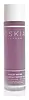
This acne exfoliator is formulated around Rosa Damascena Flower Water and Salicylic Acid to clear breakouts and calm redness.
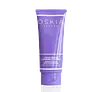
This salicylic acid gel cleanser is formulated around Salicylic Acid to clear breakouts and unclog pores.

What's inside
What's inside
 Key Ingredients
Benefits
Concerns
Ingredients Side-by-side
Rosa Damascena Flower Water
Masking

Propanediol
Solvent

Butylene Glycol
Humectant
Water
Skin ConditioningLavandula Angustifolia Flower Water
Skin Conditioning
Dimethyl Sulfone
SolventSalicylic Acid
Masking









Glycerin
Humectant
Sodium Lactate
Buffering
Panthenol
Skin Conditioning
Trehalose
Humectant
Salix Daphnoides Bud/Leaf/Stem Extract
Skin ConditioningInulin
Skin Conditioning
Aesculus Hippocastanum Seed Extract
Skin ConditioningHydroxyphenyl Propamidobenzoic Acid
Skin ConditioningOpuntia Ficus-Indica Stem Extract
Skin Conditioning
Colloidal Silver
AntimicrobialGlutamic Acid
Humectant
7-Dehydrocholesterol
Emulsion StabilisingCitrus Junos Fruit Extract
Skin ConditioningChlorella Vulgaris Extract
Skin ConditioningAllantoin
Skin Conditioning
Betaine
Humectant
Gluconolactone
Chelating
Sodium PCA
Humectant
PCA
Humectant
Serine
Masking
Alanine
Masking
Glycine
Buffering
Lysine
Skin ConditioningThreonine
Arginine
Masking
Proline
Skin Conditioning
Ascorbyl Palmitate
Antioxidant


Tocopherol
Antioxidant

Polyglyceryl-10 Caprylate
EmulsifyingGenipa Americana Fruit Extract
Skin ConditioningHydrolyzed Gardenia Florida Extract
Antioxidant
Sodium Benzoate
Masking
Pentylene Glycol
Skin Conditioning
Octyldodecanol
Emollient
Potassium Sorbate
Preservative
Leuconostoc/Radish Root Ferment Filtrate
Antimicrobial
Citric Acid
Buffering
Maltodextrin
Absorbent
Lactic Acid
Buffering
Rosa Damascena Flower Water, Propanediol, Butylene Glycol, Water, Lavandula Angustifolia Flower Water, Dimethyl Sulfone, Salicylic Acid, Glycerin, Sodium Lactate, Panthenol, Trehalose, Salix Daphnoides Bud/Leaf/Stem Extract, Inulin, Aesculus Hippocastanum Seed Extract, Hydroxyphenyl Propamidobenzoic Acid, Opuntia Ficus-Indica Stem Extract, Colloidal Silver, Glutamic Acid, 7-Dehydrocholesterol, Citrus Junos Fruit Extract, Chlorella Vulgaris Extract, Allantoin, Betaine, Gluconolactone, Sodium PCA, PCA, Serine, Alanine, Glycine, Lysine, Threonine, Arginine, Proline, Ascorbyl Palmitate, Tocopherol, Polyglyceryl-10 Caprylate, Genipa Americana Fruit Extract, Hydrolyzed Gardenia Florida Extract, Sodium Benzoate, Pentylene Glycol, Octyldodecanol, Potassium Sorbate, Leuconostoc/Radish Root Ferment Filtrate, Citric Acid, Maltodextrin, Lactic Acid
Water
Skin ConditioningCocamidopropyl Betaine
Cleansing
Glycerin
Humectant
Betaine
Humectant
Dimethyl Sulfone
SolventSodium Lauryl Sulfoacetate
CleansingGlyceryl Laurate
Emollient
Sodium Lauroyl Sarcosinate
CleansingSorbitan Stearate
Emulsifying
Sodium Cocoyl Hydrolyzed Amaranth Protein
Skin Conditioning
Panthenol
Skin Conditioning
Coco-Glucoside
Cleansing
Sclerotium Gum
Emulsion StabilisingSalicylic Acid
Masking
Potassium Azeloyl Diglycinate
Skin Conditioning
Salix Daphnoides Bud/Leaf/Stem Extract
Skin ConditioningSalix Nigra Bark Extract
Skin ProtectingInulin
Skin Conditioning
Colloidal Silver
AntimicrobialAlpha-Glucan Oligosaccharide
Cleansing
Opuntia Ficus-Indica Stem Extract
Skin Conditioning
Moringa Oleifera Seed Extract
Skin Conditioning
Chlorella Vulgaris Extract
Skin ConditioningPhytic Acid
Chelating
Lactic Acid
Buffering
Mentha Aquatica Leaf Oil
Masking
Lavandula Angustifolia Oil
Masking


Eucalyptus Globulus Leaf Oil
Perfuming
Sodium Chloride
MaskingPhenethyl Alcohol
MaskingOryza Sativa Bran Wax
Skin Conditioning
Sodium Sulfate
Maltodextrin
Absorbent
Benzyl Alcohol
Perfuming

Caprylyl Glycol
Emollient
Propanediol
Solvent
Ethylhexylglycerin
Skin ConditioningPolysorbate 60
Emulsifying
Potassium Sorbate
Preservative
Leuconostoc/Radish Root Ferment Filtrate
Antimicrobial
Citric Acid
Buffering
Sodium Benzoate
Masking
Linalool
Perfuming
Limonene
Perfuming
CI 77007
Cosmetic ColorantWater, Cocamidopropyl Betaine, Glycerin, Betaine, Dimethyl Sulfone, Sodium Lauryl Sulfoacetate, Glyceryl Laurate, Sodium Lauroyl Sarcosinate, Sorbitan Stearate, Sodium Cocoyl Hydrolyzed Amaranth Protein, Panthenol, Coco-Glucoside, Sclerotium Gum, Salicylic Acid, Potassium Azeloyl Diglycinate, Salix Daphnoides Bud/Leaf/Stem Extract, Salix Nigra Bark Extract, Inulin, Colloidal Silver, Alpha-Glucan Oligosaccharide, Opuntia Ficus-Indica Stem Extract, Moringa Oleifera Seed Extract, Chlorella Vulgaris Extract, Phytic Acid, Lactic Acid, Mentha Aquatica Leaf Oil, Lavandula Angustifolia Oil, Eucalyptus Globulus Leaf Oil, Sodium Chloride, Phenethyl Alcohol, Oryza Sativa Bran Wax, Sodium Sulfate, Maltodextrin, Benzyl Alcohol, Caprylyl Glycol, Propanediol, Ethylhexylglycerin, Polysorbate 60, Potassium Sorbate, Leuconostoc/Radish Root Ferment Filtrate, Citric Acid, Sodium Benzoate, Linalool, Limonene, CI 77007
Ingredients Explained
These ingredients are found in both products.
Ingredients higher up in an ingredient list are typically present in a larger amount.
Betaine is a humectant. Like hyaluronic acid, it helps attract and retain moisture in the skin. It’s known for being gentle and for helping the skin maintain balanced hydration.
Betaine is mainly used to improve hydration and support calmer skin. It helps skin cells regulate water balance because it functions as an osmolyte.
Some studies suggest betaine may support making skin tone more even.
Fun fact: Betaine naturally exists in the skin and the body. In cosmetic products, it can be either plant-derived (most commonly from sugar beets) or synthetically produced for consistency and stability.
Betaine is also known as trimethylglycine.
Learn more about BetaineChlorella Vulgaris Extract comes from a single-celled green freshwater algae.
The version used in skincare is almost always a water or glycerin-based extract that is basically the algae's amino acids, peptides, sugars, and chlorophyll pigments.
It acts as a skin-conditioning agent and the research behind it at this time is mostly lab-dish rather than human trials.
Isolated Chlorella peptides inhibit collagenase and elastase (the enzymes that chew up collagen and elastin) and mop up free radicals in test-tube assays. Another study found a Chlorella gel sped up wound healing in mice. Many of the firming or dark-circle claims come from the ingredient supplier's own studies.
Suppliers suggest using 1-2% of the trade version (Water/Glycerin + Chlorella Vulgaris Extract) in a finished formula which means the actual algae solids are a fraction of a percent.
Allergy risk is low and topical reactions are rare; the 2020 anaphylaxis case came from eating Chlorella supplements and not from putting it on skin.
However, patch testing is sensible if you have reacted to algae before.
The "chlorella is high in iodine so it breaks you out" line borrows from marine seaweed. Freshwater Chlorella isn't a notable iodine source unless it's deliberately grown in iodine-enriched medium.
Just so you know, many lists give algae a comedogenic rating of 5 and that number doesn't come from anywhere; it's not in the original rabbit-ear studies that most comedogenic ratings trace back to.
The reasoning behind the reputation is that seaweed is high in iodine and iodine can trigger acne-like breakouts when eaten. This traces back to a 1976 letter in Archives of Dermatology describing two women whose breakouts cleared after they stopped taking high-dose kelp supplements orally.
And the reaction of these two women wasn't clogged pores at all: it was an iodine-triggered pustular rash. Later research found normal dietary iodine doesn't meaningfully affect acne either and nobody has shown topical algae delivers enough iodine to matter.
Learn more about Chlorella Vulgaris ExtractCitric Acid is an alpha hydroxy acid (AHA) naturally found in citrus fruits like oranges, lemons, and limes.
Like other AHAs, citric acid can exfoliate skin by breaking down the bonds that hold dead skin cells together. This helps reveal smoother and brighter skin underneath.
However, this exfoliating effect only happens at high concentrations (20%) which can be hard to find in cosmetic products.
Due to this, citric acid is usually included in small amounts as a pH adjuster. This helps keep products slightly more acidic and compatible with skin's natural pH.
In skincare formulas, citric acid can:
While it can provide some skin benefits, research shows lactic acid and glycolic acid are generally more effective and less irritating exfoliants.
Most citric acid used in skincare today is made by fermenting sugars (usually from molasses). This synthetic version is identical to the natural citrus form but easier to stabilize and use in formulations.
Rosacea skin has a lower threshold for acids generally, with 62.5% of rosacea subjects in one study reacting to lactic acid in a sting test. This is why we mark citric acid as a potential rosacea trigger.
However, this ingredient shows up as a pH adjuster or chelator at roughly 0.1-1% in many products. These low levels are unlikely to be an issue for rosacea skin and becomes a potential trigger at exfoliating concentrations (20%). Because everybody's skin is unique, we recommend a patch test if you are unsure.
Learn more about Citric AcidColloidal Silver is mixture of tiny silver particles in a liquid base. It has antimicrobial properties.
Silver ions work by disrupting the cell membranes of bacteria that ultimately leads to cell death; this is why you'll see it appear in wound dressings, acne treatments, and products for acne-prone skin.
Silver nanoparticle gel performed comparably to the antiobiotic clindamcyin in a double-blinded, randomized study for treating moderate acne (both were combined with benzoyl peroxide).
It should be noted the overall body of clinical evidence is still pretty thin, and some in-vitro studies have found that commercially available colloidal silver solutions didn't actually show antimicrobial activity against tested organisms.
The most well-known risk of using this ingredient is argyria. Argyria is the condition where silver builds up in the body's tissues and causes a permanent bluish-gray skin discoloration (and this is mostly associated with oral ingestion rather than topical use).
The FDA ruled in 1999 that over-the-counter colloidal silver products are not generally recognized as safe and effective and the NCCIH notes that silver has no known beneficial function in the body and is not an essential mineral.
It's a good idea to talk to a dermatologist first and stick to well-formulated topical products if you're considering a colloidal silver skincare product.
Learn more about Colloidal SilverDimethyl Sulfone is an organic compound that naturally contains sulfur. It is used as a solvent due to its stability. Solvents help mix and stabilize other ingredients.
Studies show taking Dimethyl Sulfone (also known as methylsulfonylmethane or MSM) orally may help reduce the depth of wrinkles. We recommend speaking with a professional if you have any questions or concerns about this ingredient.
Glycerin (or glycerol) is a compound naturally found in your skin. It's a powerhouse humectant that pulls water into the stratum corneum.
Topically, glycerin does several things at once:
Your skin makes glycerin on its own (mostly from sebaceous oil breakdown) and shuttles it to your outermost layer of skin, or your epidermis, via aquaporin-3.
Aquaporin-3 is a transporter that is essential for normal skin hydration, elasticity, and repair. Interestingly, mice lacking in AQP3 have dry and less elastic skin that can be fully corrected with glycerin.
This ingredient is non-irritating, plays well with almost every ingredient, and works across all skin types. Typical use is anywhere between 3-10% but can go up to 79% in some leave-on products.
Just know very high concentrations (>40%) can feel tacky in low humidity.
Glycerin is the name for this ingredient in American English. British English uses Glycerol/Glycerine.
Learn more about GlycerinInulin is a polysaccharide (carbohydrate) with prebiotic and antioxidant properties.
The majority of inulin is extracted from chicory, but can also be obtained from other plants such as garlic, onion, asparagus, and sugarcane.
Studies show inulin may help with controlling your skin's natural microbiota when applied topically.
The antioxidant potential of inulin varies depending on the source.
Learn more about InulinLactic Acid is another well-loved alpha hydroxy acid (AHA). It is gentler than glycolic acid but still highly effective.
Its main role is to exfoliate the surface of the skin by loosening the “glue” that holds dead skin cells together. Shedding those old cells leads to smoother, softer, and more even-toned skin.
Because lactic acid molecules are larger than glycolic acid, they don’t penetrate as deeply. This means they’re less likely to sting or irritate, making it a great choice for beginners or those with sensitive skin.
Like glycolic acid, it can:
Lactic acid also acts as a humectant (like hyaluronic acid). It can draw water into the skin to improve hydration and also plays a role in the skin's natural moisturizing factor (NMF) in the form of sodium lactate.
Studies show it can boost ceramide production to strengthen the skin barrier and even help balance the skin’s microbiome.
To get results, choose products with a pH between 3-4.
Lower strengths (5-12%) focus on surface exfoliation; higher strengths (12% and up) can reach deeper in the dermis (deeper, supportive layer) to improve skin texture and firmness over time.
Though it was originally derived from milk, most modern lactic acid used in skincare is vegan. It is made through non-dairy fermentation to create a bio-identical and stable form suitable for all formulations.
When lactic acid shows up near the end of an ingredient list, it usually means the brand added just a tiny amount to adjust the product’s pH.
Legend has it that Cleopatra used to bathe in sour milk to help reduce wrinkles.
Lactic acid is truly a gentle multitasker: it exfoliates, hydrates, strengthens, and brightens. It's a great ingredient for giving your skin a smooth, glowing, and healthy look without the harshness of stronger acids.
Read more about some other popular AHA's here:
Learn more about Lactic AcidLeuconostoc/Radish Root Ferment Filtrate is a natural preservative. It comes from fermenting radish roots with a bacteria called leuconostoc. The trade name for this ingredient is Leucidal.
Leuconostoc comes from lactic acid.
This ingredient has antimicrobial properties and helps prevent the growth of bacteria in a product.
Leuconostoc is used to make the traditional Korean side-dish, kimchi. It is also used to make sourdough bread (both incredibly yummy foods).
Learn more about Leuconostoc/Radish Root Ferment FiltrateMaltodextrin is a plant-derived carbohydrate made by breaking down starch (usually from corn, potato, or rice). In cosmetic formulas, it's a multitasking absorbent, emulsion stabilizer, and skin conditioner.
This ingredient is mostly used to stabilize emulsions and improve the powdery, non-greasy feel of products (like dry shampoos).
Safety-wise, this ingredient is pretty solid; it's even recognized as a food additive. Both animal and clinical studies found no adverse effects at the levels used in cosmetics.
Industry data shows this ingredient is used up to 45.7% in spray products and up to 33% in powder products.
Learn more about MaltodextrinThis ingredient comes from the stem of the Prickly Pear cactus. The stem is rich in polyphenols, a potent source of antioxidants. It is anti-aging and soothing properties.
Prickly Pear stem is made up mostly of water (85%). The rest is composed of skin nourishing compounds: protein, fiber, fatty acid, simple sugars, Vitamin C, and some minerals.
Polyphenols help mitigate the effects of aging. Studies show polyphenols protect the skin from oxidative stress, UV-induced damage, and inflammation.
Prickly pear is often compared to Aloe.
Learn more about Opuntia Ficus-Indica Stem ExtractPanthenol is a common ingredient that helps hydrate and soothe the skin. It is found naturally in our skin and hair.
There are two forms of panthenol: D and L.
D-panthenol is also known as dexpanthenol. Most cosmetics use dexpanthenol or a mixture of D and L-panthenol.
Panthenol is famous due to its ability to go deeper into the skin's layers. Using this ingredient has numerous pros (and no cons):
Like hyaluronic acid, panthenol is a humectant. Humectants are able to bind and hold large amounts of water to keep skin hydrated.
This ingredient works well for wound healing. It works by increasing tissue in the wound and helps close open wounds.
Once oxidized, panthenol converts to pantothenic acid. Panthothenic acid is found in all living cells.
This ingredient is also referred to as pro-vitamin B5.
Learn more about PanthenolPotassium Sorbate is a preservative used to prevent yeast and mold in products. It is commonly found in both cosmetic and food products.
This ingredient comes from potassium salt derived from sorbic acid. Sorbic acid is a natural antibiotic and effective against fungus.
Both potassium sorbate and sorbic acid can be found in baked goods, cheeses, dried meats, dried fruit, ice cream, pickles, wine, yogurt, and more.
You'll often find this ingredient used with other preservatives.
Learn more about Potassium SorbatePropanediol is an all-star ingredient. It softens, hydrates, and smooths the skin.
It’s often used to:
Propanediol is not likely to cause sensitivity and considered safe to use. It is derived from corn or petroleum with a clear color and no scent.
Learn more about PropanediolSalicylic Acid (also known as beta hydroxy acid or BHA) is a well-known ingredient for treating skin that struggles with acne and clogged pores. It exfoliates both the skin's surface and deep within the pores to help clear out buildup, control oil, and reduce inflammation.
Unlike AHAs (alpha hydroxy acids), salicylic acid is oil-soluble. This allows it to penetrate into pores which makes it especially effective for treating blackheads and preventing future breakouts.
Salicylic acid is also known for its soothing properties. It has a similar structure to aspirin and can calm inflamed or irritated skin, making it a good option for acne-prone skin that is also sensitive.
Concentrations of 0.5-2% are recognized by the U.S. FDA as an over-the-counter topical acne product.
It can cause irritation and/or dryness if one's skin already has a compromised moisture barrier, so it's best to focus on repairing that before introducing this ingredient into your routine.
While salicylic acid does not increase sun sensitivity, it’s still important to wear sunscreen daily to protect your skin.
If you are looking for the ingredient called BHA or Butylated Hydroxyanisole, click here.
Learn more about Salicylic AcidWe don't have a description for Salix Daphnoides Bud/Leaf/Stem Extract yet.
Sodium Benzoate is a preservative. It's used in both cosmetic and food products to inhibit the growth of mold and bacteria. It is typically produced synthetically.
Both the US FDA and EU Health Committee have approved the use of sodium benzoate. In the US, levels of 0.1% (of the total product) are allowed.
Sodium benzoate works as a preservative by inhibiting the growth of bacteria inside of cells. It prevents the cell from fermenting a type of sugar using an enzyme called phosphofructokinase.
It is the salt of benzoic acid. Foods containing sodium benzoate include soda, salad dressings, condiments, fruit juices, wines, and snack foods.
Studies for using ascorbic acid and sodium benzoate in cosmetics are lacking, especially in skincare routines with multiple steps.
We always recommend speaking with a professional, such as a dermatologist, if you have any concerns.
Learn more about Sodium BenzoateWater. It's the most common cosmetic ingredient of all. You'll usually see it at the top of ingredient lists, meaning that it makes up the largest part of the product.
So why is it so popular? Water most often acts as a solvent - this means that it helps dissolve other ingredients into the formulation.
You'll also recognize water as that liquid we all need to stay alive. If you see this, drink a glass of water. Remember to stay hydrated!
Learn more about Water

