
What's inside
What's inside
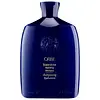 Key Ingredients
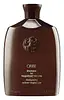
Benefits
Concerns
Ingredients Side-by-side
Water
Skin ConditioningSodium Cocoyl Isethionate
Cleansing
Sodium Lauroyl Methyl Isethionate
CleansingCocamide Mipa
Emulsifying
Dimethicone
Emollient

Propanediol
Solvent

Polyglyceryl-3 Laurate
EmulsifyingSodium Lauroyl Sarcosinate
CleansingPentylene Glycol
Skin Conditioning
Glycerin
Humectant
Acrylates/Beheneth-25 Methacrylate Copolymer
Parfum
Masking




Glycol Distearate
Emollient
Sodium Lauroamphoacetate
CleansingAmodimethicone
Sodium PCA
Humectant
Guar Hydroxypropyltrimonium Chloride
Skin ConditioningSorbeth-230 Tetraoleate
Emulsifying
Divinyldimethicone/Dimethicone Copolymer
Caprylyl Glycol
Emollient
Sodium Benzoate
Masking
Chlorphenesin
Antimicrobial
Polyquaternium-113
Trisodium Ethylenediamine Disuccinate
Ethylhexylglycerin
Skin ConditioningPolyquaternium-7
Sodium Phytate
Quaternium-95
UV AbsorberDecyl Glucoside
Cleansing
Panthenol
Skin Conditioning
Vaccinium Macrocarpon Fruit Extract
AstringentSimmondsia Chinensis Seed Oil
Emollient
Laureth-23
Cleansing
Laureth-4
Emulsifying
Cetrimonium Chloride
Antimicrobial
Dimethiconol
Emollient
Trideceth-15
EmulsifyingTrideceth-3
EmulsifyingSorbitan Laurate
Emulsifying
Hydrolyzed Vegetable Protein
Skin ConditioningLauryl Glucoside
CleansingPhenoxyethanol
Preservative
Fumaric Acid
BufferingRosmarinus Officinalis Leaf Extract
AntimicrobialC12-13 Alketh-23
CleansingC12-13 Alketh-3
EmulsifyingSalicylic Acid
Masking






Citrullus Lanatus Seed Oil
Emollient
Litchi Chinensis Fruit Extract
Skin ConditioningVaccinium Macrocarpon Seed Oil
Skin Conditioning
Stearic Acid
Cleansing
Leontopodium Alpinum Flower/Leaf Extract
Skin ConditioningAcetic Acid
BufferingGlyceryl Caprylate
EmollientSodium Metabisulfite
Antioxidant
Citric Acid
Buffering
Pentaerythrityl Tetra-Di-T-Butyl Hydroxyhydrocinnamate
Antioxidant
Potassium Hydroxide
BufferingHexyl Cinnamal
Perfuming
Limonene
Perfuming
Linalool
Perfuming
Water, Sodium Cocoyl Isethionate, Sodium Lauroyl Methyl Isethionate, Cocamide Mipa, Dimethicone, Propanediol, Polyglyceryl-3 Laurate, Sodium Lauroyl Sarcosinate, Pentylene Glycol, Glycerin, Acrylates/Beheneth-25 Methacrylate Copolymer, Parfum, Glycol Distearate, Sodium Lauroamphoacetate, Amodimethicone, Sodium PCA, Guar Hydroxypropyltrimonium Chloride, Sorbeth-230 Tetraoleate, Divinyldimethicone/Dimethicone Copolymer, Caprylyl Glycol, Sodium Benzoate, Chlorphenesin, Polyquaternium-113, Trisodium Ethylenediamine Disuccinate, Ethylhexylglycerin, Polyquaternium-7, Sodium Phytate, Quaternium-95, Decyl Glucoside, Panthenol, Vaccinium Macrocarpon Fruit Extract, Simmondsia Chinensis Seed Oil, Laureth-23, Laureth-4, Cetrimonium Chloride, Dimethiconol, Trideceth-15, Trideceth-3, Sorbitan Laurate, Hydrolyzed Vegetable Protein, Lauryl Glucoside, Phenoxyethanol, Fumaric Acid, Rosmarinus Officinalis Leaf Extract, C12-13 Alketh-23, C12-13 Alketh-3, Salicylic Acid, Citrullus Lanatus Seed Oil, Litchi Chinensis Fruit Extract, Vaccinium Macrocarpon Seed Oil, Stearic Acid, Leontopodium Alpinum Flower/Leaf Extract, Acetic Acid, Glyceryl Caprylate, Sodium Metabisulfite, Citric Acid, Pentaerythrityl Tetra-Di-T-Butyl Hydroxyhydrocinnamate, Potassium Hydroxide, Hexyl Cinnamal, Limonene, Linalool
Water
Skin ConditioningDisodium Laureth Sulfosuccinate
CleansingSodium Lauroyl Sarcosinate
CleansingSodium Lauryl Sulfoacetate
CleansingCocamide Mea
Emulsifying
Cocamidopropyl Hydroxysultaine
Cleansing
Decyl Glucoside
Cleansing
Polyglyceryl-3 Laurate
EmulsifyingSodium Lauroyl Lactylate
EmulsifyingCocoglucosides Hydroxypropyltrimonium Chloride
CleansingGlycerin
Humectant
Behentrimonium Chloride
Preservative
Rice Oil Glycereth-8 Esters
Cleansing
Methoxy PEG/PPG-7/3 Aminopropyl Dimethicone
Panthenol
Skin Conditioning
Hydrolyzed Vegetable Protein Pg-Propyl Silanetriol
Skin ConditioningSerenoa Serrulata Fruit Extract
Skin Conditioning
Litchi Chinensis Pericarp Extract
Skin ConditioningHydrolyzed Lupine Protein
Skin ConditioningKaempferia Galanga Root Extract
Skin ConditioningLeontopodium Alpinum Extract
Skin ConditioningStyrax Benzoin Resin Extract
Masking
Citrullus Lanatus Fruit Extract
Skin Conditioning
Moringa Oleifera Seed Extract
Skin Conditioning
Butylene Glycol
Humectant
Quaternium-95
UV AbsorberHydrolyzed Keratin
Humectant
Keratin
Skin ConditioningOctocrylene
UV Absorber

Butyl Methoxydibenzoylmethane
UV Absorber
Inulin Lauryl Carbamate
Emulsion StabilisingCaprylic/Capric Triglyceride
Masking
Sucrose Laurate
Emollient
Propanediol
Solvent
Citric Acid
Buffering
PEG-150 Distearate
Emulsifying
Disodium EDTA
BHT
Antioxidant
Phenoxyethanol
Preservative
Potassium Sorbate
Preservative
Sodium Benzoate
Masking
Chlorphenesin
Antimicrobial
Methylisothiazolinone
Preservative
Parfum
Masking
Hexyl Cinnamal
Perfuming
Limonene
Perfuming
Water, Disodium Laureth Sulfosuccinate, Sodium Lauroyl Sarcosinate, Sodium Lauryl Sulfoacetate, Cocamide Mea, Cocamidopropyl Hydroxysultaine, Decyl Glucoside, Polyglyceryl-3 Laurate, Sodium Lauroyl Lactylate, Cocoglucosides Hydroxypropyltrimonium Chloride, Glycerin, Behentrimonium Chloride, Rice Oil Glycereth-8 Esters, Methoxy PEG/PPG-7/3 Aminopropyl Dimethicone, Panthenol, Hydrolyzed Vegetable Protein Pg-Propyl Silanetriol, Serenoa Serrulata Fruit Extract, Litchi Chinensis Pericarp Extract, Hydrolyzed Lupine Protein, Kaempferia Galanga Root Extract, Leontopodium Alpinum Extract, Styrax Benzoin Resin Extract, Citrullus Lanatus Fruit Extract, Moringa Oleifera Seed Extract, Butylene Glycol, Quaternium-95, Hydrolyzed Keratin, Keratin, Octocrylene, Butyl Methoxydibenzoylmethane, Inulin Lauryl Carbamate, Caprylic/Capric Triglyceride, Sucrose Laurate, Propanediol, Citric Acid, PEG-150 Distearate, Disodium EDTA, BHT, Phenoxyethanol, Potassium Sorbate, Sodium Benzoate, Chlorphenesin, Methylisothiazolinone, Parfum, Hexyl Cinnamal, Limonene
Ingredients Explained
These ingredients are found in both products.
Ingredients higher up in an ingredient list are typically present in a larger amount.
Chlorphenesin is a synthetic preservative. It helps protect a product against bacteria in order to extend shelf life. In most cases, Chlorphenesin is paired with other preservatives such as phenoxyethanol and caprylyl glycol.
Chlorphenesin is a biocide. This means it is able to help fight the microorganisms on our skin. It is also able to fight odor-releasing bacteria.
Chlorphenesin is soluble in both water and glycerin.
Studies show Chlorphenesin is easily absorbed by our skin. You should speak with a skincare professional if you have concerns about using Chlorphenesin.
Learn more about ChlorphenesinCitric Acid is an alpha hydroxy acid (AHA) naturally found in citrus fruits like oranges, lemons, and limes.
Like other AHAs, citric acid can exfoliate skin by breaking down the bonds that hold dead skin cells together. This helps reveal smoother and brighter skin underneath.
However, this exfoliating effect only happens at high concentrations (20%) which can be hard to find in cosmetic products.
Due to this, citric acid is usually included in small amounts as a pH adjuster. This helps keep products slightly more acidic and compatible with skin's natural pH.
In skincare formulas, citric acid can:
While it can provide some skin benefits, research shows lactic acid and glycolic acid are generally more effective and less irritating exfoliants.
Most citric acid used in skincare today is made by fermenting sugars (usually from molasses). This synthetic version is identical to the natural citrus form but easier to stabilize and use in formulations.
Read more about some other popular AHA's here:
Learn more about Citric AcidDecyl Glucoside is a plant-derived surfactant and emulsion stabilizer. It is created by reacting glucose with the fatty acids from plants.
Like all surfactants, it works by lowering the surface tension between water and oil. This makes it so that dirt, sebum, and makeup can be lifted off your skin and rinsed away. It also produces a dense and creamy foam.
Because it has a neutral charge, it is compatible with a wide range of ingredients and stays stable across a broad pH range/water hardiness conditions.
Patch testing has shown it to have the lowest irritation potential among common cleansing surfactants (like SLS).
Typical use levels range from 5-20% in rinse-off cleansers.
One thing worth knowing: The American Contact Dermatitis Society named the parent family, alkyl glucosides, "Allergen of the Year" in 2017. The prevalence of allergy is pretty low but be sure to patch test if you've reacted to "gentle" or sulfate-free cleansers before.
This ingredient is fungal acne safe because the fatty alcohol portion of this ingredient is not within the C11-24 chain length that Malassezia can metabolize.
Learn more about Decyl GlucosideGlycerin (or glycerol) is a compound naturally found in your skin. It's a powerhouse humectant that pulls water into the stratum corneum.
Topically, glycerin does several things at once:
Your skin makes glycerin on its own (mostly from sebaceous oil breakdown) and shuttles it to your outermost layer of skin, or your epidermis, via aquaporin-3.
Aquaporin-3 is a transporter that is essential for normal skin hydration, elasticity, and repair. Interestingly, mice lacking in AQP3 have dry and less elastic skin that can be fully corrected with glycerin.
This ingredient is non-irritating, plays well with almost every ingredient, and works across all skin types. Typical use is anywhere between 3-10% but can go up to 79% in some leave-on products.
Just know very high concentrations (>40%) can feel tacky in low humidity.
Glycerin is the name for this ingredient in American English. British English uses Glycerol/Glycerine.
Learn more about GlycerinHexyl Cinnamal is a fragrance ingredient with a similar scent to jasmine. It can be naturally found in chamomile essential oil.
This ingredient is a known EU allergen and may sensitize the skin. The EU requires this ingredient to be listed separately on an ingredients list.
Hexyl Cinnamal is not water soluble but is soluble in oils.
Learn more about Hexyl CinnamalLimonene is a fragrance that adds scent and taste to a formulation.
It's found in the peel oil of citrus fruits and other plants such as lavender and eucalyptus. The scent of limonene is generally described as "sweet citrus".
Limonene acts as an antioxidant, meaning it helps neutralize free radicals.
When exposed to air, oxidized limonene may sensitize the skin. Because of this, limonene is often avoided by people with sensitive skin.
The term 'fragrance' is not regulated in many countries. In many cases, it is up to the brand to define this term. For instance, many brands choose to label themselves as "fragrance-free" because they are not using synthetic fragrances. However, their products may still contain ingredients such as essential oils that are considered a fragrance.
Learn more about LimonenePanthenol is a common ingredient that helps hydrate and soothe the skin. It is found naturally in our skin and hair.
There are two forms of panthenol: D and L.
D-panthenol is also known as dexpanthenol. Most cosmetics use dexpanthenol or a mixture of D and L-panthenol.
Panthenol is famous due to its ability to go deeper into the skin's layers. Using this ingredient has numerous pros (and no cons):
Like hyaluronic acid, panthenol is a humectant. Humectants are able to bind and hold large amounts of water to keep skin hydrated.
This ingredient works well for wound healing. It works by increasing tissue in the wound and helps close open wounds.
Once oxidized, panthenol converts to pantothenic acid. Panthothenic acid is found in all living cells.
This ingredient is also referred to as pro-vitamin B5.
Learn more about PanthenolParfum is a catch-all term for an ingredient or more that is used to give a scent to products.
Also called "fragrance", this ingredient can be a blend of hundreds of chemicals or plant oils. This means every product with "fragrance" or "parfum" in the ingredients list is a different mixture.
For instance, Habanolide is a proprietary trade name for a specific aroma chemical. When used as a fragrance ingredient in cosmetics, most aroma chemicals fall under the broad labeling category of “FRAGRANCE” or “PARFUM” according to EU and US regulations.
The term 'parfum' or 'fragrance' is not regulated in many countries. In many cases, it is up to the brand to define this term.
For instance, many brands choose to label themselves as "fragrance-free" because they are not using synthetic fragrances. However, their products may still contain ingredients such as essential oils that are considered a fragrance by INCI standards.
One example is Calendula flower extract. Calendula is an essential oil that still imparts a scent or 'fragrance'.
Depending on the blend, the ingredients in the mixture can cause allergies and sensitivities on the skin. Some ingredients that are known EU allergens include linalool and citronellol.
Parfum can also be used to mask or cover an unpleasant scent.
The bottom line is: not all fragrances/parfum/ingredients are created equally. If you are worried about fragrances, we recommend taking a closer look at an ingredient. And of course, we always recommend speaking with a professional.
Learn more about ParfumPhenoxyethanol is one of the most widely used preservatives in skincare (and for good reason!).
It has a large spectrum of antimicrobial activity and especially effective bacteria, yeast, and mold while only having a weak effect on your skin's natural microbiome.
On a cellular level, it disrupts the cell membranes of microbes by poking holes that make the cell leak. This shuts down the chemical reactions the microbe needs to make energy so it can no longer survive.
Another perk of this ingredient is that it stays functional across a wide pH range (3-10).
You'll often see it paired with boosters like Ethylhexylglycerin; one study showed that a 1:9 ratio of Ethylhexylglycerin to Phenoxyethanol damages bacterial membranes as effectively as doubling the Phenoxyethanol concentration on its own.
Typical use concentrations range from 0.3-1% depending on the formula, and this ingredient is capped at 1% int the EU.
Safety-wise, the fear mongering does not hold up to the evidence. The EU's Scientific Committee on Consumer Safety and FDA consider it safe as a preservative at up to 1%, including for children of all ages.
Adverse systemic effects only showed up in animal studies at exposures roughly 200x higher than what people get from cosmetics. And despite its very widespread use, this ingredient is a rare sensitizer and allergic reactions are uncommon.
Learn more about PhenoxyethanolWe don't have a description for Polyglyceryl-3 Laurate yet.
Propanediol is an all-star ingredient. It softens, hydrates, and smooths the skin.
It’s often used to:
Propanediol is not likely to cause sensitivity and considered safe to use. It is derived from corn or petroleum with a clear color and no scent.
Learn more about PropanediolWe don't have a description for Quaternium-95 yet.
Sodium Benzoate is a preservative. It's used in both cosmetic and food products to inhibit the growth of mold and bacteria. It is typically produced synthetically.
Both the US FDA and EU Health Committee have approved the use of sodium benzoate. In the US, levels of 0.1% (of the total product) are allowed.
Sodium benzoate works as a preservative by inhibiting the growth of bacteria inside of cells. It prevents the cell from fermenting a type of sugar using an enzyme called phosphofructokinase.
It is the salt of benzoic acid. Foods containing sodium benzoate include soda, salad dressings, condiments, fruit juices, wines, and snack foods.
Studies for using ascorbic acid and sodium benzoate in cosmetics are lacking, especially in skincare routines with multiple steps.
We always recommend speaking with a professional, such as a dermatologist, if you have any concerns.
Learn more about Sodium BenzoateSodium Lauroyl Sarcosinate is a cleansing agent and emulsifier. It is a surfactant derived from sarcosine, and a common source is coconut oil.
As a surfactant, Sodium Lauroyl Sarcosinate helps lift dirts, oil, and other molecules to be washed away. In leave-on products, this ingredient is used as an emulsifier. Emulsifier help prevent ingredients such as oils and waters from separating.
Sodium Lauroyl Sarcosinate is also commonly found as a foaming agent in shampoo, toothpaste, and shaving foam. It is amphiphilic, meaning it loves both water and fats.
Learn more about Sodium Lauroyl SarcosinateWater. It's the most common cosmetic ingredient of all. You'll usually see it at the top of ingredient lists, meaning that it makes up the largest part of the product.
So why is it so popular? Water most often acts as a solvent - this means that it helps dissolve other ingredients into the formulation.
You'll also recognize water as that liquid we all need to stay alive. If you see this, drink a glass of water. Remember to stay hydrated!
Learn more about Water

