

What's inside
What's inside
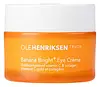 Key Ingredients
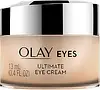
Benefits
Concerns
Ingredients Side-by-side
Water
Skin ConditioningSimmondsia Chinensis Seed Oil
Emollient




Butyrospermum Parkii Butter
Skin Conditioning

Isododecane
EmollientCoconut Alkanes
Emollient
3-O-Ethyl Ascorbic Acid
Skin Conditioning




Cetearyl Alcohol
Emollient
Glycerin
Humectant
C18-38 Alkyl Hydroxystearoyl Stearate
EmollientDilinoleic Acid/Propanediol Copolymer
EmollientPolymethylsilsesquioxane

Cocoyl Proline
Skin Conditioning
Dimethicone Crosspolymer
Emulsion Stabilising
Pentaerythrityl Tetraisostearate
Emollient
Tetrahexyldecyl Ascorbate
Antioxidant
Ascorbic Acid
Antioxidant

Gold
Cosmetic ColorantGlutathione
Citrus Nobilis Fruit Extract
MaskingCitrus Paradisi Peel Extract
Perfuming
Glucosyl Hesperidin
HumectantTocopherol
Antioxidant
Tamarindus Indica Seed Polysaccharide
Skin ConditioningPoncirus Trifoliata Fruit Extract
Skin ConditioningMorus Alba Root Extract
BleachingLinoleic Acid
Cleansing
Linolenic Acid
Cleansing
Jojoba Esters
Emollient
Caprylyl Glycol
Emollient
Coco-Caprylate/Caprate
Emollient
Propanediol
Solvent
Polyglyceryl-3 Cocoate
Emulsifying
Polyglyceryl-4 Caprate
EmulsifyingPolyglyceryl-6 Caprylate
EmulsifyingPolyglyceryl-6 Ricinoleate
Emulsifying
Hdi/Trimethylol Hexyllactone Crosspolymer
Polyacrylate-13
Butylene Glycol
Humectant
Polyglyceryl-3 Stearate
Emulsifying
Polysorbate 20
Emulsifying
Sodium Citrate
BufferingPolyisobutene
Beheneth-5
EmulsifyingAcrylates/C10-30 Alkyl Acrylate Crosspolymer
Emulsion StabilisingBehenyl Alcohol
Emollient
Sodium Hydroxide
BufferingSorbic Acid
Preservative
Sorbitan Isostearate
Emulsifying
Citric Acid
Buffering

Hydrolyzed Vegetable Protein
Skin ConditioningStearic Acid
Cleansing
Palmitic Acid
Emollient
Oleic Acid
Emollient
Sorbitol
Humectant
Silica
Abrasive

Sodium Benzoate
Masking
1,2-Hexanediol
Skin Conditioning
Xanthan Gum
EmulsifyingPhenoxyethanol
Preservative
Leuconostoc/Radish Root Ferment Filtrate
Antimicrobial
Mica
Cosmetic ColorantTitanium Dioxide
Cosmetic Colorant

CI 77891
Cosmetic ColorantCI 77491
Cosmetic ColorantWater, Simmondsia Chinensis Seed Oil, Butyrospermum Parkii Butter, Isododecane, Coconut Alkanes, 3-O-Ethyl Ascorbic Acid, Cetearyl Alcohol, Glycerin, C18-38 Alkyl Hydroxystearoyl Stearate, Dilinoleic Acid/Propanediol Copolymer, Polymethylsilsesquioxane, Cocoyl Proline, Dimethicone Crosspolymer, Pentaerythrityl Tetraisostearate, Tetrahexyldecyl Ascorbate, Ascorbic Acid, Gold, Glutathione, Citrus Nobilis Fruit Extract, Citrus Paradisi Peel Extract, Glucosyl Hesperidin, Tocopherol, Tamarindus Indica Seed Polysaccharide, Poncirus Trifoliata Fruit Extract, Morus Alba Root Extract, Linoleic Acid, Linolenic Acid, Jojoba Esters, Caprylyl Glycol, Coco-Caprylate/Caprate, Propanediol, Polyglyceryl-3 Cocoate, Polyglyceryl-4 Caprate, Polyglyceryl-6 Caprylate, Polyglyceryl-6 Ricinoleate, Hdi/Trimethylol Hexyllactone Crosspolymer, Polyacrylate-13, Butylene Glycol, Polyglyceryl-3 Stearate, Polysorbate 20, Sodium Citrate, Polyisobutene, Beheneth-5, Acrylates/C10-30 Alkyl Acrylate Crosspolymer, Behenyl Alcohol, Sodium Hydroxide, Sorbic Acid, Sorbitan Isostearate, Citric Acid, Hydrolyzed Vegetable Protein, Stearic Acid, Palmitic Acid, Oleic Acid, Sorbitol, Silica, Sodium Benzoate, 1,2-Hexanediol, Xanthan Gum, Phenoxyethanol, Leuconostoc/Radish Root Ferment Filtrate, Mica, Titanium Dioxide, CI 77891, CI 77491
Water
Skin ConditioningVinyl Dimethicone/Methicone Silsesquioxane Crosspolymer
Glycerin
Humectant
Niacinamide
Smoothing

Isohexadecane
EmollientIsopropyl Isostearate
Emollient
Stearyl Alcohol
Emollient
Palmitoyl Pentapeptide-4
Skin Conditioning
Dimethicone
Emollient
C13-14 Isoparaffin
Emollient
Dimethiconol
Emollient
Cetearyl Glucoside
Emulsifying
Cetearyl Alcohol
Emollient
Laureth-7
EmulsifyingStearic Acid
Cleansing
Palmitic Acid
Emollient
Cetyl Alcohol
Emollient
Behenyl Alcohol
Emollient
Disodium EDTA
Polyacrylamide
PEG-100 Stearate
Surfactant
Titanium Dioxide
Cosmetic Colorant
Benzyl Alcohol
Perfuming



Methylparaben
Preservative
Propylparaben
Preservative
Ethylparaben
Preservative
Iron Oxides
Water, Vinyl Dimethicone/Methicone Silsesquioxane Crosspolymer, Glycerin, Niacinamide, Isohexadecane, Isopropyl Isostearate, Stearyl Alcohol, Palmitoyl Pentapeptide-4, Dimethicone, C13-14 Isoparaffin, Dimethiconol, Cetearyl Glucoside, Cetearyl Alcohol, Laureth-7, Stearic Acid, Palmitic Acid, Cetyl Alcohol, Behenyl Alcohol, Disodium EDTA, Polyacrylamide, PEG-100 Stearate, Titanium Dioxide, Benzyl Alcohol, Methylparaben, Propylparaben, Ethylparaben, Iron Oxides
Reviews
Ingredients Explained
These ingredients are found in both products.
Ingredients higher up in an ingredient list are typically present in a larger amount.
Behenyl Alcohol is a type of fatty alcohol (these are different from the drying, solvent alcohols).
Fatty Alcohols have hydrating properties and are most often used as an emollient or to thicken a product. They are usually derived from natural fats and oils; behenyl alcohol is derived from the fats of vegetable oils.
Emollients help keep your skin soft and hydrated by creating a film that traps moisture in.
In 2000, Behenyl Alcohol was approved by the US as medicine to reduce the duration of cold sores.
Learn more about Behenyl AlcoholCetearyl alcohol is a waxy mixture of two fatty alcohols: cetyl alcohol and stearyl alcohol. It is an emollient and emulsifier.
Despite having "alcohol" in its name, it has nothing to do with drying solvent alcohols; the FDA also allows "alcohol-free" products to contain fatty alcohols like this ingredient.
It plays several roles in a formula:
Typical use levels for this ingredient sit around 1-10% and the Cosmetic Ingredient Review Expert Panel has affirmed safety at concentrations up to 25% in leave-on products.
Multiple assessments have found it to be non-irritating and non-sensitizing to most people.
However, there have been some cases of allergic contact dermatitis in patients with chronically compromised skin barriers.
Cetearyl alcohol has a comedogenic rating of 2 and irritancy rating of 1. Both of these numbers come from the 1989 study that used rabbit ears; a "2" means mildly comedogenic and a "1" means low irritancy.
Here's the catch: rabbit skin is more sensitive than human skin and throws a lot of false positives. A 1996 reappraisal found that ingredients rated 1-2 in the rabbit ear tests are generally safe for humans.
Remember comedogenic ratings are unable to assess the entire formula of a product or how it will react on your skin. Just be sure to patch test if you are unsure about certain ingredients.
This ingredient is not fungal acne safe. Cetearyl alcohol is a fatty alcohol with chain lengths that fall within the range that Malassezia can metabolize.
A 2019 study has also observed Malassezia growth in the presence of this ingredient, confirming it to be not-fungal acne safe.
Learn more about Cetearyl AlcoholGlycerin (or glycerol) is a compound naturally found in your skin. It's a powerhouse humectant that pulls water into the stratum corneum.
Topically, glycerin does several things at once:
Your skin makes glycerin on its own (mostly from sebaceous oil breakdown) and shuttles it to your outermost layer of skin, or your epidermis, via aquaporin-3.
Aquaporin-3 is a transporter that is essential for normal skin hydration, elasticity, and repair. Interestingly, mice lacking in AQP3 have dry and less elastic skin that can be fully corrected with glycerin.
This ingredient is non-irritating, plays well with almost every ingredient, and works across all skin types. Typical use is anywhere between 3-10% but can go up to 79% in some leave-on products.
Just know very high concentrations (>40%) can feel tacky in low humidity.
Glycerin is the name for this ingredient in American English. British English uses Glycerol/Glycerine.
Learn more about GlycerinPalmitic Acid is a fatty acid naturally found in our skin and in many plant and animal sources.
In cosmetics, it is usually derived from palm oil. It serves many purposes in skincare, acting as a cleanser, emollient, and emulsifier.
Interestingly, topically applied Palmitic Acid can be elongated into longer chain fatty acids and ceramides. A 2019 study found low levels of Palmitic Acid lead to slower development of cells, suggesting it plays a role in keeping your skin's renewal process on track.
The CIR (Cosmetic Ingredient Review) panel determined it safe as used in cosmetics at concentrations up to 13%. It is non-irritating and non-sensitizing in clinical studies.
The culprit behind fungal acne, the Malassezia yeast, feeds on fatty acids with carbon chain lengths between C11-C24. Palmitic Acid, at C16, falls right into that sweet spot.
In vitro studies have shown that Palmitic Acid is one of the fatty acids that induce rapid Malassezia growth in lab settings.
It's worth noting that what feeds yeast in a lab doesn't necessarily feed it on your face since formulation and your skin's chemistry play a bigger role.
Learn more about Palmitic AcidStearic Acid is a fatty acid that is already found in your skin. It's one of the free fatty acids that works alongside ceramides and cholesterols to maintain your barrier.
In cosmetics, it is a multitasker:
Safety-wise, the CIR Expert Panel has concluded it to be safe in cosmetics when formulated to be non-irritating and non-sensitizing.
Free stearic acid is a C18 fatty acid that the Malassezia yeast can substrate, so this ingredient may not be fungal acne safe.
Learn more about Stearic AcidTitanium dioxide is a mineral UV filter widely used in sunscreens and cosmetics.
It is one of only two UV filters officially classified as “mineral” by regulatory agencies, the other being zinc oxide.
Titanium dioxide provides broad-spectrum protection mostly in the UVB and UVAII range, with some protection in the UVAI range.
While its UVA protection isn’t as strong as zinc oxide’s, the difference is minor.
A common myth is that mineral UV filters reflect UV light. However, modern research shows titanium dioxide absorbs UV radiation like chemical filters (~95% absorption & 5% reflection).
Thanks to its non-irritating nature, titanium dioxide is suitable for sensitive, acne-prone, or redness-prone skin. It is unlikely to cause "eye sting" like other sunscreen ingredients.
A major drawback of this ingredient is its white cast and thick texture. This is why mineral sunscreens often leave a white cast and are less cosmetically elegant than chemical/hybrid sunscreens.
To improve white cast and spreadability, micronized or nano-sized titanium dioxide is often used.
There are ongoing concerns surrounding nano-titanium oxide's impact on marine ecosystems.
There is no conclusive evidence that any form of titanium oxide (or any other sunscreen ingredients) will cause harm to marine ecosystems or coral reefs. The science is still developing but many consumers are keeping a close eye on this issue.
Please note, many destinations have reef-safety sunscreen rules. For instance, the U.S. Virgin Islands advises all visitors to use non-nano mineral sunscreens.
Nano mineral sunscreens once raised safety concerns about absorption into skin.
Extensive research has shown that they do not penetrate healthy or damaged skin; they remain safely on the surface and the top layer of dead skin (stratum corneum).
You'll likely find titanium dioxide bundled with alumina, silica, or dimethicone. These ingredients help make titanium dioxide highly photostable; this prevents it from interacting with other formula components under UV light.
Learn more about Titanium DioxideWater. It's the most common cosmetic ingredient of all. You'll usually see it at the top of ingredient lists, meaning that it makes up the largest part of the product.
So why is it so popular? Water most often acts as a solvent - this means that it helps dissolve other ingredients into the formulation.
You'll also recognize water as that liquid we all need to stay alive. If you see this, drink a glass of water. Remember to stay hydrated!
Learn more about Water
