Olay Regenerist Ultra Rich Moisturizer Versus Estée Lauder DayWear Advanced Multi-Protection Anti-Oxidant Creme SPF 15
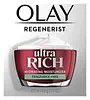
This anti-aging day moisturizer is formulated around Niacinamide and Palmitoyl Pentapeptide-4 to soften the look of wrinkles.
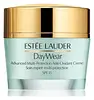
This day moisturizer is formulated around Petrolatum and Tetrahexyldecyl Ascorbate to hydrate skin.

What's inside
What's inside
 Key Ingredients
Benefits
Concerns
Ingredients Side-by-side
Water
Skin ConditioningNiacinamide
Smoothing











Glycerin
Humectant
Hexyldecanol
Emollient
Dimethicone
Emollient
Paraffin
Skin Conditioning
Stearyl Alcohol
Emollient

Polyacrylamide
Panthenol
Skin Conditioning
Cetyl Alcohol
Emollient
Butyrospermum Parkii Butter
Skin Conditioning


Hydrogenated Polydecene
EmollientTocopheryl Acetate
Antioxidant

Palmitoyl Pentapeptide-4
Skin Conditioning
Hydroxyacetophenone
Antioxidant
Laureth-7
EmulsifyingCetearyl Alcohol
Emollient
Cetearyl Glucoside
Emulsifying
Behenyl Alcohol
Emollient
Arachidyl Alcohol
Emollient
Disodium EDTA
ChelatingPEG-100 Stearate
Surfactant
Polysilicone-11
C13-14 Alkane
SolventPhenoxyethanol
Preservative
Benzyl Alcohol
Perfuming



Water, Niacinamide, Glycerin, Hexyldecanol, Dimethicone, Paraffin, Stearyl Alcohol, Polyacrylamide, Panthenol, Cetyl Alcohol, Butyrospermum Parkii Butter, Hydrogenated Polydecene, Tocopheryl Acetate, Palmitoyl Pentapeptide-4, Hydroxyacetophenone, Laureth-7, Cetearyl Alcohol, Cetearyl Glucoside, Behenyl Alcohol, Arachidyl Alcohol, Disodium EDTA, PEG-100 Stearate, Polysilicone-11, C13-14 Alkane, Phenoxyethanol, Benzyl Alcohol
Ethylhexyl Salicylate 5%
UV Absorber

Butyl Methoxydibenzoylmethane 3%
UV Absorber
Homosalate 2%
Skin Conditioning
Water
Skin ConditioningButyloctyl Salicylate
Skin Conditioning
Polyester-8
Skin Conditioning
Petrolatum
Emollient
Butylene Glycol
Humectant
Cetyl Ricinoleate
Emollient
Octyldodecyl Myristate
EmollientSteareth-21
CleansingSteareth-2
EmulsifyingCaprylic/Capric/Myristic/Stearic Triglyceride
EmollientDi-C12-15 Alkyl Fumarate
EmollientDimethicone
Emollient
Psidium Guajava Fruit Extract
AstringentGentiana Lutea Root Extract
Skin ConditioningPolygonum Cuspidatum Root Extract
Antioxidant
Hordeum Vulgare Extract
EmollientLaminaria Ochroleuca Extract
Skin Conditioning
Triticum Vulgare Germ Extract
Skin ConditioningFumaria Officinalis Flower/Leaf/Stem Extract
Skin ConditioningCitrus Medica Limonum Fruit Extract
Skin ConditioningHydrolyzed Rice Bran Extract
Skin ConditioningHydrolyzed Rice Extract
Skin Conditioning
Artemia Extract
Skin ConditioningRosmarinus Officinalis Leaf Extract
AntimicrobialVitis Vinifera Seed Extract
Antimicrobial
Stearyl Alcohol
Emollient
Butyrospermum Parkii Butter
Skin Conditioning
Thermus Thermophillus Ferment
Skin ConditioningSorbitan Olivate
Emulsifying
Caffeine
Skin Conditioning
Pentylene Glycol
Skin Conditioning
Lauryl PEG-9 Polydimethylsiloxyethyl Dimethicone
Skin Conditioning
Behenyl Alcohol
Emollient
Pantethine
EmollientTriacontanyl Pvp
HumectantAcrylic Acid/Vp Crosspolymer
SurfactantEthylhexylglycerin
Skin ConditioningGlycerin
Humectant
Linoleic Acid
Cleansing
Polyquaternium-51
Skin Conditioning
Cholesterol
Emollient
Cetearyl Olivate
Squalane
Emollient
Sodium PCA
Humectant
Urea
Buffering
Caprylic/Capric Triglyceride
Masking
Tocopheryl Acetate
Antioxidant
Tetrahexyldecyl Ascorbate
Antioxidant
Citric Acid
Buffering
Sodium Hyaluronate
Humectant
Ergothioneine
Antioxidant
Glycyrrhetinic Acid
Skin Conditioning
Trehalose
Humectant
Lecithin
Emollient
Hydrogenated Lecithin
Emulsifying
Palmitoyl Hydroxypropyltrimonium Amylopectin/Glycerin Crosspolymer
Skin ConditioningCyclodextrin
AbsorbentNordihydroguaiaretic Acid
Antioxidant
Ascorbyl Tocopheryl Maleate
Antioxidant
Sodium Hydroxide
BufferingParfum
Masking
Fumaric Acid
BufferingPentaerythrityl Tetra-Di-T-Butyl Hydroxyhydrocinnamate
Antioxidant
Ethylbisiminomethylguaiacol Manganese Chloride
Antioxidant
Disodium EDTA
ChelatingBHT
Antioxidant
Phenoxyethanol
Preservative
Benzyl Salicylate
Perfuming
Hydroxyisohexyl 3-Cyclohexene Carboxaldehyde
Masking
Butylphenyl Methylpropional
Perfuming
Linalool
Perfuming
Mica
Cosmetic ColorantCI 19140
Cosmetic ColorantCI 42090
Cosmetic ColorantCI 77289
Cosmetic ColorantEthylhexyl Salicylate 5%, Butyl Methoxydibenzoylmethane 3%, Homosalate 2%, Water, Butyloctyl Salicylate, Polyester-8, Petrolatum, Butylene Glycol, Cetyl Ricinoleate, Octyldodecyl Myristate, Steareth-21, Steareth-2, Caprylic/Capric/Myristic/Stearic Triglyceride, Di-C12-15 Alkyl Fumarate, Dimethicone, Psidium Guajava Fruit Extract, Gentiana Lutea Root Extract, Polygonum Cuspidatum Root Extract, Hordeum Vulgare Extract, Laminaria Ochroleuca Extract, Triticum Vulgare Germ Extract, Fumaria Officinalis Flower/Leaf/Stem Extract, Citrus Medica Limonum Fruit Extract, Hydrolyzed Rice Bran Extract, Hydrolyzed Rice Extract, Artemia Extract, Rosmarinus Officinalis Leaf Extract, Vitis Vinifera Seed Extract, Stearyl Alcohol, Butyrospermum Parkii Butter, Thermus Thermophillus Ferment, Sorbitan Olivate, Caffeine, Pentylene Glycol, Lauryl PEG-9 Polydimethylsiloxyethyl Dimethicone, Behenyl Alcohol, Pantethine, Triacontanyl Pvp, Acrylic Acid/Vp Crosspolymer, Ethylhexylglycerin, Glycerin, Linoleic Acid, Polyquaternium-51, Cholesterol, Cetearyl Olivate, Squalane, Sodium PCA, Urea, Caprylic/Capric Triglyceride, Tocopheryl Acetate, Tetrahexyldecyl Ascorbate, Citric Acid, Sodium Hyaluronate, Ergothioneine, Glycyrrhetinic Acid, Trehalose, Lecithin, Hydrogenated Lecithin, Palmitoyl Hydroxypropyltrimonium Amylopectin/Glycerin Crosspolymer, Cyclodextrin, Nordihydroguaiaretic Acid, Ascorbyl Tocopheryl Maleate, Sodium Hydroxide, Parfum, Fumaric Acid, Pentaerythrityl Tetra-Di-T-Butyl Hydroxyhydrocinnamate, Ethylbisiminomethylguaiacol Manganese Chloride, Disodium EDTA, BHT, Phenoxyethanol, Benzyl Salicylate, Hydroxyisohexyl 3-Cyclohexene Carboxaldehyde, Butylphenyl Methylpropional, Linalool, Mica, CI 19140, CI 42090, CI 77289
Ingredients Explained
These ingredients are found in both products.
Ingredients higher up in an ingredient list are typically present in a larger amount.
Behenyl Alcohol is a type of fatty alcohol (these are different from the drying, solvent alcohols).
Fatty Alcohols have hydrating properties and are most often used as an emollient or to thicken a product. They are usually derived from natural fats and oils; behenyl alcohol is derived from the fats of vegetable oils.
Emollients help keep your skin soft and hydrated by creating a film that traps moisture in.
In 2000, Behenyl Alcohol was approved by the US as medicine to reduce the duration of cold sores.
Learn more about Behenyl AlcoholThis ingredient is also known as shea butter. It is a plant-derived extract from the nuts of the Africa shea tree and one of the most well-studied emollients.
Because it has a high concentration of fatty acids (primarily oleic, stearic, and linoleic) it is able to form a protective barrier on the skin's surface. This helps seal in moisture and prevents transepidermal water loss (TEWL).
In vitro research found an increase in skin hydration by 58% and a decrease in TEWL by 37.8% after 24 hours of applying this ingredient (pretty impressive for a single ingredient!).
Besides hydration, shea butter also contains triterpenes that have anti-inflammatory potential. In particule, lupeol cinnamate has shown the highest anti-inflammatory activity in vivo.
Shea butter also contains vitamins A and E which may contribute to antioxidant activity.
While Shea Butter has an SPF rating of about 3-4, it is not a sunscreen replacement.
This ingredient may not be fungal acne safe because its fatty acids fall within the C11-C24 range that the Malassezia yeast can metabolize.
This ingredient shows up on a lot of "pore-clogging" lists but there's no real evidence behind that. It doesn't even have a comedogenic rating from an actual study; the numbers you'll find online come from blogs citing other blogs.
Ratings for other ingredients mostly come from a 1980s rabbit ear test. This test doesn't translate well to human skin or to real products because the ingredient sits at a much lower percentage.
Some people still find it breaks them out. So if that's you, definitely trust your skin. Just know this one's based on experience and not evidence.
Learn more about Butyrospermum Parkii ButterDimethicone is a type of synthetic silicone created from natural materials such as quartz. It is also known as polydimethylsiloxane.
What it does:
Dimethicone comes in different viscosities:
Depending on the viscosity, dimethicone has different properties.
Ingredients lists don't always show which type is used, so we recommend reaching out to the brand if you have questions about the viscosity.
This ingredient is unlikely to cause irritation because it does not get absorbed into skin. However, people with silicone allergies should be careful about using this ingredient.
Note: Dimethicone may contribute to pilling. This is because it is not oil or water soluble, so pilling may occur when layered with products. When mixed with heavy oils in a formula, the outcome is also quite greasy.
Learn more about DimethiconeDisodium EDTA is a chelating agent. It grabs onto and deactivates metal ions that sneak into your products from water, packaging, or air.
This ingredient mainly works behind the scenes and helps with:
On top of that, this ingredient can counteract the effects of hard water by binding to the minerals in it.
One thing worth knowing is that Disodium EDTA has been shown to be a mild penetration enhancer. It can help other ingredients absorb into skin more effectively which can be a double-edged sword (great for actives, but can also make the active too strong if you have sensitive skin).
Clinical patch testing showed no significant skin irritation at typical use concentrations and minimal dermal absorption.
You'll most likely see this ingredient near the end of an ingredient list. It's typically found in concentrations less than 1%.
Learn more about Disodium EDTAGlycerin (or glycerol) is a compound naturally found in your skin. It's a powerhouse humectant that pulls water into the stratum corneum.
Topically, glycerin does several things at once:
Your skin makes glycerin on its own (mostly from sebaceous oil breakdown) and shuttles it to your outermost layer of skin, or your epidermis, via aquaporin-3.
Aquaporin-3 is a transporter that is essential for normal skin hydration, elasticity, and repair. Interestingly, mice lacking in AQP3 have dry and less elastic skin that can be fully corrected with glycerin.
This ingredient is non-irritating, plays well with almost every ingredient, and works across all skin types. Typical use is anywhere between 3-10% but can go up to 79% in some leave-on products.
Just know very high concentrations (>40%) can feel tacky in low humidity.
Glycerin is the name for this ingredient in American English. British English uses Glycerol/Glycerine.
Learn more about GlycerinPhenoxyethanol is one of the most widely used preservatives in skincare (and for good reason!).
It has a large spectrum of antimicrobial activity and especially effective bacteria, yeast, and mold while only having a weak effect on your skin's natural microbiome.
On a cellular level, it disrupts the cell membranes of microbes by poking holes that make the cell leak. This shuts down the chemical reactions the microbe needs to make energy so it can no longer survive.
Another perk of this ingredient is that it stays functional across a wide pH range (3-10).
You'll often see it paired with boosters like Ethylhexylglycerin; one study showed that a 1:9 ratio of Ethylhexylglycerin to Phenoxyethanol damages bacterial membranes as effectively as doubling the Phenoxyethanol concentration on its own.
Typical use concentrations range from 0.3-1% depending on the formula, and this ingredient is capped at 1% int the EU.
Safety-wise, the fear mongering does not hold up to the evidence. The EU's Scientific Committee on Consumer Safety and FDA consider it safe as a preservative at up to 1%, including for children of all ages.
Adverse systemic effects only showed up in animal studies at exposures roughly 200x higher than what people get from cosmetics. And despite its very widespread use, this ingredient is a rare sensitizer and allergic reactions are uncommon.
Learn more about PhenoxyethanolStearyl Alcohol is a type of fatty alcohol from stearic acid. It is a white, waxy compound used to emulsify ingredients used as an emollient or to thicken a product.
Emollients help soothe and hydrate the skin by trapping moisture.
Fatty alcohols are usually derived from natural fats and oils and therefore do not have the same drying or irritating effect as solvent (ethanol) alcohols.
The FDA allows products labeled "alcohol-free" to have fatty alcohols.
This ingredient may not be fungal acne safe. It is a primary fatty alcohol with a chain length above 12 carbons. A study from 2019 show Malassezia can feed on fatty alcohols in this range, so it may trigger fungal acne in those prone to it.
Learn more about Stearyl AlcoholTocopheryl Acetate is a stable, shelf-friendly form of vitamin E.
Formulators love it because plain vitamin E oxidizes quickly once it hits air. This acetate version stays stable and resists going off, helping to extend a product's shelf life.
It's actually inactive on its own and works like a slow-release "storage" form; the enzymes in your skin called esterases gradually convert it into active vitamin E over time.
One in vivo study showed 5% of the acetate in the living layer of the epidermis converted to vitamin E after 5 days of application. This study also found the skin gained protection against UV damage even though the conversion was slow and small.
Once converted, vitamin E acts as a skin's main fat-soluble antioxidant that fights free radicals to protect skin from damage.
Topical vitamin E generally boosts the skin's photoprotection, and it reduced UV-damage in animal models.
This ingredient has some brightening potential but it's more of a prevention ingredient than spot-fader. Cell studies show it can slow down melanin production but it's worth noting that it's not the most powerful brightener out there.
Overall, it has a pretty solid safety profile and has been found to be non-irritating and non-comedogenic. Allergic reactions may happen but stay rare due to how widely the ingredient gets used.
The concentration will vary depending on the formula; industry data shows 0.1% in baby lotions, 3% in lipsticks, and 5% in foot powders. You can also find this ingredient at 100% in a pure vitamin E oil.
Most leave-on skincare keeps it at the lower end, often between 0.5-1%.
Learn more about Tocopheryl AcetateWater. It's the most common cosmetic ingredient of all. You'll usually see it at the top of ingredient lists, meaning that it makes up the largest part of the product.
So why is it so popular? Water most often acts as a solvent - this means that it helps dissolve other ingredients into the formulation.
You'll also recognize water as that liquid we all need to stay alive. If you see this, drink a glass of water. Remember to stay hydrated!
Learn more about Water

