
What's inside
What's inside
 Key Ingredients
Benefits
Concerns
Ingredients Side-by-side
Water
Skin ConditioningCetearyl Alcohol
Emollient






PPG-3 Benzyl Ether Myristate
EmollientCaprylic/Capric Triglyceride
Masking

Cetyl Alcohol
Emollient
Octyldodecyl Ricinoleate
EmollientQuaternium-91
Divinyldimethicone/Dimethicone Copolymer

Cetrimonium Chloride
Antimicrobial
Glycerin
Humectant
Isododecane
EmollientCetyl Esters
Emollient
Behentrimonium Chloride
Preservative
Panthenol
Skin Conditioning

Parfum
Masking


Phenoxyethanol
Preservative
Phospholipids
Skin Conditioning
Hydroxypropyl Guar
Emulsion StabilisingDimethicone PEG-7 Isostearate
Emollient
Glycine Soja Oil
Emollient

PEG-7 Amodimethicone
Humectant
PEG-45m
HumectantAmodimethicone
Disodium EDTA
Polysilicone-15
UV Filter
Camellia Sinensis Seed Oil
Humectant
C11-15 Pareth-7
EmulsifyingSodium Polyacrylate
Absorbent
C12-13 Pareth-3
EmulsifyingC12-13 Pareth-23
CleansingVitis Vinifera
MaskingVitis Vinifera Seed Oil
Emollient
Persea Gratissima Oil
Skin Conditioning
Crambe Abyssinica Seed Oil
Skin Conditioning
Laureth-9
EmulsifyingTrideceth-12
EmulsifyingButylene Glycol
Humectant
Citric Acid
Buffering

Ahnfeltiopsis Concinna Extract
Skin Conditioning
Iodopropynyl Butylcarbamate
Preservative
Acetic Acid
BufferingSodium Acetate
BufferingTocopheryl Linoleate/Oleate
Antioxidant
Pseudozyma Epicola/Camellia Sinensis Seed Oil Ferment Extract Filtrate
Humectant
Pseudozyma Epicola/Argania Spinosa Kernel Oil Ferment Filtrate
Skin Conditioning
Hydrolyzed Hyaluronic Acid
Humectant

Helianthus Annuus Seed Oil
Emollient
Quaternium-95
UV AbsorberPropanediol
Solvent
Helianthus Annuus Seed Extract
Skin Conditioning
PEG-8
HumectantBis-Aminopropyl Diglycol Dimaleate
Skin ConditioningPunica Granatum Extract
AstringentMorinda Citrifolia Fruit Extract
Skin Conditioning
PEG-8/Smdi Copolymer
Euterpe Oleracea Fruit Extract
Palmitoyl Myristyl Serinate
Skin ConditioningBHT
Antioxidant
Silica
Abrasive


Sodium Benzoate
Masking
Potassium Sorbate
Preservative
Tocopherol
Antioxidant
Pentaerythrityl Tetra-Di-T-Butyl Hydroxyhydrocinnamate
Antioxidant
Biotin
AntiseborrhoeicCitral
Perfuming
Hexyl Cinnamal
Perfuming
Limonene
Perfuming
Hydroxypropyl Cyclodextrin
MaskingChlorphenesin
Antimicrobial
Propylene Glycol
Humectant
Sodium Dehydroacetate
Preservative
PEG-4 Laurate
Emulsifying
PEG-4 Dilaurate
Emulsifying
PEG-4
HumectantEtidronic Acid
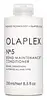
Water, Cetearyl Alcohol, PPG-3 Benzyl Ether Myristate, Caprylic/Capric Triglyceride, Cetyl Alcohol, Octyldodecyl Ricinoleate, Quaternium-91, Divinyldimethicone/Dimethicone Copolymer, Cetrimonium Chloride, Glycerin, Isododecane, Cetyl Esters, Behentrimonium Chloride, Panthenol, Parfum, Phenoxyethanol, Phospholipids, Hydroxypropyl Guar, Dimethicone PEG-7 Isostearate, Glycine Soja Oil, PEG-7 Amodimethicone, PEG-45m, Amodimethicone, Disodium EDTA, Polysilicone-15, Camellia Sinensis Seed Oil, C11-15 Pareth-7, Sodium Polyacrylate, C12-13 Pareth-3, C12-13 Pareth-23, Vitis Vinifera, Vitis Vinifera Seed Oil, Persea Gratissima Oil, Crambe Abyssinica Seed Oil, Laureth-9, Trideceth-12, Butylene Glycol, Citric Acid, Ahnfeltiopsis Concinna Extract, Iodopropynyl Butylcarbamate, Acetic Acid, Sodium Acetate, Tocopheryl Linoleate/Oleate, Pseudozyma Epicola/Camellia Sinensis Seed Oil Ferment Extract Filtrate, Pseudozyma Epicola/Argania Spinosa Kernel Oil Ferment Filtrate, Hydrolyzed Hyaluronic Acid, Helianthus Annuus Seed Oil, Quaternium-95, Propanediol, Helianthus Annuus Seed Extract, PEG-8, Bis-Aminopropyl Diglycol Dimaleate, Punica Granatum Extract, Morinda Citrifolia Fruit Extract, PEG-8/Smdi Copolymer, Euterpe Oleracea Fruit Extract, Palmitoyl Myristyl Serinate, BHT, Silica, Sodium Benzoate, Potassium Sorbate, Tocopherol, Pentaerythrityl Tetra-Di-T-Butyl Hydroxyhydrocinnamate, Biotin, Citral, Hexyl Cinnamal, Limonene, Hydroxypropyl Cyclodextrin, Chlorphenesin, Propylene Glycol, Sodium Dehydroacetate, PEG-4 Laurate, PEG-4 Dilaurate, PEG-4, Etidronic Acid
Water
Skin ConditioningIsopropyl Palmitate
Emollient
Stearyl Alcohol
Emollient
Propanediol
Solvent
Isopentyldiol
Humectant
Behentrimonium Chloride
Preservative
Tocopherol
Antioxidant
Tocopheryl Acetate
Antioxidant
Sh-Oligopeptide-78
Surfactant
Alteromonas Ferment Extract
Skin Conditioning
Prunus Amygdalus Dulcis Oil
Skin Conditioning
Simmondsia Chinensis Seed Oil
Emollient
Phospholipids
Skin Conditioning
Jojoba Esters
Emollient
Calcium Gluconate
HumectantHydroxypropyl Guar Hydroxypropyltrimonium Chloride
Ceramide NP
Skin Conditioning
Phytosteryl/Isostearyl/Cetyl/Stearyl/Behenyl Dimer Dilinoleate
Skin Conditioning
Polyquaternium-16
Stearalkonium Chloride
Preservative
Isopropyl Alcohol
Solvent

Butylene Glycol
Humectant
Gluconolactone
Skin Conditioning


Phenoxyethanol
Preservative
Sodium Benzoate
Masking
Citric Acid
Buffering
Sodium Hydroxide
BufferingParfum
Masking
Hydroxycitronellal
Perfuming
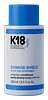
Water, Isopropyl Palmitate, Stearyl Alcohol, Propanediol, Isopentyldiol, Behentrimonium Chloride, Tocopherol, Tocopheryl Acetate, Sh-Oligopeptide-78, Alteromonas Ferment Extract, Prunus Amygdalus Dulcis Oil, Simmondsia Chinensis Seed Oil, Phospholipids, Jojoba Esters, Calcium Gluconate, Hydroxypropyl Guar Hydroxypropyltrimonium Chloride, Ceramide NP, Phytosteryl/Isostearyl/Cetyl/Stearyl/Behenyl Dimer Dilinoleate, Polyquaternium-16, Stearalkonium Chloride, Isopropyl Alcohol, Butylene Glycol, Gluconolactone, Phenoxyethanol, Sodium Benzoate, Citric Acid, Sodium Hydroxide, Parfum, Hydroxycitronellal
Reviews
Ingredients Explained
These ingredients are found in both products.
Ingredients higher up in an ingredient list are typically present in a larger amount.
This ingredient is a preservative and often used for it's anti-static properties. You'll most likely see this ingredient in hair conditioners.
It does not cause irritation or sensitization in leave-on products at 1-5%.
Butylene Glycol (or BG) is used within cosmetic products for a few different reasons:
Overall, Butylene Glycol is a safe and well-rounded ingredient that works well with other ingredients.
Though this ingredient works well with most skin types, some people with sensitive skin may experience a reaction such as allergic rashes, closed comedones, or itchiness.
Learn more about Butylene GlycolCitric Acid is an alpha hydroxy acid (AHA) naturally found in citrus fruits like oranges, lemons, and limes.
Like other AHAs, citric acid can exfoliate skin by breaking down the bonds that hold dead skin cells together. This helps reveal smoother and brighter skin underneath.
However, this exfoliating effect only happens at high concentrations (20%) which can be hard to find in cosmetic products.
Due to this, citric acid is usually included in small amounts as a pH adjuster. This helps keep products slightly more acidic and compatible with skin's natural pH.
In skincare formulas, citric acid can:
While it can provide some skin benefits, research shows lactic acid and glycolic acid are generally more effective and less irritating exfoliants.
Most citric acid used in skincare today is made by fermenting sugars (usually from molasses). This synthetic version is identical to the natural citrus form but easier to stabilize and use in formulations.
Read more about some other popular AHA's here:
Learn more about Citric AcidParfum is a catch-all term for an ingredient or more that is used to give a scent to products.
Also called "fragrance", this ingredient can be a blend of hundreds of chemicals or plant oils. This means every product with "fragrance" or "parfum" in the ingredients list is a different mixture.
For instance, Habanolide is a proprietary trade name for a specific aroma chemical. When used as a fragrance ingredient in cosmetics, most aroma chemicals fall under the broad labeling category of “FRAGRANCE” or “PARFUM” according to EU and US regulations.
The term 'parfum' or 'fragrance' is not regulated in many countries. In many cases, it is up to the brand to define this term.
For instance, many brands choose to label themselves as "fragrance-free" because they are not using synthetic fragrances. However, their products may still contain ingredients such as essential oils that are considered a fragrance by INCI standards.
One example is Calendula flower extract. Calendula is an essential oil that still imparts a scent or 'fragrance'.
Depending on the blend, the ingredients in the mixture can cause allergies and sensitivities on the skin. Some ingredients that are known EU allergens include linalool and citronellol.
Parfum can also be used to mask or cover an unpleasant scent.
The bottom line is: not all fragrances/parfum/ingredients are created equally. If you are worried about fragrances, we recommend taking a closer look at an ingredient. And of course, we always recommend speaking with a professional.
Learn more about ParfumPhenoxyethanol is one of the most widely used preservatives in skincare (and for good reason!).
It has a large spectrum of antimicrobial activity and especially effective bacteria, yeast, and mold while only having a weak effect on your skin's natural microbiome.
On a cellular level, it disrupts the cell membranes of microbes by poking holes that make the cell leak. This shuts down the chemical reactions the microbe needs to make energy so it can no longer survive.
Another perk of this ingredient is that it stays functional across a wide pH range (3-10).
You'll often see it paired with boosters like Ethylhexylglycerin; one study showed that a 1:9 ratio of Ethylhexylglycerin to Phenoxyethanol damages bacterial membranes as effectively as doubling the Phenoxyethanol concentration on its own.
Typical use concentrations range from 0.3-1% depending on the formula, and this ingredient is capped at 1% int the EU.
Safety-wise, the fear mongering does not hold up to the evidence. The EU's Scientific Committee on Consumer Safety and FDA consider it safe as a preservative at up to 1%, including for children of all ages.
Adverse systemic effects only showed up in animal studies at exposures roughly 200x higher than what people get from cosmetics. And despite its very widespread use, this ingredient is a rare sensitizer and allergic reactions are uncommon.
Learn more about PhenoxyethanolPhospholipids are a family of skin-identical lipids that makeup the structural backbone of every cell membrane in your body.
In cosmetics, they function as skin conditioning agents with emulsifier and surfactant properties. They're typically sourced from soybean or sunflower lecithin (or sometimes egg yolk or marine sources).
Because they mirror the lipids naturally found in the deeper layers of your skin, topical phospholipids help reinforce the lipid matrix, reduce transepidermal water loss, and leave skin feeling conditioned.
They're also used to form liposomes, or tiny self-assembling vesible used to stabilize actives like vitamin c or retinol. This helps these ingredients integrate into the upper layers of skin more easily.
Phospholipids are compatible with everything and the CIR Expert Panel has concluded them to be safe at current use levels.
Some types of phospholipids include:
Learn more about PhospholipidsPropanediol is an all-star ingredient. It softens, hydrates, and smooths the skin.
It’s often used to:
Propanediol is not likely to cause sensitivity and considered safe to use. It is derived from corn or petroleum with a clear color and no scent.
Learn more about PropanediolSodium Benzoate is a preservative. It's used in both cosmetic and food products to inhibit the growth of mold and bacteria. It is typically produced synthetically.
Both the US FDA and EU Health Committee have approved the use of sodium benzoate. In the US, levels of 0.1% (of the total product) are allowed.
Sodium benzoate works as a preservative by inhibiting the growth of bacteria inside of cells. It prevents the cell from fermenting a type of sugar using an enzyme called phosphofructokinase.
It is the salt of benzoic acid. Foods containing sodium benzoate include soda, salad dressings, condiments, fruit juices, wines, and snack foods.
Studies for using ascorbic acid and sodium benzoate in cosmetics are lacking, especially in skincare routines with multiple steps.
We always recommend speaking with a professional, such as a dermatologist, if you have any concerns.
Learn more about Sodium BenzoateTocopherol is a fat-soluble antioxidant known as Vitamin E.
You'll find this ingredient in the vast majority of skincare (for good reason). It works to neutralize free radicals, or unstable molecules generated by UV exposure, pollution, and other environmental stressors, before they can cause oxidative damage to your skin cells.
Topically applied tocopherol has been shown to protect against UV damage by ramping up the skin's own natural defense enzymes.
It also acts as a skin conditioning agent; some studies show that regular topical use can improve the skin's water-binding capacity over 2-4 weeks.
This ingredient is especially loved for being a team player. When combined with Vitamin C, the photoprotective effect of both ingredients roughly doubles and the combo also helps reduce UV-induced DNA damage.
This ingredient has some brightening potential but it's more of a prevention ingredient than spot-fader. Cell studies show it can slow down melanin production but it's worth noting that it's not the most powerful brightener out there.
In formulations, it also serves as a stabilizer that helps protect other oxidation-prone ingredients from degrading.
Concentrations usually range from 0.1-1% in most leave-on products.
Learn more about TocopherolWater. It's the most common cosmetic ingredient of all. You'll usually see it at the top of ingredient lists, meaning that it makes up the largest part of the product.
So why is it so popular? Water most often acts as a solvent - this means that it helps dissolve other ingredients into the formulation.
You'll also recognize water as that liquid we all need to stay alive. If you see this, drink a glass of water. Remember to stay hydrated!
Learn more about Water

