Nutrishe Intensive Bright & Glow Serum Versus Anua Niacinamide 10% + TXA 4% Dark Spot Correcting Serum
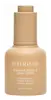
This brightening serum is formulated around Alpha-Arbutin and Glycyrrhiza Glabra Root Extract to brighten dull-looking skin and fade the look of dark spots.
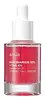
This brightening serum is formulated around Niacinamide and Tranexamic Acid to fade the look of dark spots and brighten dull-looking skin.


What's inside
What's inside
 Key Ingredients
Benefits
Concerns
Ingredients Side-by-side
Water
Skin ConditioningCyclopentasiloxane
Emollient
Alpha-Arbutin
Antioxidant




Butylene Glycol
Humectant

Glycyrrhiza Glabra Root Extract
Bleaching

Galactomyces Ferment Filtrate
Humectant


Centella Asiatica Extract
Cleansing
Portulaca Oleracea Extract
Skin Conditioning
Glycerin
Humectant
3-O-Ethyl Ascorbic Acid
Skin Conditioning

Alaria Esculenta Extract
Skin ProtectingDimethylmethoxy Chromanyl Palmitate
Skin Conditioning
Sodium Hyaluronate
Humectant
Lactobacillus Ferment Filtrate
Skin ConditioningPhenoxyethanol
Preservative
Polyacrylamide
C13-14 Isoparaffin
Emollient
Laureth-7
EmulsifyingPEG-40 Hydrogenated Castor Oil
Emulsifying
Sodium Benzoate
Masking
Dipotassium Glycyrrhizate
Humectant
Allantoin
Skin Conditioning
DMDM Hydantoin
Preservative

Sodium PCA
Humectant
Parfum
Masking

Tetrasodium EDTA
Propanediol
Solvent
1,2-Hexanediol
Skin Conditioning
Iodopropynyl Butylcarbamate
Preservative
Avena Sativa Kernel Extract
Abrasive
Potassium Sorbate
Preservative
Water, Cyclopentasiloxane, Alpha-Arbutin, Butylene Glycol, Glycyrrhiza Glabra Root Extract, Galactomyces Ferment Filtrate, Centella Asiatica Extract, Portulaca Oleracea Extract, Glycerin, 3-O-Ethyl Ascorbic Acid, Alaria Esculenta Extract, Dimethylmethoxy Chromanyl Palmitate, Sodium Hyaluronate, Lactobacillus Ferment Filtrate, Phenoxyethanol, Polyacrylamide, C13-14 Isoparaffin, Laureth-7, PEG-40 Hydrogenated Castor Oil, Sodium Benzoate, Dipotassium Glycyrrhizate, Allantoin, DMDM Hydantoin, Sodium PCA, Parfum, Tetrasodium EDTA, Propanediol, 1,2-Hexanediol, Iodopropynyl Butylcarbamate, Avena Sativa Kernel Extract, Potassium Sorbate
Water
Skin ConditioningGlycerin
Humectant
Niacinamide
Smoothing


Tranexamic Acid
Astringent
Butylene Glycol
Humectant
Diethoxyethyl Succinate
Solvent1,2-Hexanediol
Skin Conditioning
Arbutin
Antioxidant
Sodium Hyaluronate
Humectant
Alpha-Arbutin
Antioxidant
Coccinia Indica Fruit Extract
Skin Conditioning
Eclipta Prostrata Extract
Skin Conditioning
Macadamia Integrifolia Seed Oil
Skin Conditioning
Olea Europaea Fruit Oil
Masking
Simmondsia Chinensis Seed Oil
Emollient
Vitis Vinifera Seed Oil
Emollient
Theobroma Cacao Extract
Skin ConditioningHydrolyzed Hyaluronic Acid
Humectant
Chamaecyparis Obtusa Leaf Extract
Skin ConditioningPrunus Persica Flower Extract
MoisturisingCamellia Sinensis Seed Oil
Humectant
Yeast Ferment Extract
Skin ConditioningCentella Asiatica Extract
Cleansing
Artemisia Princeps Leaf Extract
Skin ConditioningGlucose
Humectant
Hyaluronic Acid
Humectant
Pentylene Glycol
Skin Conditioning
Betaine Salicylate
Antimicrobial
Sucrose Palmitate
EmollientHydrogenated Lecithin
Emulsifying
Gellan Gum
Sodium Phytate
Cellulose
Absorbent
Caprylic/Capric Triglyceride
Masking
Panthenol
Skin Conditioning
Cyanocobalamin
Skin ConditioningPolyglutamic Acid
Skin Conditioning
3-O-Ethyl Ascorbic Acid
Skin Conditioning
Ceramide NP
Skin Conditioning
Dextrin
AbsorbentAsiaticoside
Antioxidant
Madecassic Acid
Skin Conditioning
Asiatic Acid
Skin Conditioning
Dimethylsilanol Hyaluronate
Humectant
Hydrolyzed Sodium Hyaluronate
Skin Conditioning
Potassium Hyaluronate
Skin ConditioningHydroxypropyltrimonium Hyaluronate
Sodium Hyaluronate Crosspolymer
Humectant
Sodium Hyaluronate Dimethylsilanol
HumectantSodium Acetylated Hyaluronate
Humectant
Xanthan Gum
EmulsifyingWater, Glycerin, Niacinamide, Tranexamic Acid, Butylene Glycol, Diethoxyethyl Succinate, 1,2-Hexanediol, Arbutin, Sodium Hyaluronate, Alpha-Arbutin, Coccinia Indica Fruit Extract, Eclipta Prostrata Extract, Macadamia Integrifolia Seed Oil, Olea Europaea Fruit Oil, Simmondsia Chinensis Seed Oil, Vitis Vinifera Seed Oil, Theobroma Cacao Extract, Hydrolyzed Hyaluronic Acid, Chamaecyparis Obtusa Leaf Extract, Prunus Persica Flower Extract, Camellia Sinensis Seed Oil, Yeast Ferment Extract, Centella Asiatica Extract, Artemisia Princeps Leaf Extract, Glucose, Hyaluronic Acid, Pentylene Glycol, Betaine Salicylate, Sucrose Palmitate, Hydrogenated Lecithin, Gellan Gum, Sodium Phytate, Cellulose, Caprylic/Capric Triglyceride, Panthenol, Cyanocobalamin, Polyglutamic Acid, 3-O-Ethyl Ascorbic Acid, Ceramide NP, Dextrin, Asiaticoside, Madecassic Acid, Asiatic Acid, Dimethylsilanol Hyaluronate, Hydrolyzed Sodium Hyaluronate, Potassium Hyaluronate, Hydroxypropyltrimonium Hyaluronate, Sodium Hyaluronate Crosspolymer, Sodium Hyaluronate Dimethylsilanol, Sodium Acetylated Hyaluronate, Xanthan Gum
Reviews
Alternatives
Ingredients Explained
These ingredients are found in both products.
Ingredients higher up in an ingredient list are typically present in a larger amount.
1,2-Hexanediol is a synthetic liquid and another multi-functional powerhouse.
It is a:
- Humectant, drawing moisture into the skin
- Emollient, helping to soften skin
- Solvent, dispersing and stabilizing formulas
- Preservative booster, enhancing the antimicrobial activity of other preservatives
3-O-Ethyl Ascorbic Acid is one of the most popular "stable" vitamin C derivatives in skincare.
Plain ascorbic acid is fantastic but notoriously fragile; it browns, oxidizes, and loses potency fast. So attaching an ethyl group to the third carbon of the molecule gives it some cool perks:
In a formula, it does the 3 classic vitamin C jobs: it acts as an antioxidant, helps brighten skin tone by inhibiting tyrosinase, and supports collagen.
The evidence is reasonably solid for a cosmetic ingredient; Liao and colleagues (2018) showed it's significantly more stable than ascorbic acid while still being effective.
A 2021 study by Zerbinati and colleagues tested a serum with 30% 3-O-ethyl-l-ascorbic acid and 1% lactic acid significantly increased collagen production, reduced UVB-induced DNA damage, and decreased melanin on a reconstructed pigmented skin model.
Typical real world usage sits around 0.5-5% (and 1-2% is common for daily serums).
Amounts up to 30% have been shown to be non-irritating on human skin samples, but two isolated cases reported allergic contact dermatitis so a patch test is sensible if you have reactive skin.
Learn more about 3-O-Ethyl Ascorbic AcidAlpha-Arbutin is a brightening active used to fade dark spots, melasma, and post-acne marks. Structurally, it is a hydroquinone with a sugar molecule attached (but is much gentler than raw hydroquinone).
It has a pretty elegant way of working; it slots into tyrosinase, or the key enzyme that your skin uses to make melanin), and competitively blocks it so your skin produces less pigment over time.
There are two forms of arbutin and alpha is the better one to reach for: it works at lower amounts, absorbs into skin more easily, and has a strong safety record.
The science backs this up too: lab and animal studies confirm it lowers melanin by blocking tyosinase and the more you use (up to a point), the more it works.
Human studies look good too.
A 2024 trial found a cream with 5% alpha-arbutin and 2% kojic acid worked about as well as a prescription melasma cream but with fewer side effects. Another study showed 2% alpha-arbutin paired with 10% Trihydroxybenzoic Acid Glucoside and sunscreen faded dark spots and melasma without causing irritation.
Concentration-wise, most serums land in the 1-2% range.
The EU's Scientific Committee on Consumer Safety concluded that alpha-arbutin is safe in face creams up to 2% and body lotions up to 0.5%.
Overall, this is a well-studied and low-irritation brightener that's a great pick for anyone dealing with uneven skin tone. It also pairs well with vitamin C, niacinamide, and sunscreen.
Learn more about Alpha-ArbutinButylene Glycol (or BG) is used within cosmetic products for a few different reasons:
Overall, Butylene Glycol is a safe and well-rounded ingredient that works well with other ingredients.
Though this ingredient works well with most skin types, some people with sensitive skin may experience a reaction such as allergic rashes, closed comedones, or itchiness.
Learn more about Butylene GlycolCentella Asiatica Extract (Centella) is one of the most researched botanical extracts in skincare with decades of studies backing its effects on inflammation, collagen, and the skin barrier.
That research keeps pointing back to the same four triterpenoid saponins: Asiaticoside, Madecassoside, Asiatic Acid, and Madecassic Acid.
These compounds allow centella to dial back inflammation, encourage the skin to build and hold onto collagen, support the barrier and hydration, and bring solid antioxidant activity to protect against signs of aging.
Centella also carries a nice supporting cast of Vitamin A, vitamin C, several B vitamins, and amino acids. Put it all together and you get an ingredient that soothes, hydrates, and protects, all at once.
Most of centella's magic comes from the four big compounds (Asiaticoside, Madecassoside, Asiatic Acid, and Madecassic Acid). These are the actives doing the heavy lifting in almost every centella study.
Here is the short version of what they do in the skin:
So it is not just soothing for the sake of soothing. Centella calms the skin AND helps it rebuild.
Just FYI, not all centella on an ingredient list is the same. What you are getting actually depends on the extract:
Fun fact on the ratios: the leaves tend to be richest in Madecassoside and Asiaticoside, and lower in the two acids. The exact amounts shift with where the plant is grown and how it is processed. This means purity really does vary brand to brand.
Centella is one of the most easygoing actives out there.
It layers well with basically everything: niacinamide, hyaluronic acid, peptides, and vitamin C, and also pairs nicely with stronger actives like retinoids and exfoliating acids where it can help take the edge off irritation.
On the safety side, centella and its triterpenes are classified as weak sensitizers, meaning allergic reactions are possible but uncommon.
Patch tests at 1% and 5% came back negative in test panels, and creams at typical use levels did not cause allergic reactions across large groups of people.
But as with any new active, a patch test is still a smart move for very reactive skin.
Centella is widely used because it is effective at low percentages. For context, human safety testing found no meaningful irritation from creams containing centella extract at everyday use levels (the tested amounts were well under 1%).
The irritancy threshold in animal testing was also above 30% (so real-world formulas sit far below anything concerning).
In collagen lab studies, higher concentrations drove more collagen synthesis, so serums built around centella tend to feature it more prominently.
Bottom line: you will find centella working nicely anywhere from a fraction of a percent up to hero-ingredient levels depending on whether it is a supporting soother or the main event.
Fun fact: Centella has been used as a medicine and in food for many centuries. As a medicine, it is used to treat burns, scratches, and wounds.
Learn more about Centella Asiatica ExtractGlycerin (or glycerol) is a compound naturally found in your skin. It's a powerhouse humectant that pulls water into the stratum corneum.
Topically, glycerin does several things at once:
Your skin makes glycerin on its own (mostly from sebaceous oil breakdown) and shuttles it to your outermost layer of skin, or your epidermis, via aquaporin-3.
Aquaporin-3 is a transporter that is essential for normal skin hydration, elasticity, and repair. Interestingly, mice lacking in AQP3 have dry and less elastic skin that can be fully corrected with glycerin.
This ingredient is non-irritating, plays well with almost every ingredient, and works across all skin types. Typical use is anywhere between 3-10% but can go up to 79% in some leave-on products.
Just know very high concentrations (>40%) can feel tacky in low humidity.
Glycerin is the name for this ingredient in American English. British English uses Glycerol/Glycerine.
Learn more about GlycerinSodium Hyaluronate is the salt form of hyaluronic acid. It is a long sugar chain that is naturally found in your skin, joints, and connective tissue that maintains hydration and elasticity.
In skincare, it works as a humectant. It pulls water from the environment and deeper layers of skin and binds it to the surface.
Interestingly, the size of the molecule affects its behavior:
Some clinical evidence links low molecular weight versions to improved wrinkle depth, elasticity, anti-inflammatory effects, and barrier repair.
Many serums use a blend of both weights so you can get surface hydration plus longer-lasting and deeper effects.
You'll typically see concentrations between 0.1-2% for this ingredient.
Learn more about Sodium HyaluronateWater. It's the most common cosmetic ingredient of all. You'll usually see it at the top of ingredient lists, meaning that it makes up the largest part of the product.
So why is it so popular? Water most often acts as a solvent - this means that it helps dissolve other ingredients into the formulation.
You'll also recognize water as that liquid we all need to stay alive. If you see this, drink a glass of water. Remember to stay hydrated!
Learn more about Water

