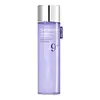
This anti-aging toner is formulated around Niacinamide and Sodium DNA to soften the look of wrinkles and brighten dull-looking skin.
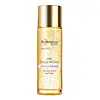
This brightening toner is formulated around Niacinamide to brighten dull-looking skin and soften the look of wrinkles.


What's inside
What's inside
 Key Ingredients
Benefits
Concerns
Ingredients Side-by-side
Water
Skin ConditioningMethylpropanediol
SolventNiacinamide
Smoothing











PEG/PPG-17/6 Copolymer
SolventPropanediol
Solvent
1,2-Hexanediol
Skin Conditioning
Tripropylene Glycol
Antioxidant
Glyceryl Glucoside
Humectant
Xylitylglucoside
Humectant
PEG-40 Hydrogenated Castor Oil
Emulsifying


Anhydroxylitol
Humectant
Glycerin
Humectant
Polyglyceryl-10 Laurate
Skin Conditioning
Candida Bombicola/Glucose/Methyl Rapeseedate Ferment
AntimicrobialC20-40 Pareth-10
EmulsifyingTocopheryl Acetate
Antioxidant
Xylitol
Humectant
Cetearyl Alcohol
Emollient




Sodium DNA
Skin Conditioning
Hydrogenated Lecithin
Emulsifying
Glucose
Humectant
Polyacrylate Crosspolymer-6
Emulsion StabilisingEthylhexylglycerin
Skin ConditioningAdenosine
Skin Conditioning
Ceramide NP
Skin Conditioning
Sodium Phytate
ChelatingHelianthus Annuus Seed Oil
Emollient
Melia Azadirachta Leaf Extract
Skin ConditioningMelia Azadirachta Flower Extract
Skin ConditioningCitric Acid
Buffering
Hydroxyethylcellulose
Emulsion StabilisingSodium Citrate
BufferingPhytosterols
Skin Conditioning
Coccinia Indica Fruit Extract
Skin Conditioning
Aloe Barbadensis Flower Extract
EmollientSolanum Melongena Fruit Extract
Skin ConditioningT-Butyl Alcohol
Perfuming



Ocimum Sanctum Leaf Extract
Skin ConditioningCurcuma Longa Root Extract
Antioxidant
Corallina Officinalis Extract
Skin Conditioning
Cyanocobalamin
Skin ConditioningCaprylic/Capric Triglyceride
Masking
Hydrolyzed Collagen
Emollient
Butylene Glycol
Humectant
Adenosine Triphosphate
Skin ConditioningNicotinamide Adenine Dinucleotide
Skin ConditioningResveratrol
Antioxidant
Pullulan
Sodium Palmitoyl Sarcosinate
CleansingPalmitic Acid
Emollient
C12-14 Alketh-12
EmulsifyingPisum Sativum Peptide
Skin Conditioning
Stearic Acid
Cleansing
Polyglyceryl-6 Laurate
Emulsifying
Caprylyl Glycol
Emollient
Dipeptide Diaminobutyroyl Benzylamide Diacetate
Skin Conditioning
Dextran
Hydrolyzed Elastin
EmollientSoluble Collagen
Humectant
Acetyl Tetrapeptide-3
Skin Protecting
Trifolium Pratense Flower Extract
AstringentDisodium EDTA
ChelatingMyristic Acid
Cleansing
Acetyl Hexapeptide-8
Humectant
Mannose
HumectantSh-Octapeptide-4
Antioxidant
Sh-Decapeptide-7
Antioxidant
Palmitoyl Pentapeptide-4
Skin Conditioning
Palmitoyl Tripeptide-1
Skin Conditioning
Copper Tripeptide-1
Skin Conditioning
Hexapeptide-9
Skin Conditioning
Nonapeptide-1
Skin Conditioning
Tripeptide-1
Skin Conditioning
Arachidic Acid
Cleansing
Collagen
Moisturising
Elastin
Skin ConditioningGlutathione
Palmitoyl Tetrapeptide-7
Skin Conditioning
Arginine/Lysine Polypeptide
Skin Conditioning
Oligopeptide-29
Antioxidant
Oligopeptide-32
Antiseborrhoeic
Acetyl Tetrapeptide-5
Humectant
Acetyl Tetrapeptide-9
Skin Conditioning
Acetyl Tetrapeptide-2
Skin Conditioning
Acetyl Octapeptide-3
Humectant
Acetyl Hexapeptide-1
Skin Conditioning
Alanine/Histidine/Lysine Polypeptide Copper Hcl
Skin Conditioning
Acetyl Dipeptide-1 Cetyl Ester
Skin Conditioning
Acetyl Sh-Pentapeptide-1
Skin Conditioning
Biotinoyl Tripeptide-1
Dipeptide-4
Skin Conditioning
Hexapeptide-11
Skin Conditioning
Hexapeptide-12
Skin Conditioning
Lauric Acid
Cleansing
Myristoyl Pentapeptide-17
Skin Conditioning
Myristoyl Hexapeptide-16
Skin Conditioning
Myristoyl Pentapeptide-4
Skin Conditioning
Nicotinoyl Tripeptide-1
Antioxidant
Nonapeptide-7
Skin Conditioning
Nicotinoyl Tripeptide-35
Antioxidant
Nicotinoyl Dipeptide-26
Skin Conditioning
Nicotinoyl Dipeptide-23
Skin Conditioning
Octapeptide-2
Skin Conditioning
Palmitoyl Tripeptide-5
Skin Conditioning
Palmitoyl Hexapeptide-12
Skin Conditioning
Pentapeptide-13
Skin Conditioning
Palmitoyl Tetrapeptide-10
Skin Conditioning
Palmitoyl Tripeptide-38
Skin Conditioning
Palmitoyl Tripeptide-29
Skin Conditioning
Palmitoyl Tripeptide-8
Skin Conditioning
Sr-(Oligopeptide-91 Clostridium Botulinum Polypeptide-1)
Skin Conditioning
Tetrapeptide-44
Skin Conditioning
Tetrapeptide-30
Skin Conditioning
Tripeptide-10 Citrulline
Skin Conditioning
Tripeptide-32
Skin Conditioning
Tripeptide-29
Skin Conditioning
Sh-Polypeptide-22
Skin Conditioning
Sh-Oligopeptide-1
Skin Conditioning
Sh-Polypeptide-1
Skin Conditioning
Sh-Polypeptide-9
Skin Conditioning
Sh-Oligopeptide-2
Skin Conditioning
Sh-Polypeptide-11
Sh-Polypeptide-3
Skin Conditioning
Sh-Polypeptide-16
Skin Protecting
Sh-Polypeptide-62
Antioxidant
Water, Methylpropanediol, Niacinamide, PEG/PPG-17/6 Copolymer, Propanediol, 1,2-Hexanediol, Tripropylene Glycol, Glyceryl Glucoside, Xylitylglucoside, PEG-40 Hydrogenated Castor Oil, Anhydroxylitol, Glycerin, Polyglyceryl-10 Laurate, Candida Bombicola/Glucose/Methyl Rapeseedate Ferment, C20-40 Pareth-10, Tocopheryl Acetate, Xylitol, Cetearyl Alcohol, Sodium DNA, Hydrogenated Lecithin, Glucose, Polyacrylate Crosspolymer-6, Ethylhexylglycerin, Adenosine, Ceramide NP, Sodium Phytate, Helianthus Annuus Seed Oil, Melia Azadirachta Leaf Extract, Melia Azadirachta Flower Extract, Citric Acid, Hydroxyethylcellulose, Sodium Citrate, Phytosterols, Coccinia Indica Fruit Extract, Aloe Barbadensis Flower Extract, Solanum Melongena Fruit Extract, T-Butyl Alcohol, Ocimum Sanctum Leaf Extract, Curcuma Longa Root Extract, Corallina Officinalis Extract, Cyanocobalamin, Caprylic/Capric Triglyceride, Hydrolyzed Collagen, Butylene Glycol, Adenosine Triphosphate, Nicotinamide Adenine Dinucleotide, Resveratrol, Pullulan, Sodium Palmitoyl Sarcosinate, Palmitic Acid, C12-14 Alketh-12, Pisum Sativum Peptide, Stearic Acid, Polyglyceryl-6 Laurate, Caprylyl Glycol, Dipeptide Diaminobutyroyl Benzylamide Diacetate, Dextran, Hydrolyzed Elastin, Soluble Collagen, Acetyl Tetrapeptide-3, Trifolium Pratense Flower Extract, Disodium EDTA, Myristic Acid, Acetyl Hexapeptide-8, Mannose, Sh-Octapeptide-4, Sh-Decapeptide-7, Palmitoyl Pentapeptide-4, Palmitoyl Tripeptide-1, Copper Tripeptide-1, Hexapeptide-9, Nonapeptide-1, Tripeptide-1, Arachidic Acid, Collagen, Elastin, Glutathione, Palmitoyl Tetrapeptide-7, Arginine/Lysine Polypeptide, Oligopeptide-29, Oligopeptide-32, Acetyl Tetrapeptide-5, Acetyl Tetrapeptide-9, Acetyl Tetrapeptide-2, Acetyl Octapeptide-3, Acetyl Hexapeptide-1, Alanine/Histidine/Lysine Polypeptide Copper Hcl, Acetyl Dipeptide-1 Cetyl Ester, Acetyl Sh-Pentapeptide-1, Biotinoyl Tripeptide-1, Dipeptide-4, Hexapeptide-11, Hexapeptide-12, Lauric Acid, Myristoyl Pentapeptide-17, Myristoyl Hexapeptide-16, Myristoyl Pentapeptide-4, Nicotinoyl Tripeptide-1, Nonapeptide-7, Nicotinoyl Tripeptide-35, Nicotinoyl Dipeptide-26, Nicotinoyl Dipeptide-23, Octapeptide-2, Palmitoyl Tripeptide-5, Palmitoyl Hexapeptide-12, Pentapeptide-13, Palmitoyl Tetrapeptide-10, Palmitoyl Tripeptide-38, Palmitoyl Tripeptide-29, Palmitoyl Tripeptide-8, Sr-(Oligopeptide-91 Clostridium Botulinum Polypeptide-1), Tetrapeptide-44, Tetrapeptide-30, Tripeptide-10 Citrulline, Tripeptide-32, Tripeptide-29, Sh-Polypeptide-22, Sh-Oligopeptide-1, Sh-Polypeptide-1, Sh-Polypeptide-9, Sh-Oligopeptide-2, Sh-Polypeptide-11, Sh-Polypeptide-3, Sh-Polypeptide-16, Sh-Polypeptide-62
Water
Skin ConditioningGlyceryl Polyacrylate
Butylene Glycol
Humectant
Glycerin
Humectant
Niacinamide
Smoothing
Euglena Gracilis Extract
Skin ConditioningCandida Bombicola/Glucose/Methyl Rapeseedate Ferment
AntimicrobialPentylene Glycol
Skin Conditioning
Fructose
Humectant
Urea
Buffering
Citric Acid
Buffering
Sodium Hydroxide
BufferingMaltose
MaskingSodium PCA
Humectant
Sodium Chloride
MaskingSodium Lactate
Buffering
Trehalose
Humectant
Allantoin
Skin Conditioning
Glucose
Humectant
Tocopherol
Antioxidant
Glycyrrhiza Glabra Root Extract
Bleaching
Hamamelis Virginiana Bark/Leaf/Twig Extract
Skin Conditioning
Dextran
Caprooyl Tetrapeptide-3
Skin Protecting
Codium Tomentosum Extract
Skin ProtectingEcklonia Cava Extract
Skin Conditioning
Gelidium Cartilagineum Extract
Skin ProtectingHizikia Fusiforme Extract
Skin Conditioning
Sodium Hyaluronate
Humectant
Sodium Carbomer
Emulsion StabilisingParfum
Masking
C12-15 Pareth-12
EmulsifyingSodium Oxide
BufferingCalcium Oxide
BufferingMagnesium Oxide
AbsorbentPhenoxyethanol
Preservative
Chlorphenesin
Antimicrobial
CI 19140
Cosmetic ColorantColloidal Gold
AntimicrobialWater, Glyceryl Polyacrylate, Butylene Glycol, Glycerin, Niacinamide, Euglena Gracilis Extract, Candida Bombicola/Glucose/Methyl Rapeseedate Ferment, Pentylene Glycol, Fructose, Urea, Citric Acid, Sodium Hydroxide, Maltose, Sodium PCA, Sodium Chloride, Sodium Lactate, Trehalose, Allantoin, Glucose, Tocopherol, Glycyrrhiza Glabra Root Extract, Hamamelis Virginiana Bark/Leaf/Twig Extract, Dextran, Caprooyl Tetrapeptide-3, Codium Tomentosum Extract, Ecklonia Cava Extract, Gelidium Cartilagineum Extract, Hizikia Fusiforme Extract, Sodium Hyaluronate, Sodium Carbomer, Parfum, C12-15 Pareth-12, Sodium Oxide, Calcium Oxide, Magnesium Oxide, Phenoxyethanol, Chlorphenesin, CI 19140, Colloidal Gold
Reviews
Ingredients Explained
These ingredients are found in both products.
Ingredients higher up in an ingredient list are typically present in a larger amount.
Butylene Glycol (or BG) is used within cosmetic products for a few different reasons:
Overall, Butylene Glycol is a safe and well-rounded ingredient that works well with other ingredients.
Though this ingredient works well with most skin types, some people with sensitive skin may experience a reaction such as allergic rashes, closed comedones, or itchiness.
Learn more about Butylene GlycolThis ingredient is a biosurfactant ferment made when the yeast Candida bombicola ferments glucose plus methyl rapeseedate. This kind of ferment is best known for producing sophorolipids (a family of glycolipid biosurfactants) which brands use as mild cleansing agents.
What it does;
Lab work on purified acidic sophorolipids suggests they can be less cytotoxic/irritating in skin-model testing than a common harsh surfactant (SLES) at the tested conditions.
By the way, the final cosmetic ingredient does not contain live yeast. It’s a processed fermentation-derived ingredient.
Learn more about Candida Bombicola/Glucose/Methyl Rapeseedate FermentCitric Acid is an alpha hydroxy acid (AHA) naturally found in citrus fruits like oranges, lemons, and limes.
Like other AHAs, citric acid can exfoliate skin by breaking down the bonds that hold dead skin cells together. This helps reveal smoother and brighter skin underneath.
However, this exfoliating effect only happens at high concentrations (20%) which can be hard to find in cosmetic products.
Due to this, citric acid is usually included in small amounts as a pH adjuster. This helps keep products slightly more acidic and compatible with skin's natural pH.
In skincare formulas, citric acid can:
While it can provide some skin benefits, research shows lactic acid and glycolic acid are generally more effective and less irritating exfoliants.
Most citric acid used in skincare today is made by fermenting sugars (usually from molasses). This synthetic version is identical to the natural citrus form but easier to stabilize and use in formulations.
Rosacea skin has a lower threshold for acids generally, with 62.5% of rosacea subjects in one study reacting to lactic acid in a sting test. This is why we mark citric acid as a potential rosacea trigger.
However, this ingredient shows up as a pH adjuster or chelator at roughly 0.1-1% in many products. These low levels are unlikely to be an issue for rosacea skin and becomes a potential trigger at exfoliating concentrations (20%). Because everybody's skin is unique, we recommend a patch test if you are unsure.
Learn more about Citric AcidDextran is a sugar (polysaccharide) with skin hydrating properties.
Fun fact: Louis Pasteur first discovered this ingredient as a microbial product in wine.
Glucose is a simple sugar (a monosaccharide). In skincare, it is mostly a humectant and skin conditioning agent.
Mechanistically, it has multiple hydroxyl groups that hydrogen-bond to water. This pulls moisture into the upper layers of skin to keep the surface soft and hydrated.
It's worth knowing sugars are already a natural component of the skin's NMF (natural moisturizing factor) so it's a molecule that your stratum corneum is well-acquainted with.
Just so you know, glucose is hydrophilic (water-loving) and the stratum corneum is a strong barrier to hydrophilic compounds. This just means penetration is slow and most of the action is happening on the surface.
Gram-to-gram, glucose is not as efficient as a humectant as glycerin. This is why you'll likely see glycose paired with stronger humectants for a bigger hydration payoff.
In skincare, glucose is typically derived from corn or other starch sources.
Learn more about GlucoseGlycerin (or glycerol) is a compound naturally found in your skin. It's a powerhouse humectant that pulls water into the stratum corneum.
Topically, glycerin does several things at once:
Your skin makes glycerin on its own (mostly from sebaceous oil breakdown) and shuttles it to your outermost layer of skin, or your epidermis, via aquaporin-3.
Aquaporin-3 is a transporter that is essential for normal skin hydration, elasticity, and repair. Interestingly, mice lacking in AQP3 have dry and less elastic skin that can be fully corrected with glycerin.
This ingredient is non-irritating, plays well with almost every ingredient, and works across all skin types. Typical use is anywhere between 3-10% but can go up to 79% in some leave-on products.
Just know very high concentrations (>40%) can feel tacky in low humidity.
Glycerin is the name for this ingredient in American English. British English uses Glycerol/Glycerine.
Learn more about GlycerinNiacinamide is a multitasking form of vitamin B3 that strengthens the skin barrier, reduces pores and dark spots, regulates oil, and improves signs of aging.
And the best part? It's gentle and well-tolerated by most skin types, including sensitive and reactive skin.
You might have heard of "niacin flush", or the reddening of skin that causes itchiness. Niacinamide has not been found to cause this.
In very rare cases, some individuals may not be able to tolerate niacinamide at all or experience an allergic reaction to it.
If you are experiencing flaking, irritation, and dryness with this ingredient, be sure to double check all your products as this ingredient can be found in all categories of skincare.
When incorporating niacinamide into your routine, look out for concentration amounts. Typically, 5% niacinamide provides benefits such as fading dark spots. However, if you have sensitive skin, it is better to begin with a smaller concentration.
When you apply niacinamide to your skin, your body converts it into nicotinamide adenine dinucleotide (NAD). NAD is an essential coenzyme that is already found in your cells as "fuel" and powers countless biological processes.
In your skin, NAD helps repair cell damage, produce new healthy cells, support collagen production, strengthen the skin barrier, and fight environmental stressors (like UV and pollution).
Our natural NAD levels start to decline with age, leading to slower skin repair, visible aging, and a weaker skin barrier. By providing your skin niacinamide, you're recharging your skin's NAD levels. This leads to stronger, healthier, and younger looking skin.
Another name for vitamin B3 is nicotinamide. This vitamin is water-soluble and our bodies don't store it. We obtain Vitamin B3 from either food or skincare. Meat, fish, wheat, yeast, and leafy greens contain vitamin B3.
The type of niacinamide used in skincare is synthetically created.
Learn more about NiacinamideWater. It's the most common cosmetic ingredient of all. You'll usually see it at the top of ingredient lists, meaning that it makes up the largest part of the product.
So why is it so popular? Water most often acts as a solvent - this means that it helps dissolve other ingredients into the formulation.
You'll also recognize water as that liquid we all need to stay alive. If you see this, drink a glass of water. Remember to stay hydrated!
Learn more about Water

