
What's inside
What's inside
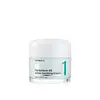 Key Ingredients
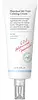
Benefits
Concerns
Ingredients Side-by-side
Water
Skin ConditioningButylene Glycol
Humectant
Glycerin
Humectant


Niacinamide
Smoothing







Cetyl Ethylhexanoate
EmollientDicaprylyl Carbonate
Emollient1,2-Hexanediol
Skin Conditioning
Pentylene Glycol
Skin ConditioningVinyldimethicone

Centella Asiatica Extract
Cleansing
Chlorella Vulgaris Extract
Skin Conditioning
Sophora Angustifolia Root Extract
Skin ConditioningMelia Azadirachta Leaf Extract
Skin ConditioningMelia Azadirachta Flower Extract
Skin ConditioningCoccinia Indica Fruit Extract
Skin ConditioningOcimum Sanctum Leaf Extract
Skin Conditioning
Curcuma Longa Root Extract
Masking
Aloe Barbadensis Flower Extract
EmollientSolanum Melongena Fruit Extract
Skin ConditioningCorallina Officinalis Extract
Skin Conditioning
Camellia Sinensis Leaf Extract
Antimicrobial
Centella Asiatica Leaf Extract
Skin Conditioning
Cladosiphon Okamuranus Extract
Skin ConditioningSalix Alba Bark Extract
Astringent
Houttuynia Cordata Extract
Skin Conditioning
Coffea Arabica Seed Extract
Masking
Citrus Aurantium Bergamia Leaf Extract
AstringentPinus Densiflora Leaf Extract
Antimicrobial
Alpha-Arbutin
Antioxidant
Argania Spinosa Kernel Oil
Emollient

Sesamum Indicum Seed Oil
Emollient
Serenoa Serrulata Fruit Extract
Skin ConditioningGlycyrrhiza Glabra Root Extract
Bleaching
Caprylyl Methicone
Skin Conditioning
Erythritol
Humectant
Panthenol
Skin Conditioning
Hydroxyethyl Acrylate/Sodium Acryloyldimethyl Taurate Copolymer
Emulsion StabilisingDimethiconol
Emollient
Polymethylsilsesquioxane
Acrylates/C10-30 Alkyl Acrylate Crosspolymer
Emulsion StabilisingGlucose
Humectant
Tromethamine
BufferingSilica
Abrasive


Fructooligosaccharides
Humectant
Fructose
Humectant
Ethylhexylglycerin
Skin ConditioningSodium Phytate
Glyceryl Acrylate/Acrylic Acid Copolymer
HumectantCaprylic/Capric Triglyceride
Masking
Hydrogenated Lecithin
Emulsifying
Tocopherol
Antioxidant
Decyl Glucoside
CleansingPantothenic Acid
Skin ConditioningPolyglyceryl-4 Caprate
EmulsifyingPolyglyceryl-6 Caprylate
EmulsifyingZinc PCA
Humectant
Methyl Diisopropyl Propionamide
MaskingBeta-Sitosterol
Emulsion Stabilising
Xanthan Gum
EmulsifyingWater, Butylene Glycol, Glycerin, Niacinamide, Cetyl Ethylhexanoate, Dicaprylyl Carbonate, 1,2-Hexanediol, Pentylene Glycol, Vinyldimethicone, Centella Asiatica Extract, Chlorella Vulgaris Extract, Sophora Angustifolia Root Extract, Melia Azadirachta Leaf Extract, Melia Azadirachta Flower Extract, Coccinia Indica Fruit Extract, Ocimum Sanctum Leaf Extract, Curcuma Longa Root Extract, Aloe Barbadensis Flower Extract, Solanum Melongena Fruit Extract, Corallina Officinalis Extract, Camellia Sinensis Leaf Extract, Centella Asiatica Leaf Extract, Cladosiphon Okamuranus Extract, Salix Alba Bark Extract, Houttuynia Cordata Extract, Coffea Arabica Seed Extract, Citrus Aurantium Bergamia Leaf Extract, Pinus Densiflora Leaf Extract, Alpha-Arbutin, Argania Spinosa Kernel Oil, Sesamum Indicum Seed Oil, Serenoa Serrulata Fruit Extract, Glycyrrhiza Glabra Root Extract, Caprylyl Methicone, Erythritol, Panthenol, Hydroxyethyl Acrylate/Sodium Acryloyldimethyl Taurate Copolymer, Dimethiconol, Polymethylsilsesquioxane, Acrylates/C10-30 Alkyl Acrylate Crosspolymer, Glucose, Tromethamine, Silica, Fructooligosaccharides, Fructose, Ethylhexylglycerin, Sodium Phytate, Glyceryl Acrylate/Acrylic Acid Copolymer, Caprylic/Capric Triglyceride, Hydrogenated Lecithin, Tocopherol, Decyl Glucoside, Pantothenic Acid, Polyglyceryl-4 Caprate, Polyglyceryl-6 Caprylate, Zinc PCA, Methyl Diisopropyl Propionamide, Beta-Sitosterol, Xanthan Gum
Water
Skin ConditioningPropanediol
Solvent
Glycerin
Humectant
Sodium Hyaluronate
Humectant
Butylene Glycol
Humectant
Sorbitol
Humectant
Isohexadecane
EmollientCaprylic/Capric Triglyceride
Masking
Houttuynia Cordata Extract
Skin Conditioning
Betaine
Humectant
Centella Asiatica Extract
Cleansing
Glyceryl Stearate
Emollient
Salvia Officinalis Extract
Antimicrobial
Glycyrrhiza Glabra Root Extract
Bleaching
Sorghum Bicolor Leaf/Stem Extract
Skin ConditioningAspergillus Ferment
Skin ConditioningChlorphenesin
Antimicrobial
Arginine
Masking
Acrylates/C10-30 Alkyl Acrylate Crosspolymer
Emulsion StabilisingAllantoin
Skin Conditioning
Sorbitan Sesquioleate
Emulsifying
Ethylhexylglycerin
Skin ConditioningXanthan Gum
EmulsifyingGuaiazulene
Antimicrobial
Water, Propanediol, Glycerin, Sodium Hyaluronate, Butylene Glycol, Sorbitol, Isohexadecane, Caprylic/Capric Triglyceride, Houttuynia Cordata Extract, Betaine, Centella Asiatica Extract, Glyceryl Stearate, Salvia Officinalis Extract, Glycyrrhiza Glabra Root Extract, Sorghum Bicolor Leaf/Stem Extract, Aspergillus Ferment, Chlorphenesin, Arginine, Acrylates/C10-30 Alkyl Acrylate Crosspolymer, Allantoin, Sorbitan Sesquioleate, Ethylhexylglycerin, Xanthan Gum, Guaiazulene
Reviews
Ingredients Explained
These ingredients are found in both products.
Ingredients higher up in an ingredient list are typically present in a larger amount.
Acrylates/C10-30 Alkyl Acrylate Crosspolymer is a synthetic polymer. It is used to thicken and improve the texture of products. Due to its properties, it can prevent water and oil ingredients from separating.
Butylene Glycol (or BG) is used within cosmetic products for a few different reasons:
Overall, Butylene Glycol is a safe and well-rounded ingredient that works well with other ingredients.
Though this ingredient works well with most skin types, some people with sensitive skin may experience a reaction such as allergic rashes, closed comedones, or itchiness.
Learn more about Butylene GlycolThis ingredient is an emollient, solvent, and texture enhancer. It is considered a skin-softener by helping the skin prevent moisture loss.
It helps thicken a product's formula and makes it easier to spread by dissolving clumping compounds.
Caprylic Triglyceride is made by combining glycerin with coconut oil, forming a clear liquid.
While there is an assumption Caprylic Triglyceride can clog pores due to it being derived from coconut oil, there is no research supporting this.
Learn more about Caprylic/Capric TriglycerideCentella Asiatica Extract (Centella) is derived from an herb native to Southeast Asia. It is famous for its anti-inflammatory and soothing properties.
Centella is rich in antioxidants and amino acids, such as Madecassic Acid and Asiaticoside.
Studies show the compounds in centella help with:
The combination of all these properties makes centella effective at soothing, hydrating, and protecting the skin.
Other great components of centella include Vitamin A, vitamin C, several B vitamins, and Asiatic Acid.
Fun fact: Centella has been used as a medicine and in food for many centuries. As a medicine, it is used to treat burns, scratches, and wounds.
Learn more about Centella Asiatica ExtractEthylhexylglycerin (we can't pronounce this either) is commonly used as a preservative and skin softener. It is derived from glyceryl.
You might see Ethylhexylglycerin often paired with other preservatives such as phenoxyethanol. Ethylhexylglycerin has been found to increase the effectiveness of these other preservatives.
Glycerin is already naturally found in your skin. It helps moisturize and protect your skin.
A study from 2016 found glycerin to be more effective as a humectant than AHAs and hyaluronic acid.
As a humectant, it helps the skin stay hydrated by pulling moisture to your skin. The low molecular weight of glycerin allows it to pull moisture into the deeper layers of your skin.
Hydrated skin improves your skin barrier; Your skin barrier helps protect against irritants and bacteria.
Glycerin has also been found to have antimicrobial and antiviral properties. Due to these properties, glycerin is often used in wound and burn treatments.
In cosmetics, glycerin is usually derived from plants such as soybean or palm. However, it can also be sourced from animals, such as tallow or animal fat.
This ingredient is organic, colorless, odorless, and non-toxic.
Glycerin is the name for this ingredient in American English. British English uses Glycerol/Glycerine.
Learn more about GlycerinGlycyrrhiza Glabra Root Extract is an extract of the roots of Licorice. It has been found to have several benefits such as skin hydrating, conditioning, and soothing.
One component, glabridin, has extra potent antioxidant and soothing properties. It has also been found to block pigmentation from UVB rays in guinea pigs.
Licorice Root also contains a flavonoid. Flavonoids are a natural substance from in plants. Flavonoids also have antioxidant properties.
Another component, glycyrrhizin, has been found to have anti-inflammatory and antimicrobial benefits. This may make licorice root extract effective at treating acne. However, more research is needed to support this.
Liquiritin is one of the flavone compounds found in licorice. It has been found to help lighten skin by preventing tyrosinase from reacting with tyrosine. When the two react, protein is converted to melanin. Melanin is the substance in your body that gives your features pigmentation.
Learn more about Glycyrrhiza Glabra Root ExtractHouttuynia Cordata Extract is more commonly known as Heart Leaf, Fish Mint, or Chameleon plant.
The components found in Heart Leaf give it antioxidant, hydrating, antimicrobial, and anti-inflammatory properties.
Heart Leaf is rich in flavonoids such as quercetin, apigenin, and more. It also contains polysaccharides, the most common type of carbs in food.
Flavonoids have been shown to be effective antioxidants. They help neutralize free-radical molecules. Free-radical molecules are unstable molecules that may damage our skin cells and DNA. The flavonoids in Heart Leaf also help soothe the skin.
Polysaccharides are naturally found in our skin. They play a role in hydrating and repairing the top layer of skin. The polysaccharides in Heart Leaf help moisturize our skin.
Studies show decanoyl acetaldehyde, a component of Heart Leaf oil, is effective at killing bacteria.
The name 'Fish Mint' comes from the herb's natural fishy smell. Is is native to southeast Asia and used throughout the continent for traditional cooking and medicine.
Learn more about Houttuynia Cordata ExtractWater. It's the most common cosmetic ingredient of all. You'll usually see it at the top of ingredient lists, meaning that it makes up the largest part of the product.
So why is it so popular? Water most often acts as a solvent - this means that it helps dissolve other ingredients into the formulation.
You'll also recognize water as that liquid we all need to stay alive. If you see this, drink a glass of water. Stay hydrated!
Learn more about WaterXanthan gum is used as a stabilizer and thickener within cosmetic products. It helps give products a sticky, thick feeling - preventing them from being too runny.
On the technical side of things, xanthan gum is a polysaccharide - a combination consisting of multiple sugar molecules bonded together.
Xanthan gum is a pretty common and great ingredient. It is a natural, non-toxic, non-irritating ingredient that is also commonly used in food products.
Learn more about Xanthan Gum
